Fred Miranda
Offline
Admin
Upload & Sell: On
|
 p.1 #1 · Thypoch Simera 50mm f/1.4 ASPH. Review p.1 #1 · Thypoch Simera 50mm f/1.4 ASPH. Review | |
Order the Thypoch Simera 50mm f/1.4 ASPH. lens:
Thypoch Store (Use promo code: FREDMIRANDA for a 5% discount at checkout)
B&H Photo | Adorama
___
Review Quick Links:- Initial Impressions
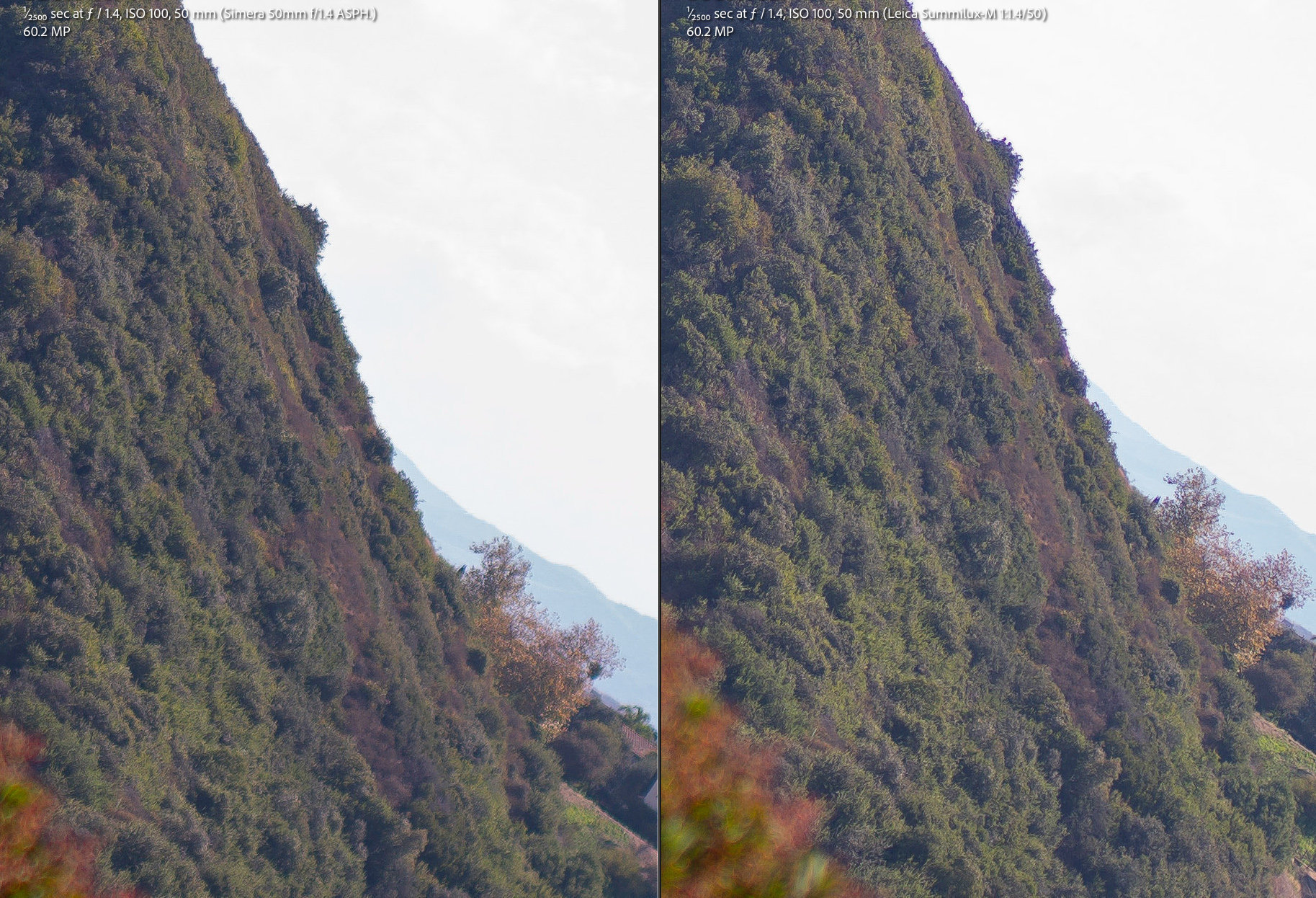
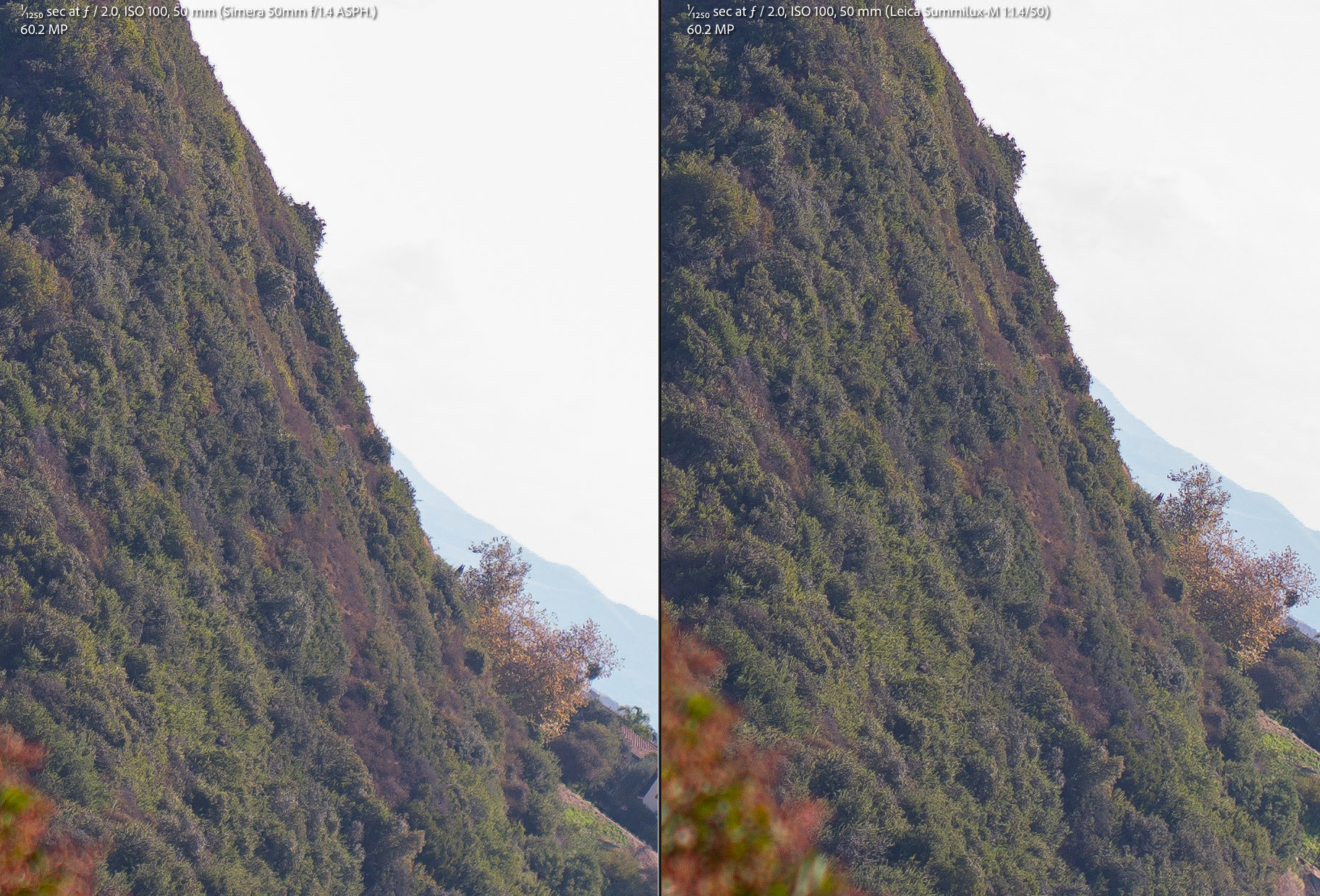
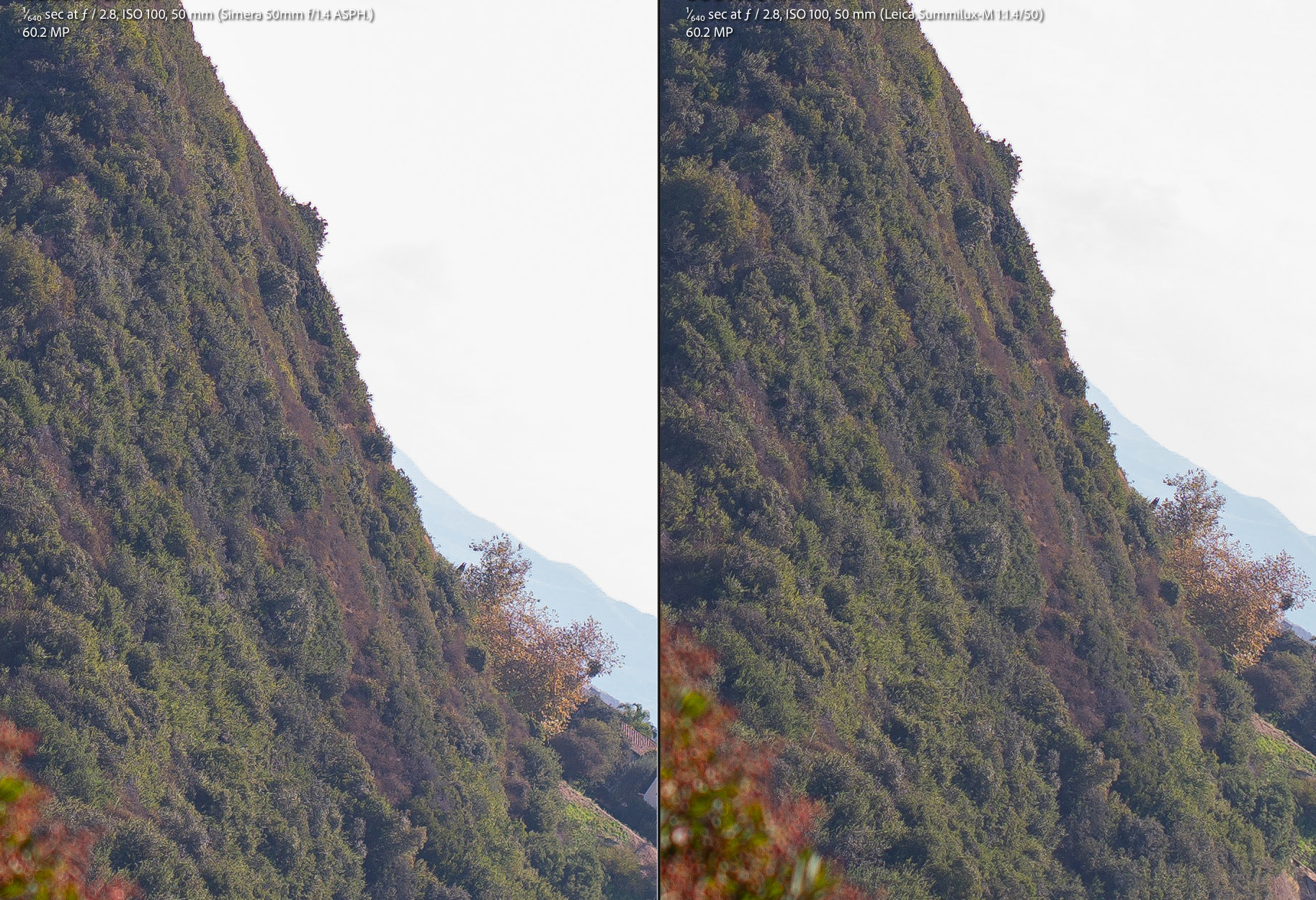
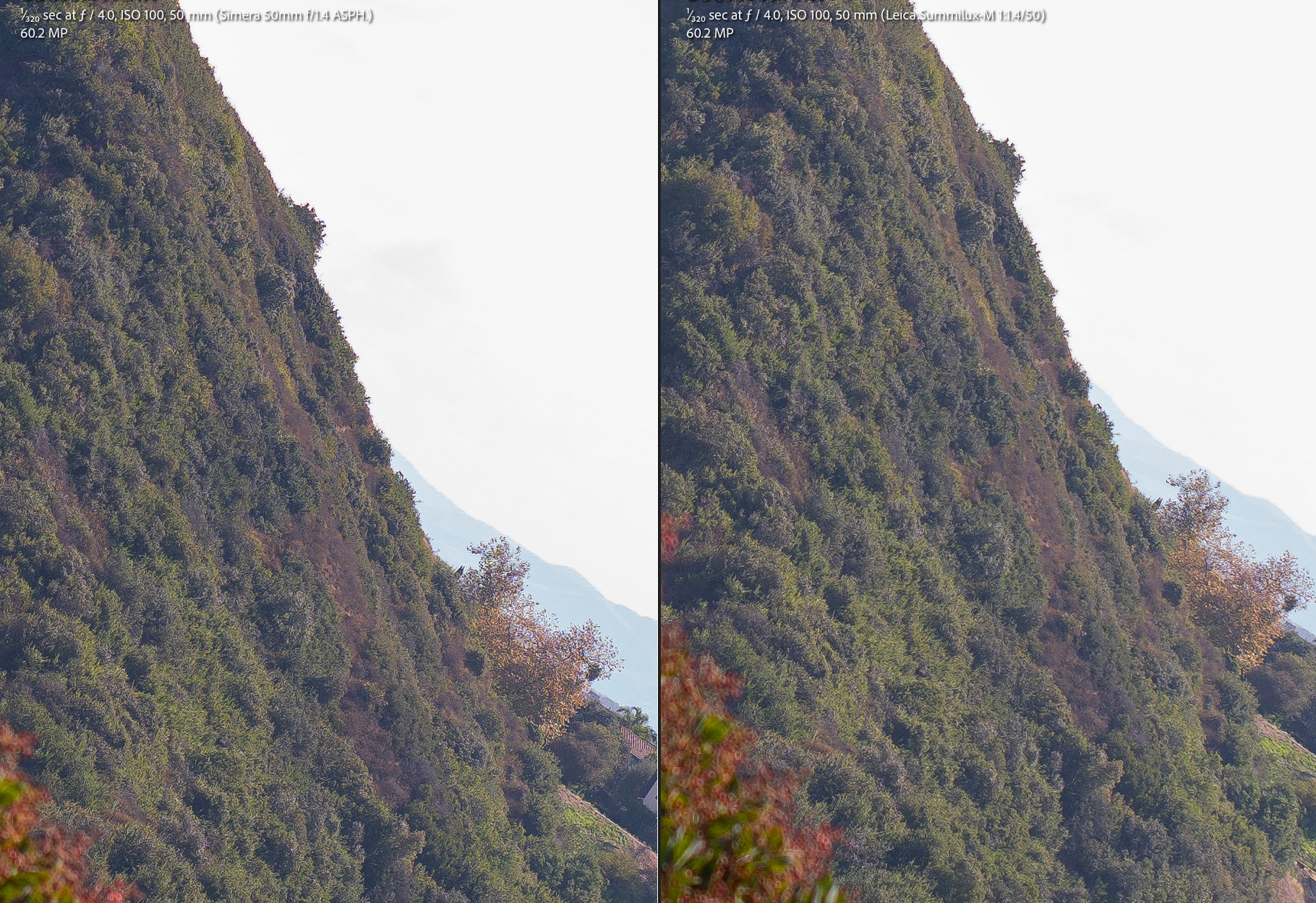
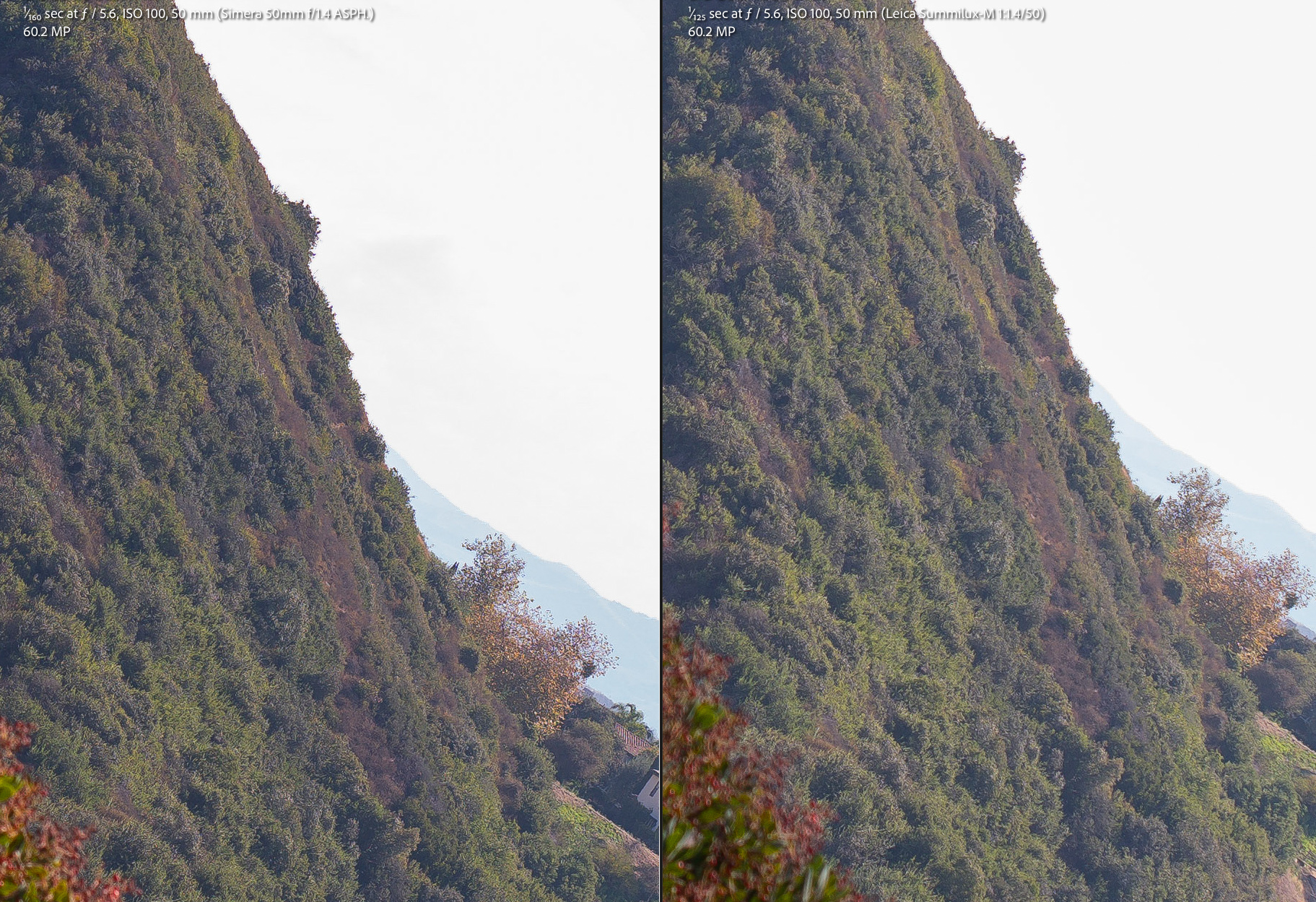
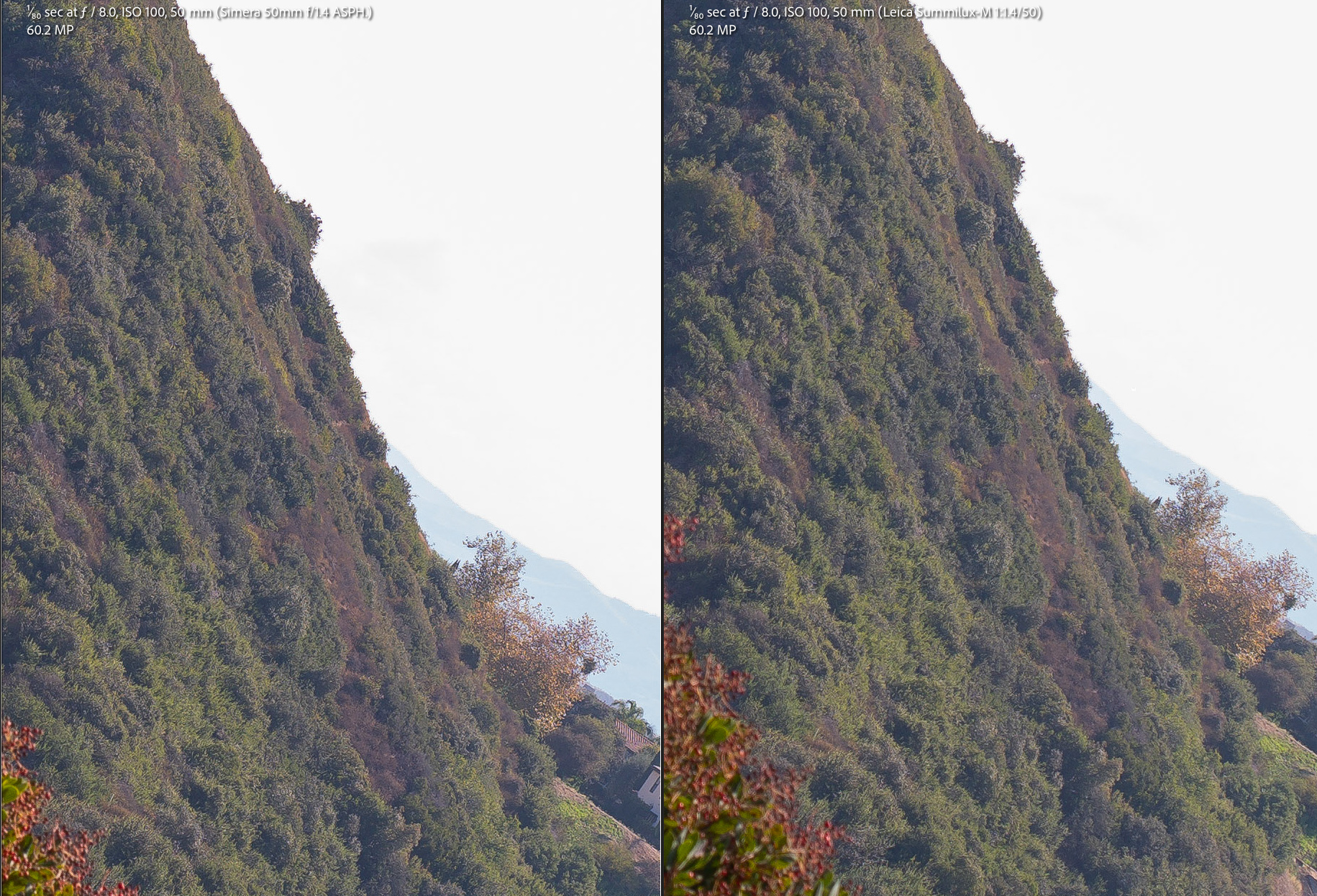
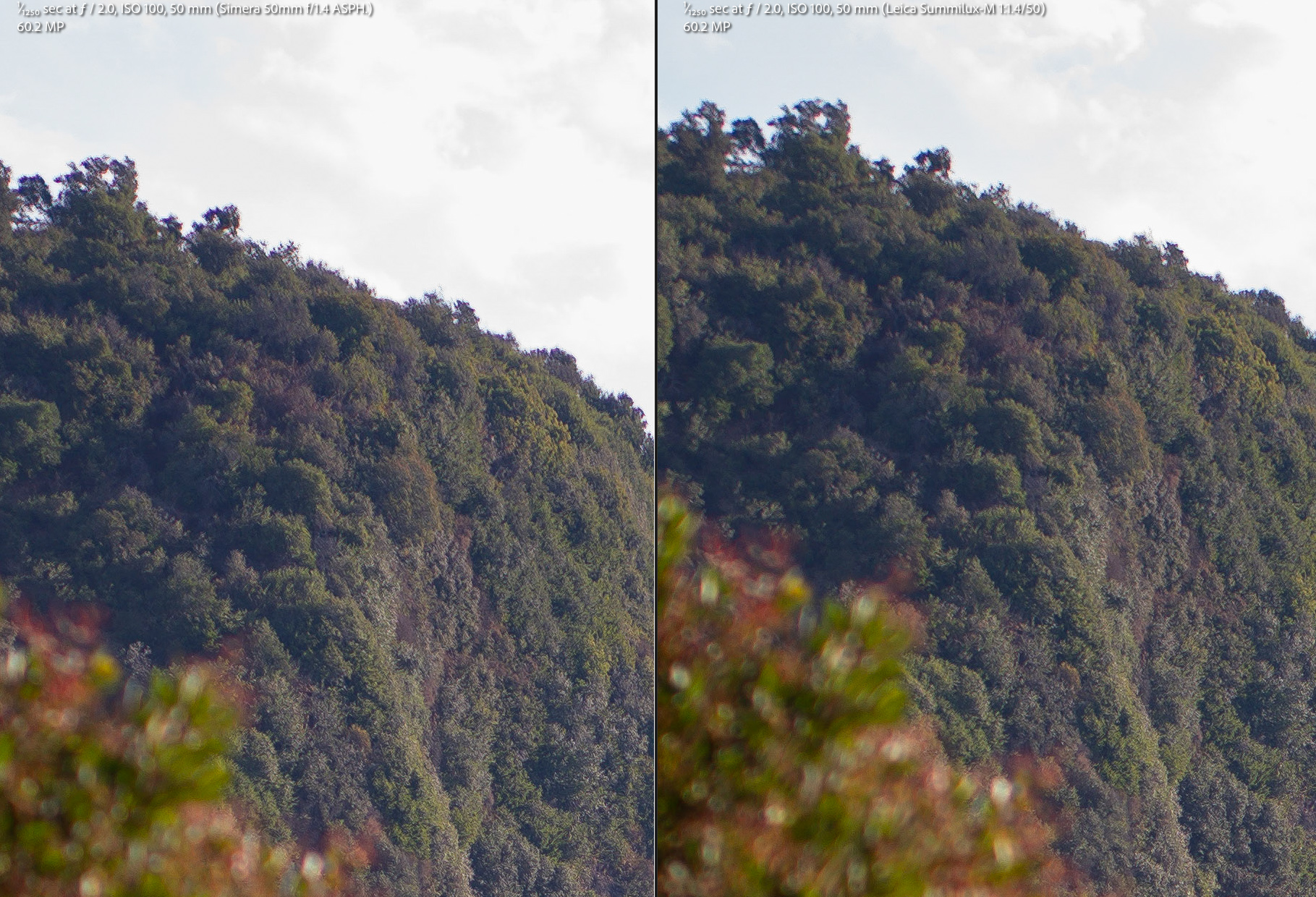
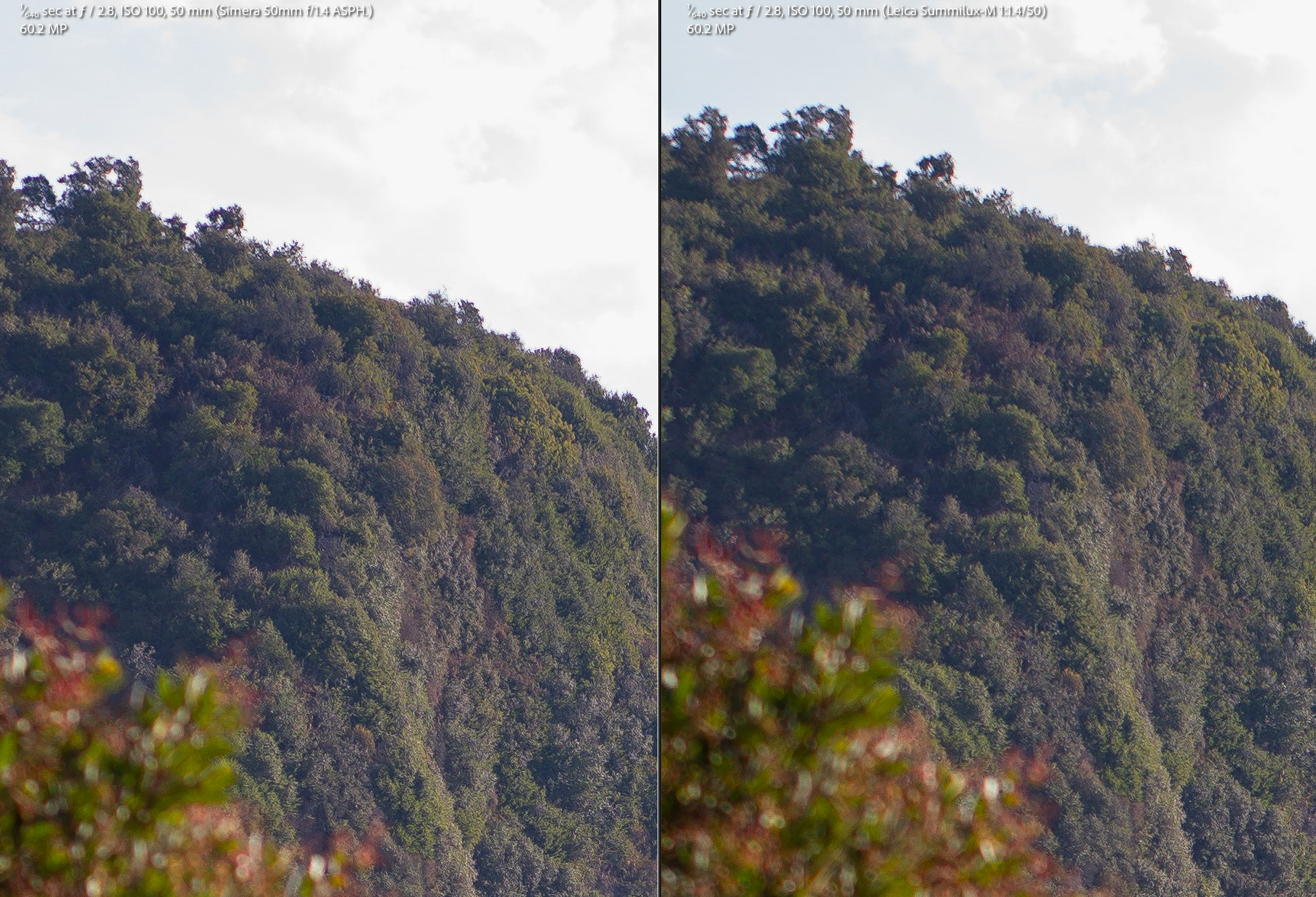
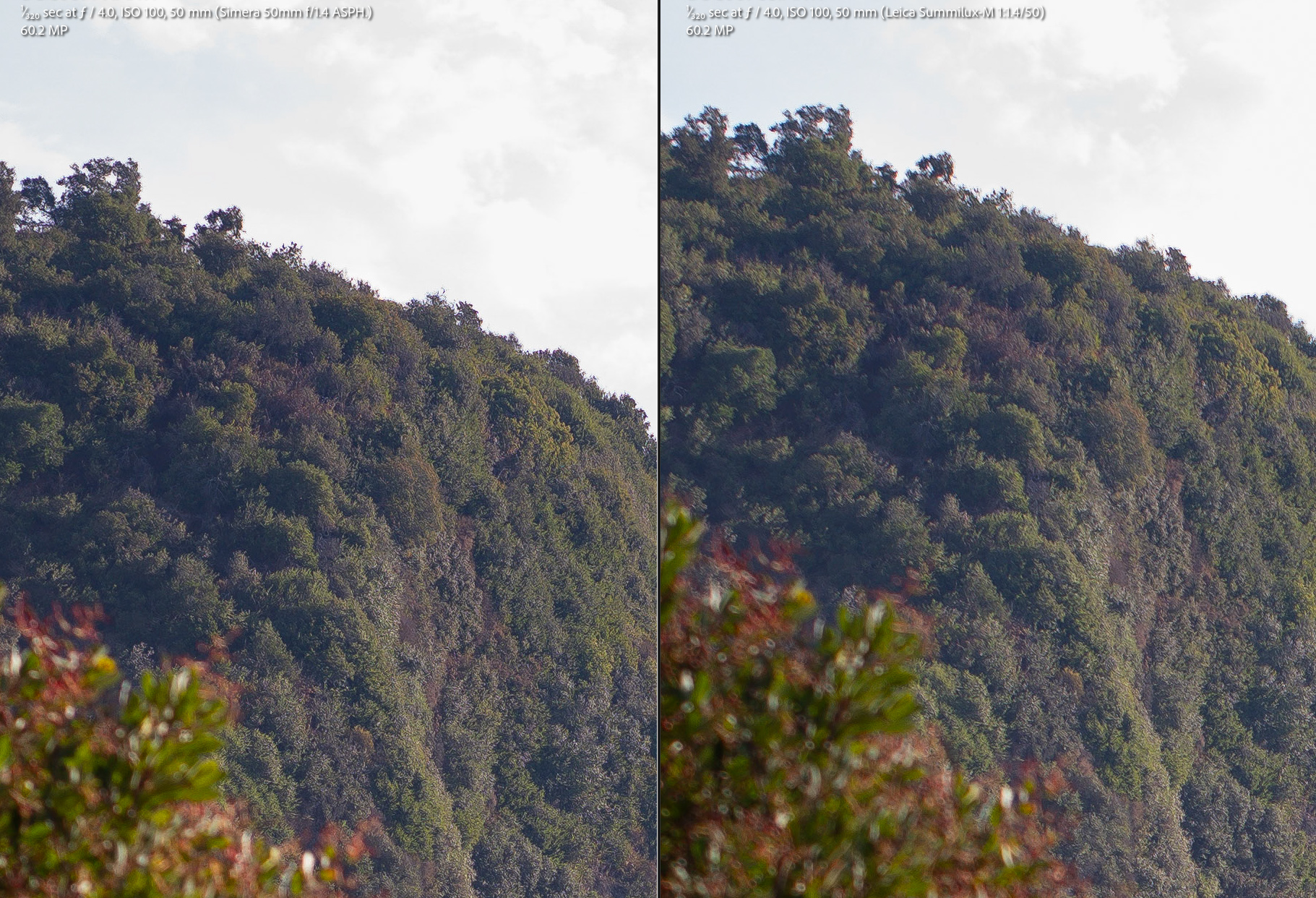
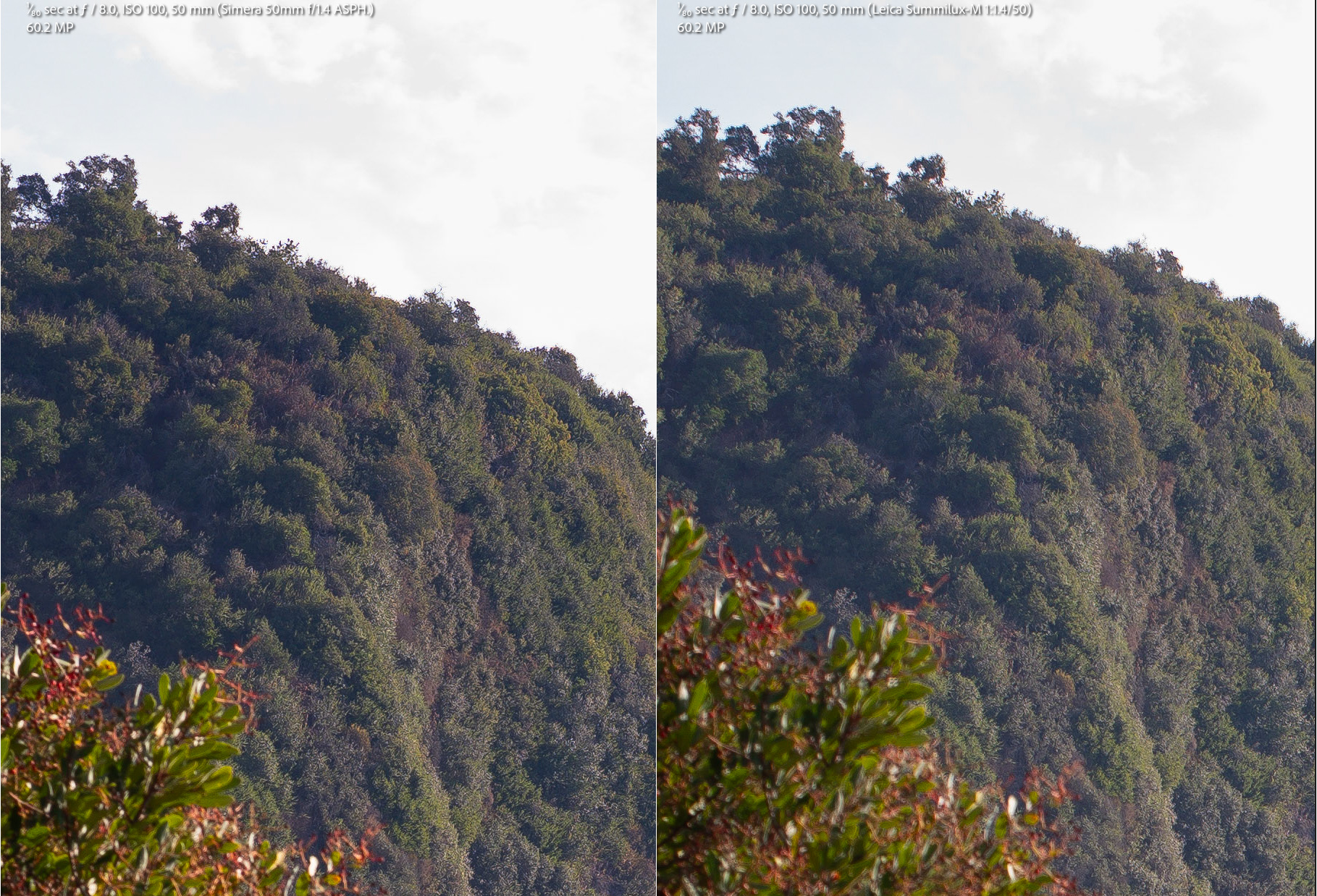
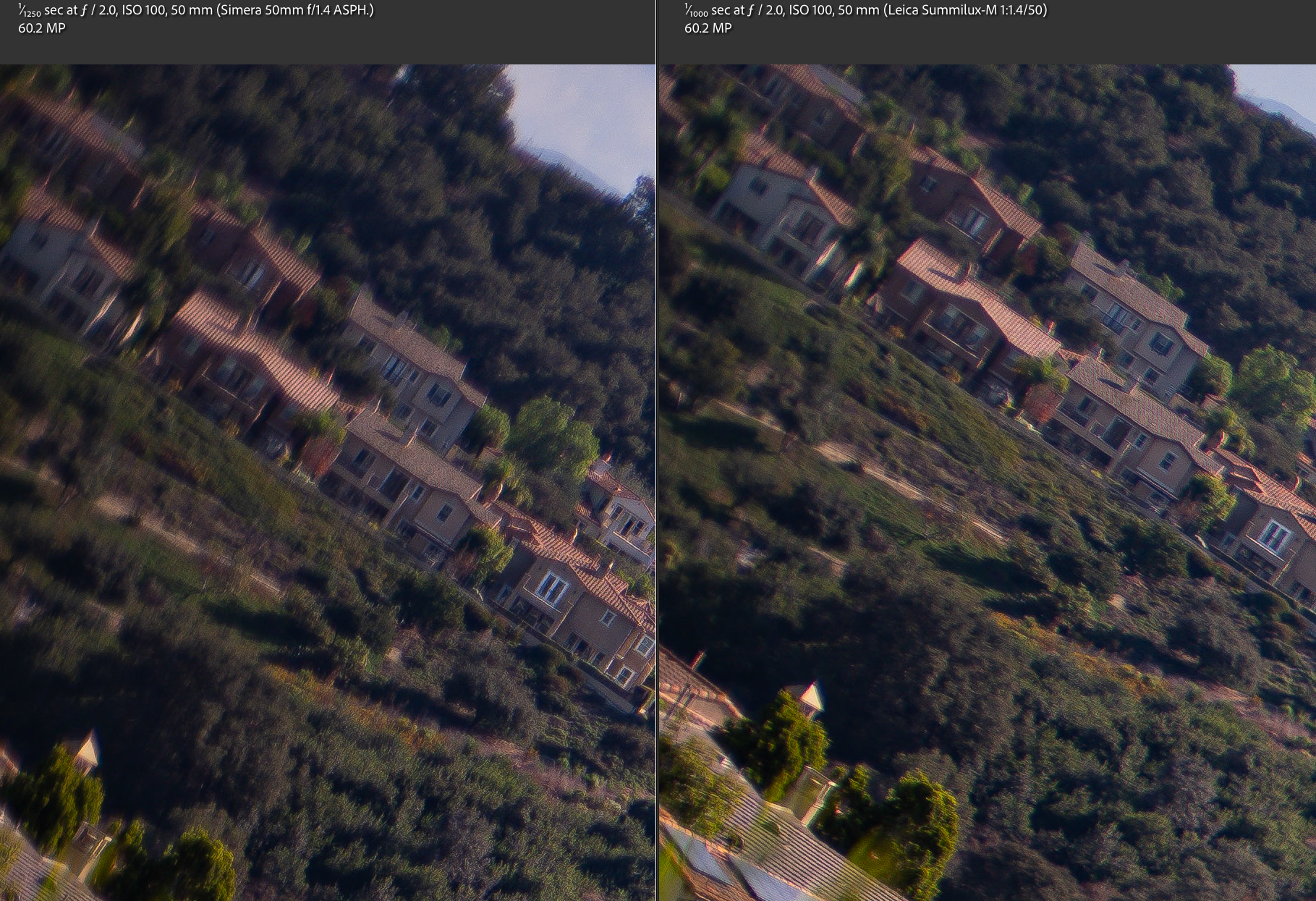
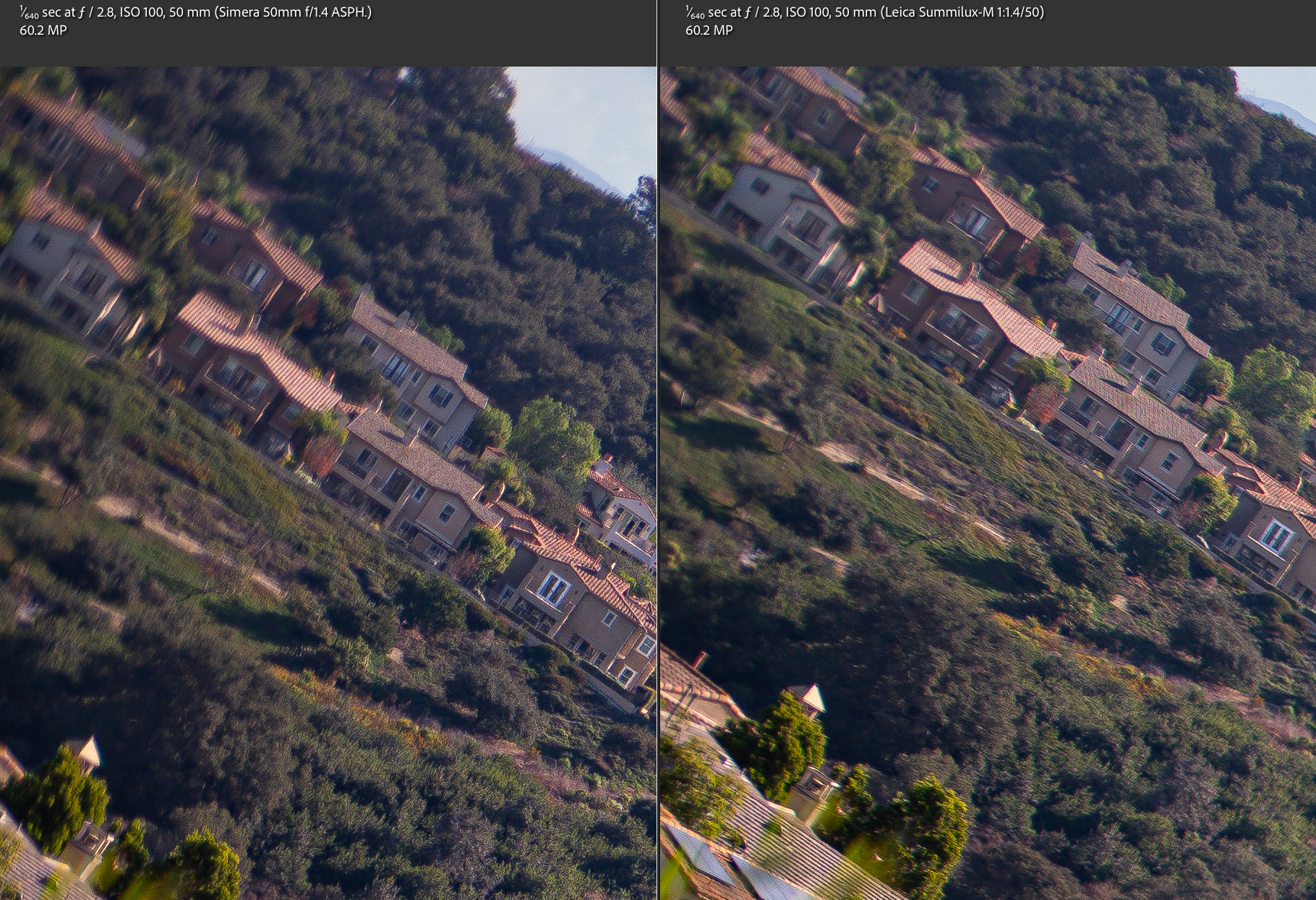
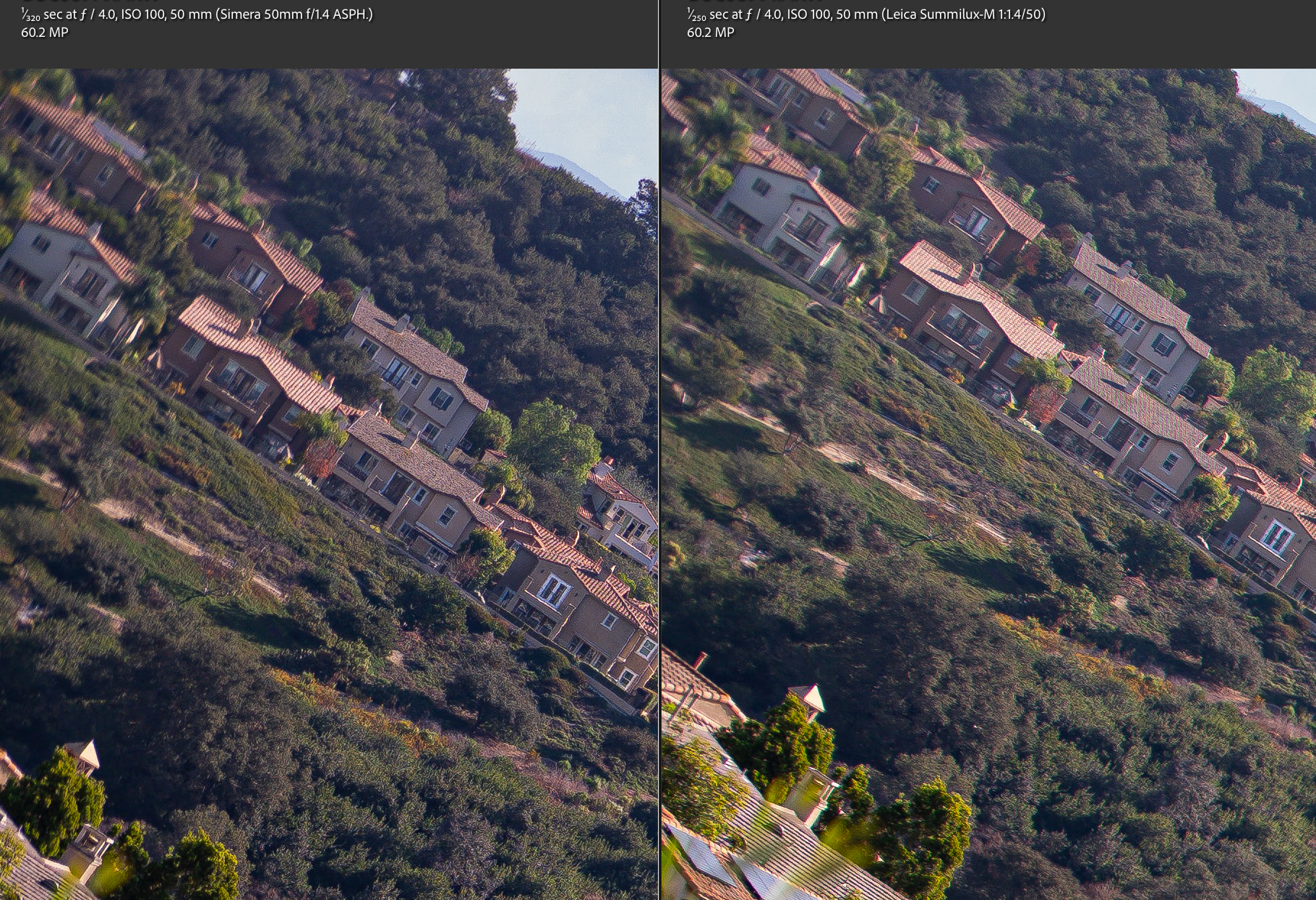
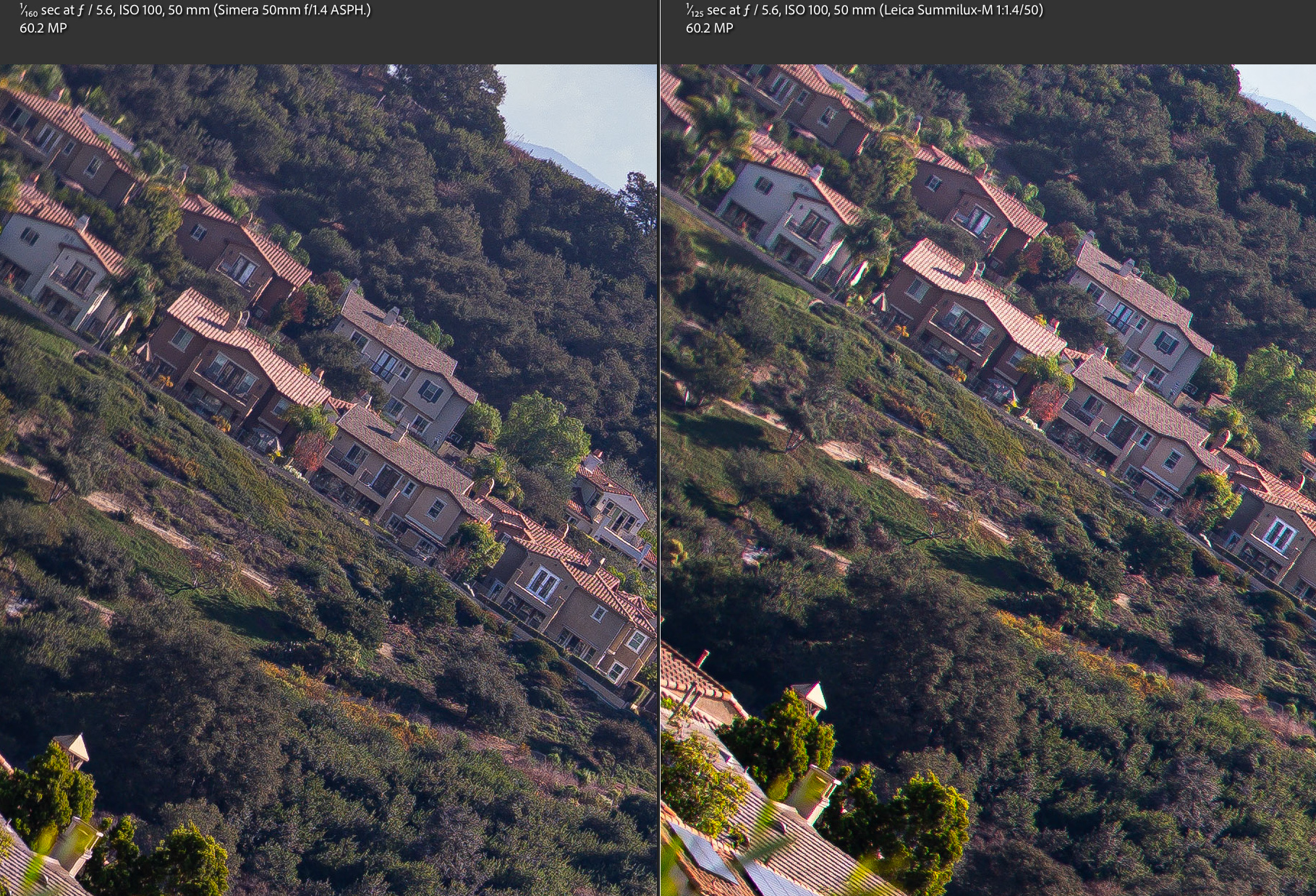
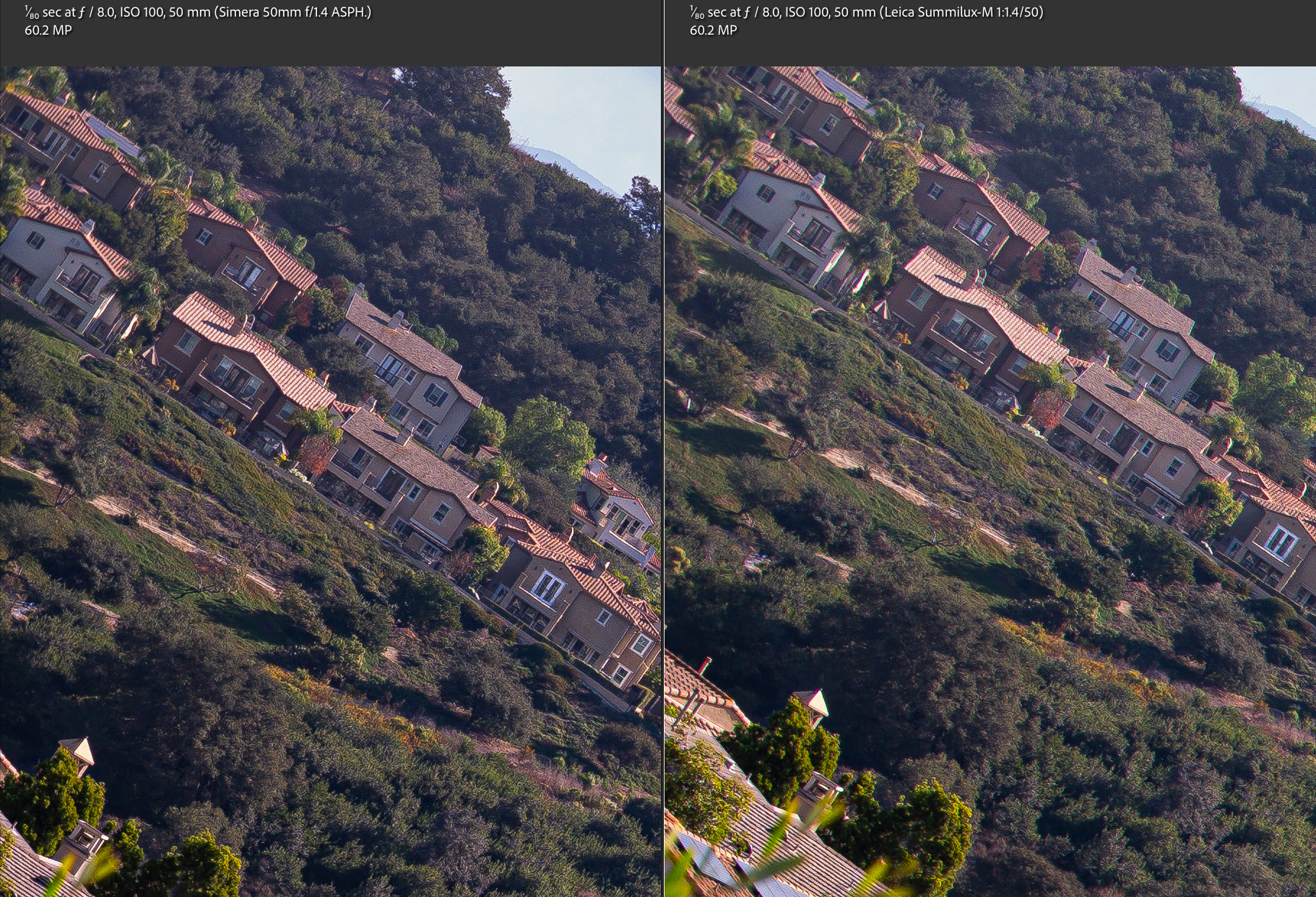
- Resolution and Contrast at Infinity distance: Simera 50mm f/1.4 vs Leica 50mm f/1.4 Summilux (M11)
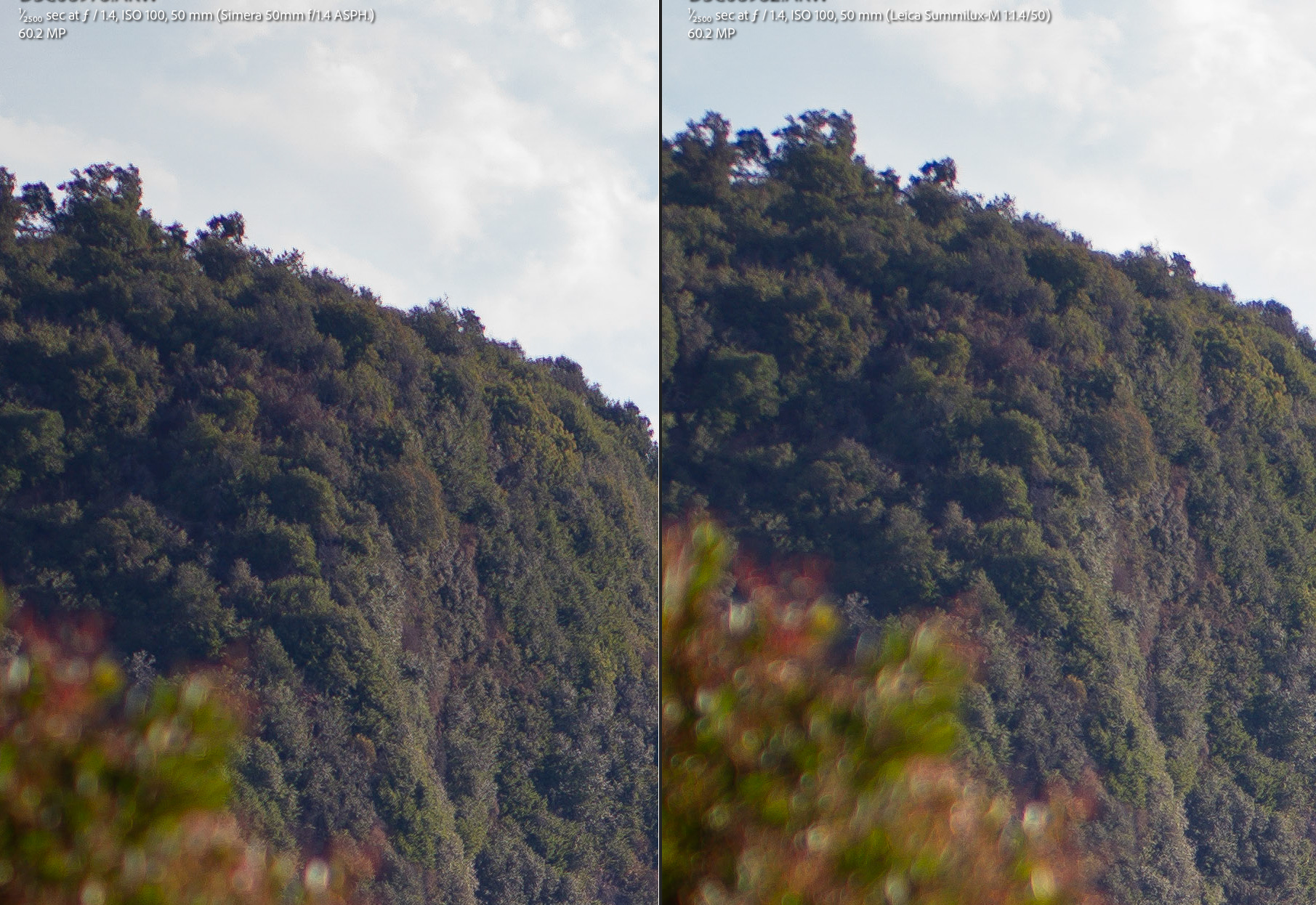
- Resolution and Contrast at 2m distance: Simera 50mm f/1.4 vs Leica 50mm f/1.4 Summilux (M11)
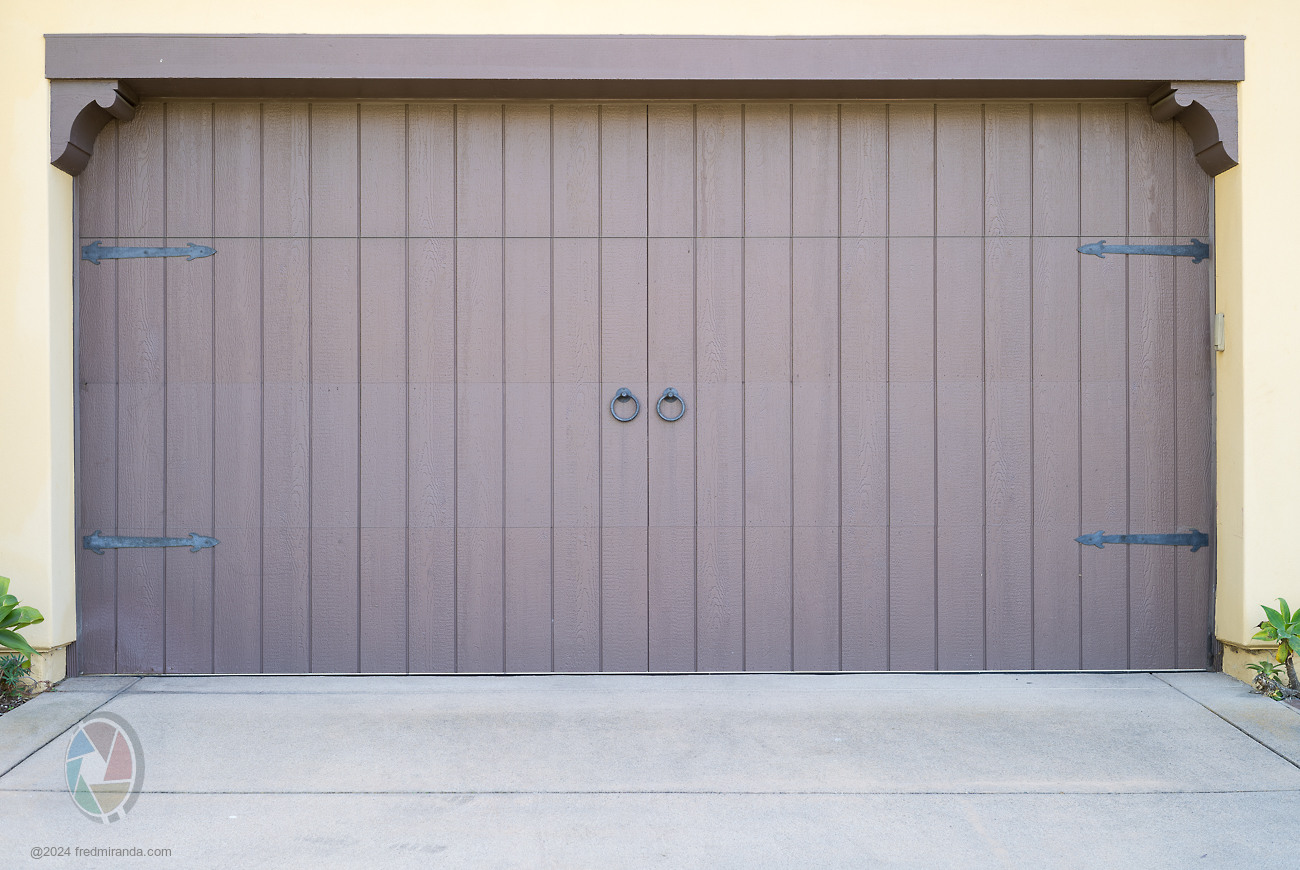
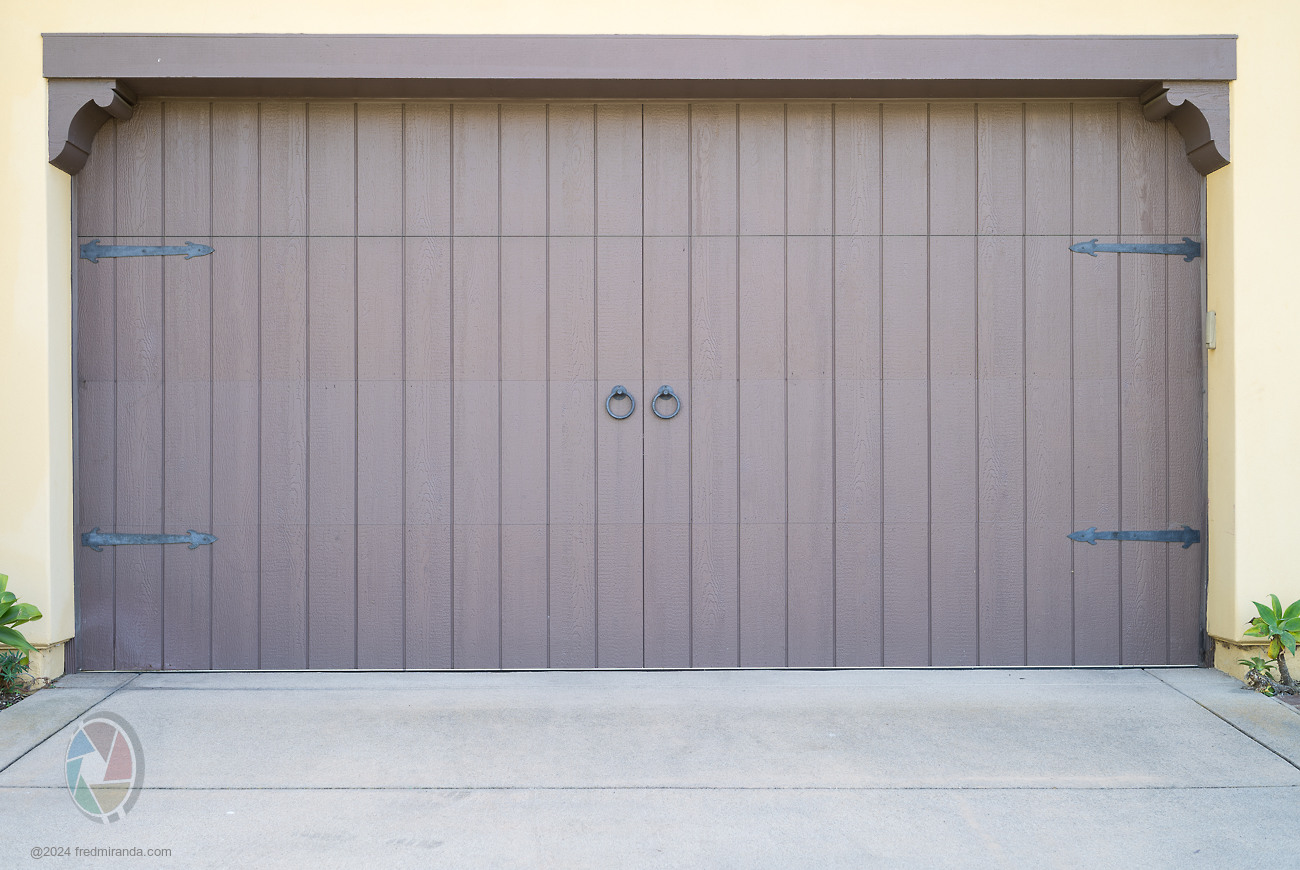
- Distortion
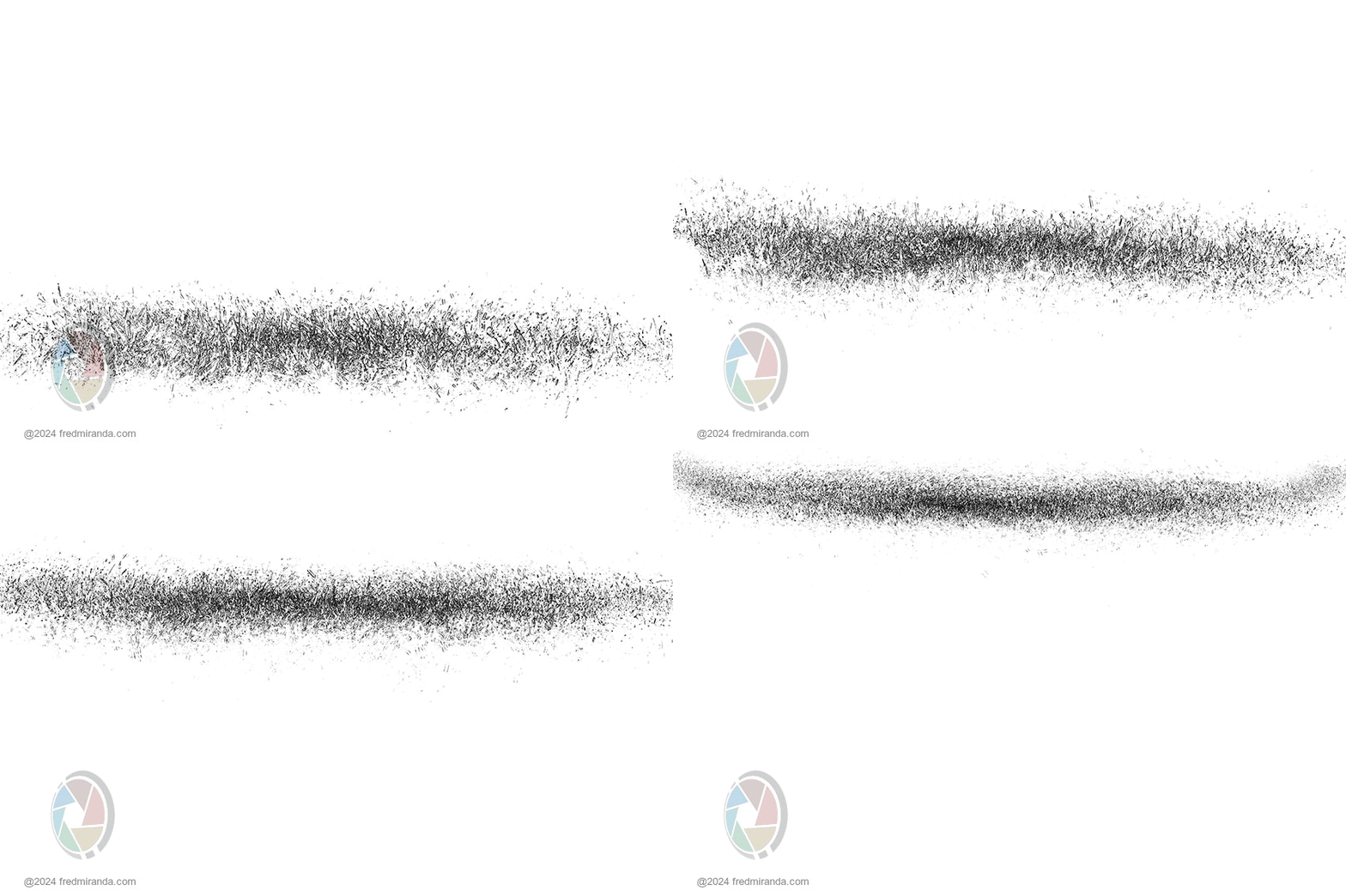
- Field Curvature
- Minimal Focus Distance performance
- Sunstar Rendering
- Sunstar, Flare and Vignetting compared to the Leica 50mm f/1.4 Summilux on M10-R
- Rendering compared to Leica 50mm f/1.4 Summilux ASPH.
- Focus Shift
- Optical Vignetting and Specular Highlights shape
- Chromatic Aberration (CA)
- Final Thoughts
- Samples 1
- Samples 2
- Samples 3
Simera 50mm f/1.4 ASPH. shots contributed by FM members:- @rji2goleez: Sample 1,2,3,4,5,6,7,8,9
- @serhan_: Sample 1
- @1bwana1: Sample 1,2,3,4,5,6
- @Tariq Gibran: Sample 1,2,3
Back to Quick Links
Initial impressions of the Thypoch Simera 50mm f/1.4 ASPH. lens:
The Simera 50mm f/1.4 ASPH. is a recent addition to Thypoch’s "modern" line, featuring an optical formula that draws inspiration from the Leica 50mm f/1.4 Summilux. It follows the earlier releases of the Simera 28mm and 35mm f/1.4 ASPH. lenses.
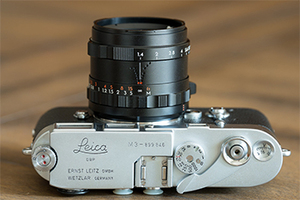
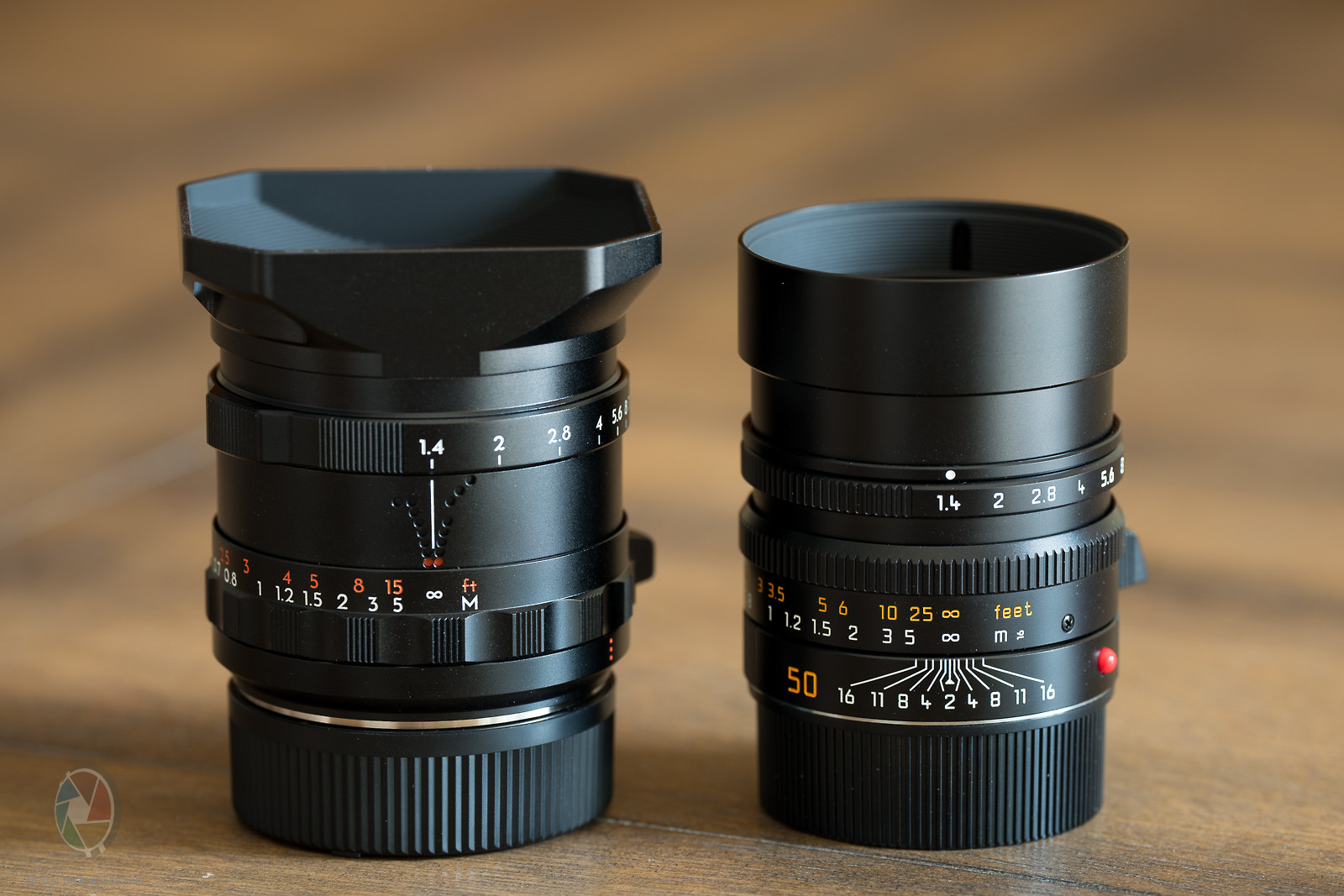
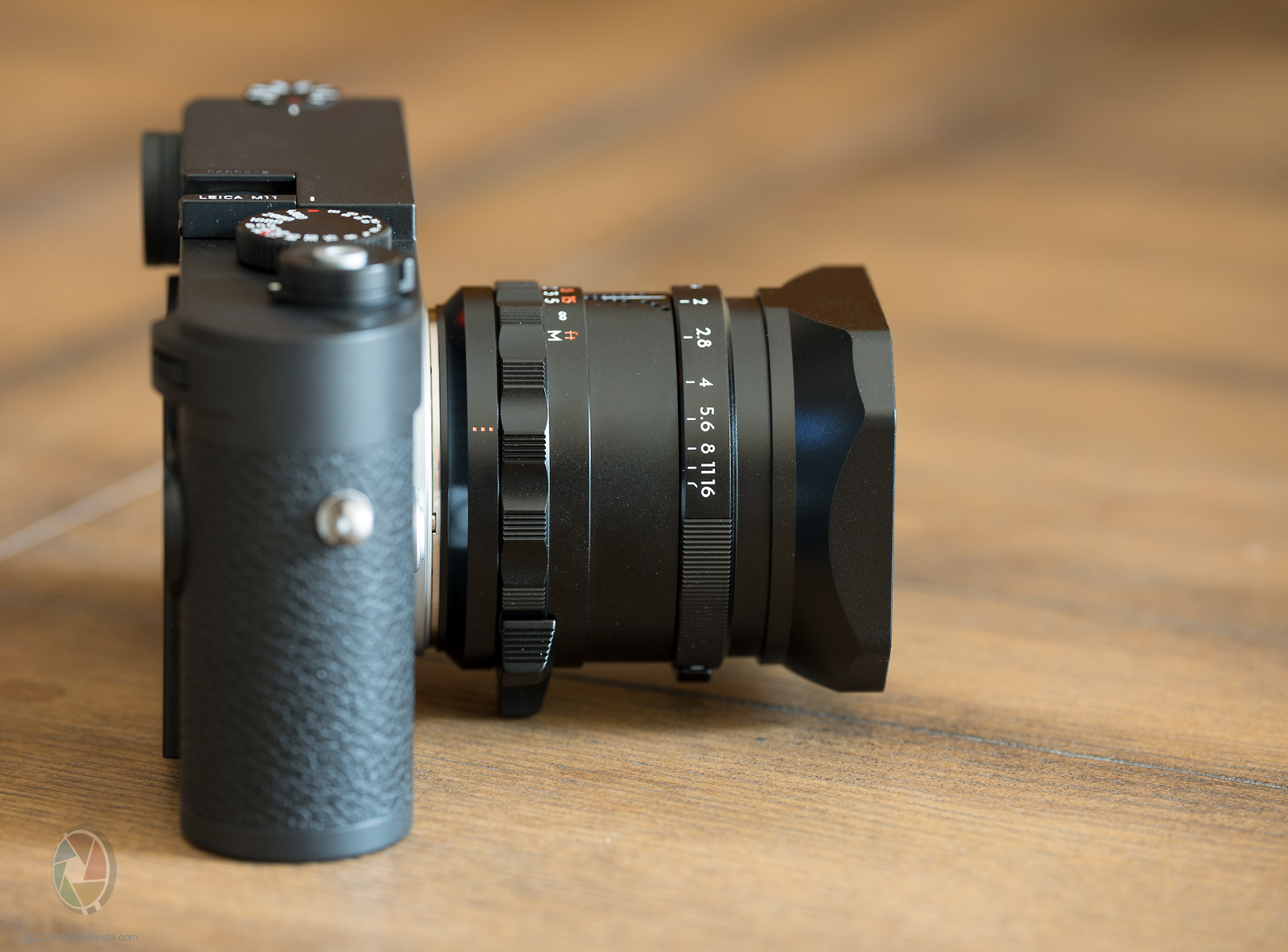
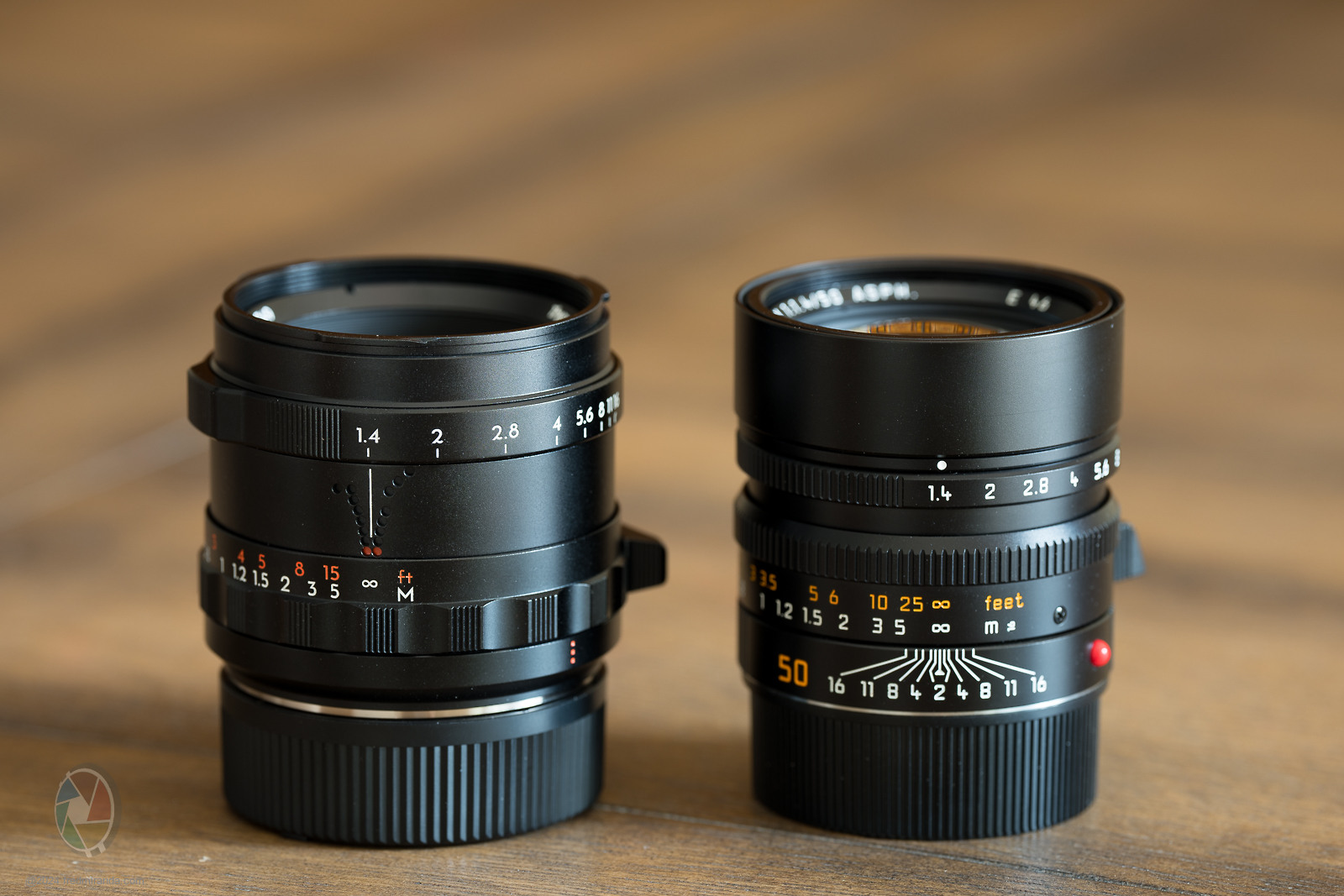
When I first held the Simera 50mm f/1.4 ASPH., I was struck by its lightweight design for a fast 50mm lens, weighing a mere 268 grams without the supplied metal hood. Its portability makes it an excellent choice for travel, hiking, and landscape photography. It feels well-balanced on the Leica M11 and slightly encroaches on the 50mm framelines at infinity. At the minimum focusing distance, it covers a bit of the lower right corner of the frame, which is expected from a fast 50mm f/1.4 lens. In comparison, the Leica 50mm f/1.4 Summilux ASPH. also protrudes a similar amount, perhaps slightly less since its barrel is thinner. However, the Simera allows for better viewing of the frame thanks to its supplied hood’s cut-out.
Available in two aluminum finishes -- Black and Silver -- I will be reviewing the Black version. Like the Simera 28mm and 35mm lenses, this lens features a 49mm filter diameter and offers a minimum focusing distance of 0.45m for Live View focusing. It also includes a floating element design, just like the Leica.
The Simera boasts 14 aperture blades, which produce distinct 14-point sunstars starting at f/5.6. The aperture shape remains much more circular when stopped down compared to the Leica, which has 9 inward-curved aperture blades. Therefore, you can expect to see more round specular highlights when shooting with the Simera stopped down.
I will be comparing the design, characteristics, and performance between these two lenses, as the Simera 50mm f/1.4 seems to be a main competitor to the Leica. To avoid repetition, I will refer to the Thypoch Simera 50mm f/1.4 ASPH. as "Simera" and the Leica 50mm f/1.4 Summilux ASPH. as "Leica" for this review.
This compact lens consists of 8 elements in 6 groups, including one ED and one aspherical element.
The focusing ring of the Simera lens rotates smoothly with just the right amount of resistance, although it isn't as smooth as Leica or Cosina lenses. One notable feature is that the lens uses internal focusing, meaning it doesn't extend when you rotate the focusing ring. Very cool!
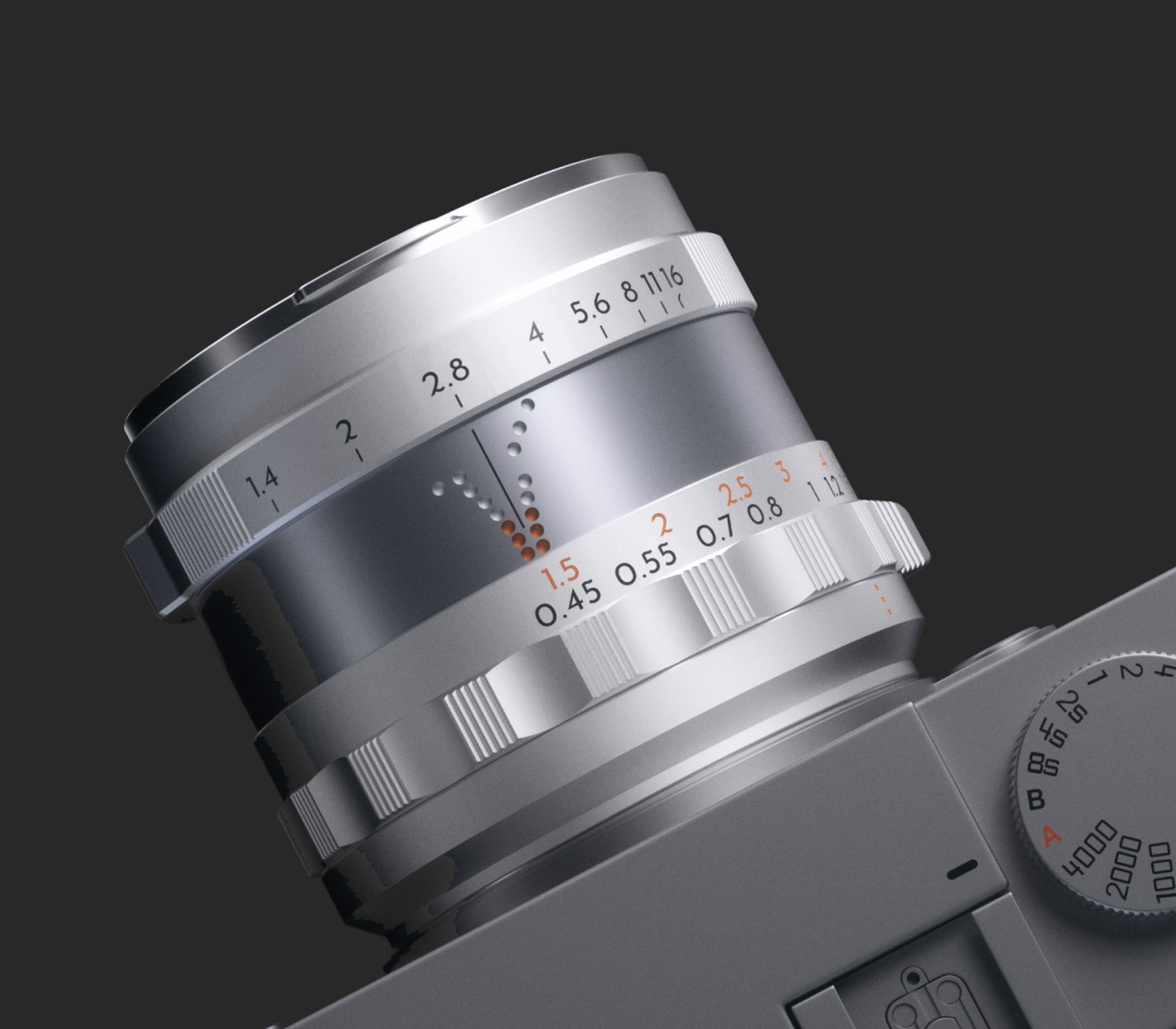
The aperture ring mainly has 1/3 stop increments, similar to the Zeiss ZM line. However, I would prefer these increments to be more distinct and pronounced, as the ring tends to rotate too freely. As you adjust from larger to smaller apertures, the numbers on the barrel become increasingly closer together, which I find less appealing than lenses with consistent spacing between markings. Notably, the 1/3 stop increments extend up to f/5.6, then change to 1/2 stops from f/5.6 to f/8, and switch to full stops beyond f/8 until f/16. This variation isn’t ideal, but it might be due to the barrel design and its mechanical depth-of-field indicator.
The depth-of-field indicator on this lens features small open vents on the barrel that change color from silver or black (depending on the lens color) to red as you adjust the aperture. This color change provides a clear indication of the area that will be in focus. This innovative, fully mechanical method offers a refreshing alternative to traditional depth-of-field indicators used for zone focusing. It’s worth noting that a depth-of-field indicator is generally more useful with wider lenses, like the 28mm, since they provide a broader depth of field.
Another unique feature of the Simera lens is the ability to easily de-click the aperture by simply moving a switch on the aperture ring. This makes it convenient for smooth and silent aperture adjustments, especially useful for videography.
The focus throw angle is relatively short, around 90 degrees, which is common with modern M-lenses. This short throw allows for both quick and accurate focusing. The Leica also features a 90-degree throw; however, my copy does not have close-focusing capabilities and only focuses down to 0.7m, which is the rangefinder focusing limit. This results in a longer focus rotation for rangefinder users. In contrast, the Simera can focus much closer at 0.45m. Since both lenses share the same 90-degree throw, the focus throw from 0.7m to infinity (the rangefinder range) is approximately 20 degrees shorter on the Simera.
While this shorter throw may limit the rotation range for rangefinder focusing, its close-up capabilities are particularly beneficial when using Live View. The lens also features a tactile alert that signals when the rangefinder disengages, indicating that Live View will be necessary for focusing beyond that distance. It’s encouraging to see newer lenses incorporating this feature. Just be cautious when focusing at close distances, as the focusing ring is highly sensitive to even the slightest rotation.
I personally prefer lenses with a longer focus throw for added precision, as even slight adjustments on the Simera can easily result in the subject going out of focus. While this design allows for accurate focusing, it necessitates extra care and adjustment tolerance between the camera and rangefinder. Fortunately, my copy is well-centered and properly aligned with my Leica rangefinder cameras.
Thypoch Simera 50mm f/1.4 ASPH. Specifications:- Focal Length 50mm
- Maximum Aperture f/1.4
- Minimum Aperture f/16
- Lens Mount Leica M
- Angle of View 45°
- Minimum Focus Distance 0.45m (0.7m rangefinder coupled)
- Maximum Magnification ratio: 1: 6.4
- Optical Design 8 Elements in 6 Groups
- Special glass: 1 ED and 1 Aspherical element
- Diaphragm Blades 14
- Filter Size 49 mm
- Dimensions (ø x L) φ54 x 53 mm
- Weight 287g with hood, 268g without hood (measured)
- Metal hood included (bayonette style)
- Finishes: Aluminum anodized Black, Silver
|