Rod.smith7
Offline
• •
Upload & Sell: On
|
 p.1 #1 · Leica SL3 vs. GFX with Canon 16-35 2.8 iii p.1 #1 · Leica SL3 vs. GFX with Canon 16-35 2.8 iii | |
I recently purchased the Leica SL3 as I needed to re-scratch my Leica itch. For background about me: I sold off (in-process of) my Fuji X and Nikon Z gear, but kept my GFX gear. I loved the Fuji X system, but always felt like I was missing something in image quality, although it was very very good and mostly attributable to GAS I think. I bought the Nikon Z7 at launch, but was not in love with the shooting experience, but the image quality is fantastic, but still not GFX level. I tried out the Leica SL2 and SL2s a couple of years ago, loved those cameras and the image quality, but found them a little too heavy and lack of a tilting screen was limiting for my style of shooting, landscape and travel mostly and found the tilt screen is must have for me. The GFX 100s 3 ways tilting screen is fantastic. So, here I am, putting the SL3 through its paces and wanted to share a high dynamic range comparison to my GFX 100s using the same lens, Canon 16-35 f/2.8iii adapted with EF/GFX Fringer and EF/L Viltrox. Quickly, the Fringer works fantastic on the GFX, the Viltrox works on the SL3, but is slower to focus.
Summary thoughts:
Settings: used matrix metering for both, which metered mostly for the highlights in the sky creating with deep shadows in the foreground, which is a good test for the SL3 to see how it compares in lifting shadows. The SL3 had LE noise reduction turned on, but the GFX was off. I normally leave it off as I don't like to wait the additional time. I used CO to process both, and utilized the single pixel de-noise feature for the GFX file, which works well in my experience, equivalent to LE noise reduction. GFX shot at F/14, SL3 at F/11, used these apertures as wanted to emulate what I would use in this landscape situation. The focus point was on the far tree, best results would have entailed focus and exposure bracketing, but that was not my goal here. I really wanted to see how both would perform using the same lenses to normalize results as much as possible (although, this was my real world test, not intended to check all the formal test boxes, take it for what it is). Overall, I did not spend a ton of time in CO trying edit these files and am sure that others could do better.
Colors: Fuji sunsets are biased toward the purple/magenta in the sky, which drives me crazy. The Leica in this case was a much better starting point, although, there are definitely cases in which the GFX starting are much better IMO. And, Fuji has an advantage given CO has fully integrated their color profiles. Overall, the GFX seemed to have a little more depth to colors, which I noticed in the foliage throughout the scene, general theme is that GFX Medium Format images have more depth to them, which is what I expected. The SL3 60MP image is very very nice.
Dynamic Range: both cameras recovered the deep shadows very well, the 100s is the best that I have ever used in this regard and no complaints about the SL3.
Tonality: again, the GFX has more depth, better tonality and transitions, but I am nick-picking on this image.
Canon 16-35: fantastic lens, handles the 100 and 60MP sensors very well in my opinion, the GFX was shot in medium format mode and covered the frame very well, some vignetting but was able to clean most of that up in post.
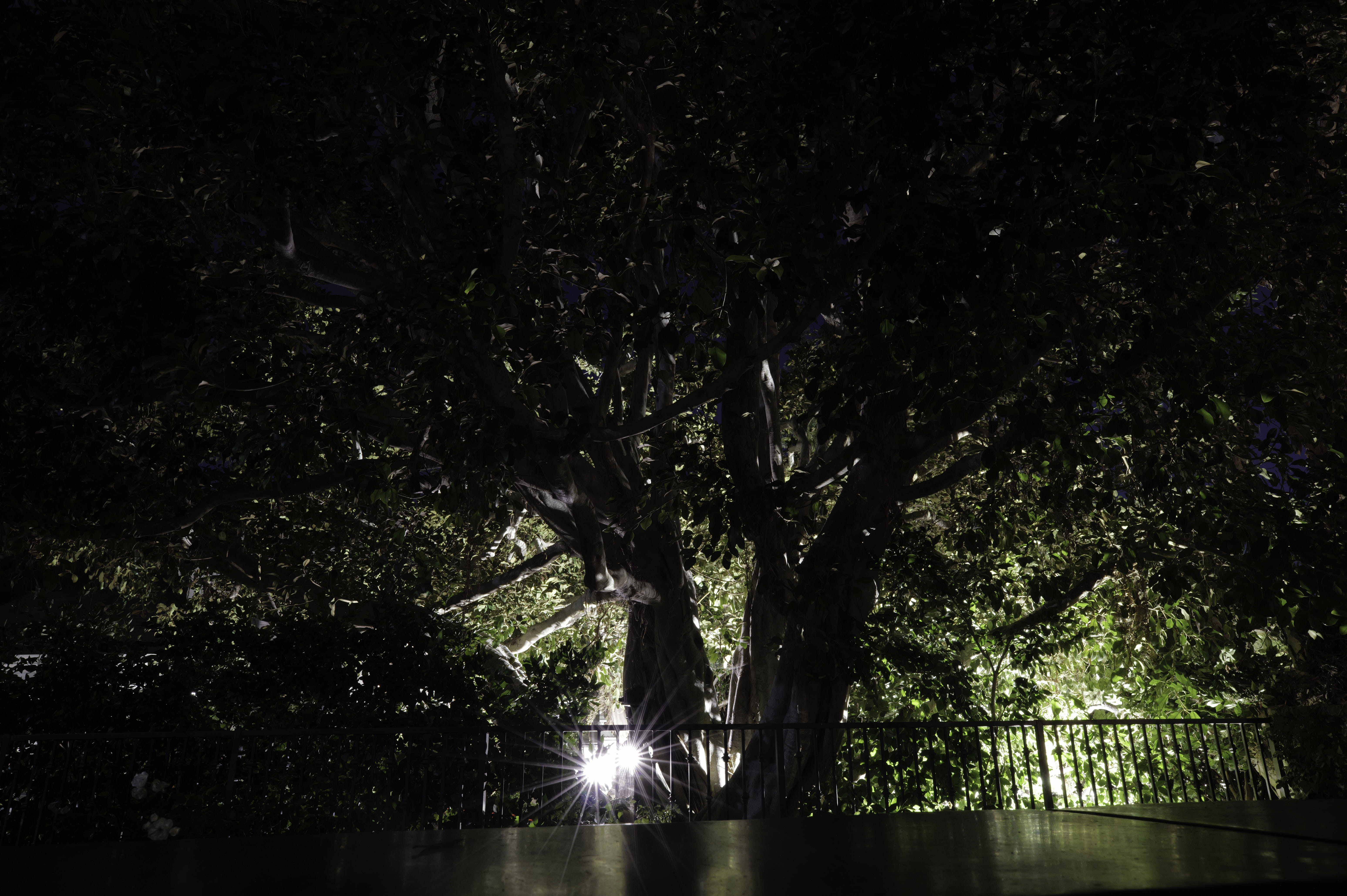
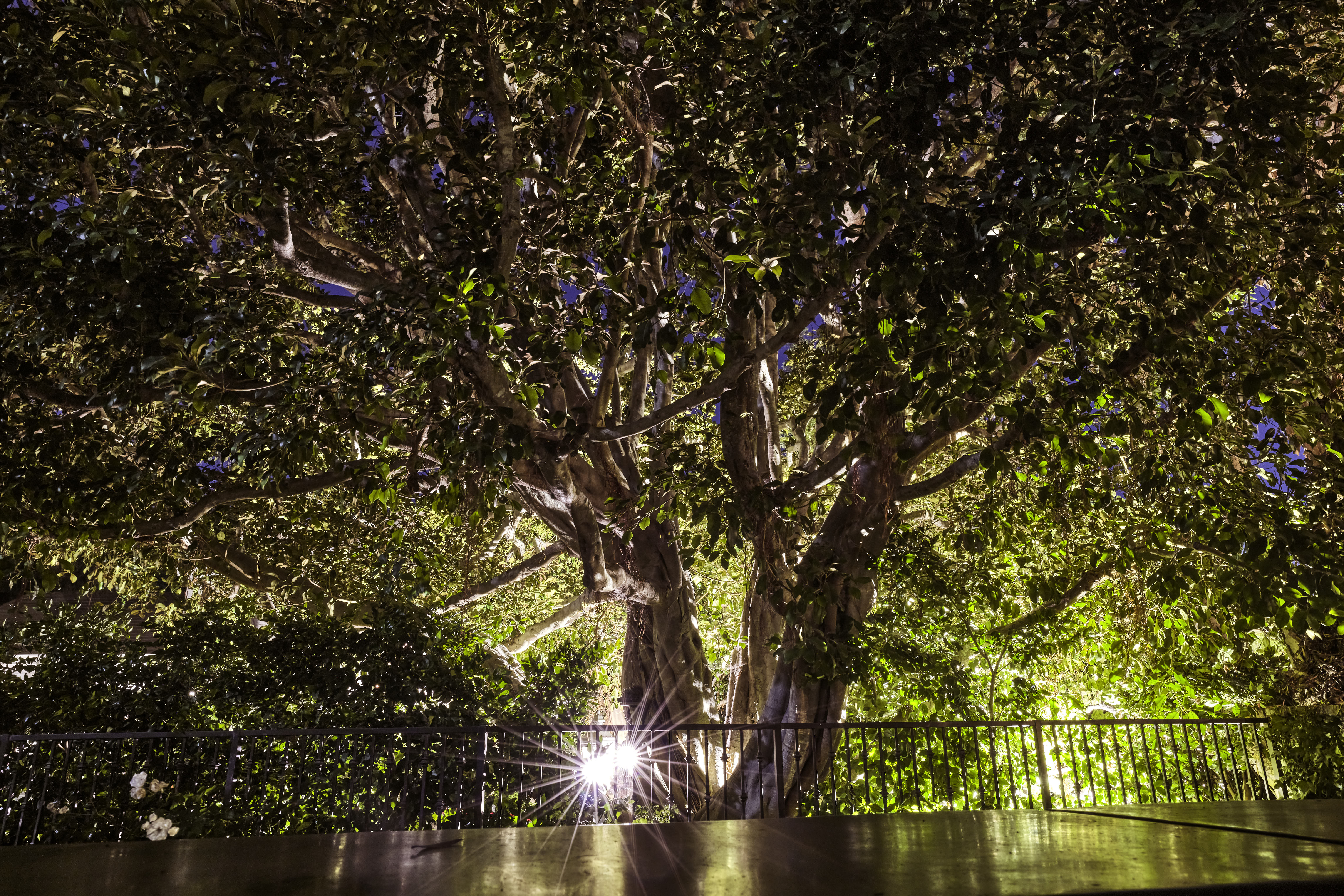
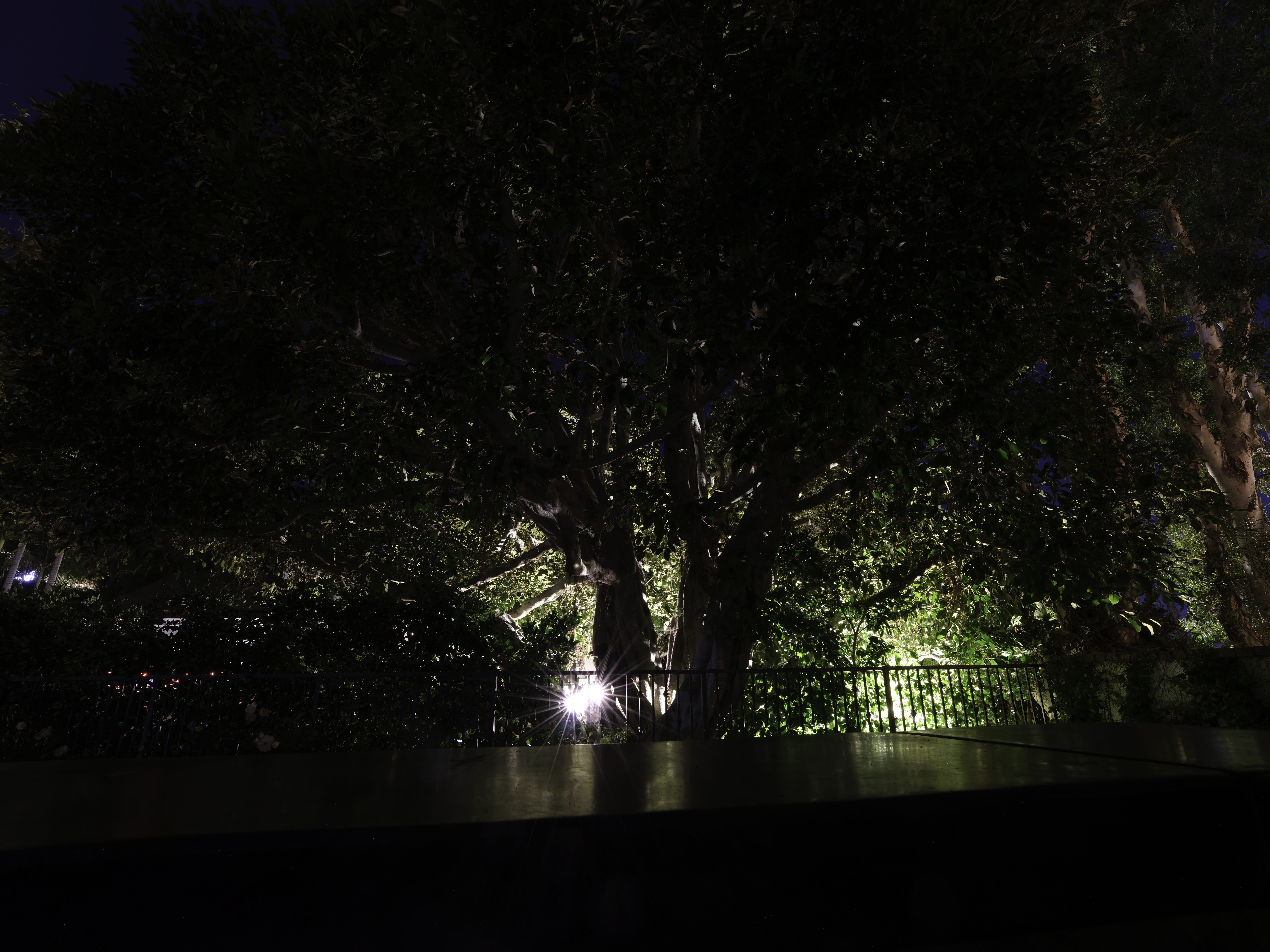
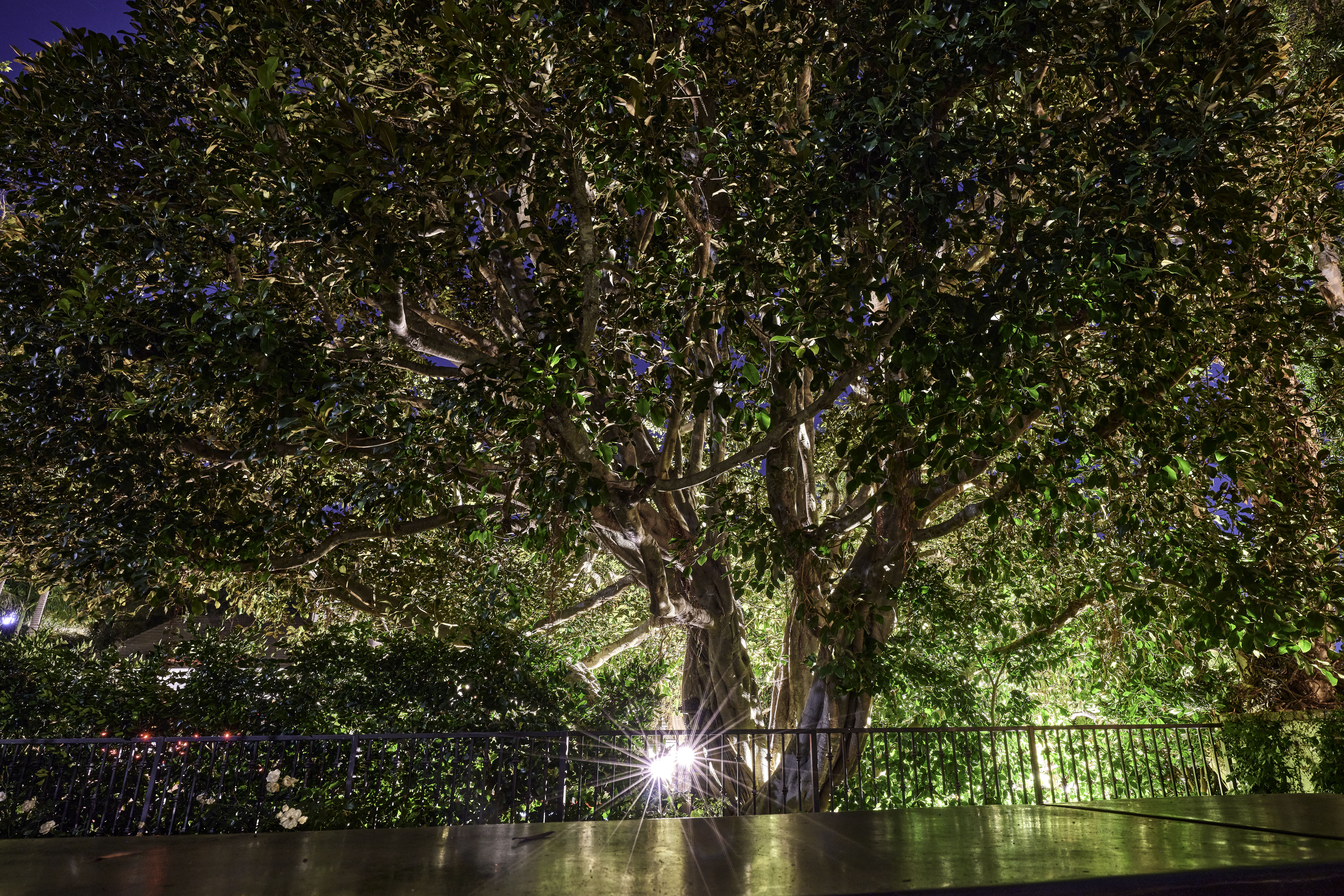
Here are the images, OOC JPGs and Edited JPGs, happy to send RAWs to anyone that might be interested.
Thanks
Rod
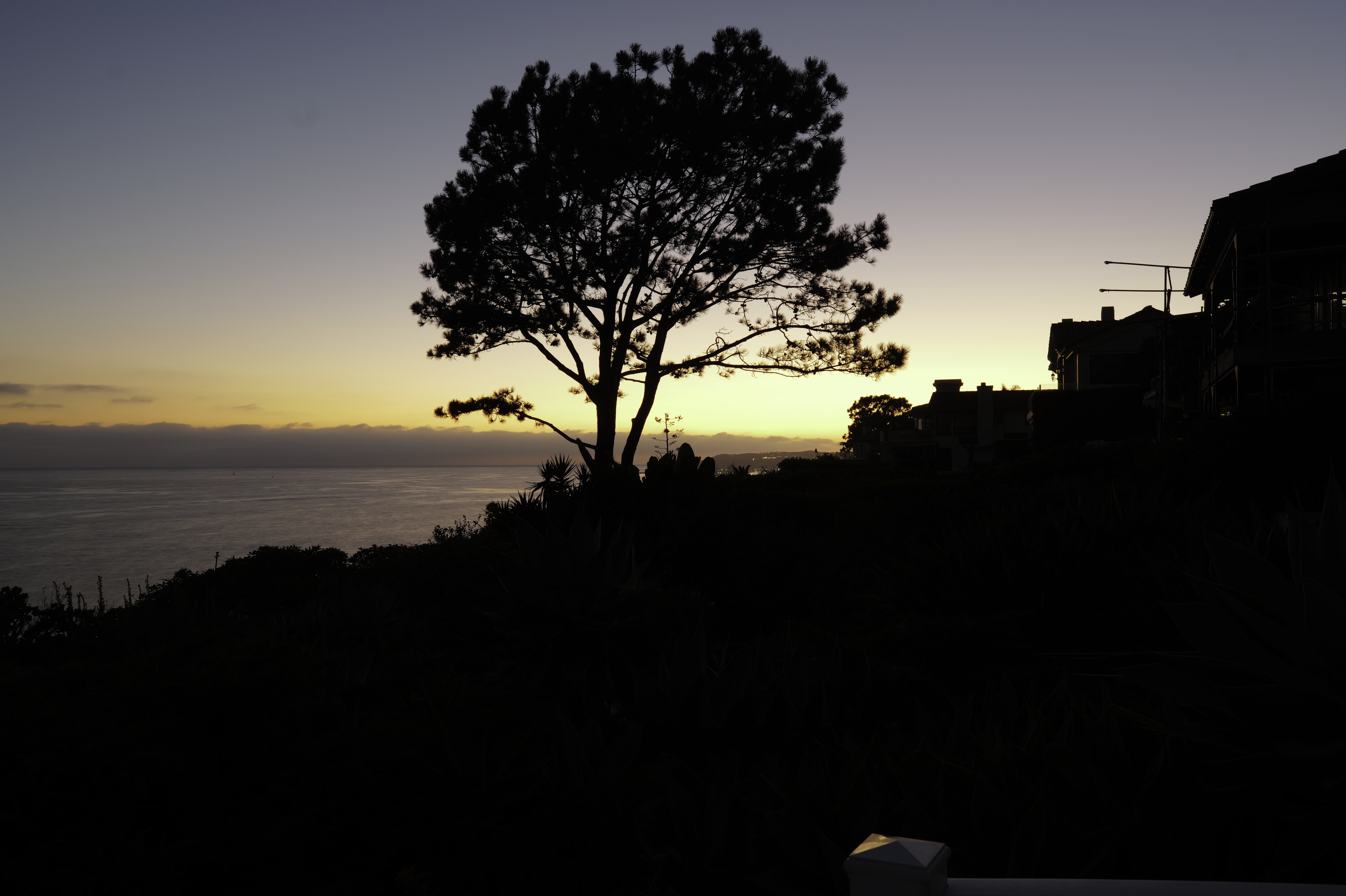
LEICA SL3 EF16-35mm f/2.8L III USM lens 27mm f/11.0 6s 100 ISO +0.3 EV
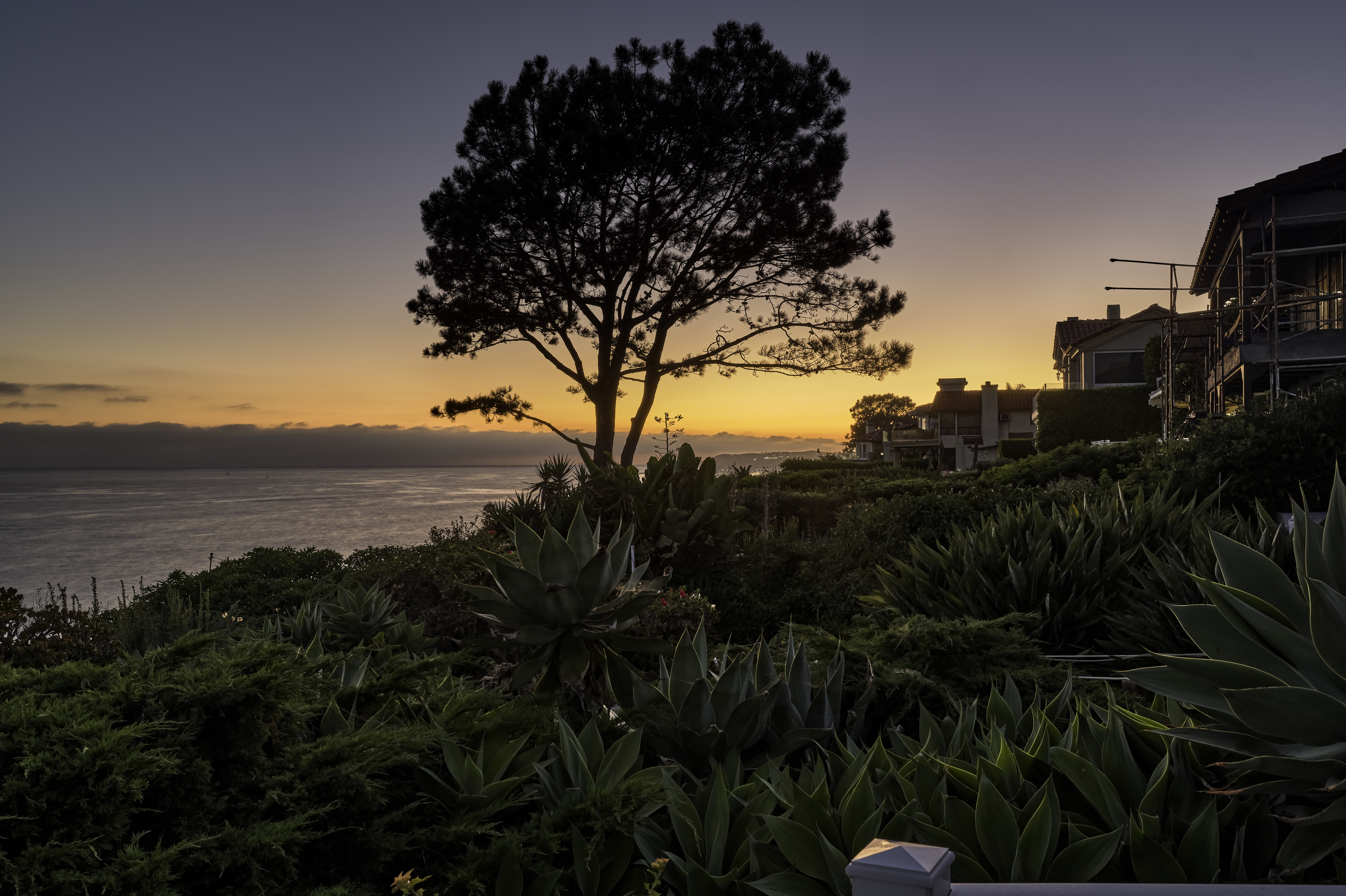
LEICA SL3 EF16-35mm f/2.8L III USM lens 27mm f/11.0 6s 100 ISO +0.3 EV
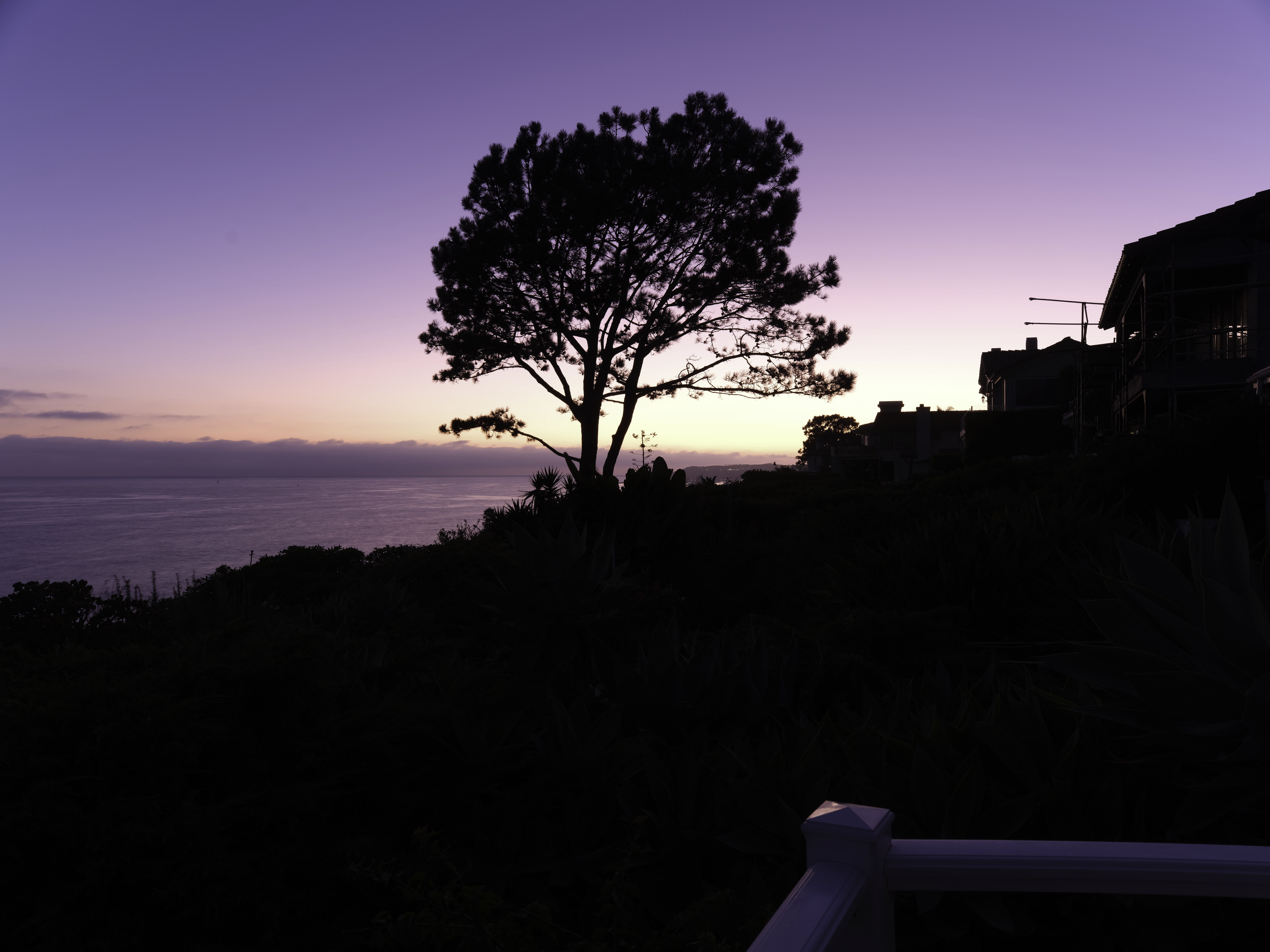
GFX100S Canon EF 16-35mm f/2.8L III USM lens 29mm f/14.0 4s 100 ISO -0.3 EV
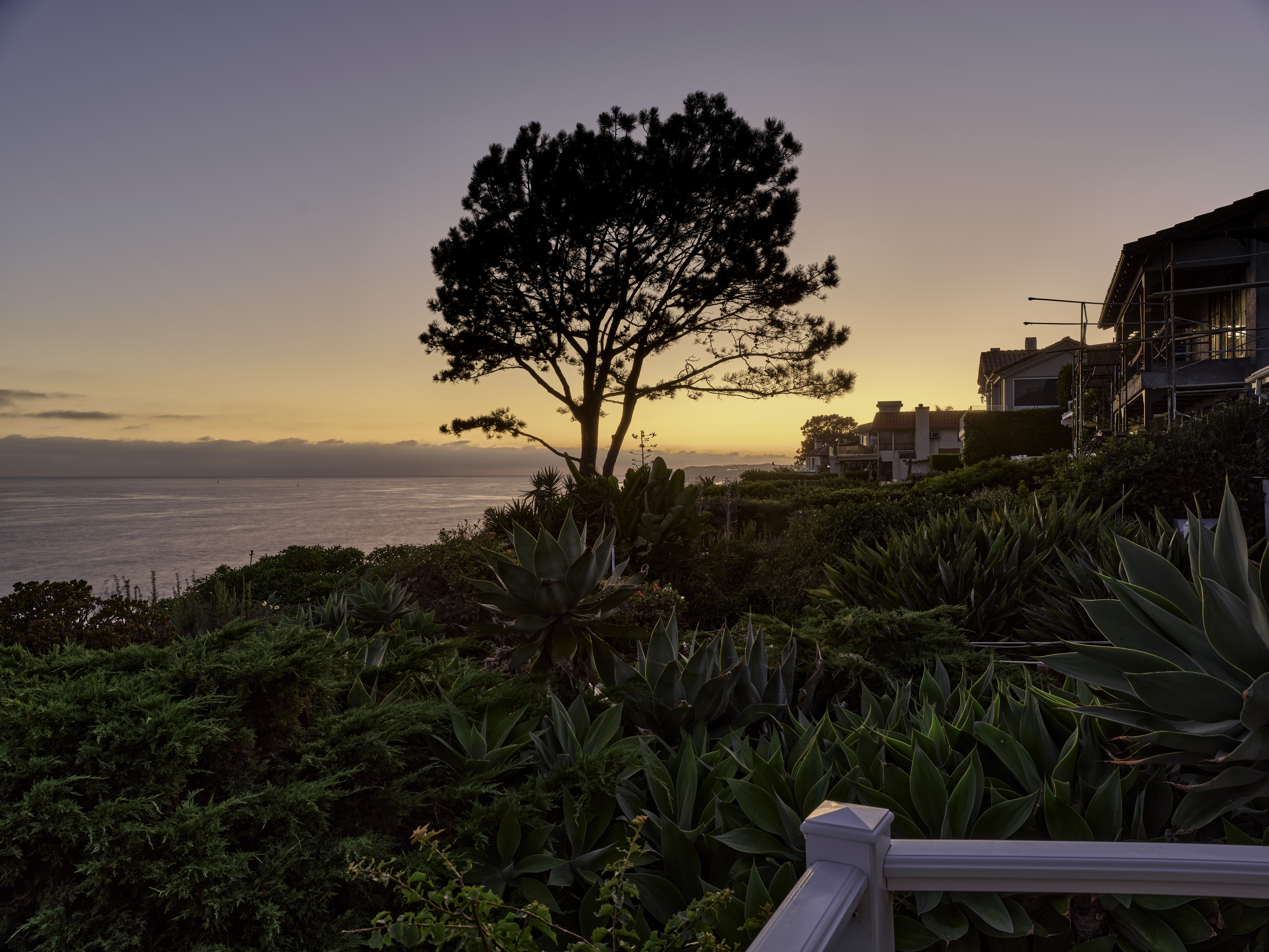
GFX100S Canon EF 16-35mm f/2.8L III USM lens 29mm f/14.0 4s 100 ISO -0.3 EV
|