There are about 15,000 widows in Vrindavan, which is renowned as the city where Lord Krishna is said to have spent much of his early years. These widows come to the city from all parts of India, looking for solace and because they have no one to care for them. Many become devotees of Lord Krishna. They live in group homes or ashrams specifically designed for them, and which are generally sponsored by the government. I was amazed by their quiet dignity.
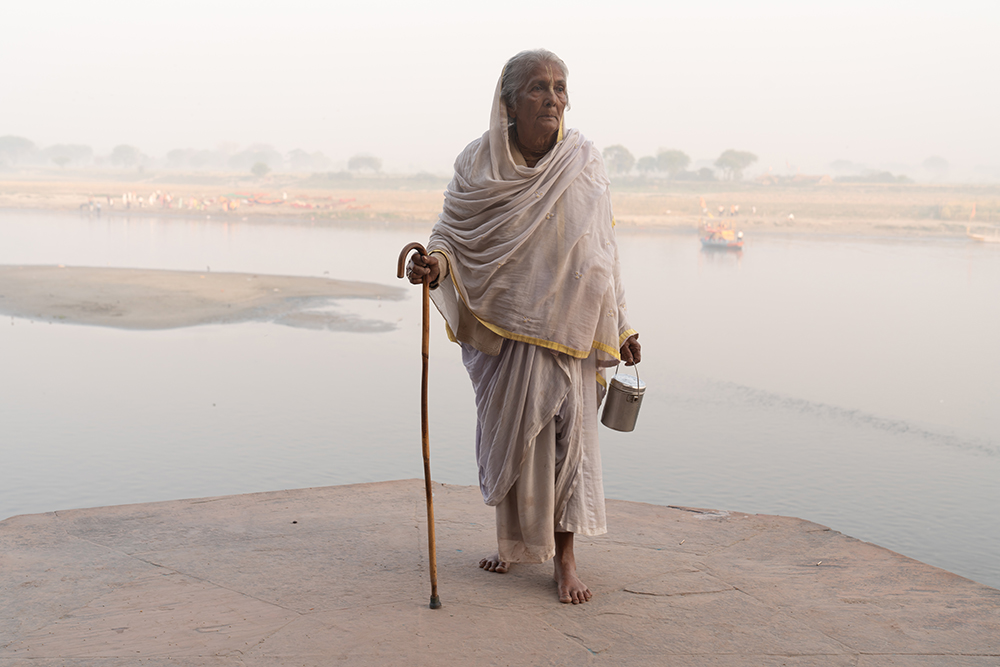
Picture 1: I am pretty sure she is a widow, but she may be a female sadhu as well, although quite elderly to submit to the privations inherent in that role.
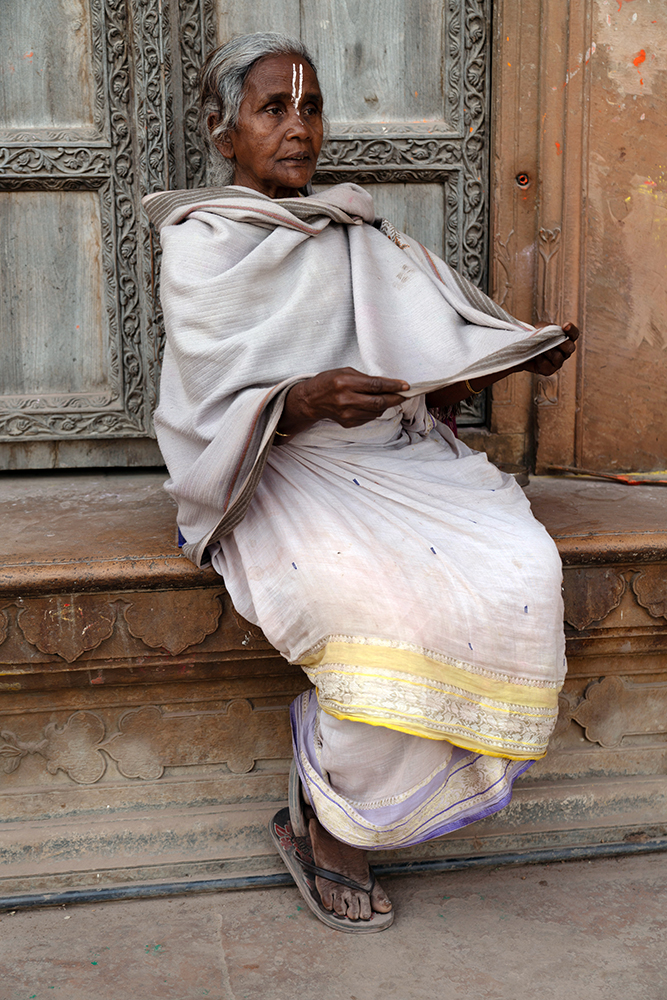
Picture 2: Many of the widows become beggars because it is the only way they can earn any income. However, looks can be deceiving. After I gave this woman some money, she asked me to take off my hat, and she put her hands on my head and gave me blessings. I felt very different the whole day afterwards.
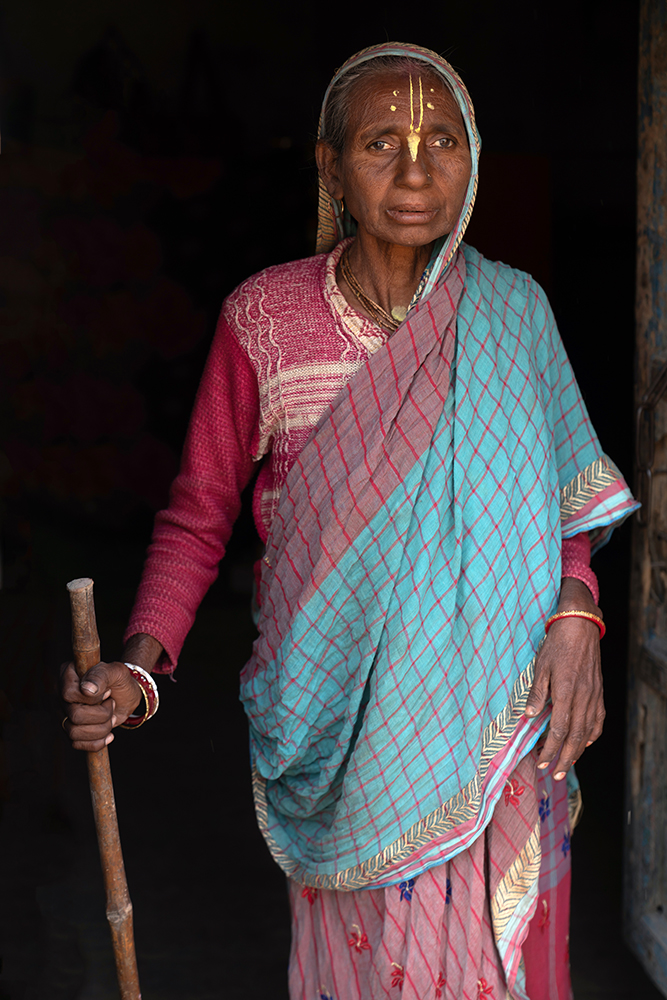
Picture 3: She had the deepest and saddest eyes I have ever witnessed. Yet there was a lot of love in her heart.
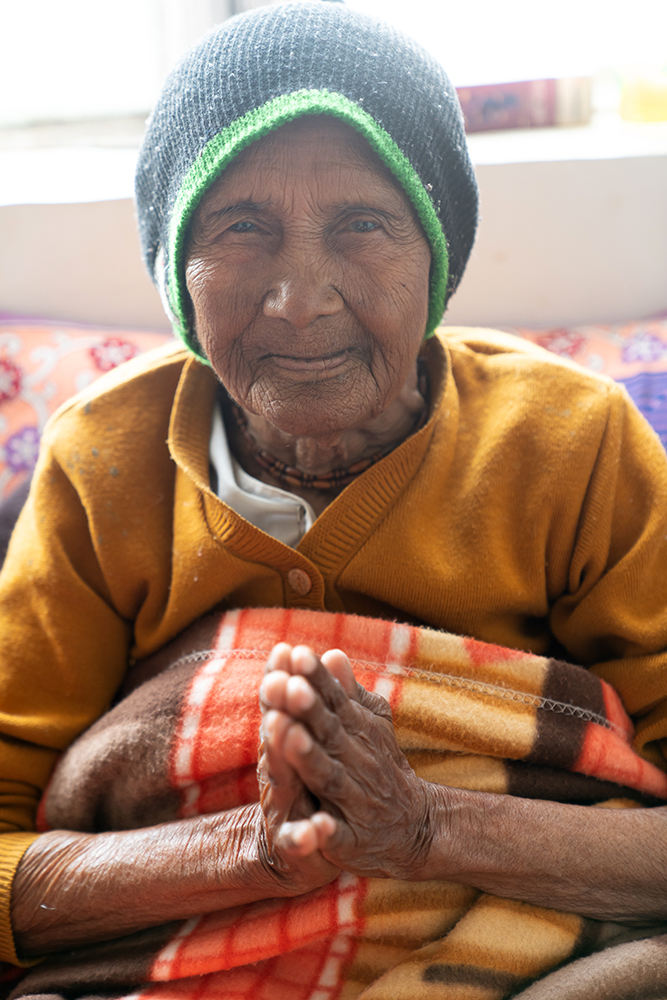
Picture 4: A 106 year old widow who had spent decades in the "widow's ashram". She seemed very peaceful and dignified.
There is so much character shown in these women's faces Charles!
A sad tale to be sure but faith has brought them together! If I remember my history of India correctly, did not Lord Krishna die before his wife?
Well done and reverant!
Dan
Danpbphoto wrote:
There is so much character shown in these women's faces Charles!
A sad tale to be sure but faith has brought them together! If I remember my history of India correctly, did not Lord Krishna die before his wife?
Well done and reverant!
Dan
Thanks, Dan. I think Lord Krishna had many wives, some of which survived his death. Although Rukmini, Lord Krishna's spouse, killed herself by jumping into his pyre. Many of the stories about Lord Krishna are meant as metaphors for one's spiritual journey. I am not sure how literally they should be taken.
charley5 wrote:
Thanks, Dan. I think Lord Krishna had many wives, some of which survived his death. Although Rukmini, Lord Krishna's spouse, killed herself by jumping into his pyre. Many of the stories about Lord Krishna are meant as metaphors for one's spiritual journey. I am not sure how literally they should be taken.
-Charles
Thanks for the expanded explanation Charles.
I have found in my college history studies that many religions have underlying metaphors for the "afterlife". It is the "journey" that is meant to be an awakening! A path for the person to be chosen!
Thanks!
Dan
Danpbphoto wrote:
Thanks for the expanded explanation Chearles.
I have found in my college history studies that many religions have underlying metaphors for the "afterlife". It is the "journey" that is meant to be an awakening! A path for the person to be chosen!
Thanks!
Dan
Yes, exactly. What I find interesting about Hinduism is that its philosophy is vast and can appeal to many people at different levels. I taught yoga for 25 years, but only when I started living in India did I truly understand its significance.
All of these are wonderful. I really like the first, because it isn't cropped so tight that the context is missing.
charley5 wrote:
There are about 15,000 widows in Vrindavan, which is renowned as the city where Lord Krishna is said to have spent much of his early years. These widows come to the city from all parts of India, looking for solace and because they have no one to care for them. Many become devotees of Lord Krishna. They live in group homes or ashrams specifically designed for them, and which are generally sponsored by the government. I was amazed by their quiet dignity.
Picture 1: I am pretty sure she is a widow, but she may be a female sadhu as well, although quite elderly to submit to the privations inherent in that role.
Picture 2: Many of the widows become beggars because it is the only way they can earn any income. However, looks can be deceiving. After I gave this woman some money, she asked me to take off my hat, and she put her hands on my head and gave me blessings. I felt very different the whole day afterwards.
Picture 3: She had the deepest and saddest eyes I have ever witnessed. Yet there was a lot of love in her heart.
Picture 4: A 106 year old widow who had spent decades in the "widow's ashram". She seemed very peaceful and dignified.
story_teller wrote:
I keep going back to the first image. It’s a classic that reminds me of the older Nat Geo articles. Well done on the entire series!
Thanks so much. Yes, the background in the first shot really brings out the sacred and ethereal quality of Vrindavan. There is also a kind of peacefulness in the expression of the woman, which adds an extra dimension.