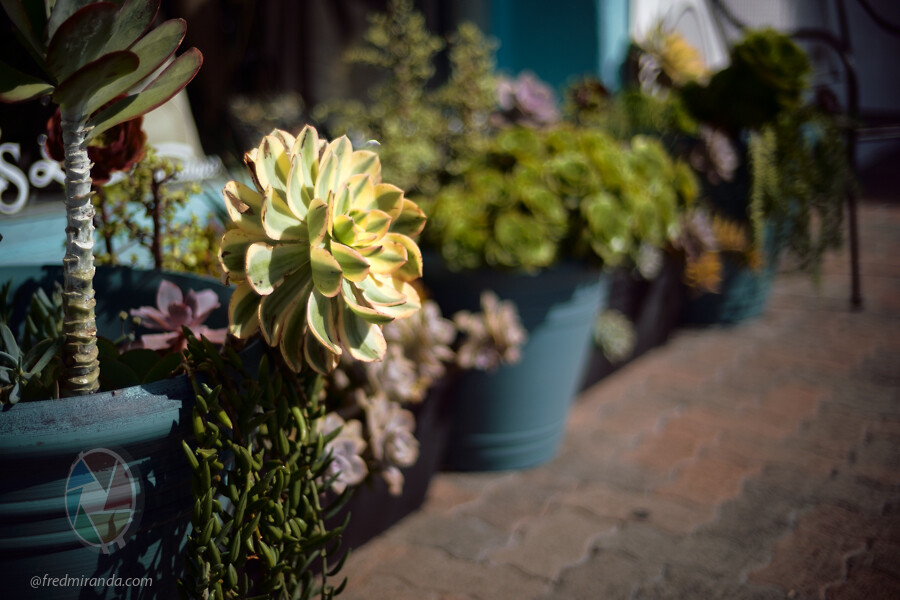
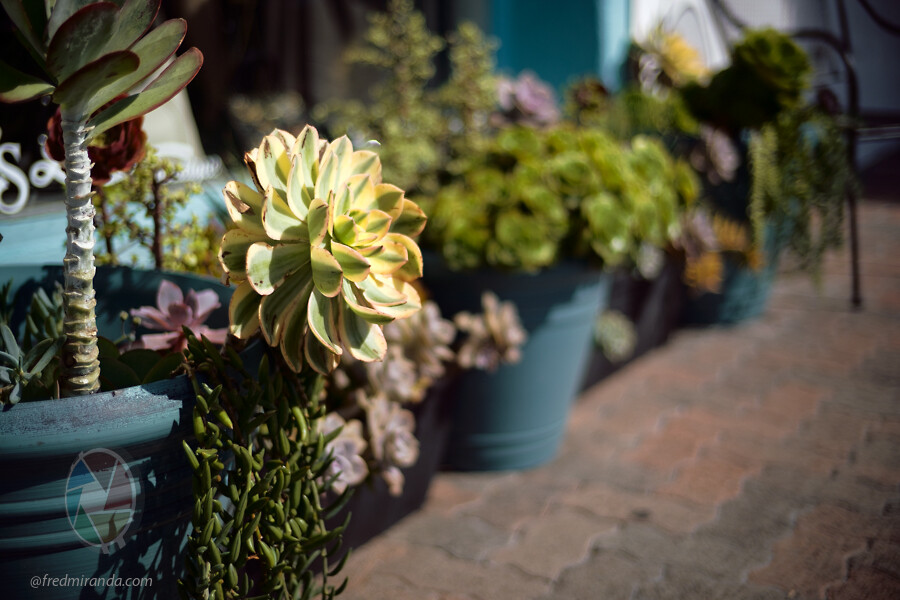
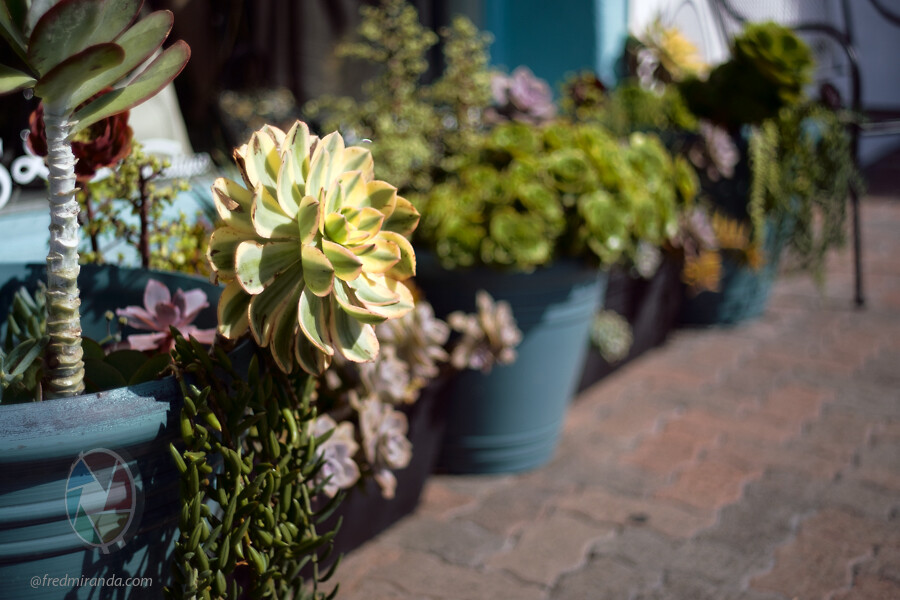
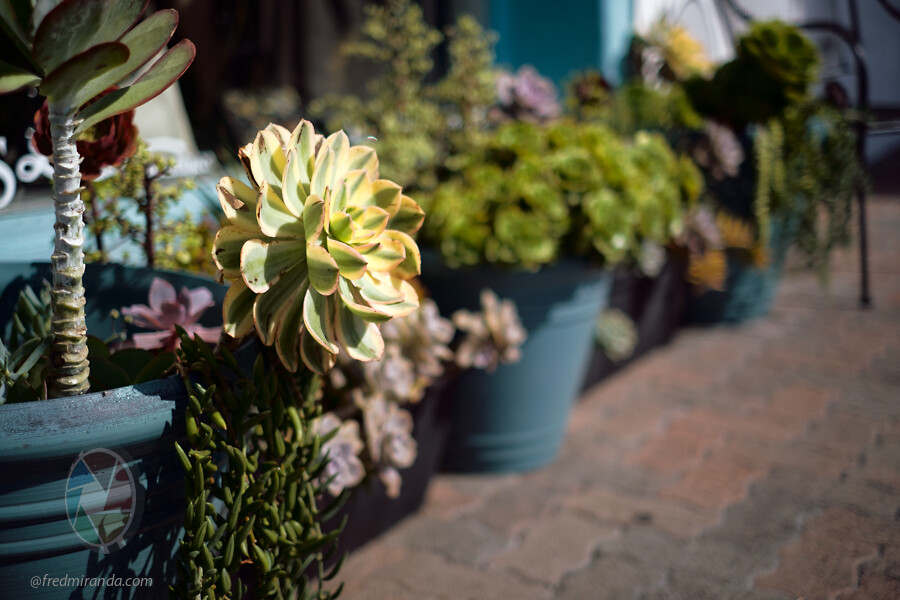
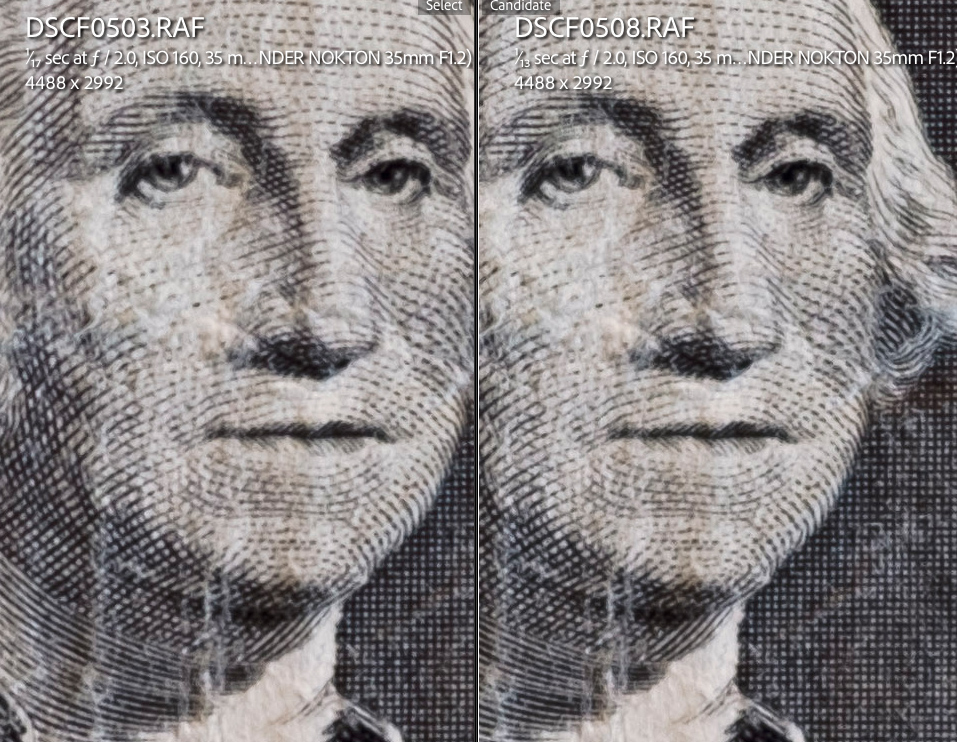
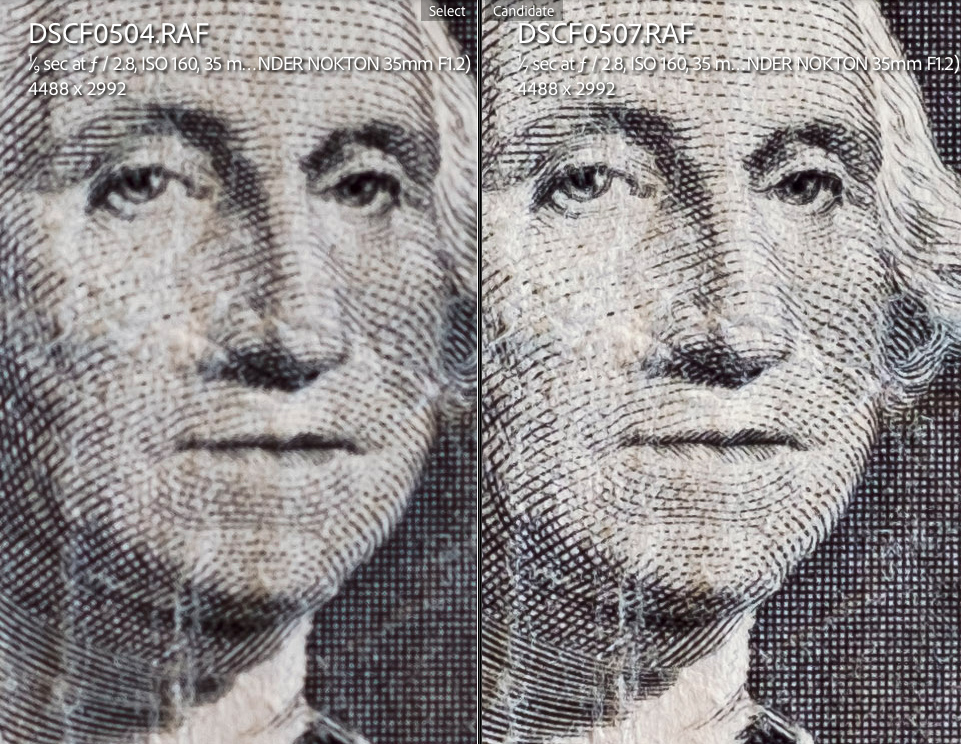
The 100% crop images below show a comparison between aperture settings of f/2, f/2.8, and f/4. The left side displays the results without refocusing, while the right side shows the results with refocusing at each aperture.
There's a significant focus shift that's quite noticeable with this lens. Therefore, it's advisable to always focus at the aperture you intend to use.
f/2 (slight focus shift)
f/2.8: There's a substantial improvement when refocusing at f/2.8, as seen in the right image.
f/4: There's a substantial improvement when refocusing at f/4, as seen in the right image.
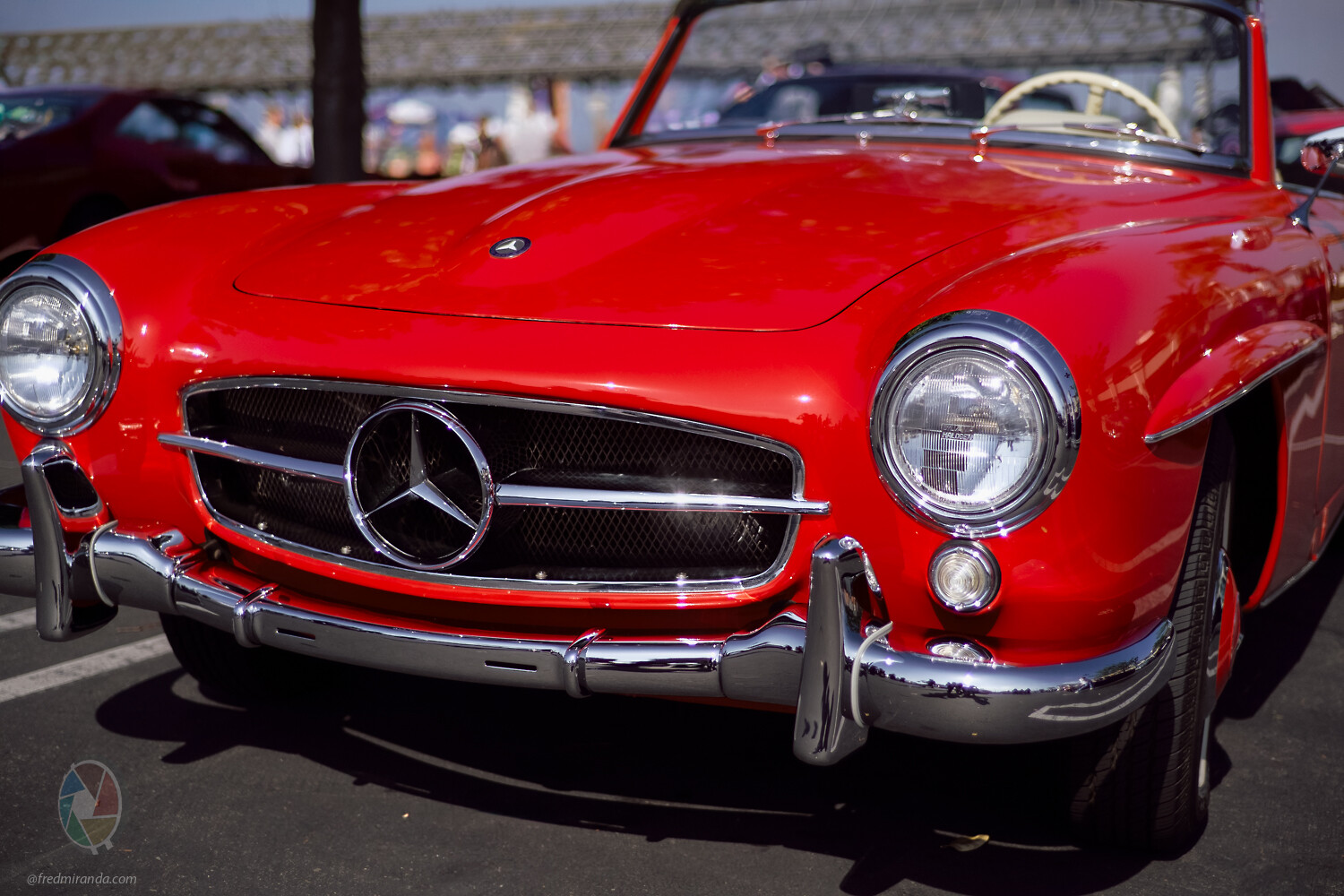
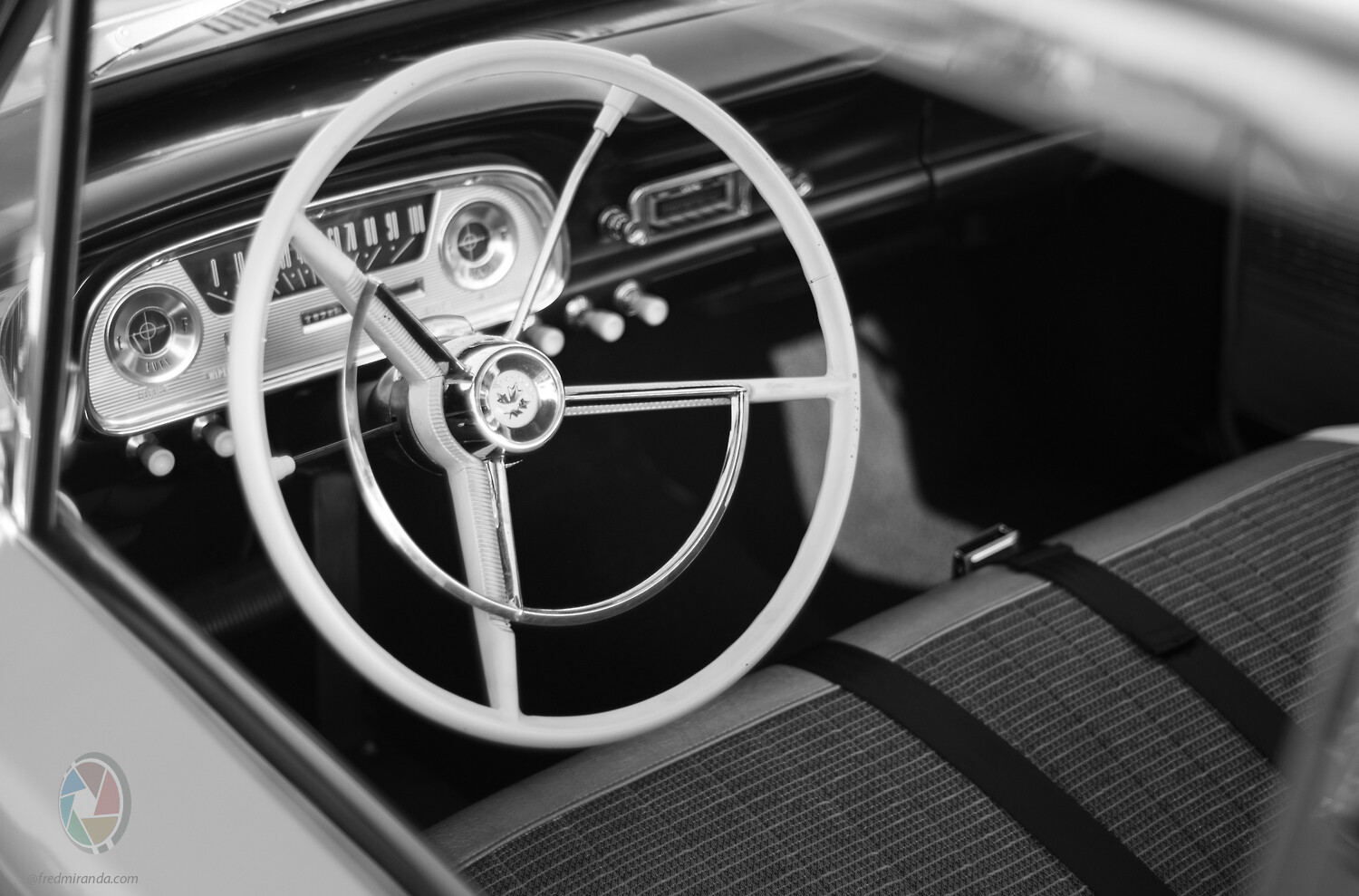
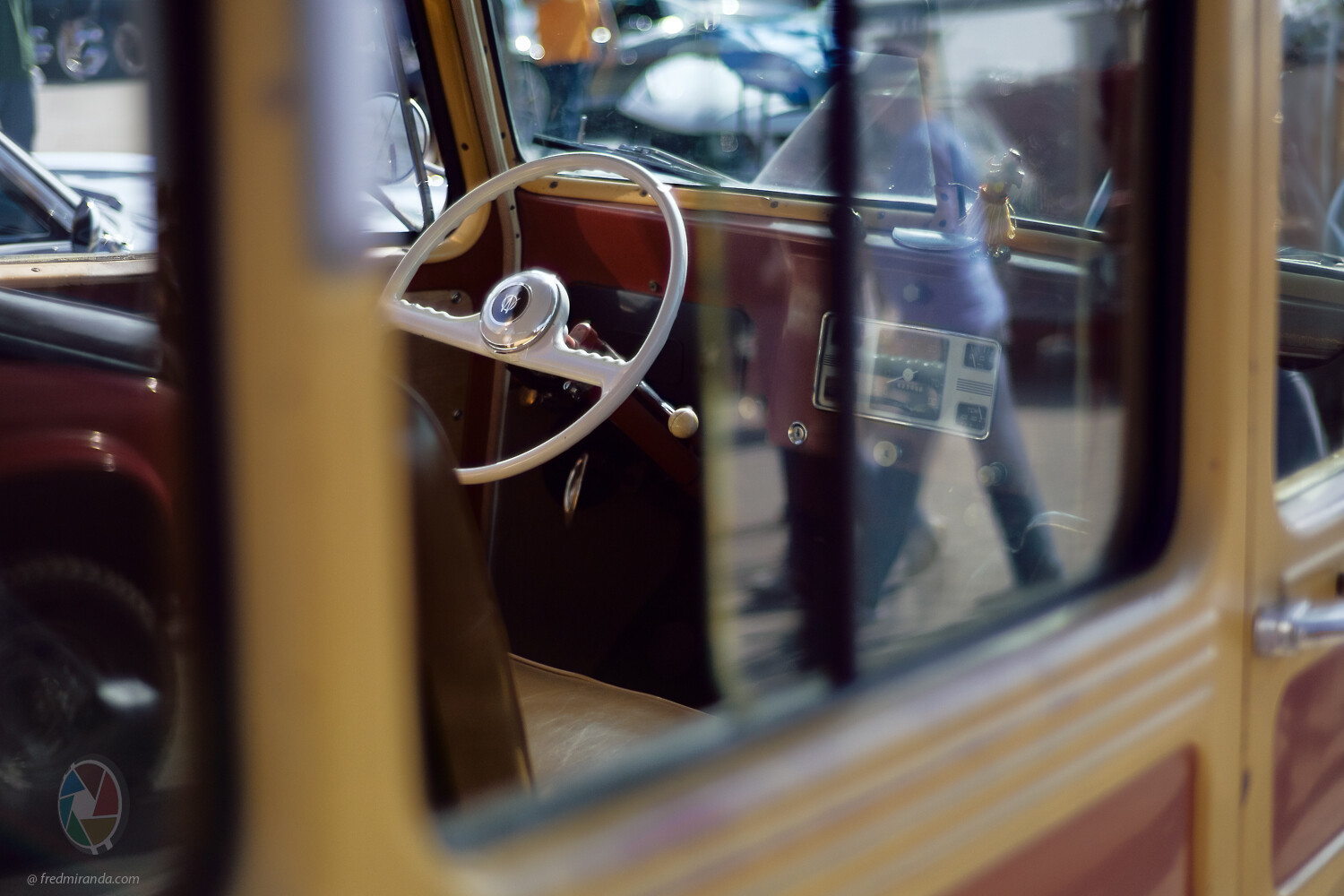
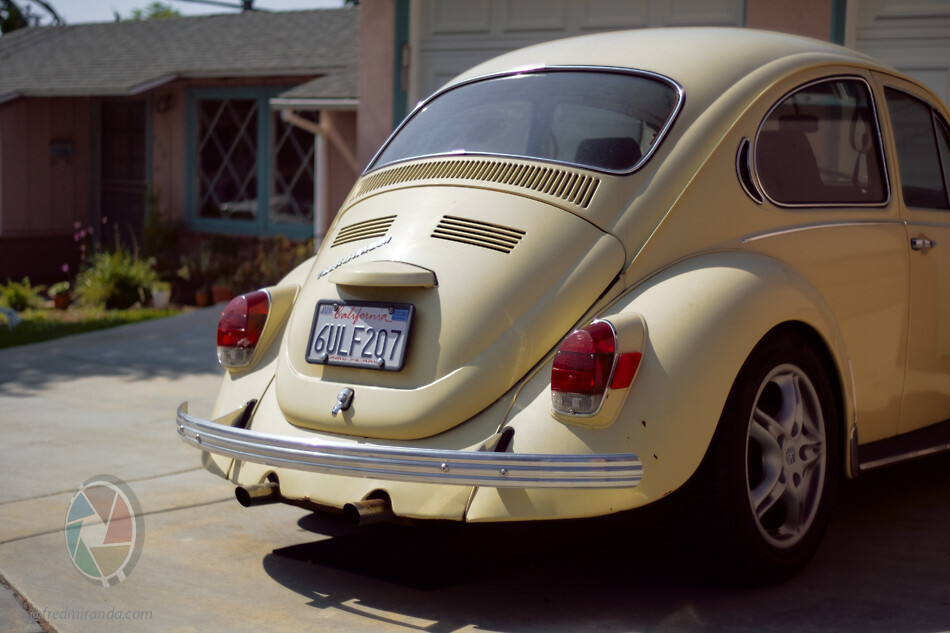
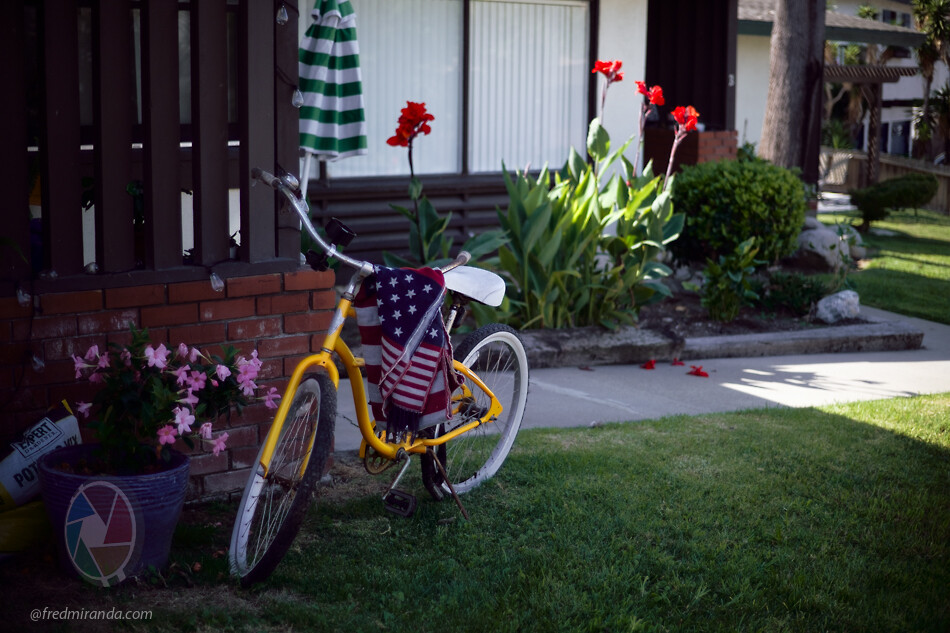
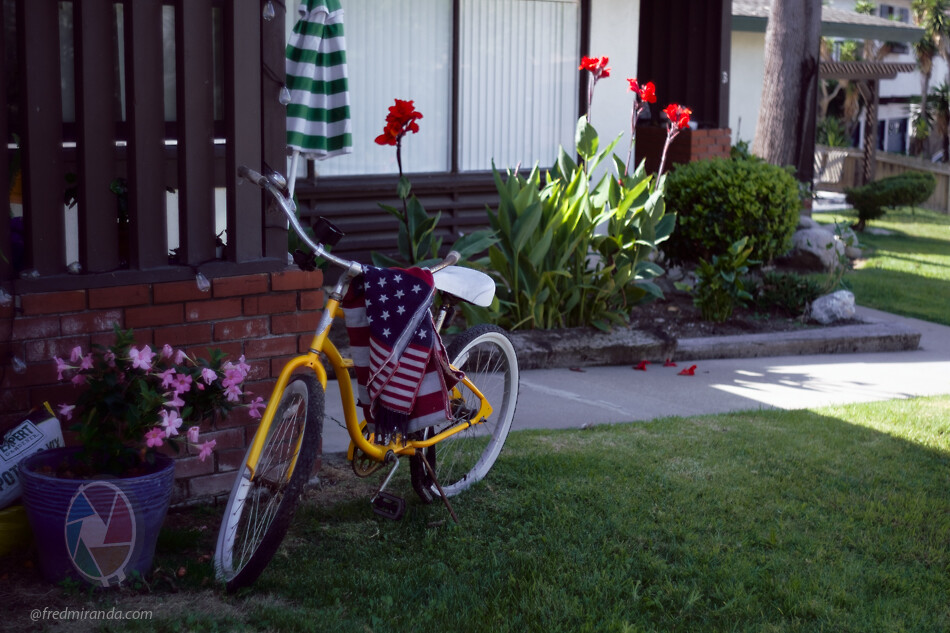
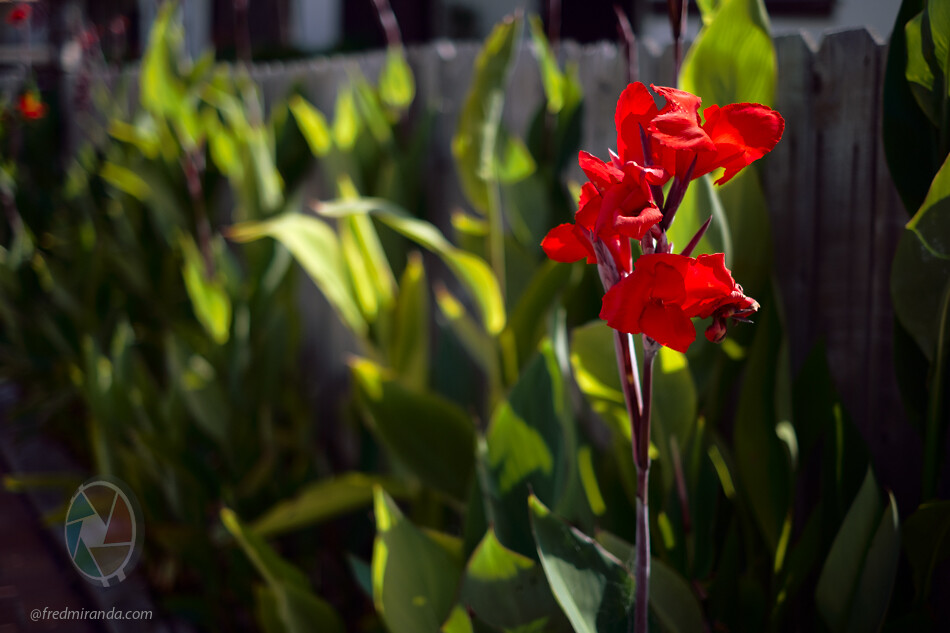
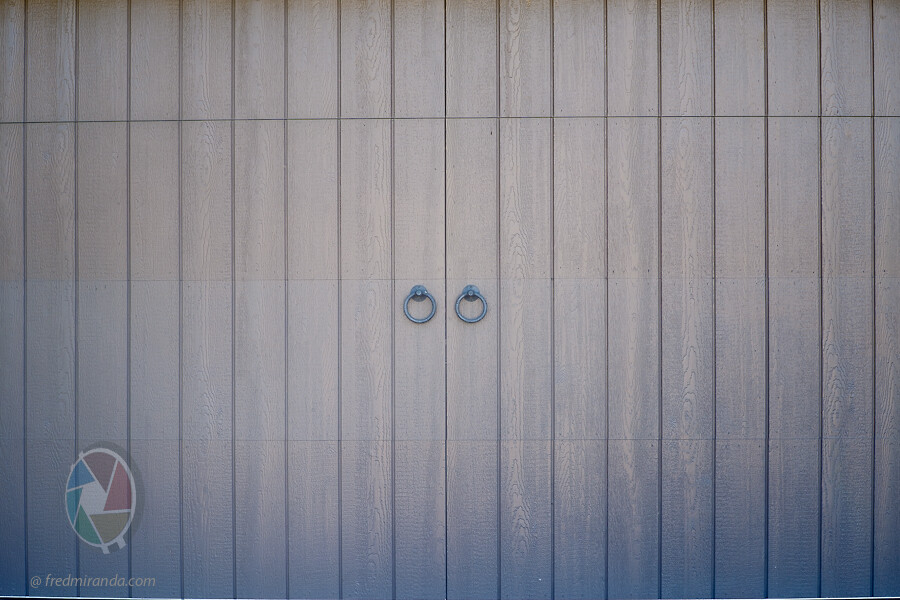
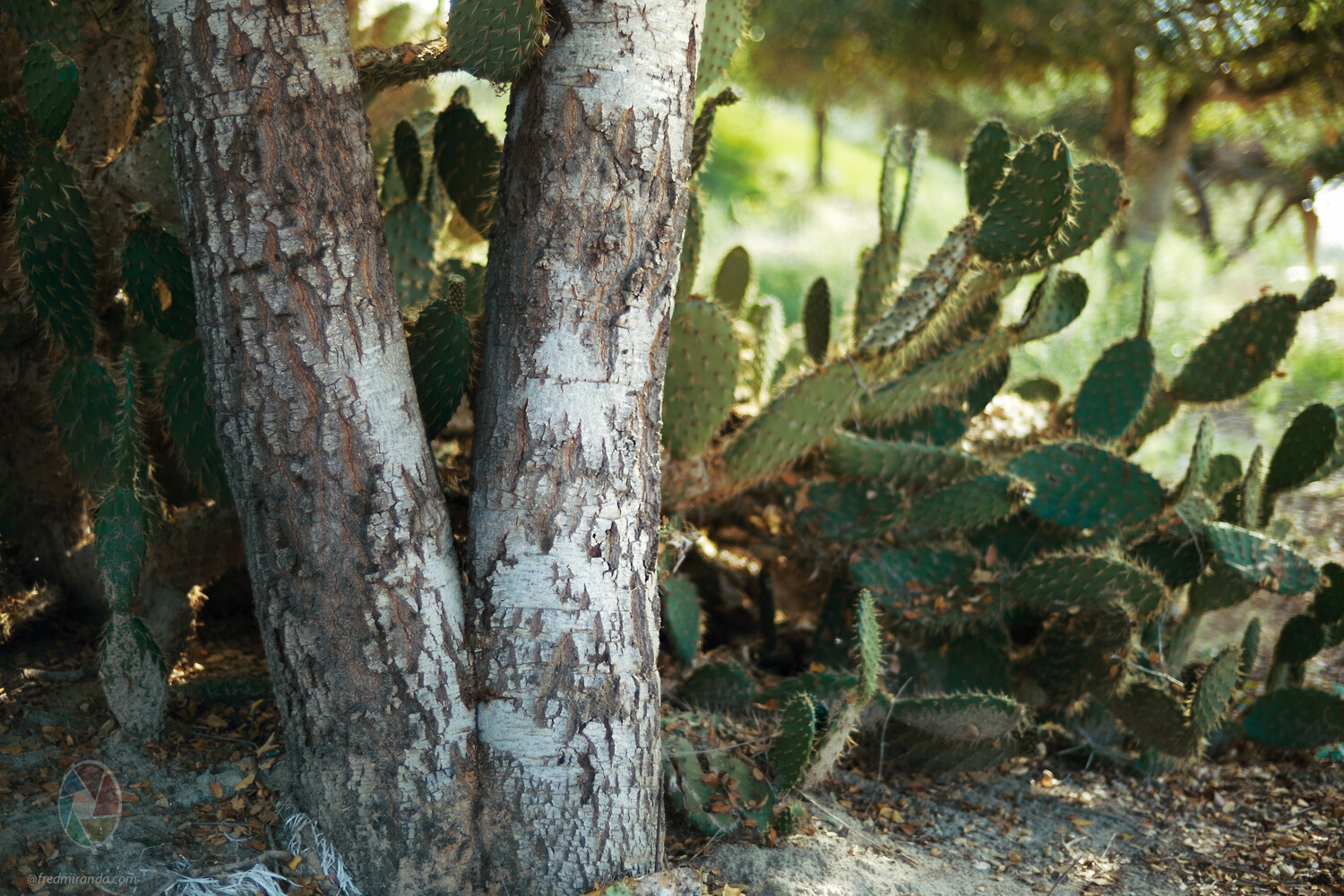
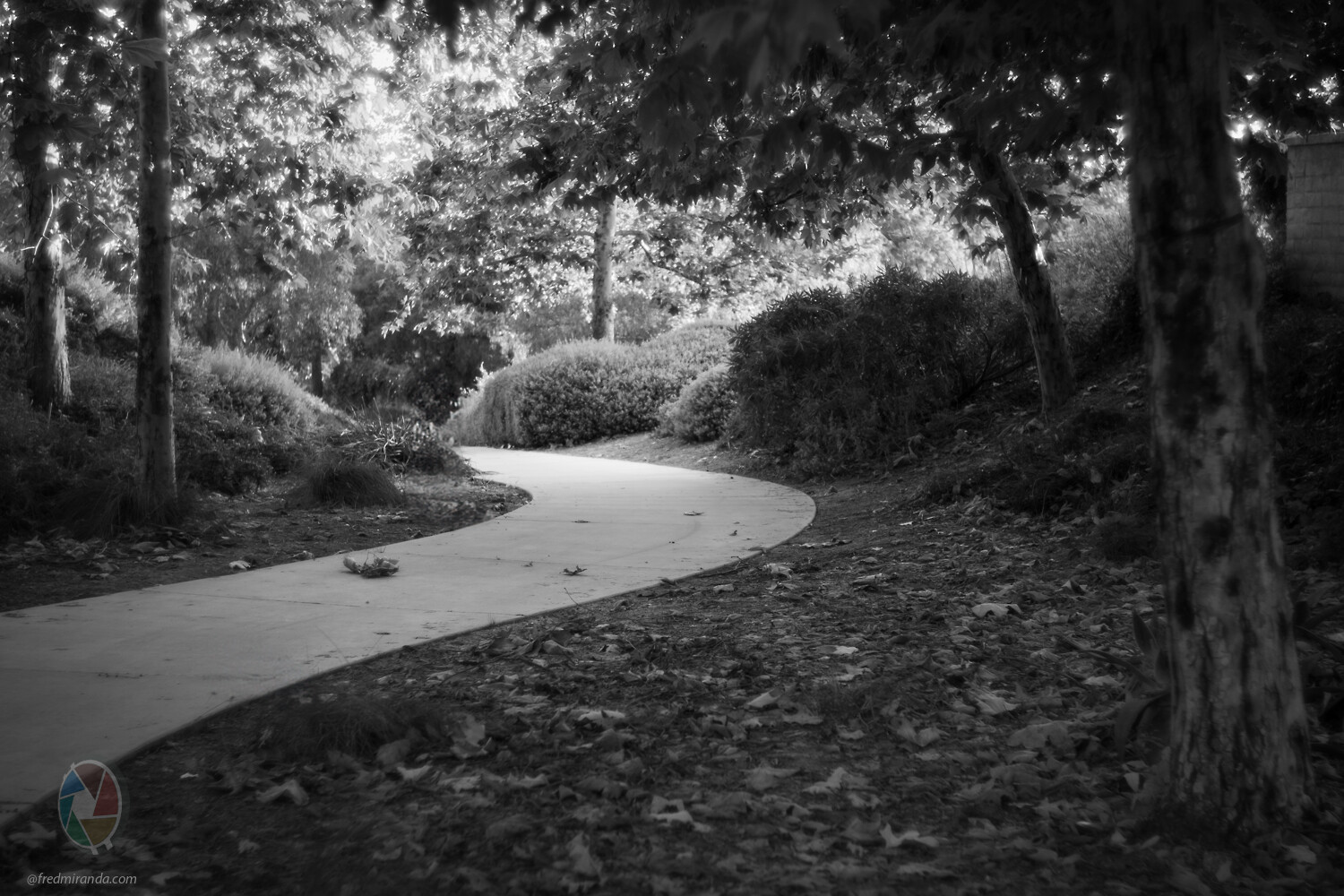
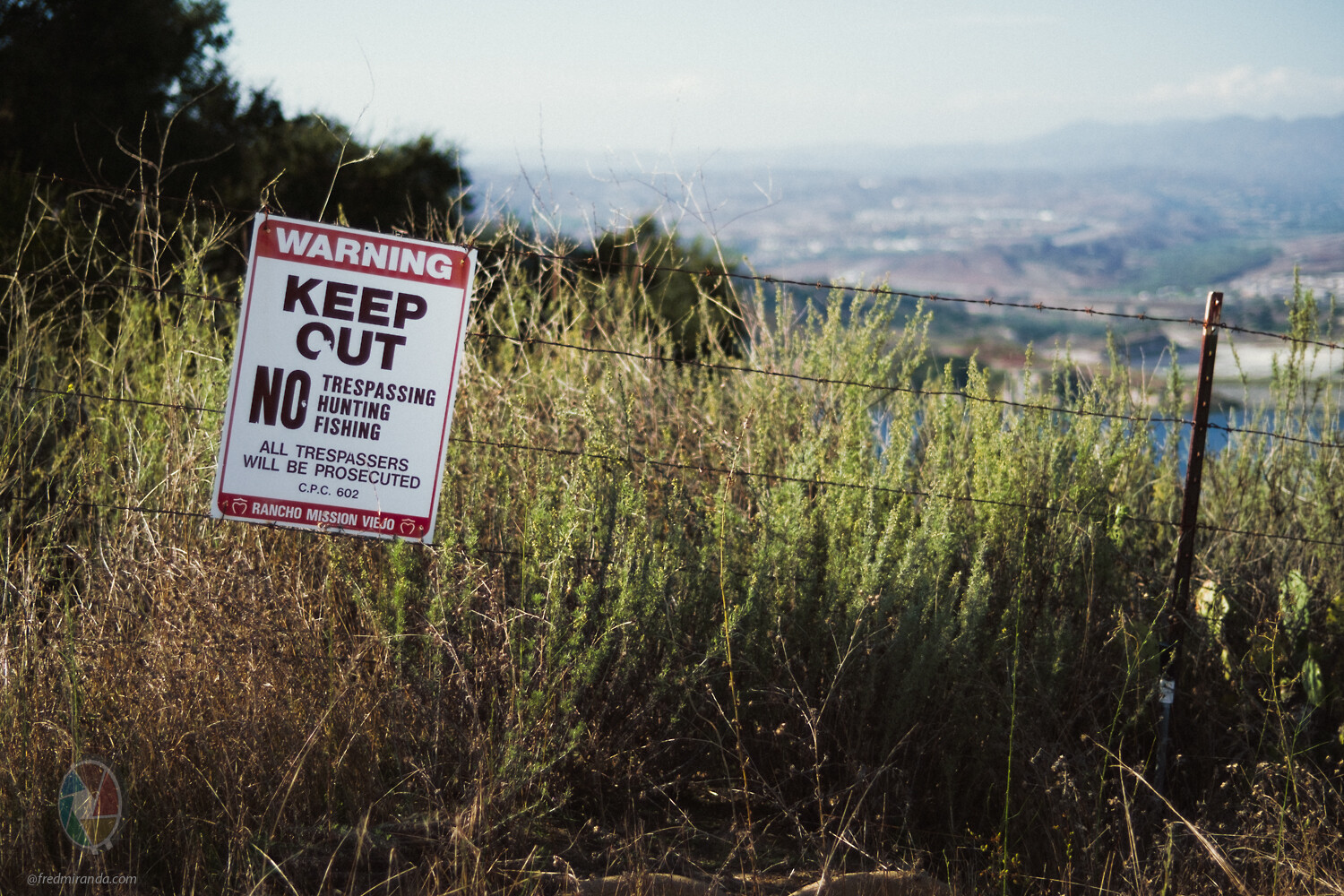
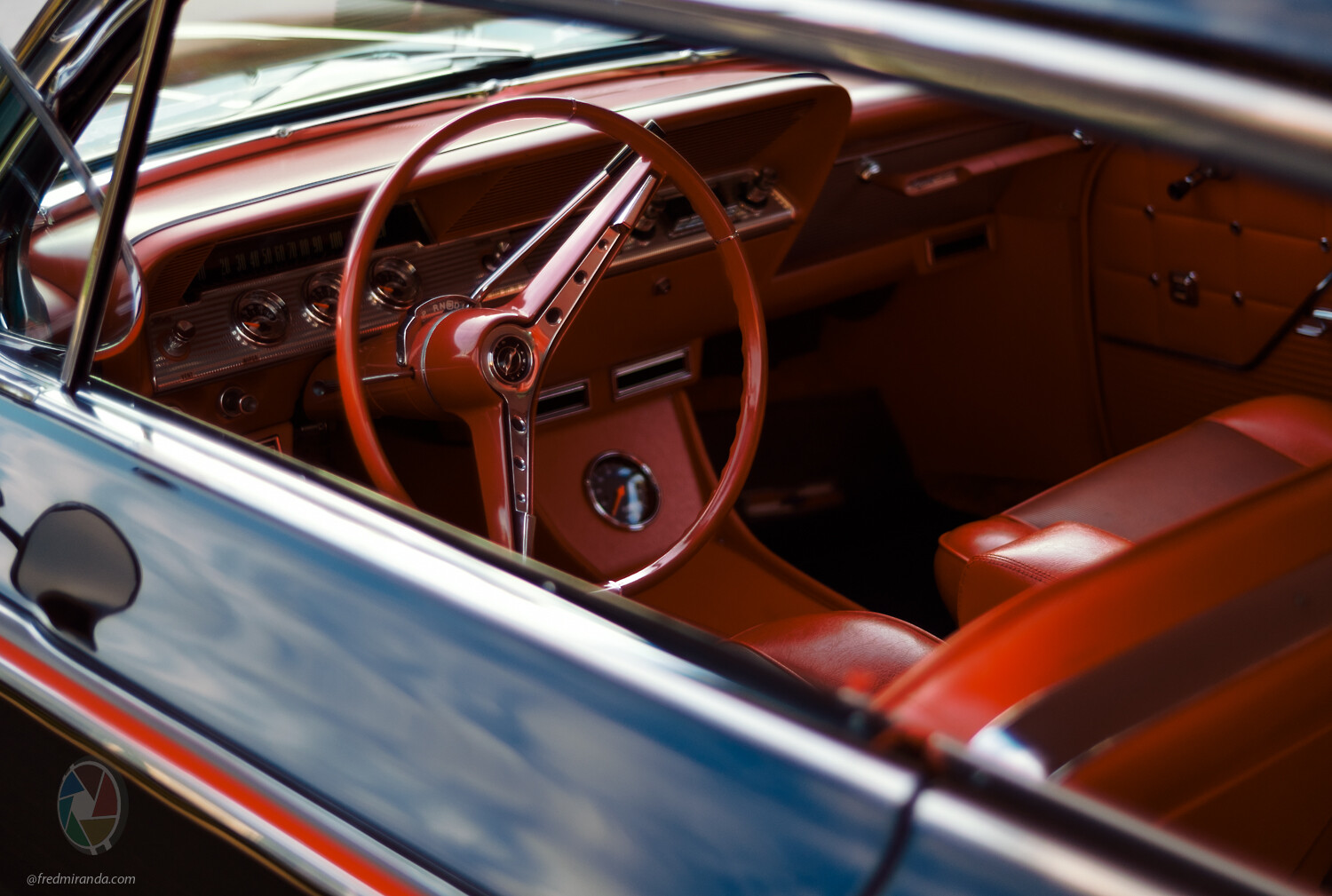
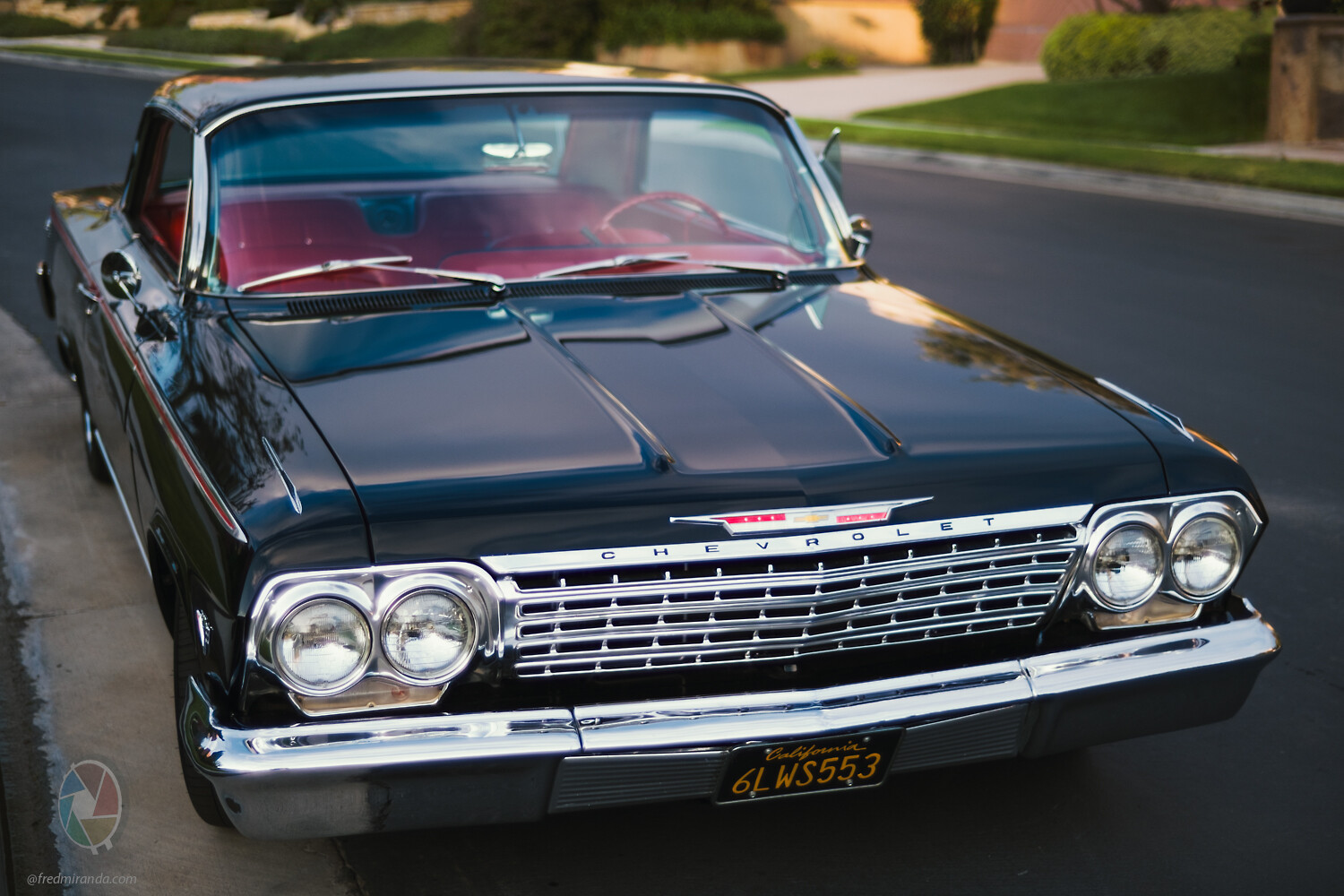
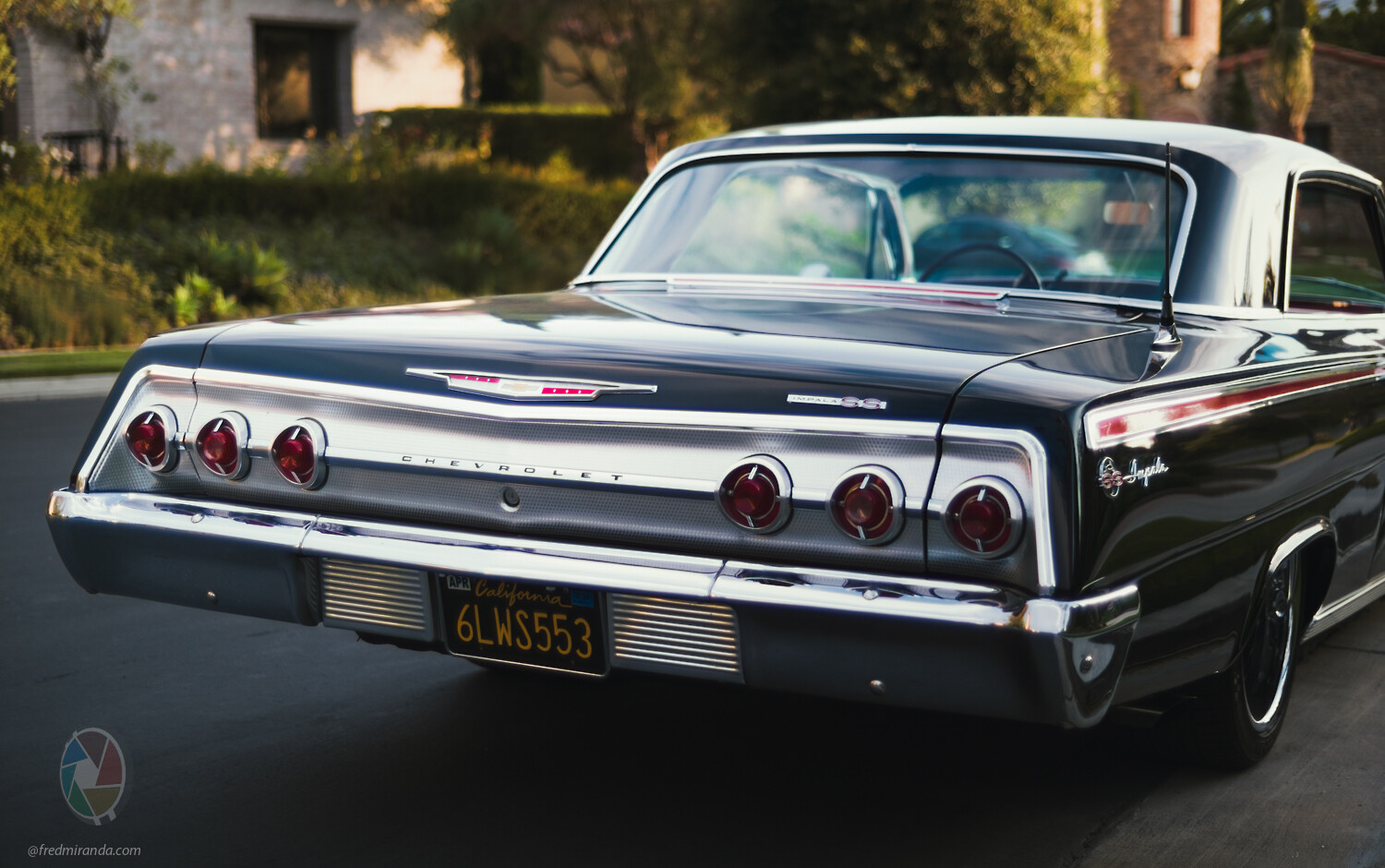
I really enjoy using Fujifilm film simulations and the capability to create my custom recipes. It's one of the appealing features Fujifilm provides. Here, I employed a Kodak Ektar 100 recipe I discovered with some adjustments of my own. Some of the images have the Portra 800 simulation. The Voigtlander 35mm f/1.2 Nokton's rendering has remarkable character.
X-E4VOIGTLANDER NOKTON 35mm F1.2 lens35mmf/1.21/1000s160 ISO-0.3 EV
X-E4VOIGTLANDER NOKTON 35MM F1.2 lens35mmf/1.41/150s160 ISO-0.7 EV
X-E4VOIGTLANDER NOKTON 35mm F1.2 lens35mmf/1.21/10500s160 ISO-0.3 EV
X-E4VOIGTLANDER NOKTON 35mm F1.2 lens35mmf/1.21/800s160 ISO-0.7 EV
X-E4VOIGTLANDER NOKTON 35mm F1.2 lens35mmf/1.21/2000s160 ISO-0.7 EV
X-E4VOIGTLANDER NOKTON 35mm F1.2 lens35mmf/1.21/1900s160 ISO-0.7 EV
I do agree, rendering from this lens is just stunning (I think I like it more than from CV 35/0.9)
One of the best I've seen from Fuji X lineup.
Such organic, and vintage like..
Every simple thing photographed from this prime has such 3D pop, that it's immediately catch my attention
I really love seeing the Fujifilm X-mount CV lenses featured here, as they've quickly become my favorites, and I just can't wait for Cosina to make the small and reasonably fast 18 I think a lot of us are waiting for.
Now that the new 50 is out, that would complete my small X kit. And I would hope for a rendering similar to the 35, which I somewhat prefer to the 23/1.2 I also have.
Fred's samples look really lovely, I especially like all the shots in Samples 3 I'm also surely going to add this to my CV X-mount kit next (already have the 23/1.2, 27/2. 35/2, 50/1.2).
I'm also really hoping for an 18mm addition to the CV lineup and I personally wish they'd make it similar to the 27/2 pancake in the way that it could be used at hard infinity for optimal results for long distance shots. I'm pretty sure Cosina will put out some more X-mount lenses next year at least since those have been their best selling lenses in Japan in the last 2 years and they really focused on them this year with 3 new releases in a short time. Something wider than 23mm would make the most sense as the next release.
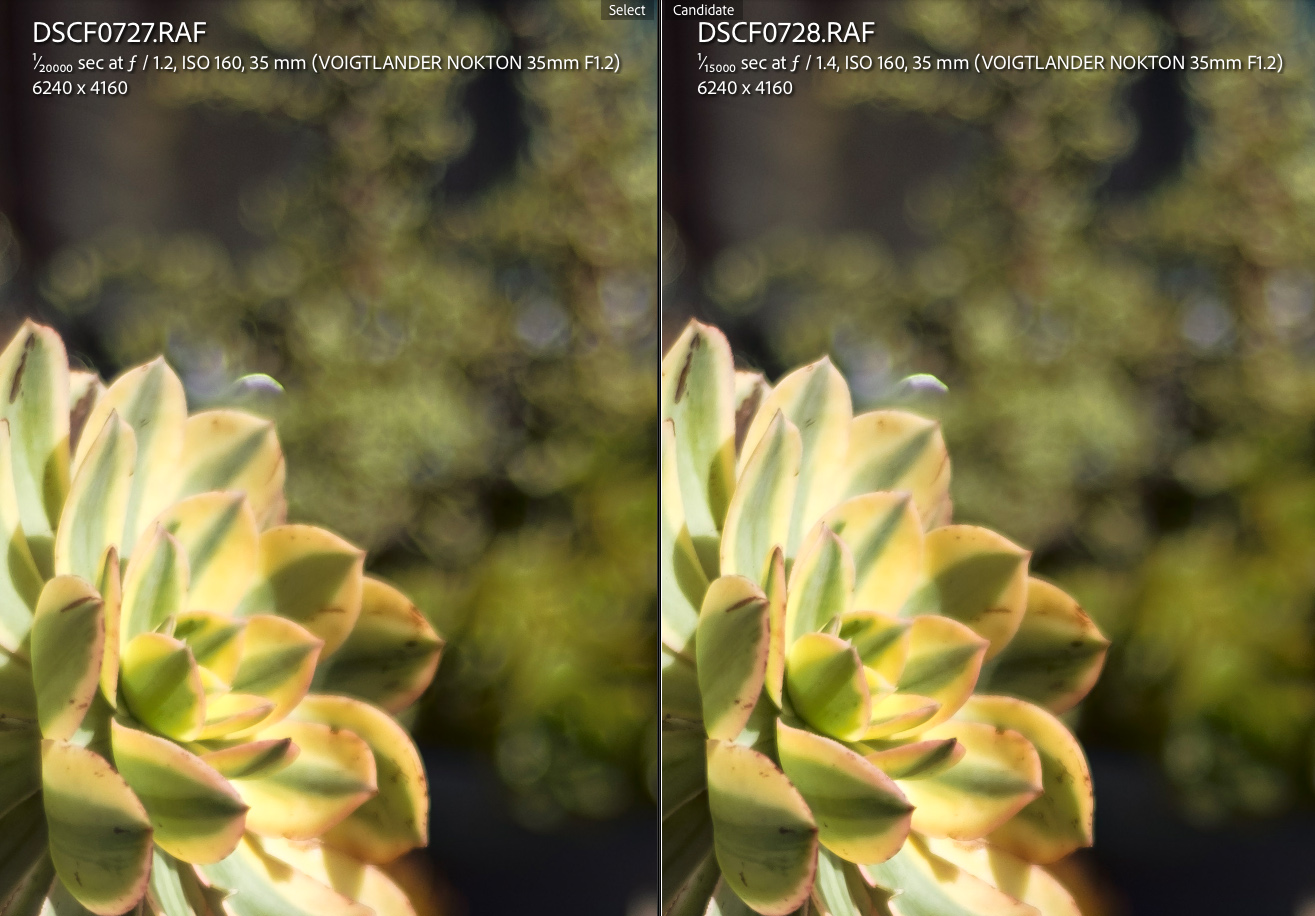
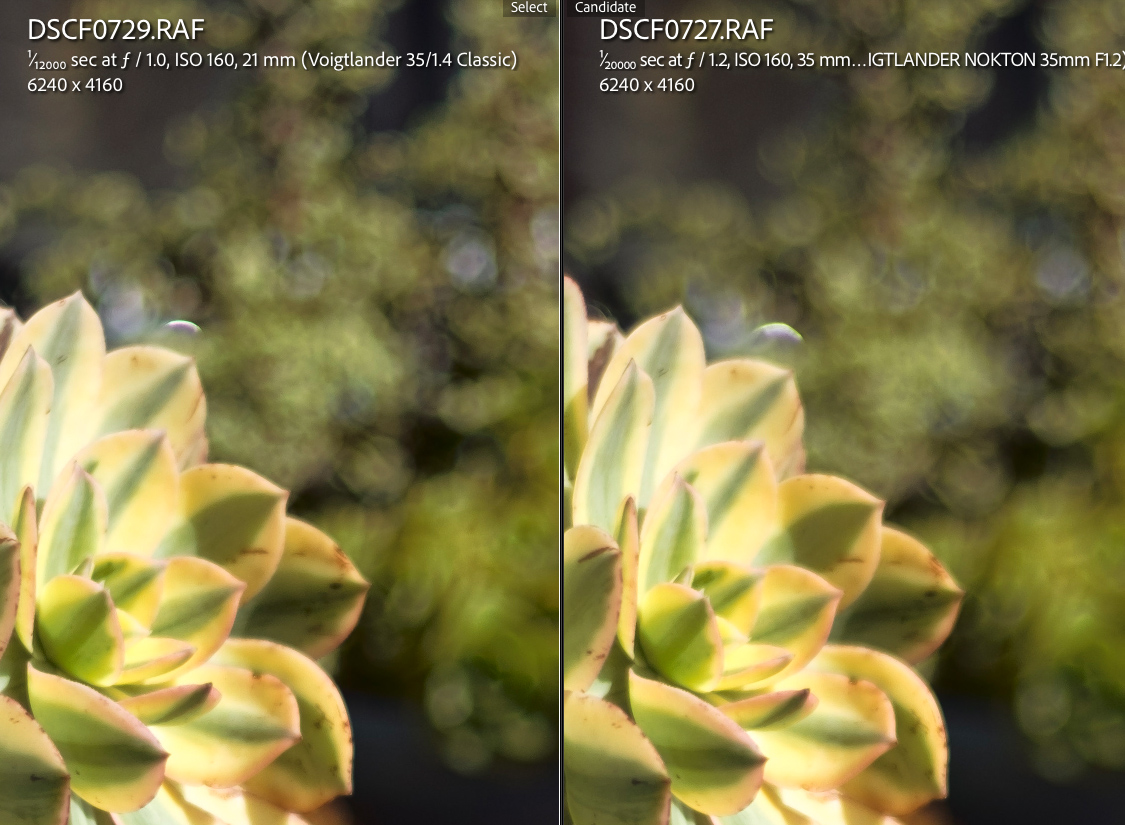
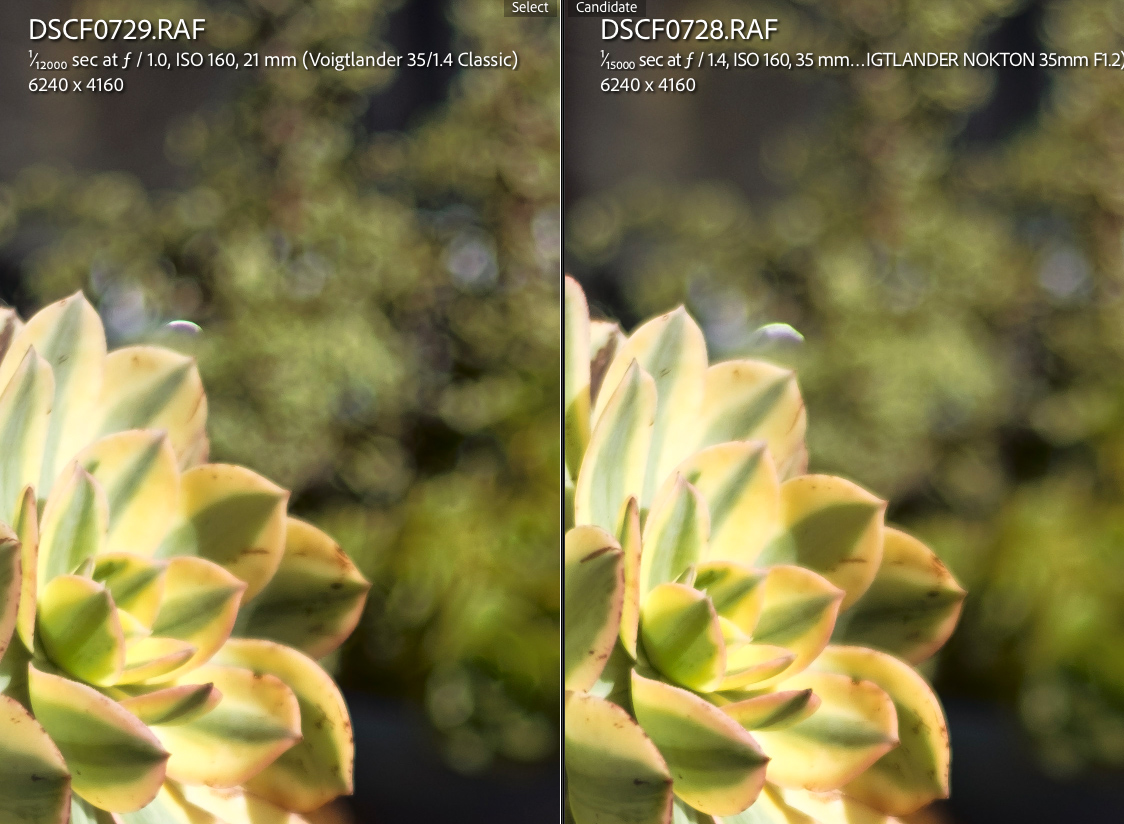
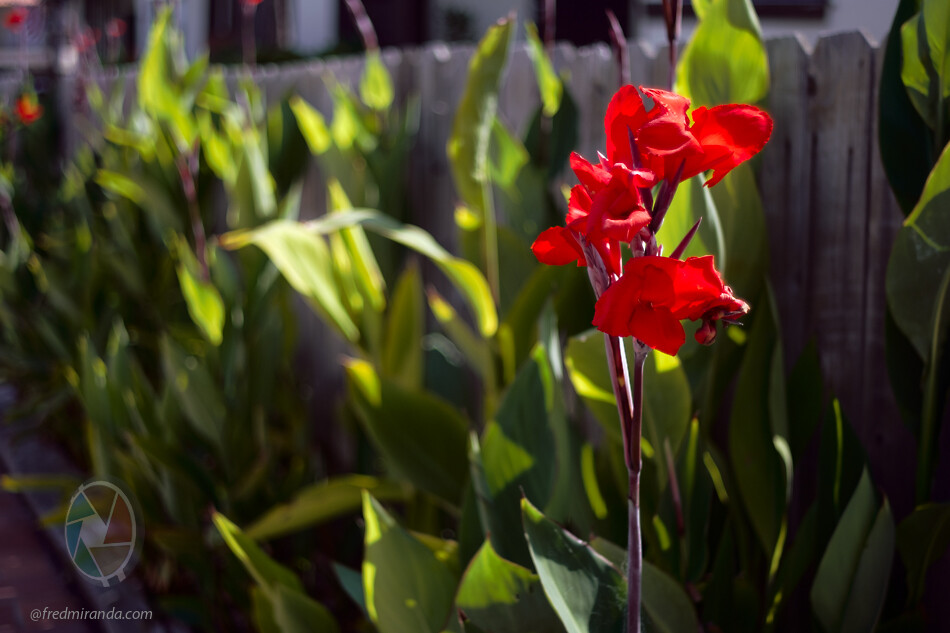
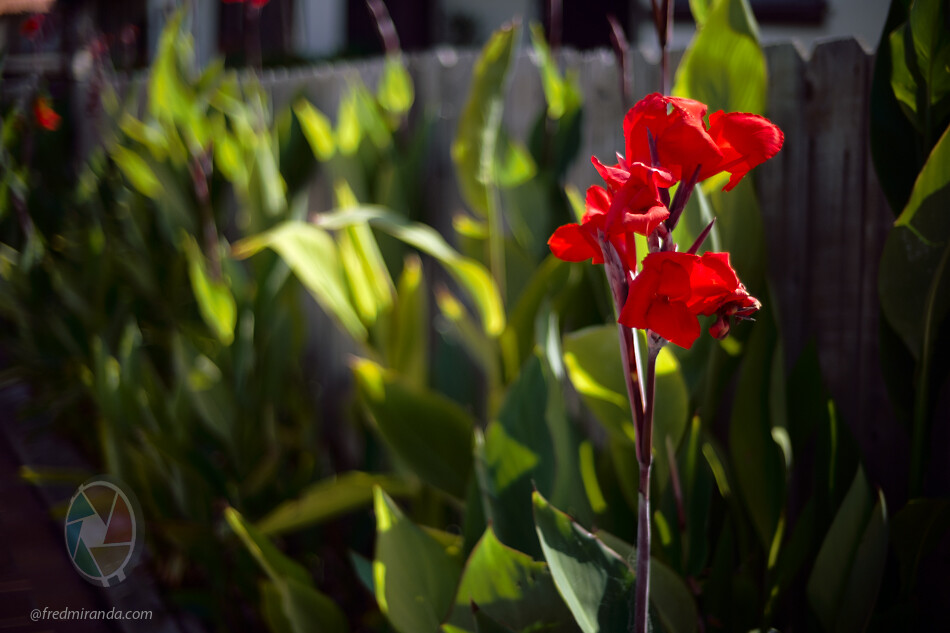
Both Voigtlander X-mount and M-mount lenses have similar rendering, offering more character when used wide open, which is at f/1.2 for the X-mount version. When you stop down to f/1.4, it reduces outlining in specular highlights.
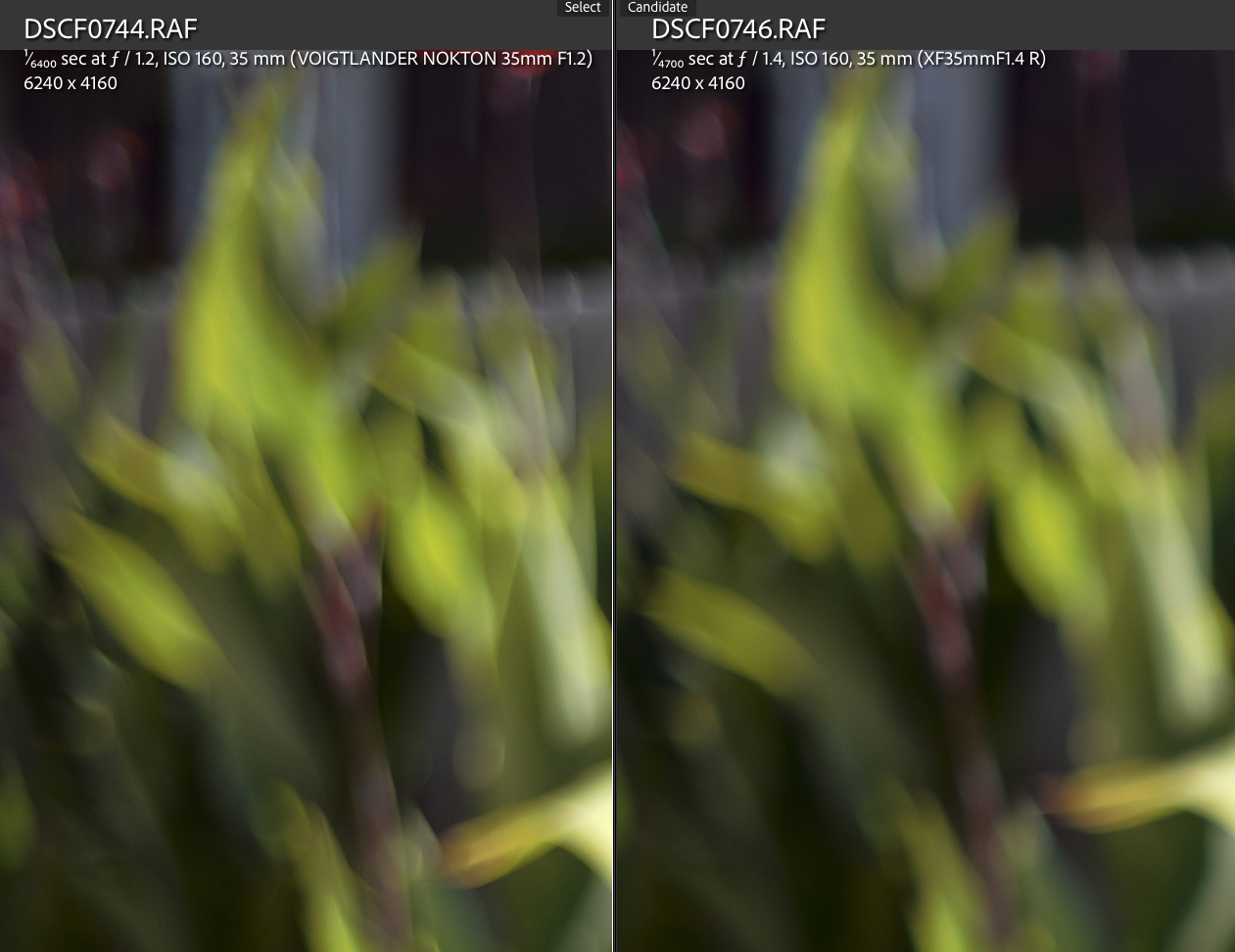
This comparison illustrates the difference: On the left, the lens is at f/1.2, and on the right, it's at f/1.4. You can see that specular highlights appear smoother at f/1.4:
Lenses being compared in terms of their image rendering:
Voigtlander 35mm f/1.2 X-mount
Voigtlander 35mm f/1.4 M-mount (adapted)
Fujifilm XF 35mm f/1.4 R (AF)
Sample 1: At 1.5m
(Look at EXIF for lens description)
They provide similar rendering with a few distinctions. Observe the vignetting in these lenses; they aren't using any profiles.
At f/1.2, there's plenty of character in the form of bokeh outlining, and you'll notice the highest vignetting.
X-E4VOIGTLANDER NOKTON 35mm F1.2 lens35mmf/1.21/20000s160 ISO-0.7 EV
At f/1.4, the outlining subsides a bit, and the vignetting improves. The subject also shows improved contrast.
X-E4VOIGTLANDER NOKTON 35mm F1.2 lens35mmf/1.41/15000s160 ISO-0.7 EV
At f/1.4, the Voigtlander 35mm f/1.4 M-mount is wide open and exhibits a similar character to the X-mount at f/1.2. However, it has much lower vignetting and also produces a cooler color cast.
X-E4Voigtlander 35/1.4 Classic lens35mmf/1.41/12000s160 ISO-0.7 EV
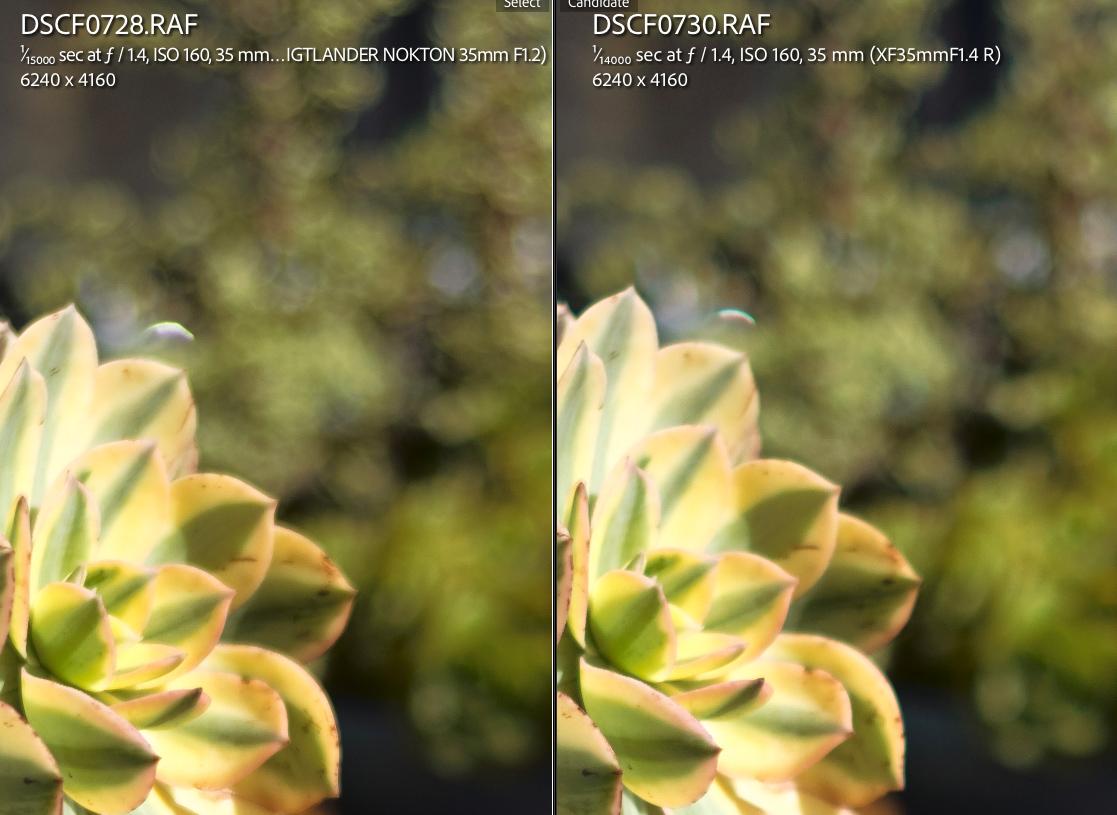
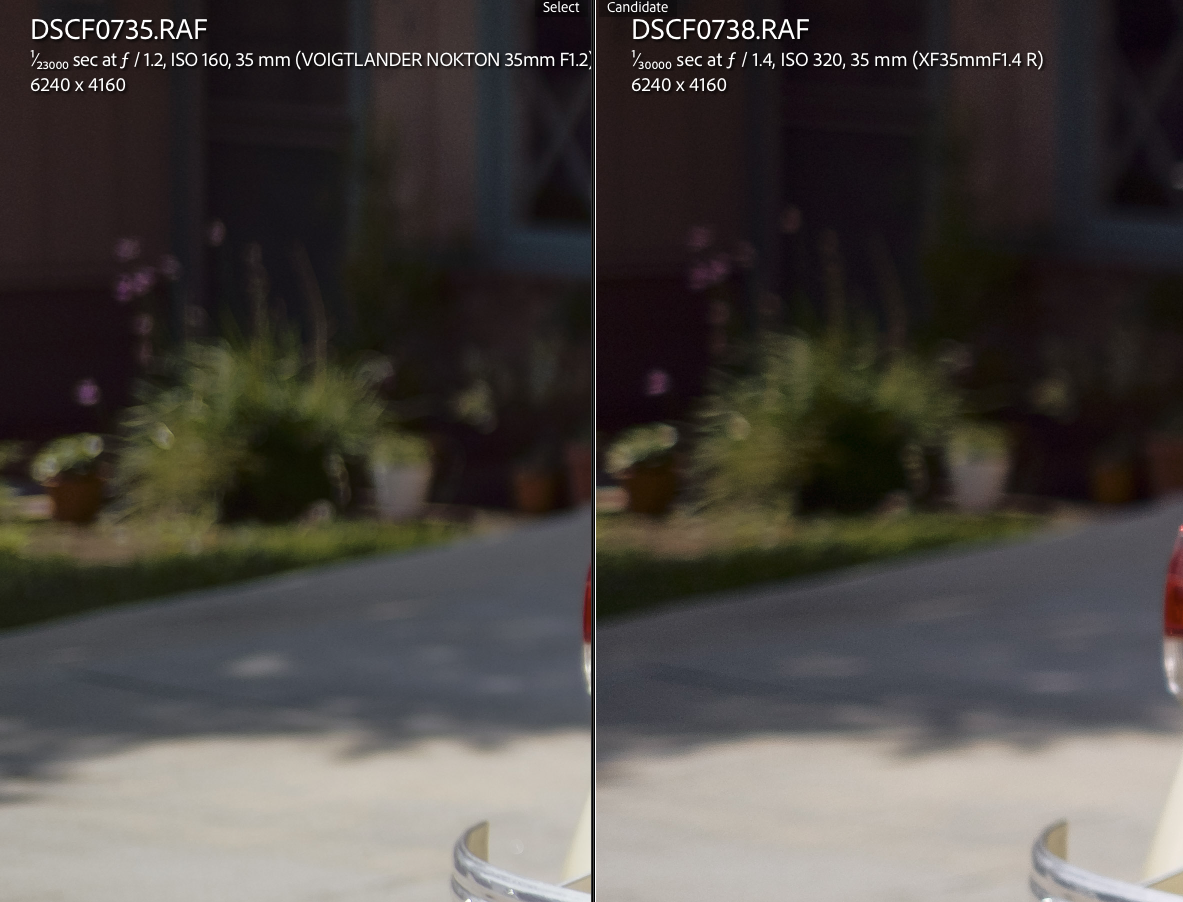
At f/1.4, the Fuji 35/1.4 R displayed a similar character but with the least outlining. It's also sharper and has higher contrast compared to the Voigtlander lenses.
X-E4XF35mmF1.4 R lens35mmf/1.41/14000s160 ISO-0.7 EV
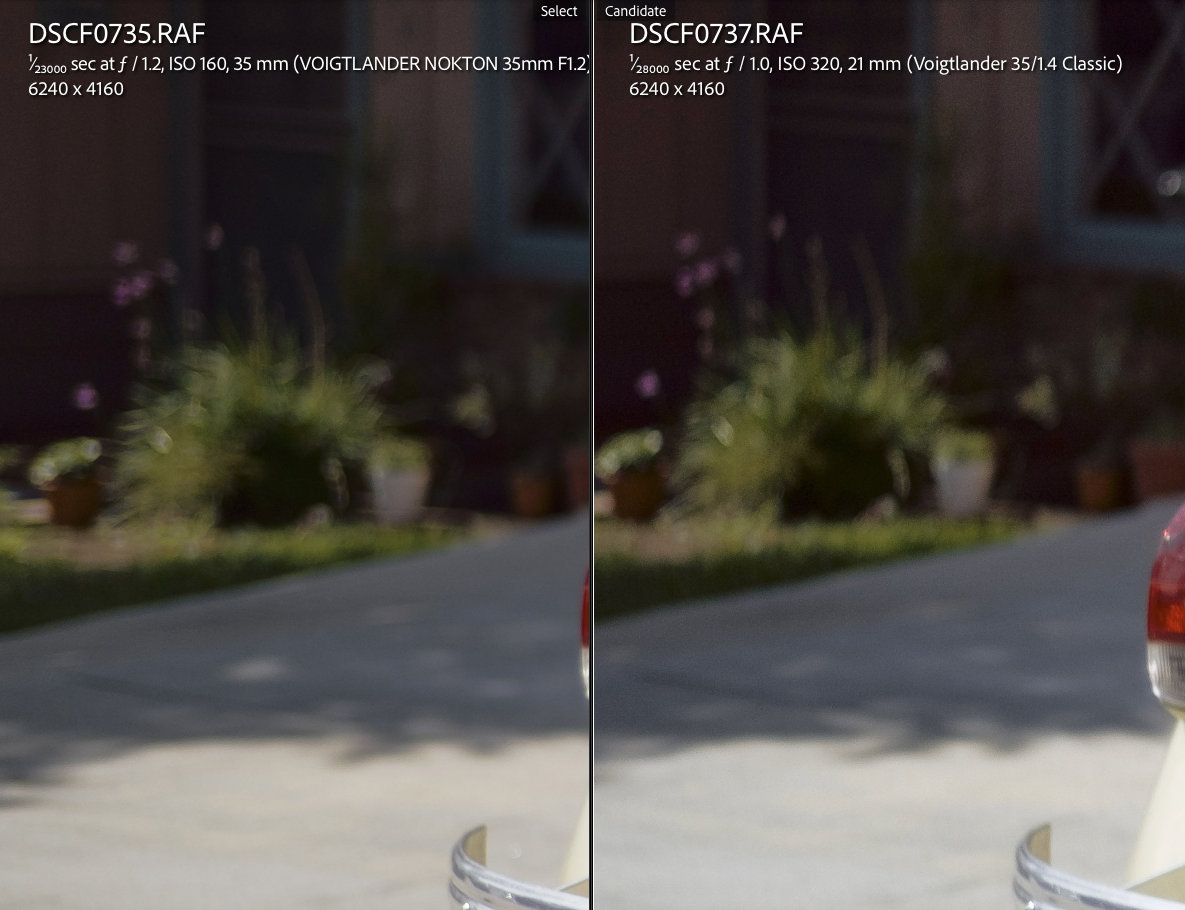
The Voigtlander 35mm f/1.4 Classic lens was set to its widest aperture at f/1.4 (ignore the settings in the EXIF data). These lenses render similar images with some variations. You can see how strong vignetting is between the lenses in these photos; no lens correction profiles were used.
X-E4VOIGTLANDER NOKTON 35mm F1.2 lens35mmf/1.21/23000s160 ISO-0.7 EV
Lower vignetting. Similar rendering to the X-mount lens.
X-E4Voigtlander 35/1.4 Classic lens35mmf/1.41/28000s320 ISO-0.7 EV
Rendering comparison at 50% magnification: Very similar rendering between the CV 35/1.2 X-mount and CV 35/1.4 M-mount when both lenses are set to wide open.
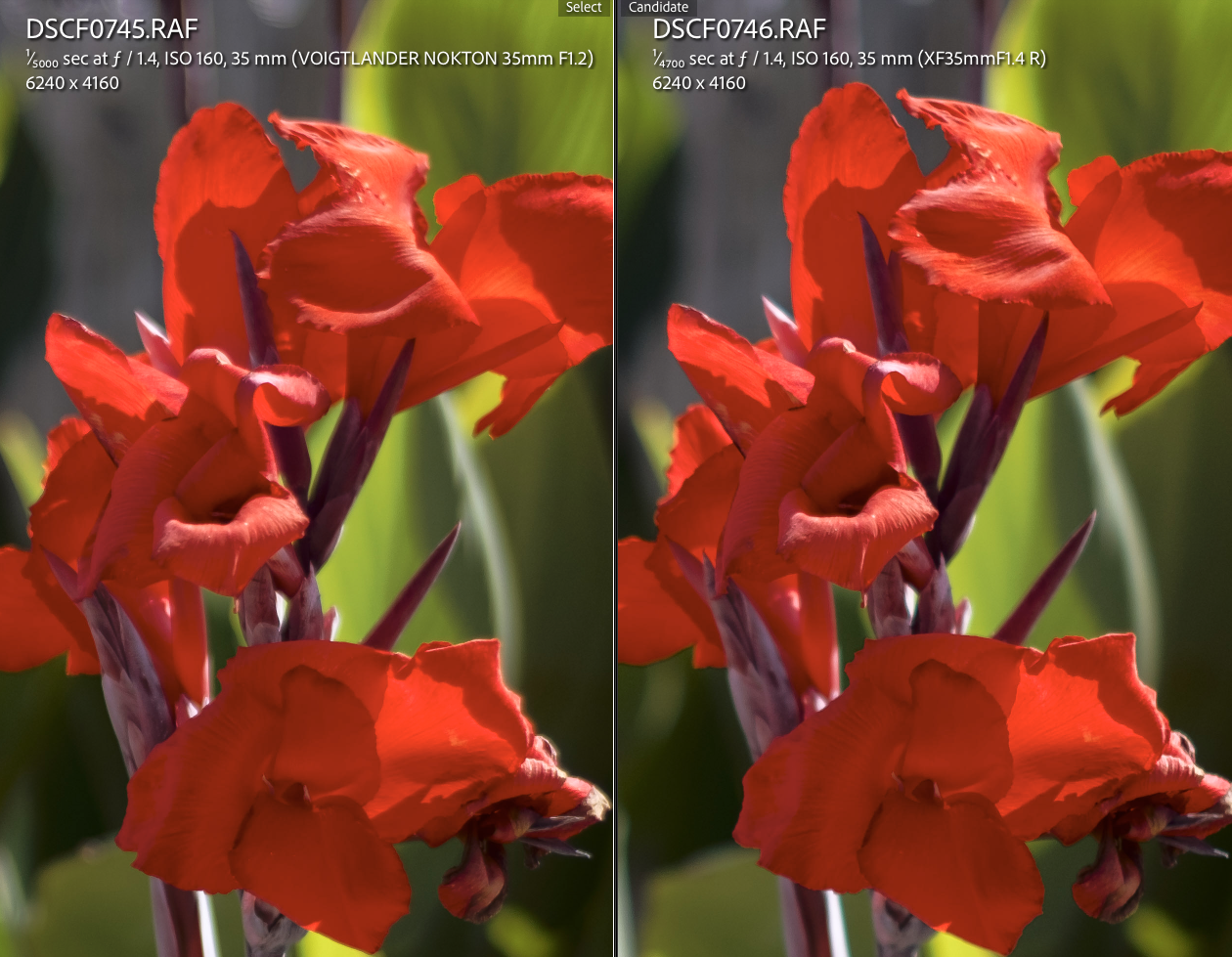
Rendering comparison at 50% magnification: Similar rendering between the CV 35/1.2 X-mount and Fuji 35/1.4 R AF lens. However, the latter provides a smoother draw with less outlining.
You can see how strong vignetting is between the lenses in these photos; no lens correction profiles were used.
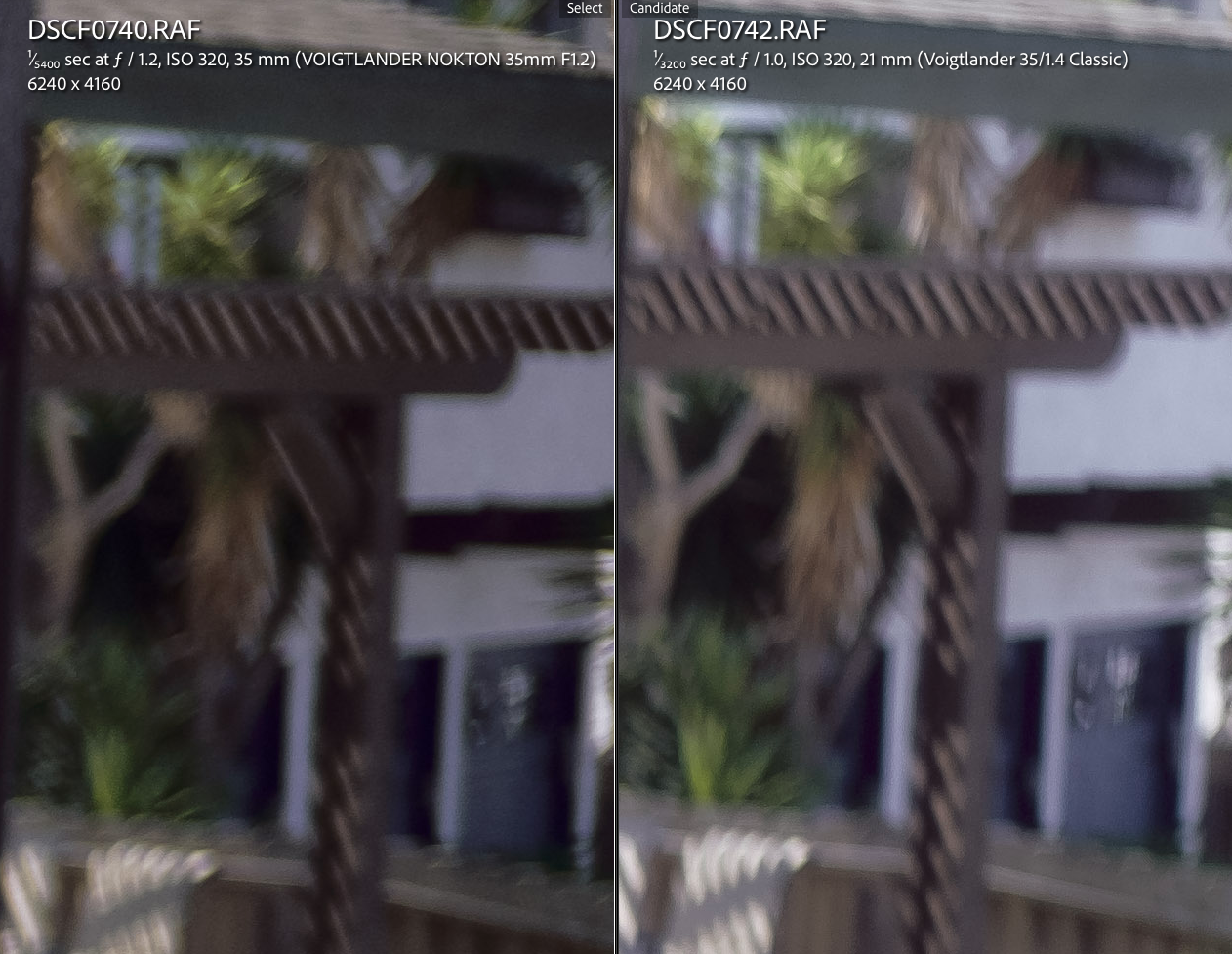
Both Voigtlander 35mm f/1.2 X-mount and 35/1.4 M-mount output similar rendering when set to wide open. The X-mount lens offers a slightly wider field of view.
X-E4VOIGTLANDER NOKTON 35mm F1.2 lens35mmf/1.21/5400s320 ISO-0.7 EV
X-E4Voigtlander 35/1.4 Classic lens21mmf/1.01/3200s320 ISO-0.7 EV
100% magnification: Apart from the greater vignetting in the X-mount lens, they produce similar rendering.
The same trend continues with all three lenses. They exhibit a similar character. The Fuji lens stands out as the sharpest and is also better corrected. In contrast, both Voigtlander versions tend to render images with more outlining and higher spherical aberration when used at their widest aperture.
X-E4Voigtlander 35/1.4 Classic lens21mmf/1.01/3500s160 ISO-0.7 EV
X-E4VOIGTLANDER NOKTON 35mm F1.2 lens35mmf/1.21/6400s160 ISO-0.7 EV
X-E4XF35mmF1.4 R lens35mmf/1.41/4700s160 ISO-0.7 EV
Voigtlander 35mm f/1.2 X @f/1.2 (LEFT), Voigtlander 35mm f/1.4 M @f/1.4 (RIGHT)
Voigtlander 35mm f/1.2 X @f/1.2 (LEFT), Fuji XF 35mm f/1.4 R @f/1.4 (RIGHT): Smoother rendering from the Fuji lens.
Focused area: The Fuji XF 35/1.4 is slightly sharper and more contrasty compared to the other lenses.
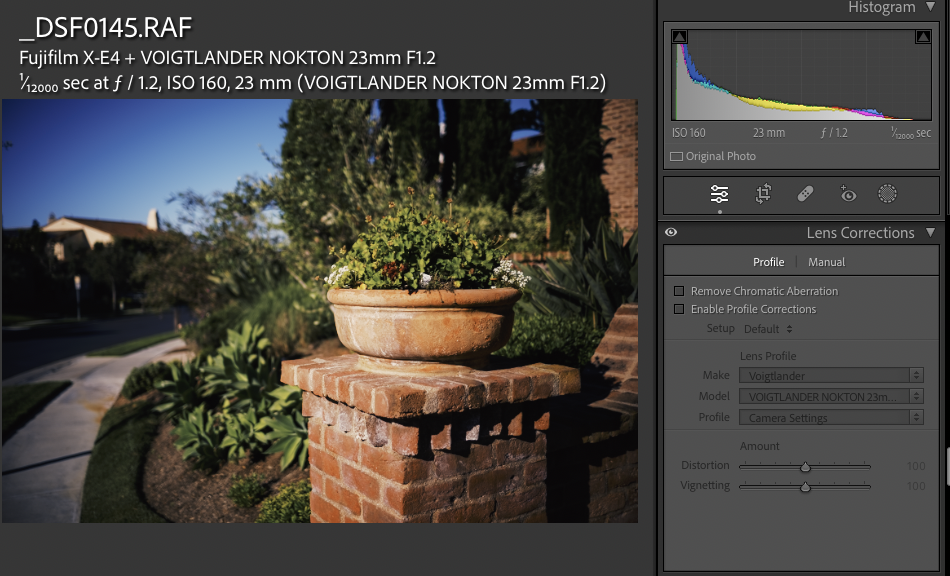
The Voigtlander 35mm f/1.2 Nokton lens does exhibit significant vignetting and noticeable barrel distortion. In Lightroom, there is a specific lens profile available, but you can manually adjust the distortion by increasing the distortion amount to "+7," which can effectively correct it.
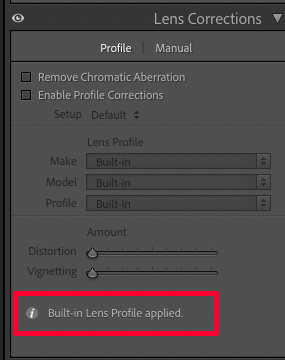
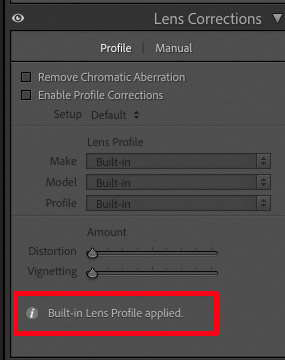
Interestingly, this lens doesn't come with the automatic Lightroom "Built-in Lens profile applied" for raw images, unlike the Voigtlander 27mm f/2 Ultron X-mount. The latter lens is currently the only Voigtlander lens for the Fuji X-mount that automatically corrects these issues.
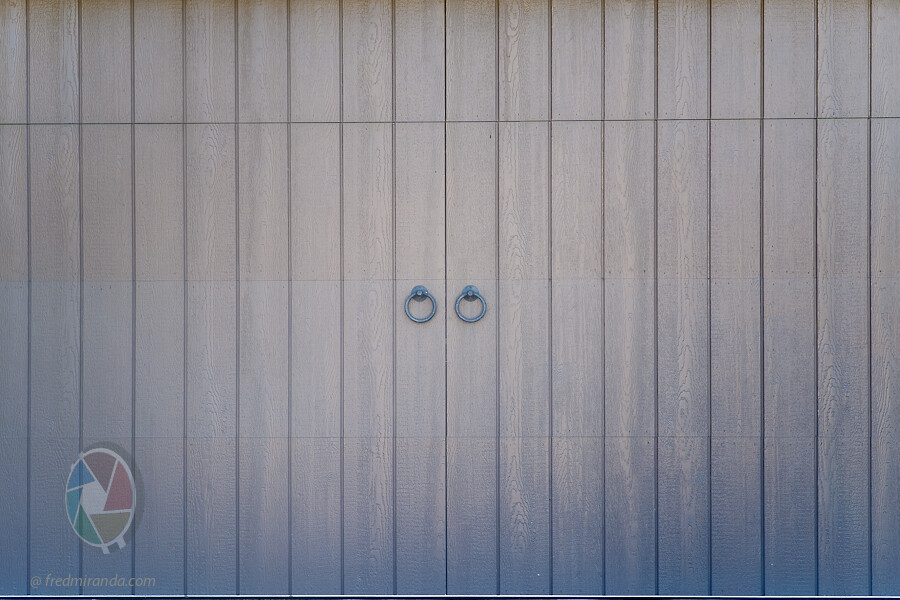
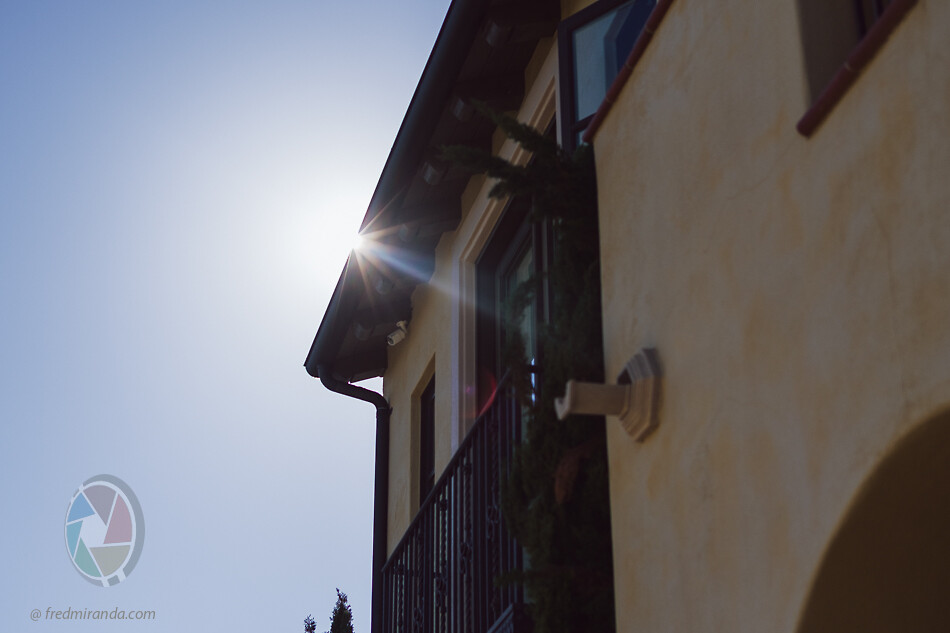
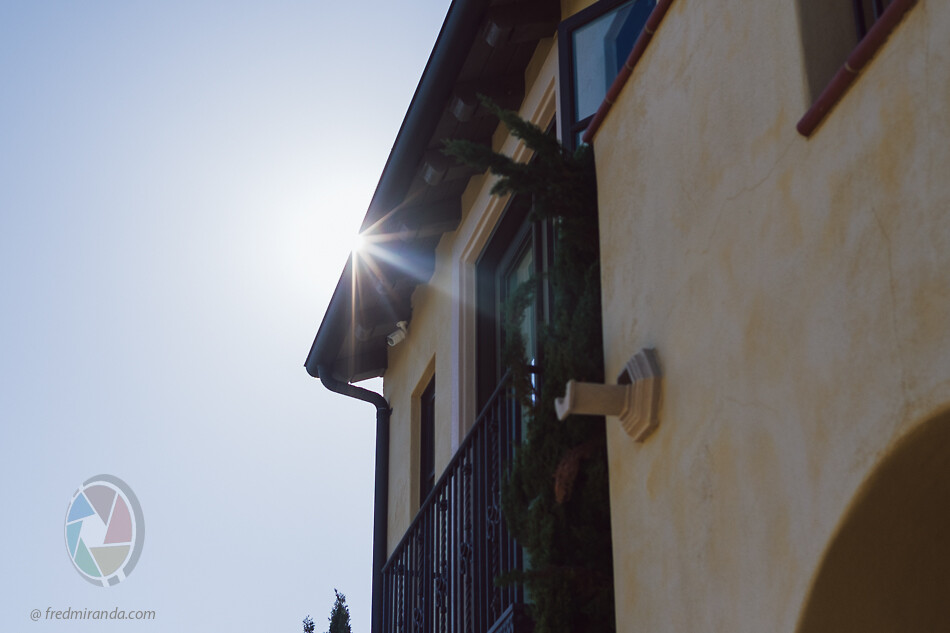
To illustrate the difference, here's a comparison between two images: one without any corrections and the other with automatic distortion and vignetting correction applied.
No corrections at f/4 (vignetting is still noticeable)
X-E4VOIGTLANDER NOKTON 35mm F1.2 lens35mmf/4.01/140s160 ISO-0.7 EV
Vignetting and Distortion corrected
X-E4VOIGTLANDER NOKTON 35mm F1.2 lens35mmf/4.01/140s160 ISO-0.7 EV
In Lightroom's Lens Corrections settings, the "Built-in Lens profile applied" automated setting is exclusively available for the Voigtlander 27mm f/2 Ultron lens. However, the Nokton X-mount lenses do not include this feature.
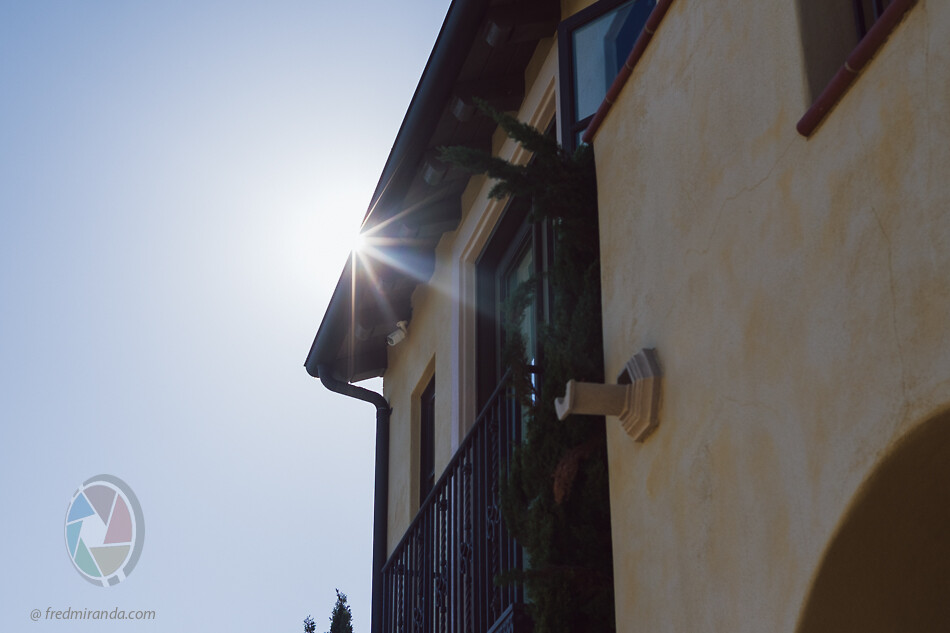
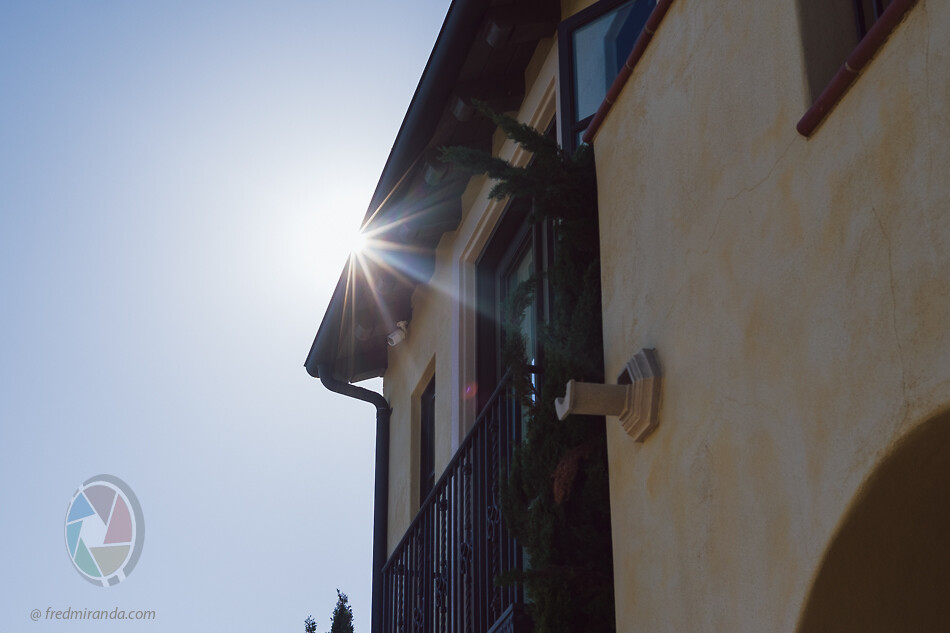
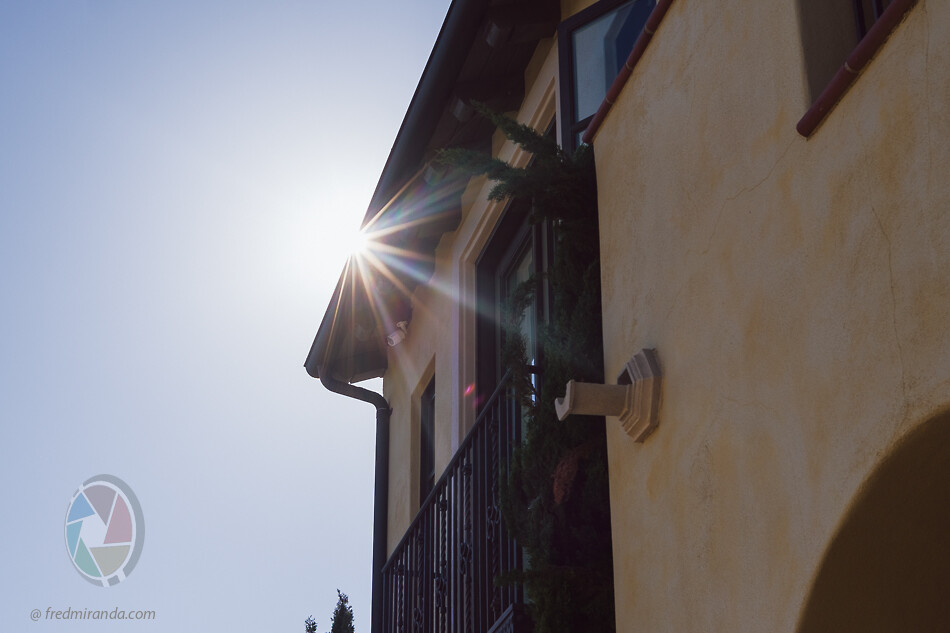
Sunstars will have 12 points because the lens has a 12-blade aperture mechanism with straight blades. Voigtlander lenses have a reputation for producing sharp and distinct sunstars. However, when it comes to the Voigtlander 35mm f/1.2 Nokton X-mount, my extensive testing yielded less satisfactory results. In all my test scenes, the sunstar rays lacked clarity and were consistently marred by veiling. The sunstar rendering of this lens isn't as good as what you get with the Voigtlander 35mm f/1.4 M-mount and other Voigtlander lenses designed for Fuji X-mount cameras, like the Voigtlander 27mm f/2 Ultron.
On the other hand, Fujifilm AF lenses can't achieve this effect because they have rounded aperture blades. To get decent sunstars with Fujifilm AF lenses, you need to use much smaller apertures.
Below is a series of images showing how the sunstar rendering changes from f/2 to f/8 in full-stop increments:
f/2
X-E4VOIGTLANDER NOKTON 35mm F1.2 lens35mmf/2.01/7000s160 ISO0.0 EV
f/2.8
X-E4VOIGTLANDER NOKTON 35mm F1.2 lens35mmf/2.81/3500s160 ISO0.0 EV
f/4
X-E4VOIGTLANDER NOKTON 35mm F1.2 lens35mmf/4.01/1800s160 ISO0.0 EV
f/5.6
X-E4VOIGTLANDER NOKTON 35mm F1.2 lens35mmf/5.61/900s160 ISO0.0 EV
f/8
X-E4VOIGTLANDER NOKTON 35mm F1.2 lens35mmf/8.01/480s160 ISO0.0 EV
The finding regarding built-in lens profile in LR is very interesting. I will try to check how my 4 CV X-mount lenses (23/1.2, 27/2, 35/2, 50/1.2) behave in this regard in C1 Pro 23.
I already checked for CV 35/2 APO-Ultron that "Manufacturer Profile" was used in C1 Pro with distortion and CA correction automatically enabled and I noticed with ExifTool that EXIF data of RAF files contained some parameters for distortion, CA and vignetting compensation with that lens. I'll do some more checking with the other lenses too as soon as I have time.
I actually edited a few recent images from my X-mount 23/1.2 Nokton (on my X-T30) last night and in LR Classic on latest fw I do have the "lens profile applied" text and symbol.
twelveish wrote:
I actually edited a few recent images from my X-mount 23/1.2 Nokton (on my X-T30) last night and in LR Classic on latest fw I do have the "lens profile applied" text and symbol.
That's intriguing. To make sure we're on the same page, let me clarify.
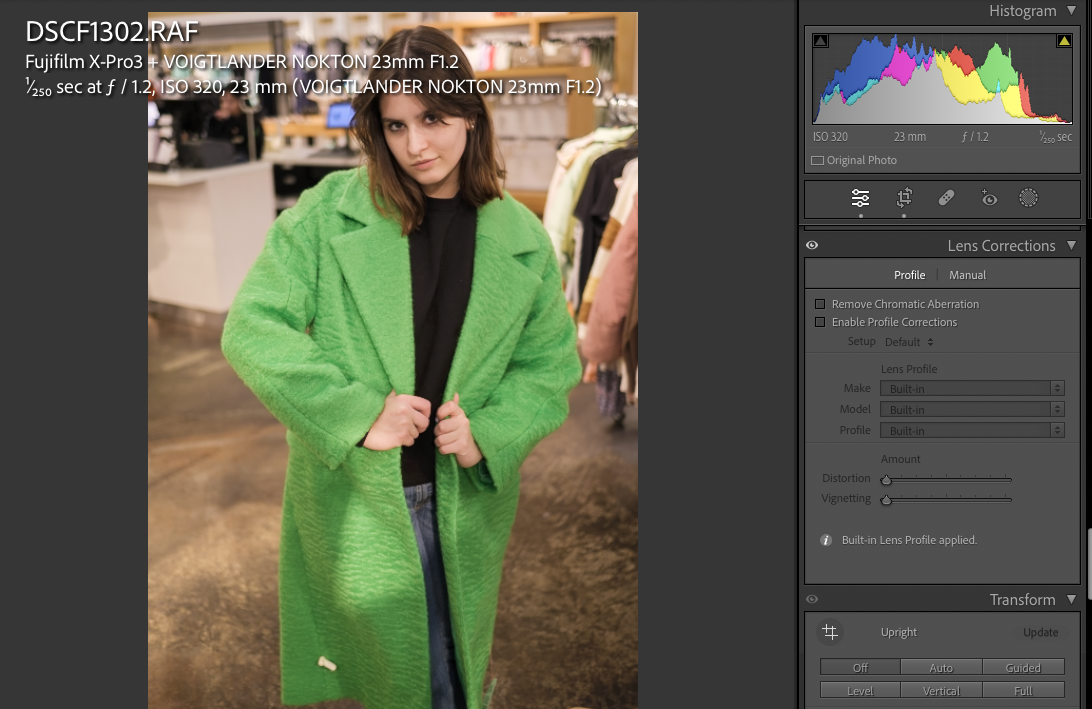
I can't find the "Built-in Lens profile applied" in my raw (RAF) files taken with the Voigtlander 23mm f/1.2 Nokton X-mount lens.
I'm using the X-E4 camera with the latest firmware. Here's what I observe:
Here is the built-in profile that shows up when editing images from the Voigtlander 27mm f/2 Ultron X
Update: This feature seems to vary depending on the Fuji camera used.
I examined some raw images taken with the X-Pro3 instead of the X-E4, and the "Built-in profile" does appear when using the X-Pro3. However, it doesn't seem to work with the X-E4 (even with the latest firmware).
It's interesting that with the X-E4, only the Voigtlander 27/2 Ultron lens sends the built-in profile to LR.
Because I'm using the X-E4 for this review, what you see is exactly what you get, without any built-in profile applied.
When using the X-Pro3 and Voigtlander 23/1.2, the built-in profile is transmitted (Not the case with the X-E4)
hmmm that is interesting...even with the latest firmware...is the X-E4 not writing the profile correction parameters or other lens data to the exif for the raf of the 23/1.2? Perhaps something with LR reading the exif for that combo?
I can confirm that with DXO PL 6E the autocorrection module is applied for the 23/1.2 raf files taken with my X-T5...however as of now there is no auto correction module for the 35/1.2 yet for DXO. Exiftool does show both 23/1.2 and 35/1.2 lens data is recorded by the camera...there is just no module supplied by DXO to apply corrections for the 35/1.2.
I picked up a CV 35/1.2 in X-mount (a new copy) today and I also checked the EXIF from some sample shots (RAF files) taken with my X-S10 (3.01 firmware) that I took today and found the 3 lens correction parameters in EXIF (Geometric Distortion Params, Chromatic Aberration Params, Vignetting Params) similarly to my 4 other CV X-mount lenses and in C1 Pro 23 the lens correction profile works with this lens the same way as with the others.
Distortion and CA lens correction were automatically enabled and applied in C1 Pro (but can be reversed manually) based on the lens correction parameters (resulting in identical corrections as applied on corresponding in-camera JPEGs) and Light Falloff correction is automatically at 0% but if manually set to 100% it will also result in exactly same compensation as in corresponding in-camera JPEGs.
I noticed one difference with this lens compared to the 4 others though. When I put the lens on for the first time, it showed T stops (T1.3 was shown when aperture was set to F1.2 on the lens) in camera, instead of F stops. I had to change the "Aperture Unit for Cinema Lens" setting in camera from "T Number" to "F Number" to get the lens to show F stops in camera. Later I confirmed that my other 4 CV X-mount lenses always show F stops regardless of this setting, and only 35/1.2 behaved differently and required this setting to be changed in order for F stops to be shown. No real impact so I'll just leave the setting to "F Number" from now on.
Loving the results with the lens so far but weather was really dull and murky today so I didn't get much shooting done with it yet.





 I'm also surely going to add this to my CV X-mount kit next (already have the 23/1.2, 27/2. 35/2, 50/1.2).