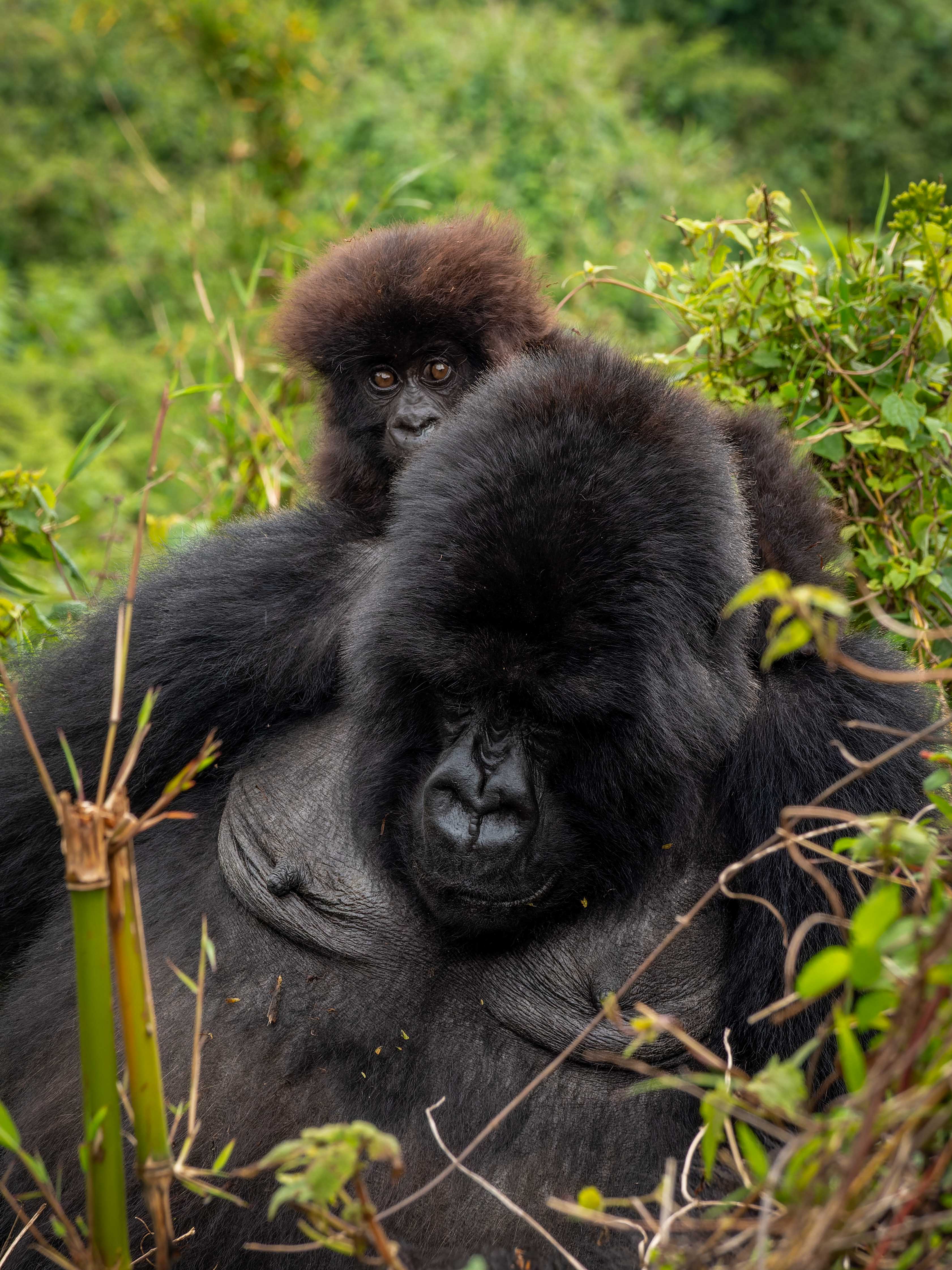
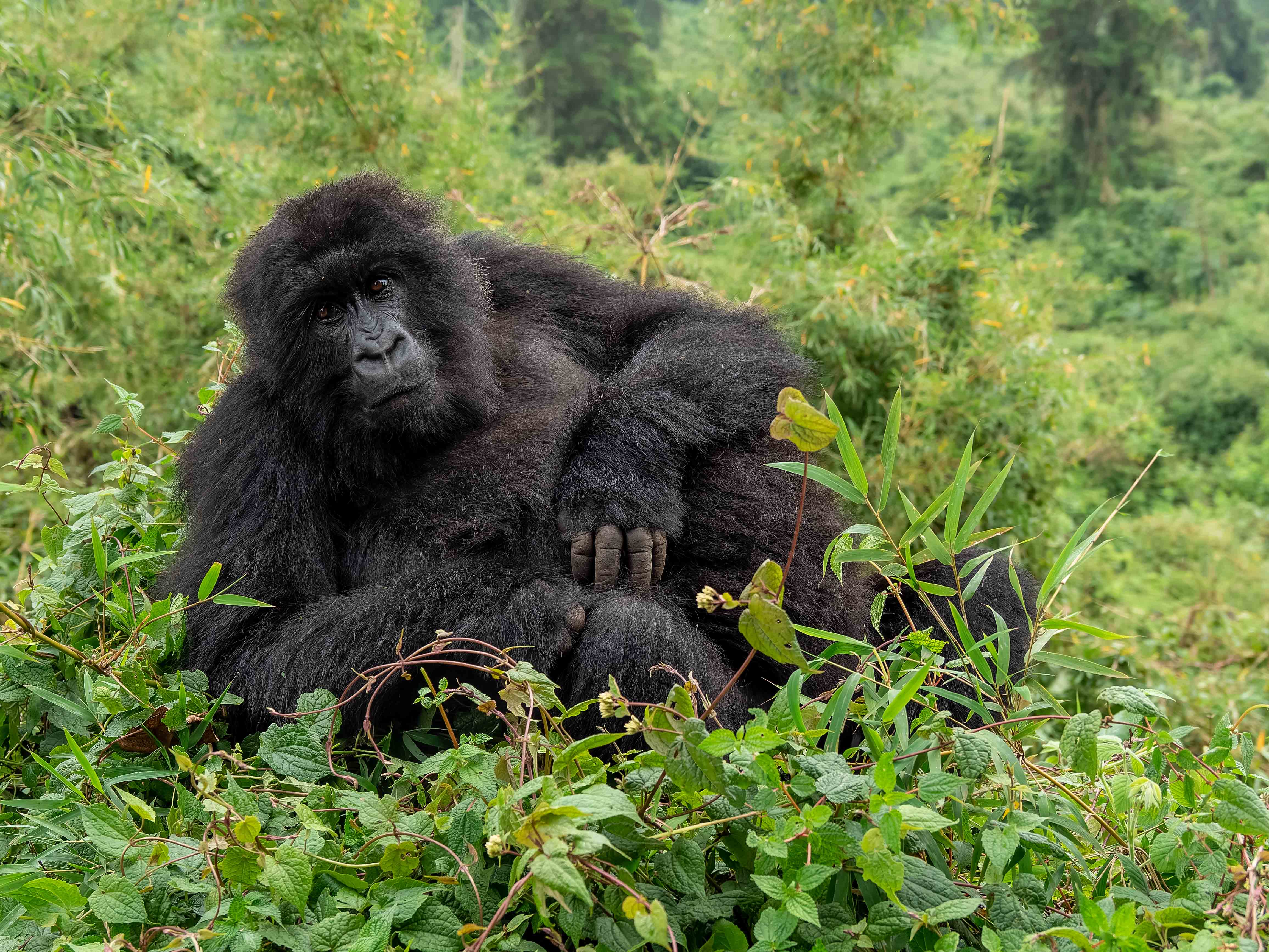
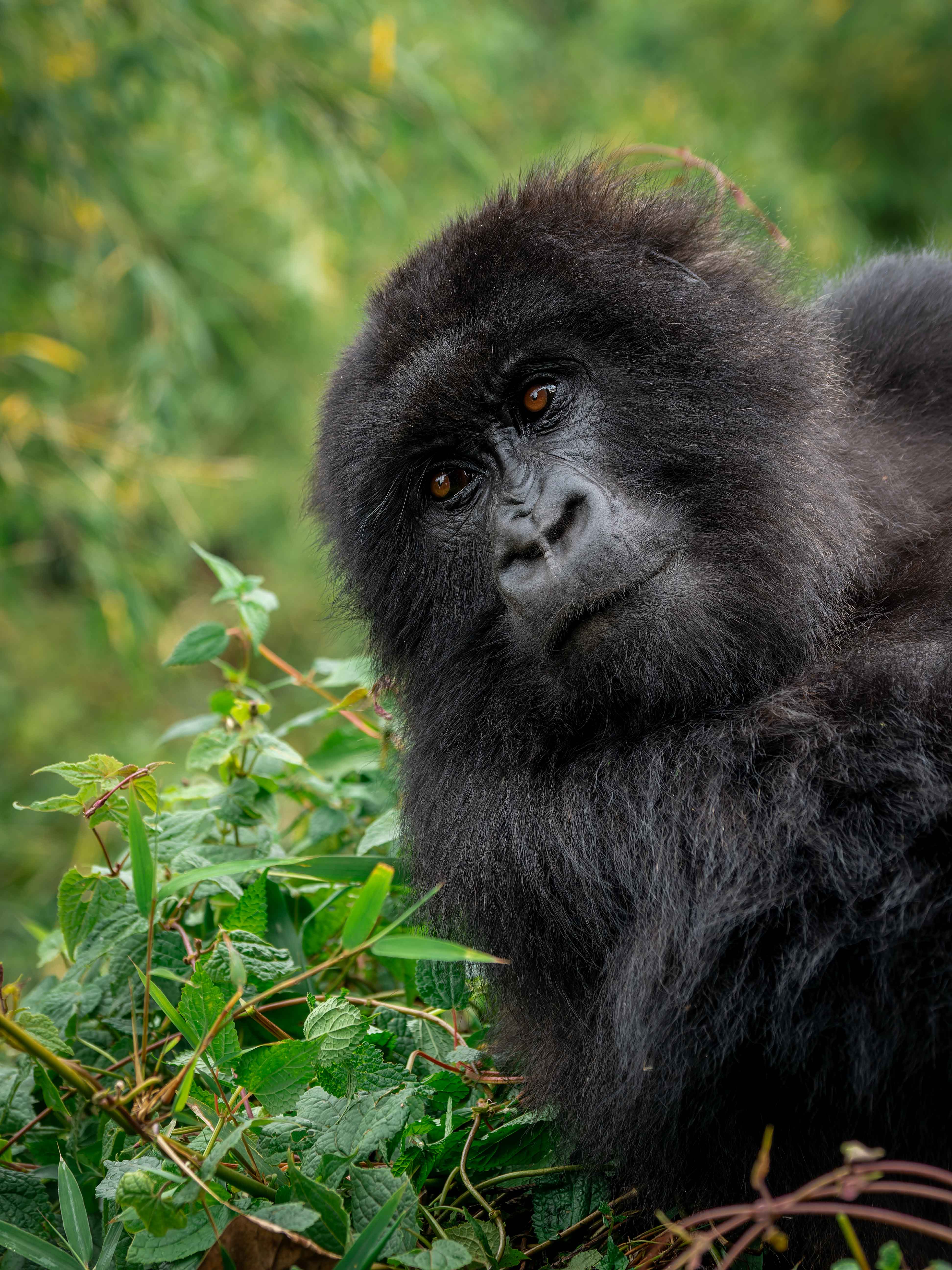
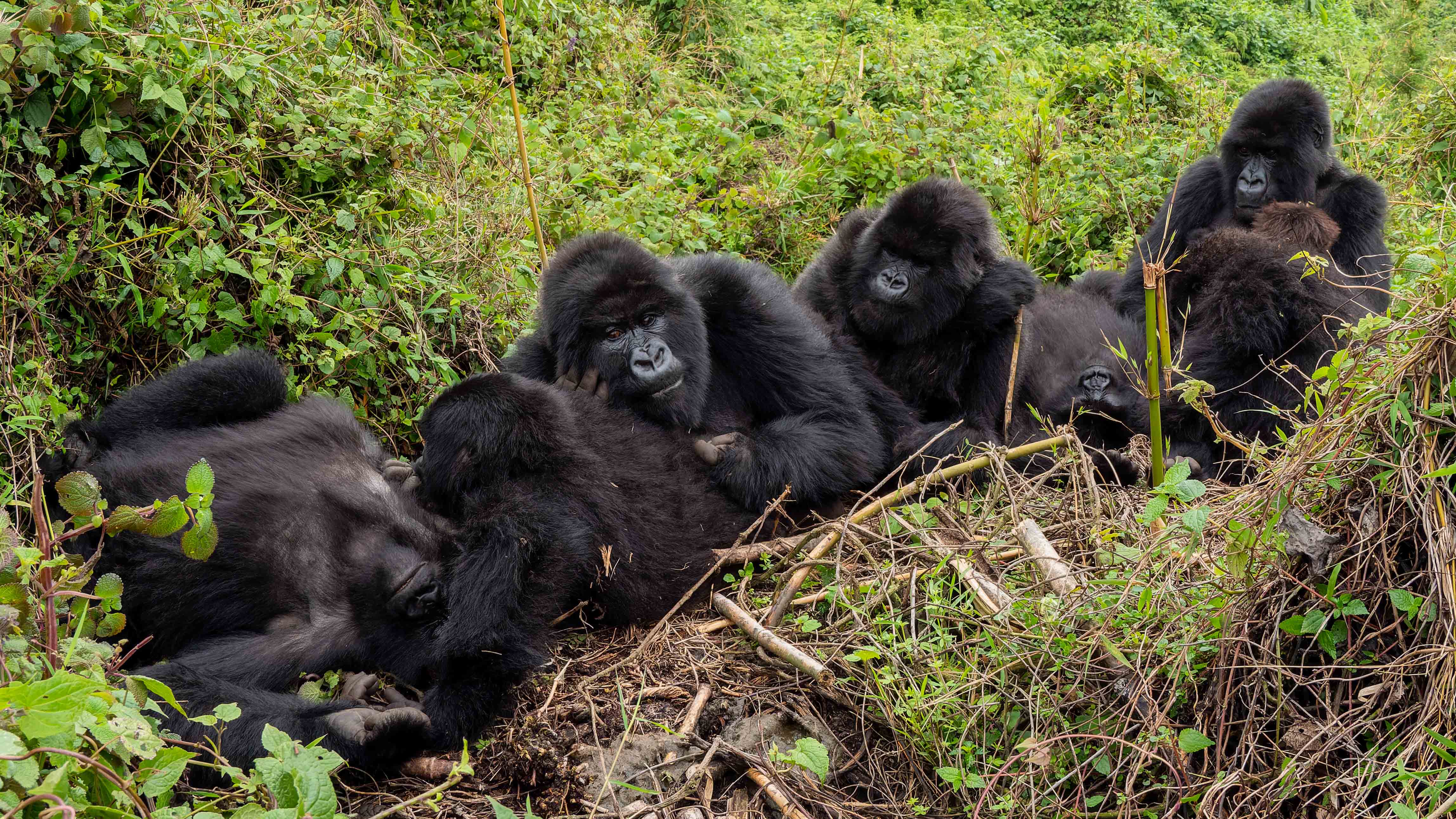
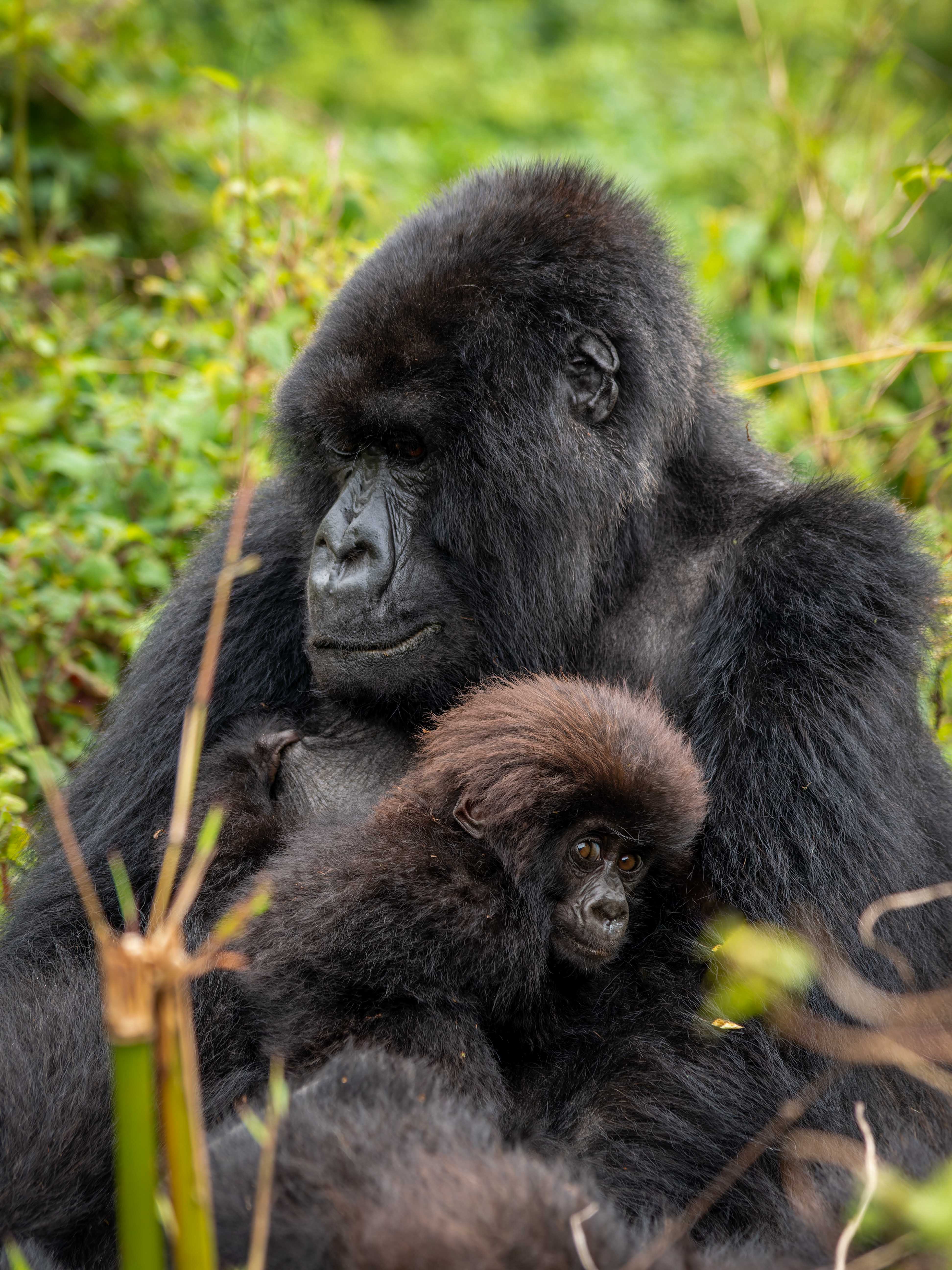
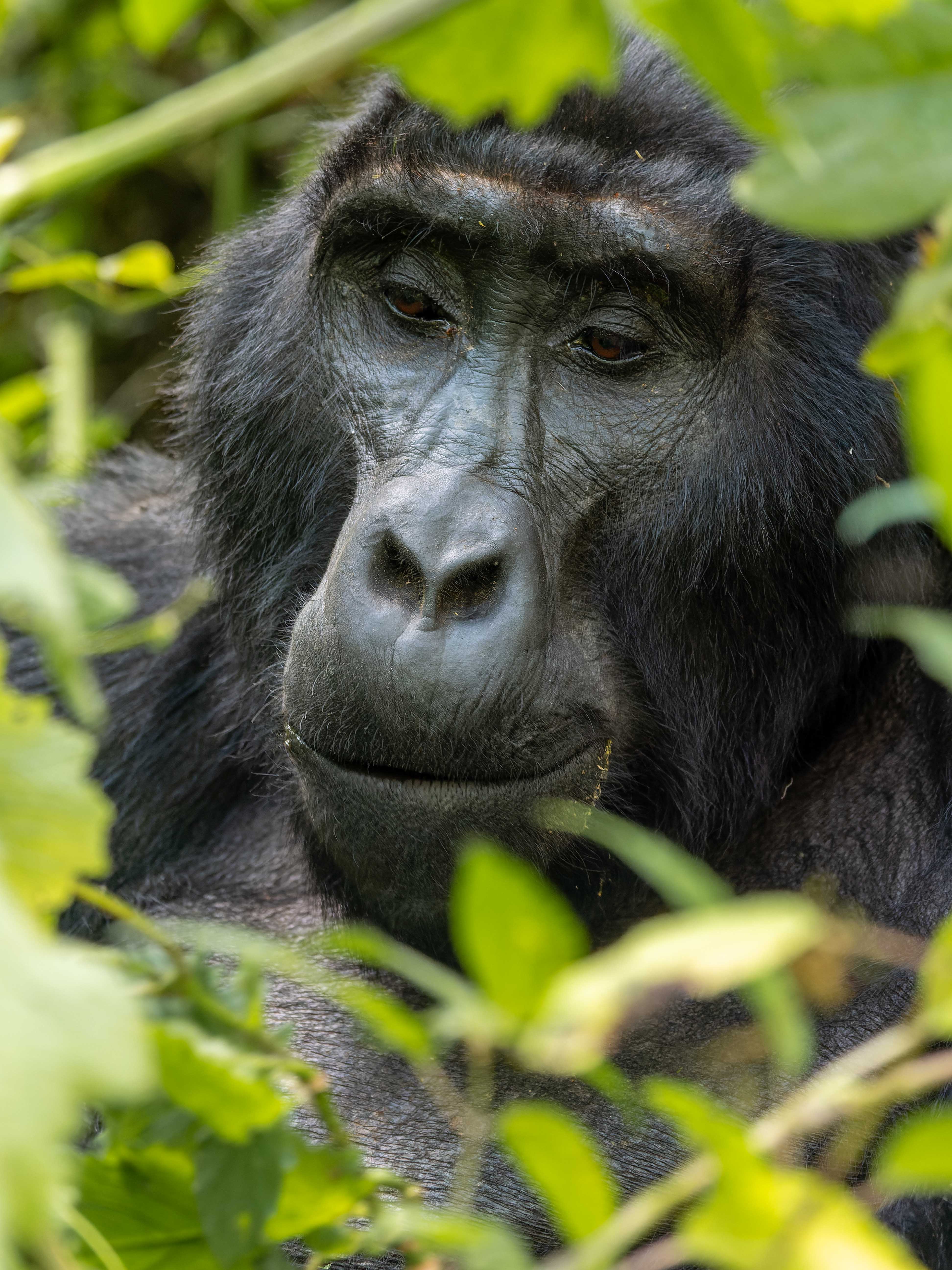
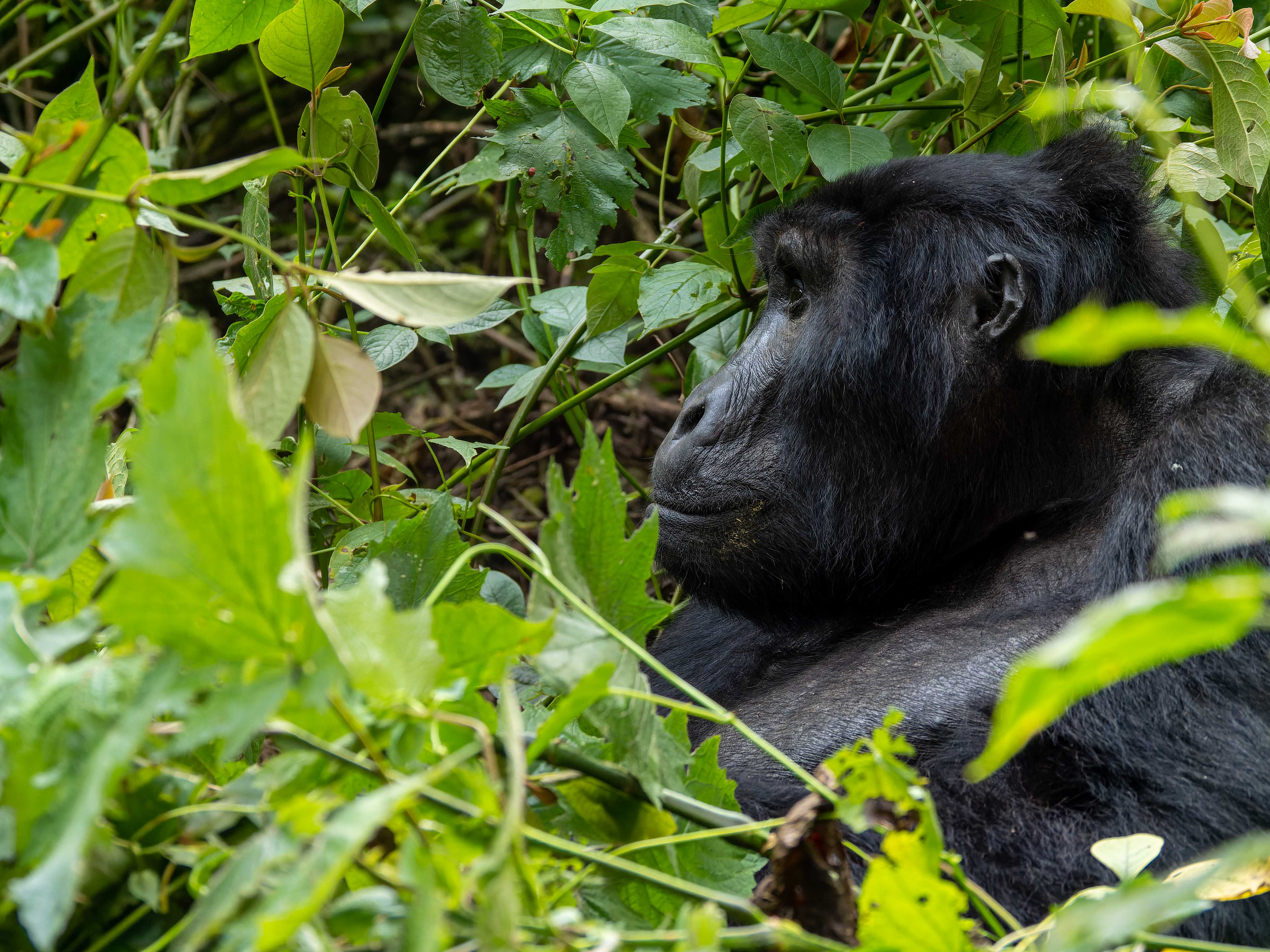
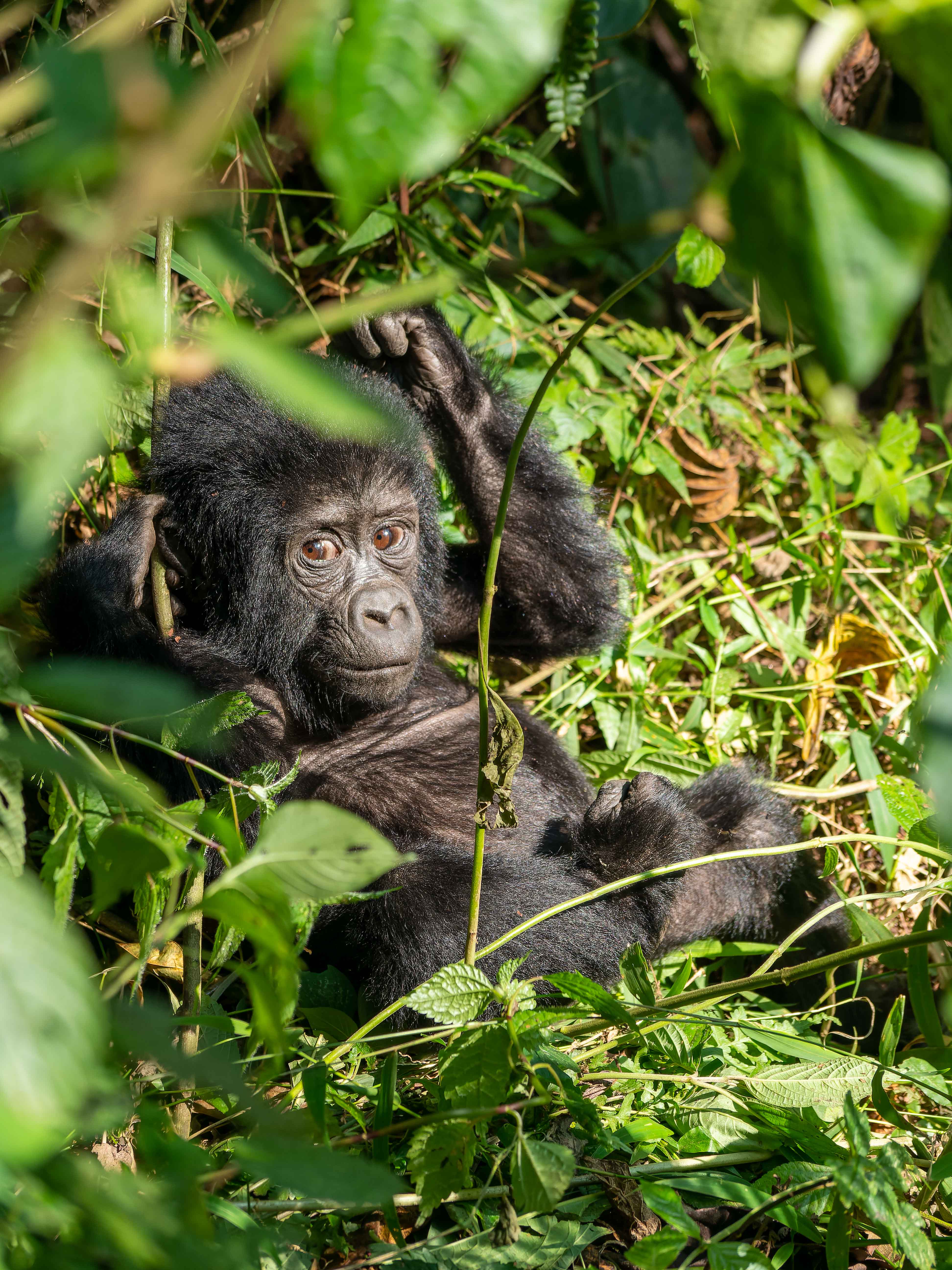
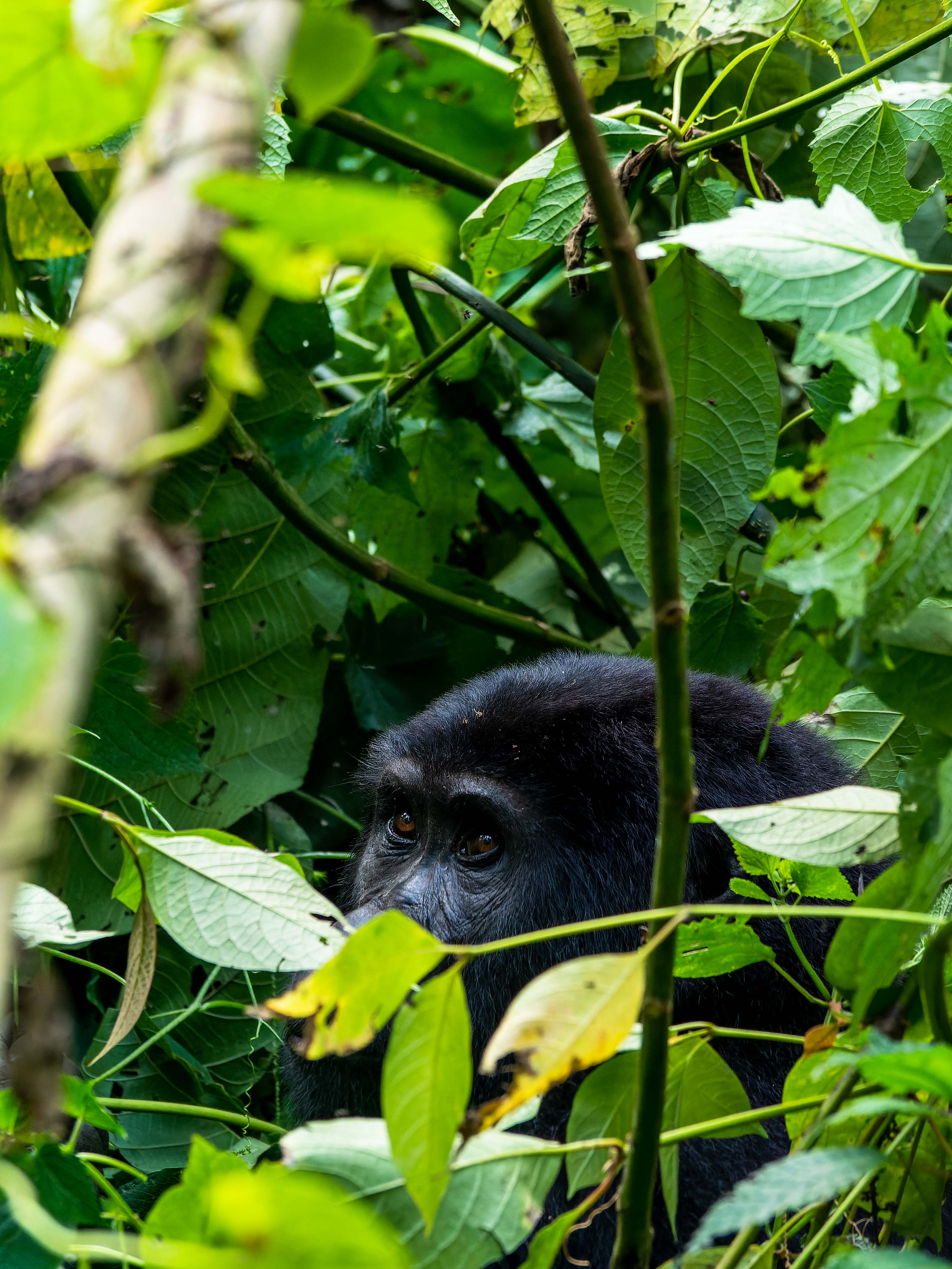
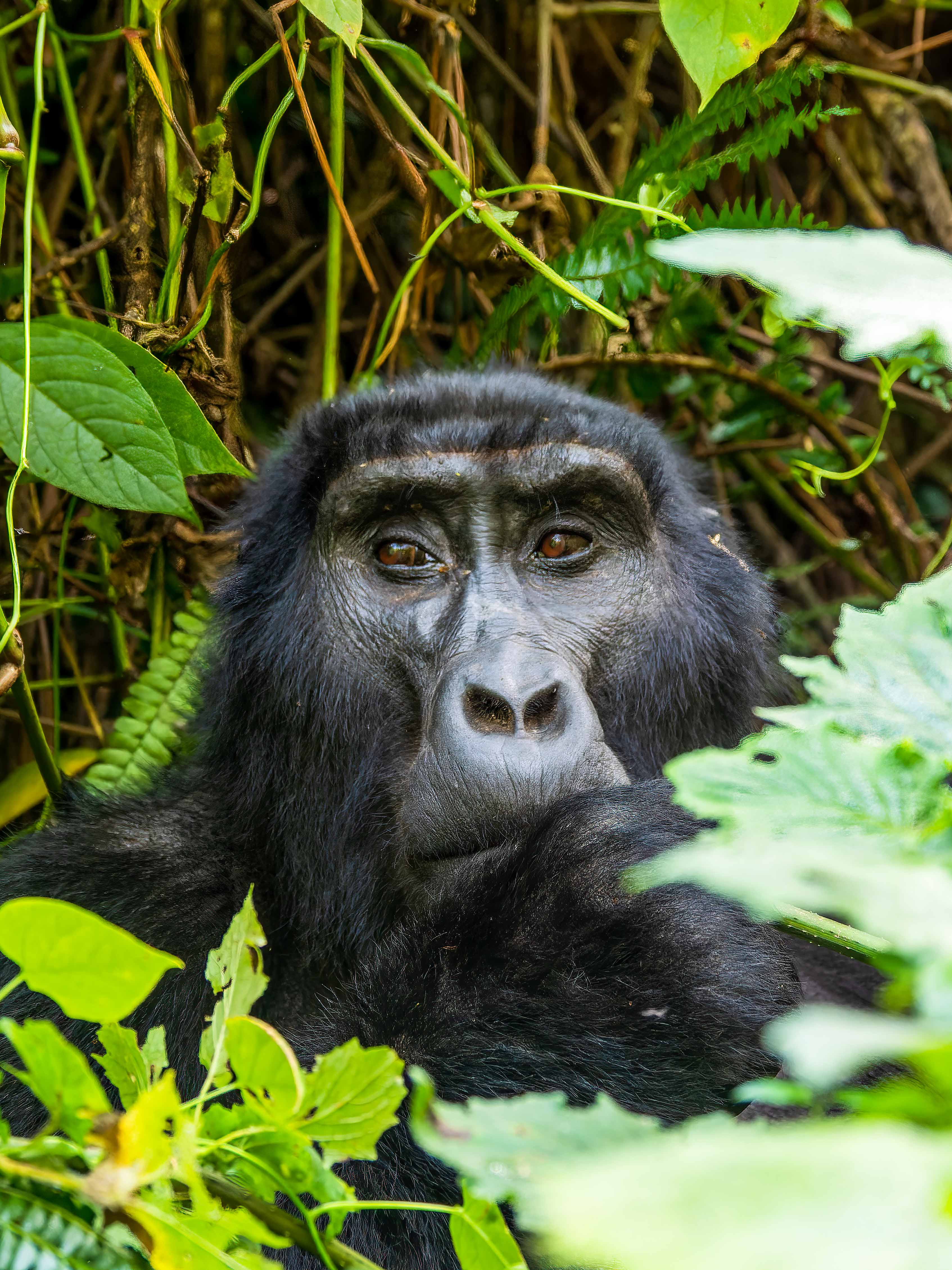
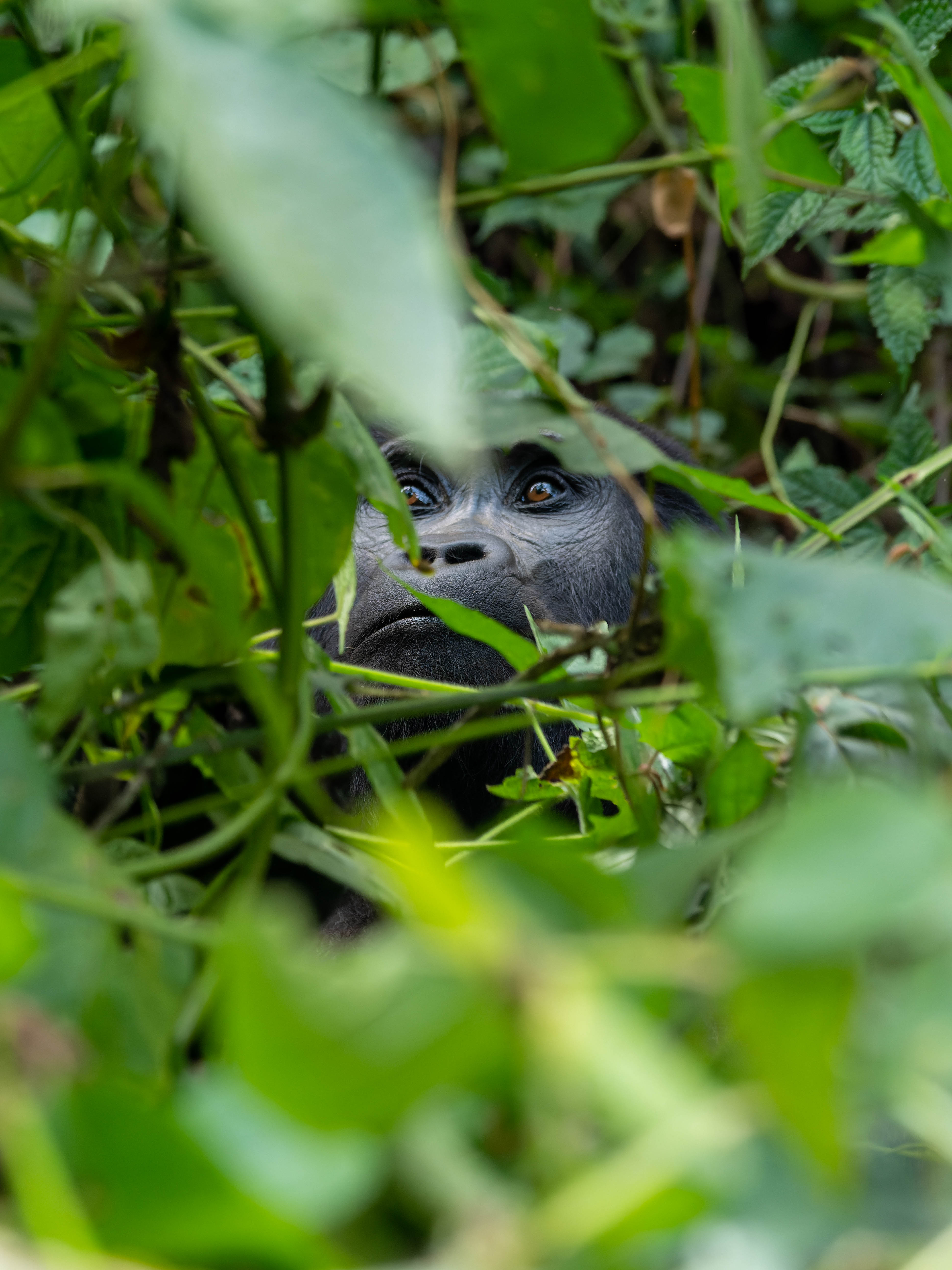
I was lucky enough to go see the mountain gorillas in both Uganda and Rwanda this summer. A truly unforgettable experience. Now all that's left is Congo's population (though sadly I don't know when it will be safe enough to go). For now, I'm fortunate to live so close to these wonderful creatures that are a joy to photograph.
You instantly got my vote, just from the subject-matter. But then, the images you captured are over the top! Such intimacy, detail!
They would have been gone if not for ecotourism.
Decades ago, I said that ecotourism is one of the most effective tools to preserve what remains of nature. It's a mixed bag today: With the human pop exploding, ecotours of gorillas are learning they can charge *any* amount for just an hour or so of close-viewing the gorillas. Is this true? Would you fill us in a little? Thanks.
There is something very special about gorilla images, it kind of shuts me out of this 'human world' and makes me wonder what they know that we don't understand. It sure seems easy to connect with their eyes, they really seem to be that portal to the soul, very very powerful.
Your images give me goosebumps, that is the biggest compliment I can give you
Thanks for sharing your encounter and I hope you continue to enjoy their company when you can.
Karl
wonderfully done, Nova. these images evoke such powerful emotions. thanks for sharing. a very big vote from me. looking forward to seeing more of your images in future.
bs kite wrote:
You instantly got my vote, just from the subject-matter. But then, the images you captured are over the top! Such intimacy, detail!
They would have been gone if not for ecotourism.
Decades ago, I said that ecotourism is one of the most effective tools to preserve what remains of nature. It's a mixed bag today: With the human pop exploding, ecotours of gorillas are learning they can charge *any* amount for just an hour or so of close-viewing the gorillas. Is this true? Would you fill us in a little? Thanks.
And it is true, ecotourism is a large part of why mountain gorillas have moved from critically endangered to just endangered, and of course because of the efforts of people like Dian Fossey. I'd say it's a bit more complicated than simple price-gouging when it comes to Rwanda's pricing strategy. I think of it more as building a niche.
They know that DRC and Uganda cater towards more "budget-friendly" trekking, but Rwanda can offer a more luxurious and - critically - safer experience. So, they have decided to target wealthier customers who want a safer, smoother experience. One thing to consider is that if you trek in Uganda, which is half the price, you must either take a private plane from the capital city and international airport, or a 10 hour drive.
In Rwanda you can be at the gorillas from the airport in less than 3 hours. Additionally, the terrain in Rwanda is much more forgiving for older clientele. I'm in my 20s and a frequent hiker and Uganda was a struggle for me because of the thick forest and steep trails.
So Rwanda in some ways is the perfect destination for someone who is maybe older or retired, has always wanted to see gorillas, has the money to spend but maybe not the most adventurous of travelers. And these people tend to be good philanthropists or investors as well.
This is not to mention the money that goes to the community as well, as the article you linked states. Rwanda has done things like employ former poachers as community guides to prevent poaching, and pays local farmers compensation when gorillas destroy their crops (as seen in the recent documentary on Netflix called Our National Parks).
So there's a lot to consider. I wish the prices were cheaper, and fortunately I get a resident discount for now but that will even expire soon, which will send me back to Uganda and maybe DRC. But I get why they do it and if it helps the gorillas and the people of Rwanda in the end, that's what matters.
Powerful set of images. The eyes, the gentleness, the habitat......
Knowledge of the history of the sociopolitical context of access and conservation makes the impact of the images on the viewer even more substantial.
My understanding of the history of the ecotourism is that despite the clear contribution of Fossey, she was opposed to development of ecotourism. The credit for that perhaps belongs to Amy Vedder and Bill Weber. This article captures how I have understood that history:
bcd80 wrote:
Powerful set of images. The eyes, the gentleness, the habitat......
Knowledge of the history of the sociopolitical context of access and conservation makes the impact of the images on the viewer even more substantial.
My understanding of the history of the ecotourism is that despite the clear contribution of Fossey, she was opposed to development of ecotourism. The credit for that perhaps belongs to Amy Vedder and Bill Weber. This article captures how I have understood that history:
Thank you, and I believe you're right about Fossey. I didn't mean to conflate her work with that of ecotourism. I simply meant that Dian Fossey brought a lot of attention to gorillas and raised awareness about their endangerment. I don't know exactly how she would feel about what's happening today, as I'm sure she'd be happy about the overall numbers of mountain gorillas increasing, but probably not the hordes of tourists visiting their habitats everyday. It's a delicate balance.
Beautiful set and thank you for the reminder how dangerous their situation is. Humanity on a whole, are not worthy to be the custodians of this beautiful planet we share with all the Life on it.
Wonderful photos and what an amazing experience which shows how amazing these beings are