I think sharpening and processing falls into the "beauty is in the eye of the beholder" realm. I finish my shots the way I like them and so does everyone else. "Different strokes for different folks."
---agree. some images speak more to aesthetics than to showcase a particular lens' abilty to render IQ or the camera operator's ability to capture it. i can't do aeshetically pleasing, no eye for it, so i strive for high IQ.
I personally like the background on your Elk shots, but some would prefer the "buttery" background they would get with a FF 600mm @ F4. I think that the background gives presence to the subject. Others think it distracts from the subject.
Actually, I would have added texture and sharpened the subject more but that's me.
---agree. elk images are very well done as is. simply out of my default habits of processing images I would have sharpened the elk images more but because they could handle more sharpening without being overdone.
I find it much easier to overdo sharpening and processing than to under do it. Part of the issue I find is also publishing for a medium, there's so much compression etc. going on any time you upload to a website, forum, etc., half of the time it doesn't look the way you expect.
I get into arguments all the time with the turkeys over at Dpreview as they keep denying that uploaded images will suffer from loss of detail due to the compression they have on that site. I don't see it much over here fortunately. They are a highly uneducated bunch over there, however.
Bobby V wrote:
I find it much easier to overdo sharpening and processing than to under do it. Part of the issue I find is also publishing for a medium, there's so much compression etc. going on any time you upload to a website, forum, etc., half of the time it doesn't look the way you expect.
The challenge when preparing an image to post online is trying to figure out what works best with the varying amounts of compression the various sites use, as well as guessing what sort of device or display most of your viewers will see it on. I've never figured out how to process so the image looks equally good to everyone, so I just try to please myself.
My process is to run the RAW file through DXO Pure Raw 2. If, at this point I simply crop, if necessary, the image looks kind of flat to me but many others like it the way it is.
Usually, I increase texture in ACR than run it through Topaz Photo AI adding a bit of sharpening to the subject only. I like the result, but others consider it over sharpened.
Simply stated I want my image to POP when viewed on my wall. I typically print @ 11-14 on metal/glossy finish and I have a light on the picture. The shots are viewed 8-10' because the dining room table is in front of the pictures.
Indeed, sharpening is in the eye of the beholder. At least, these days. Going overboard with Unsharp Mask or Smart Sharpen made ugliness apparent to everyone in "the olde days"; there wasn't much debate about it. But Topaz Sharpen AI (the program I have most experience with) makes it easier to get good results. If overdone, the results aren't critically sharp, they are clinically sharp. Not ugly, but perhaps not as natural as some would like, either. You should do what pleases you, but it wouldn't surprise me if we all moderated our approaches to the new sharpening as the novelty of seeing great detail begins to shift with time.
Post processing is our reality these days being a photographer. There simply is NO way around it. You pick your poison. I feel, towards anything Adobe does as dog poo. My preference would certainly be the full DXO PHotolab (now ver: 6) in general. But I have found both ON1 NoNoise as well as sometimes Topaz Sharpen AI to be a great tool. I nearly NEVER use their default results but modify it as has been mentioned, the standard settings tend to be a bit over the top. But backing off certainly can attain results no other sharpening method can bring to the table. I was blessed with a procedure 14 years ago that left me with 20-15 vision. I became fanatical about detail being revealed more since that. I don't believe my end native shots are by any means "oversharpened" but rather simply reveal fine detail. There, to me is NOTHING wrong with that. It's downright exciting. I'm sure NOT trying to capture some neutered film like look by any means. I'm all about detail. If that's a taste issue so be it.
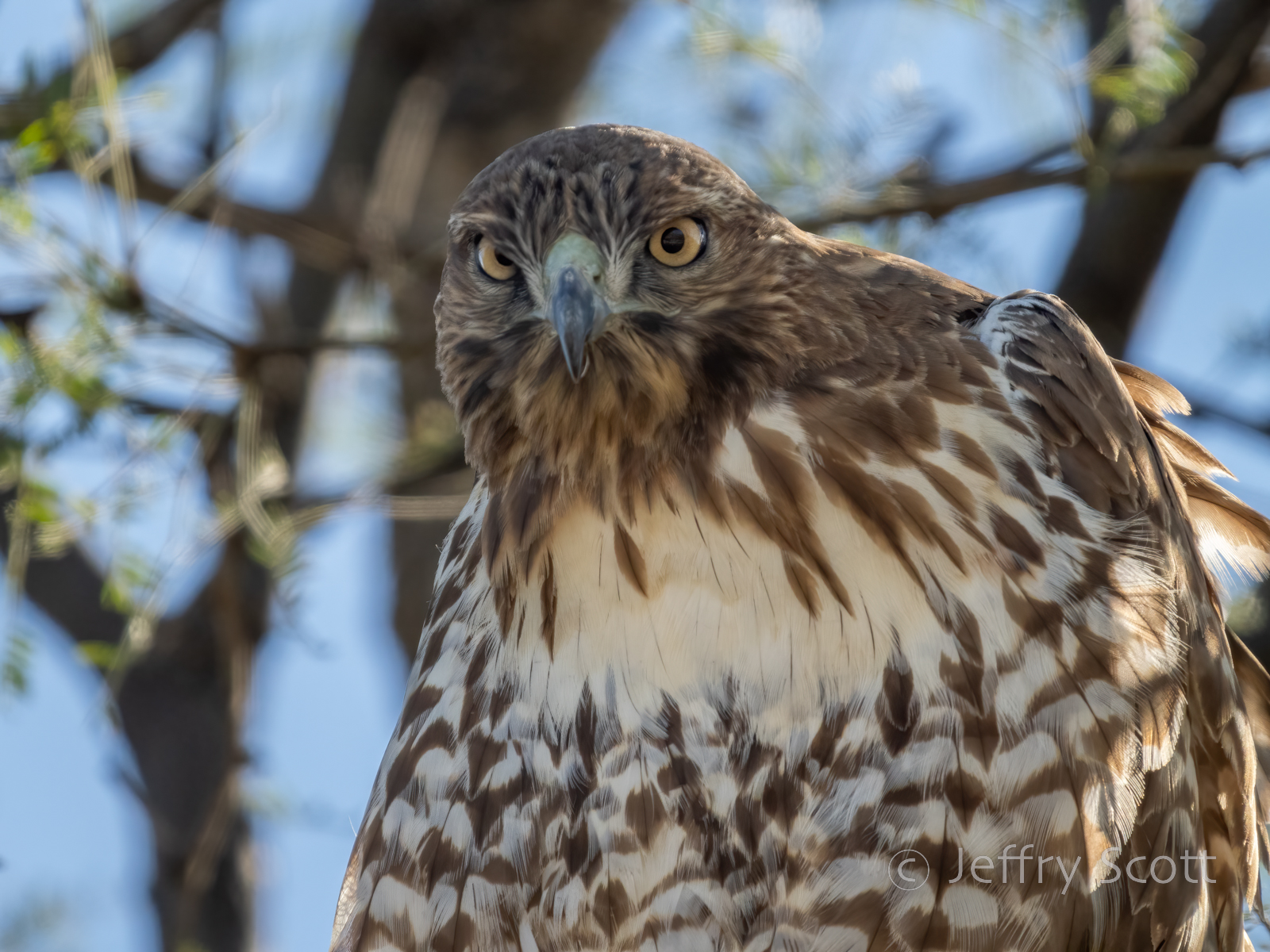
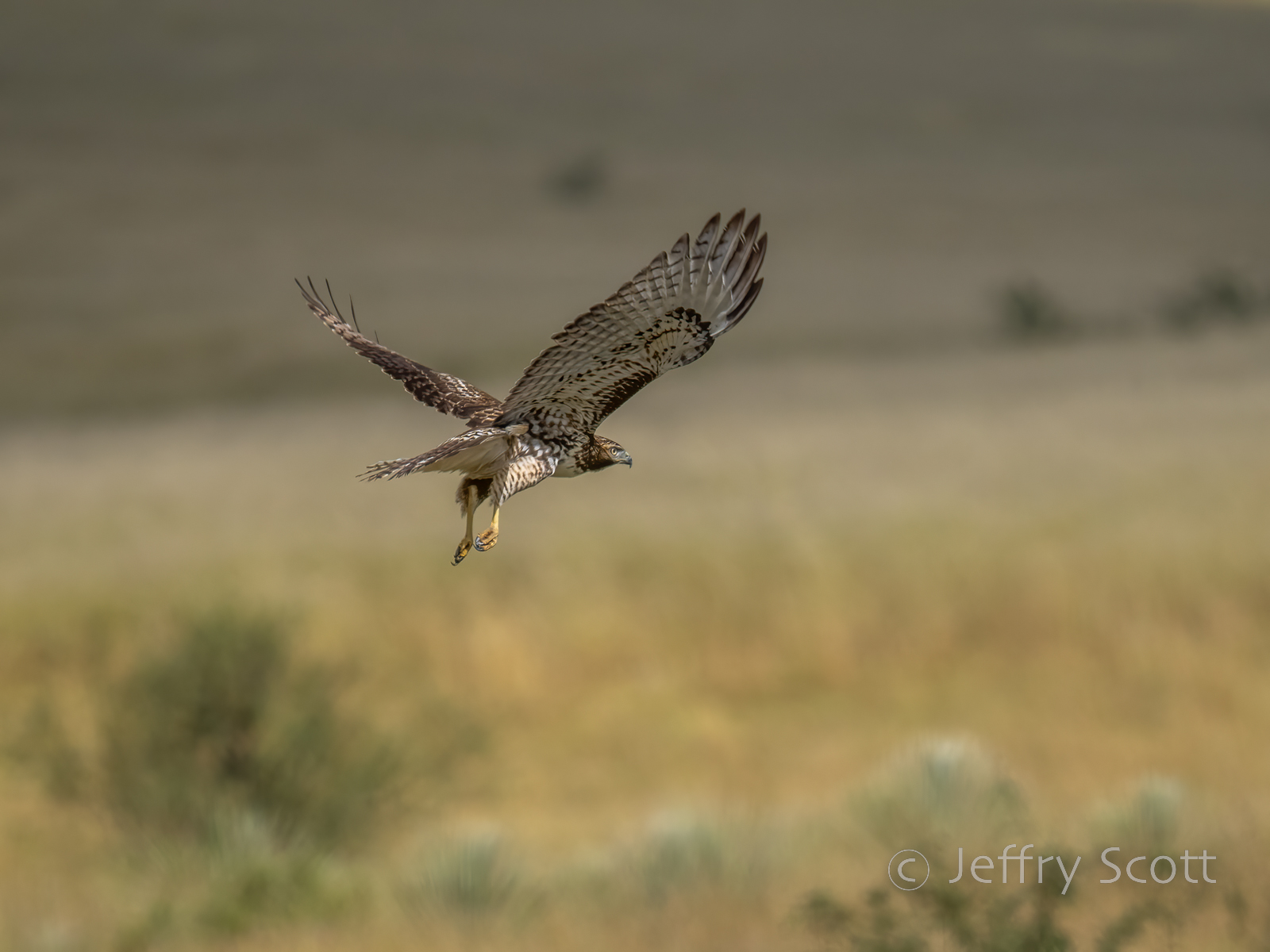
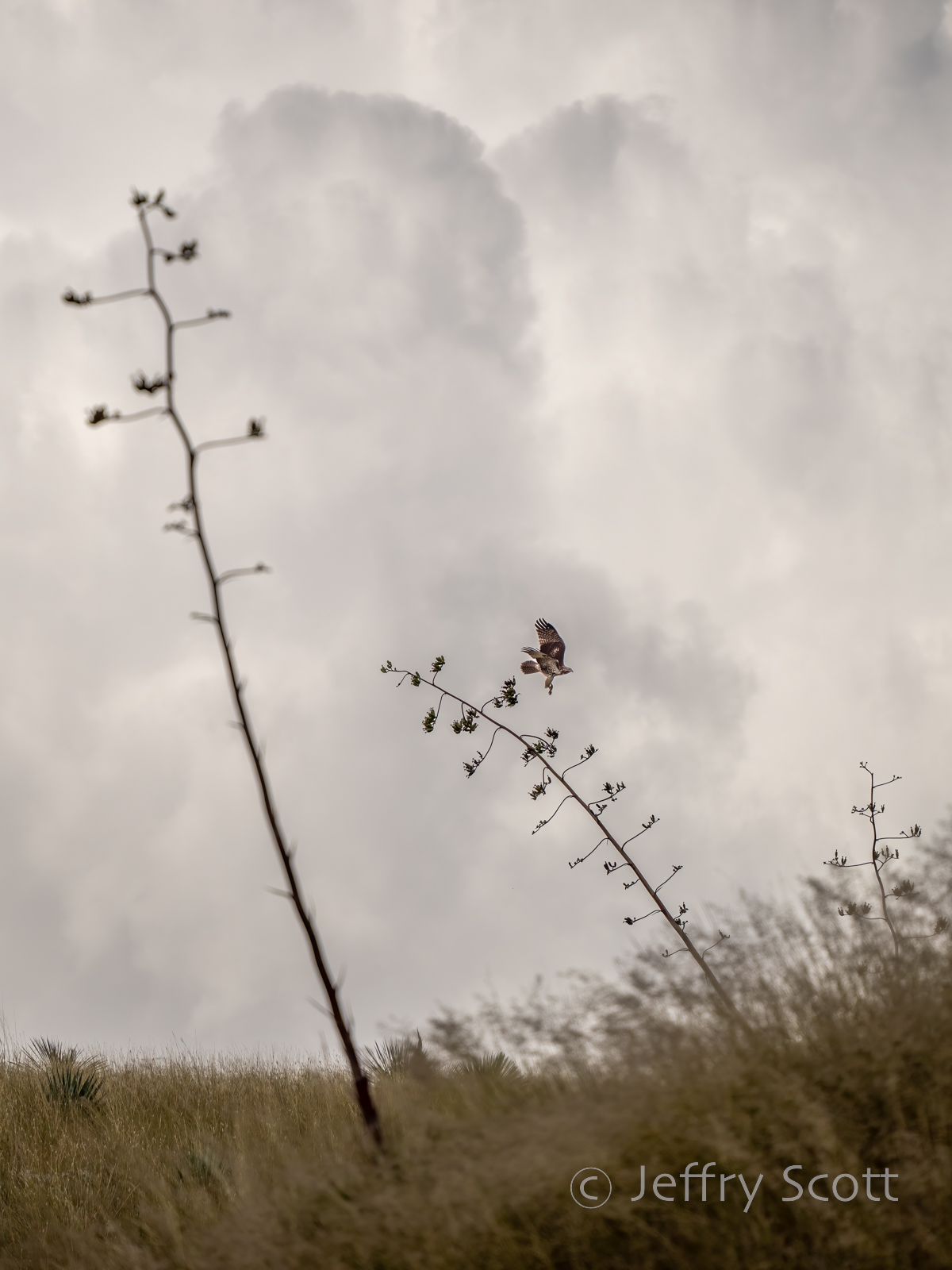
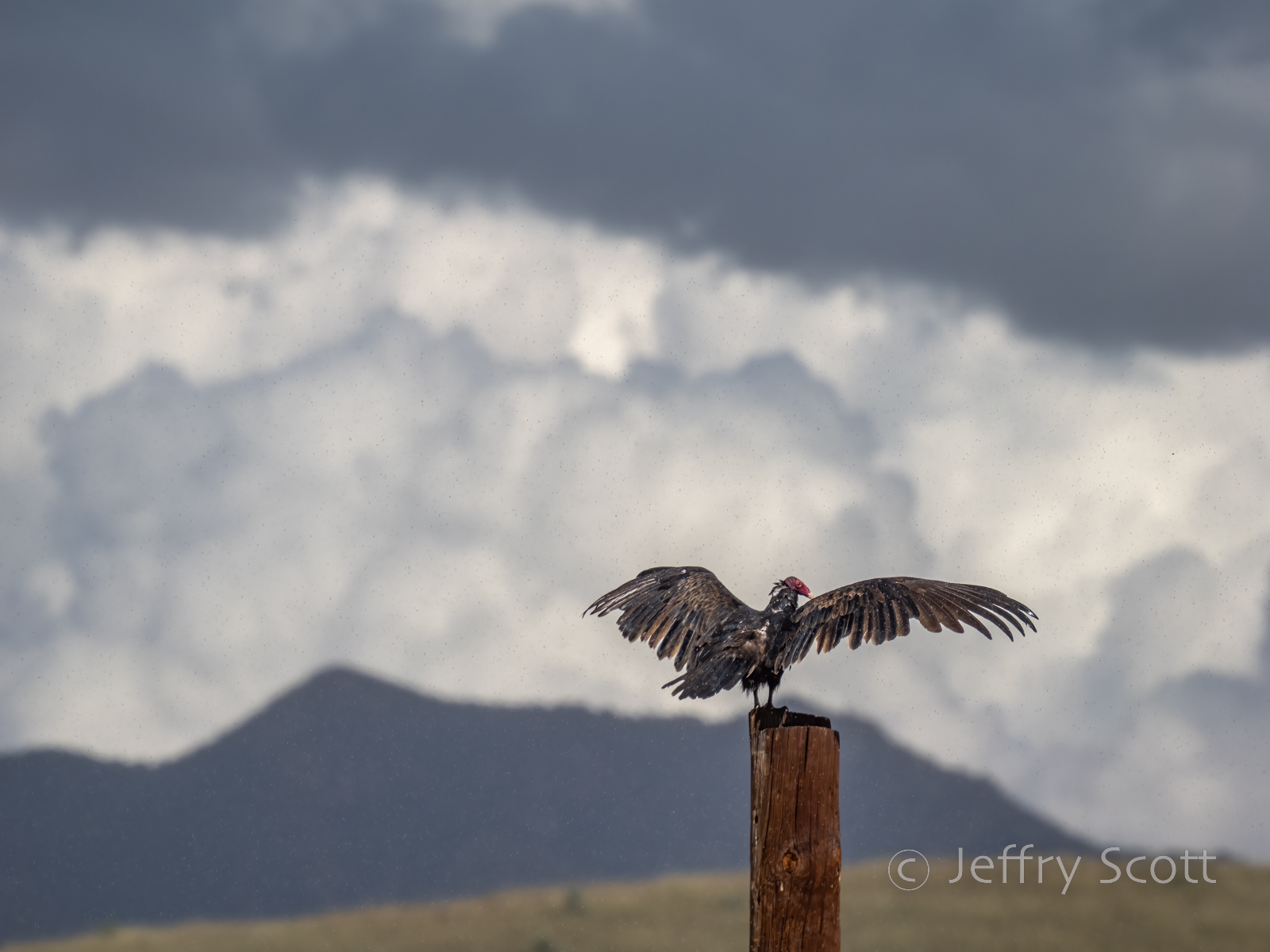
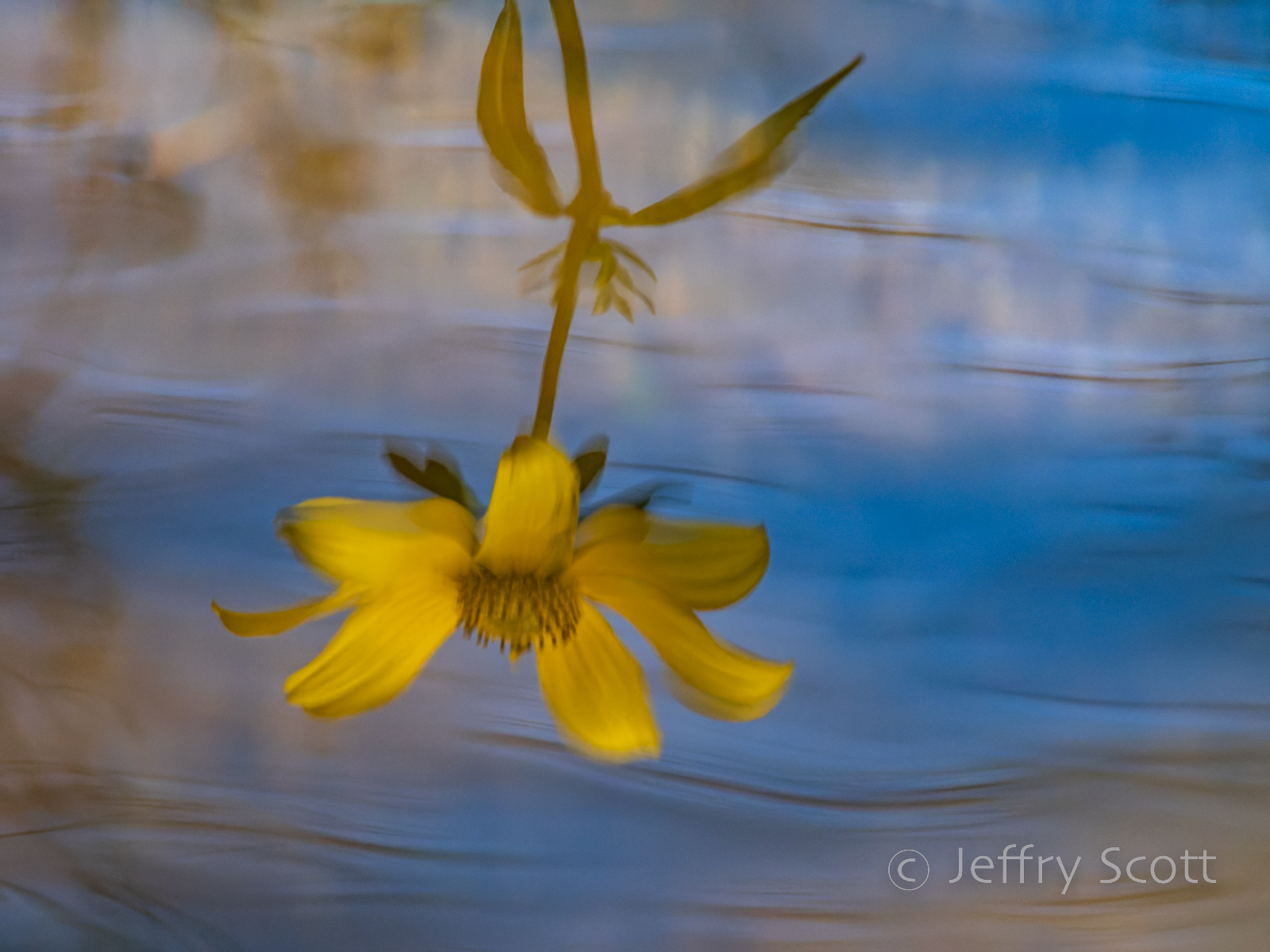
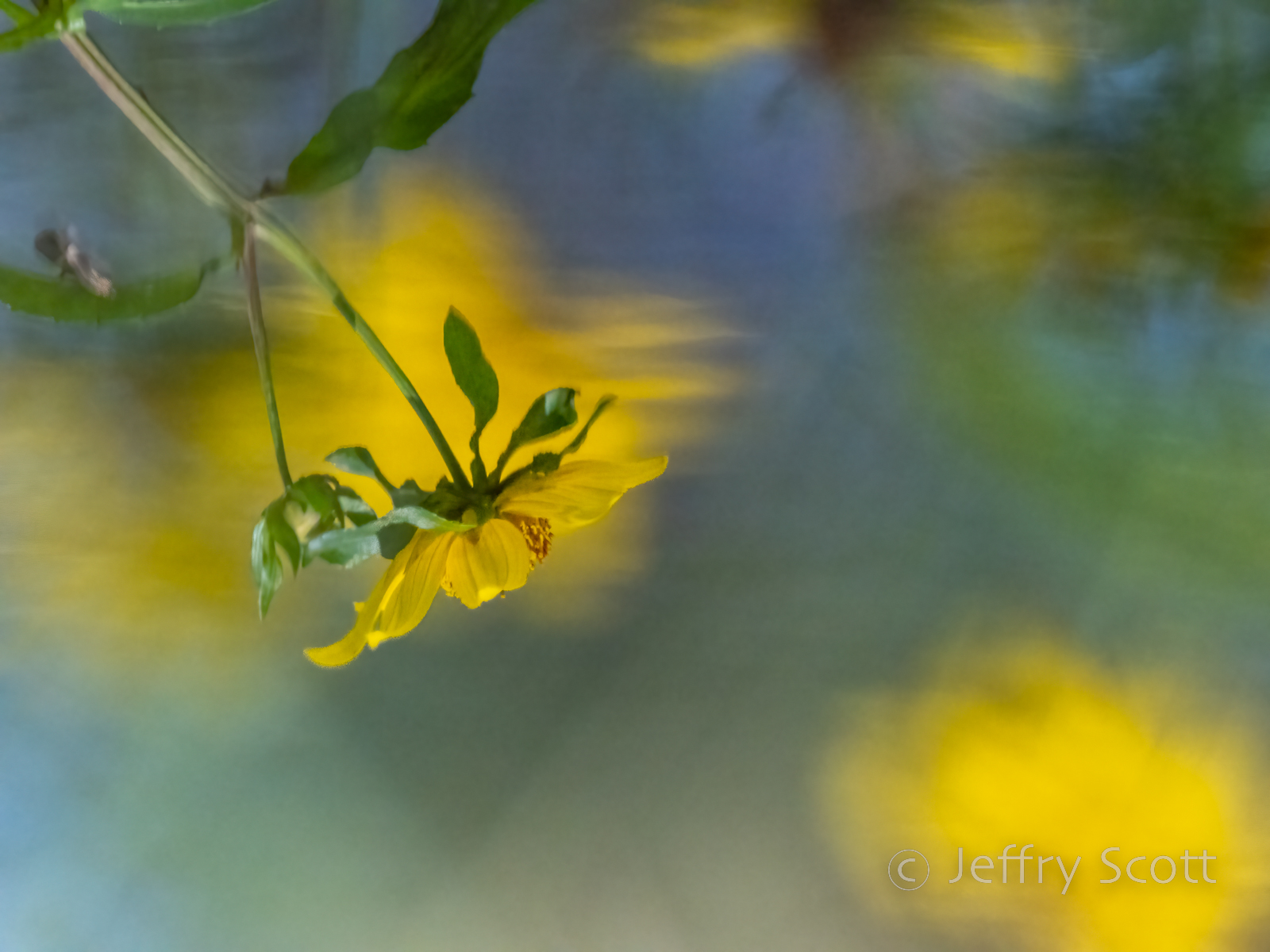
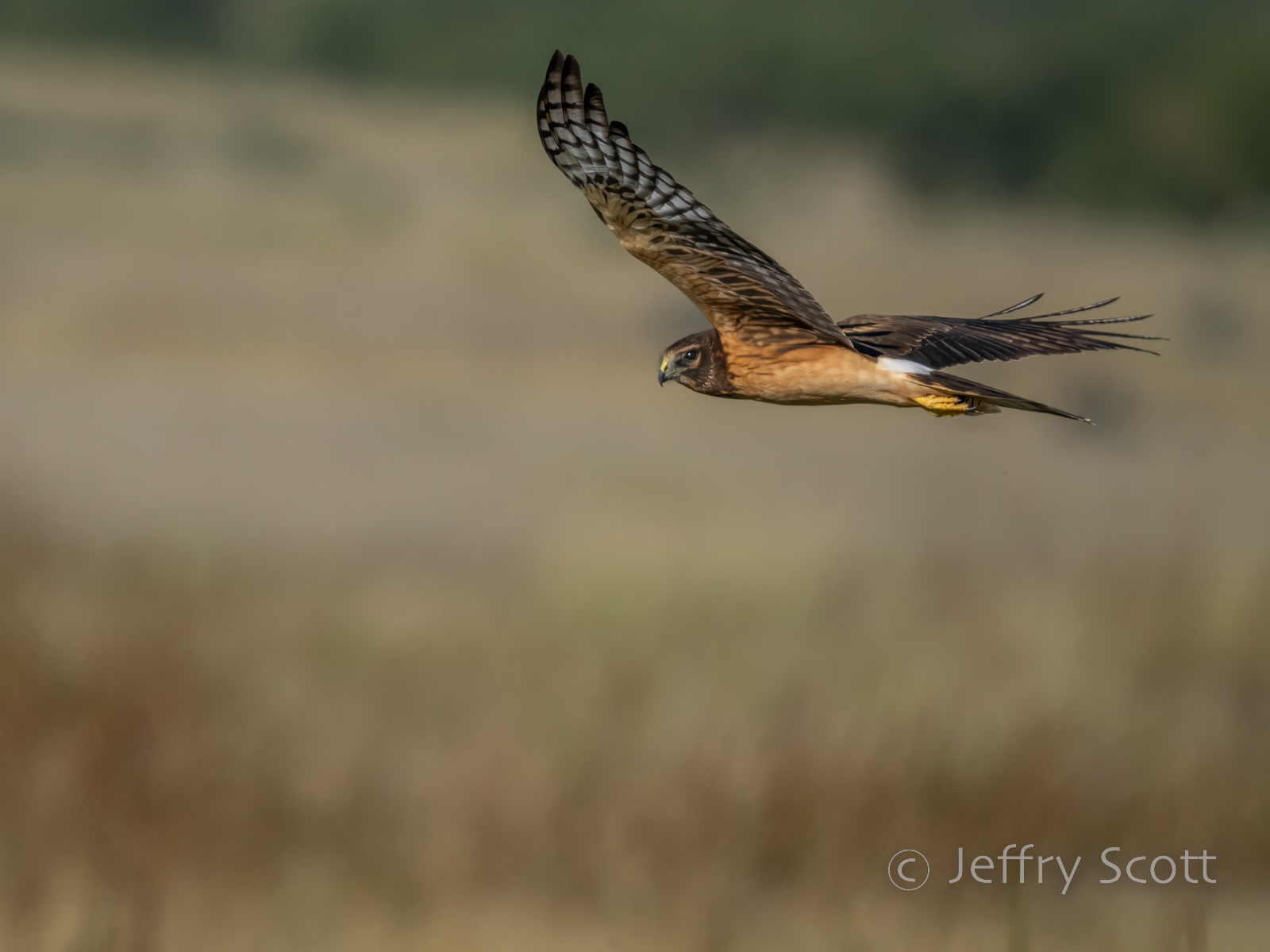
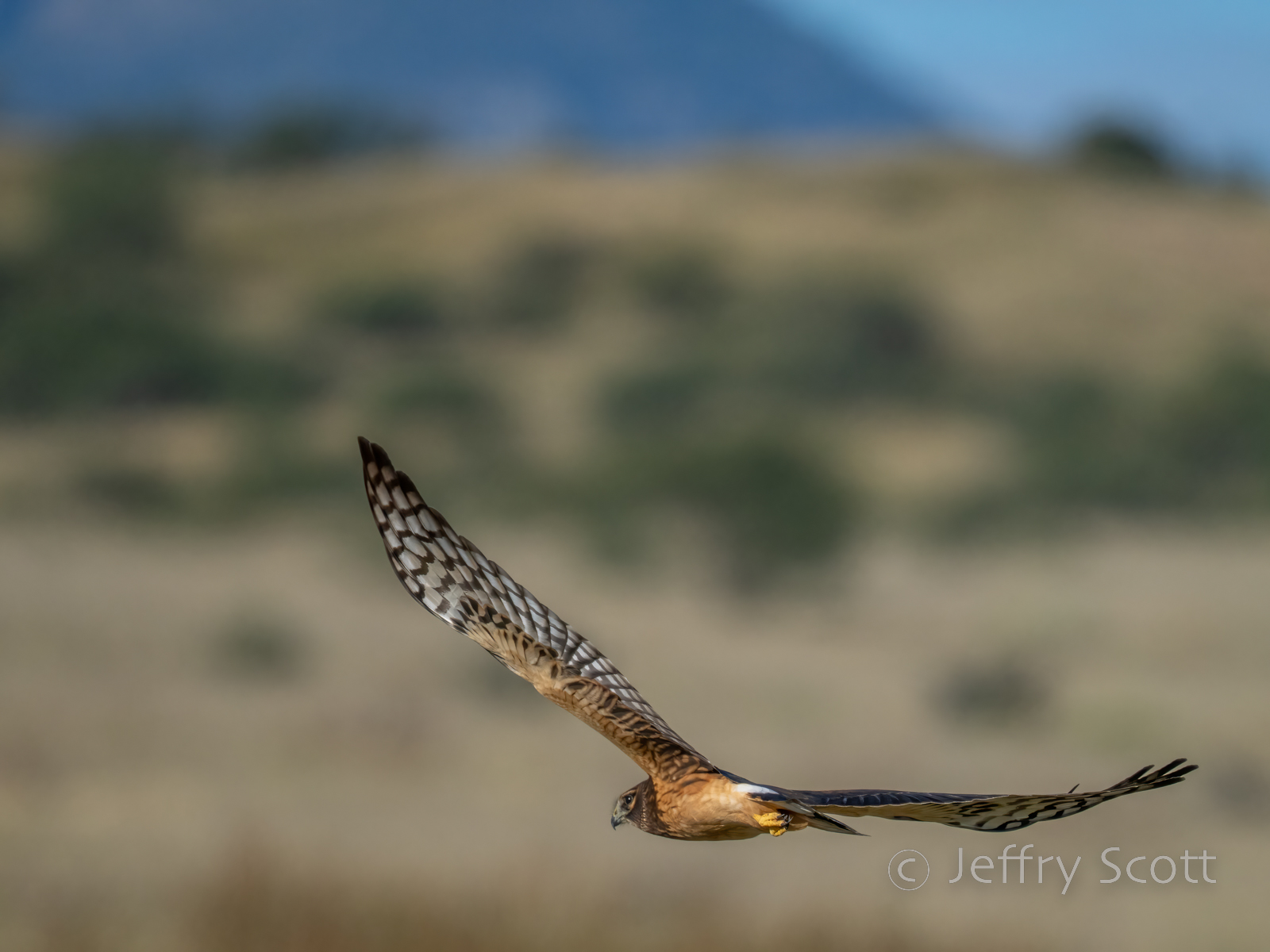
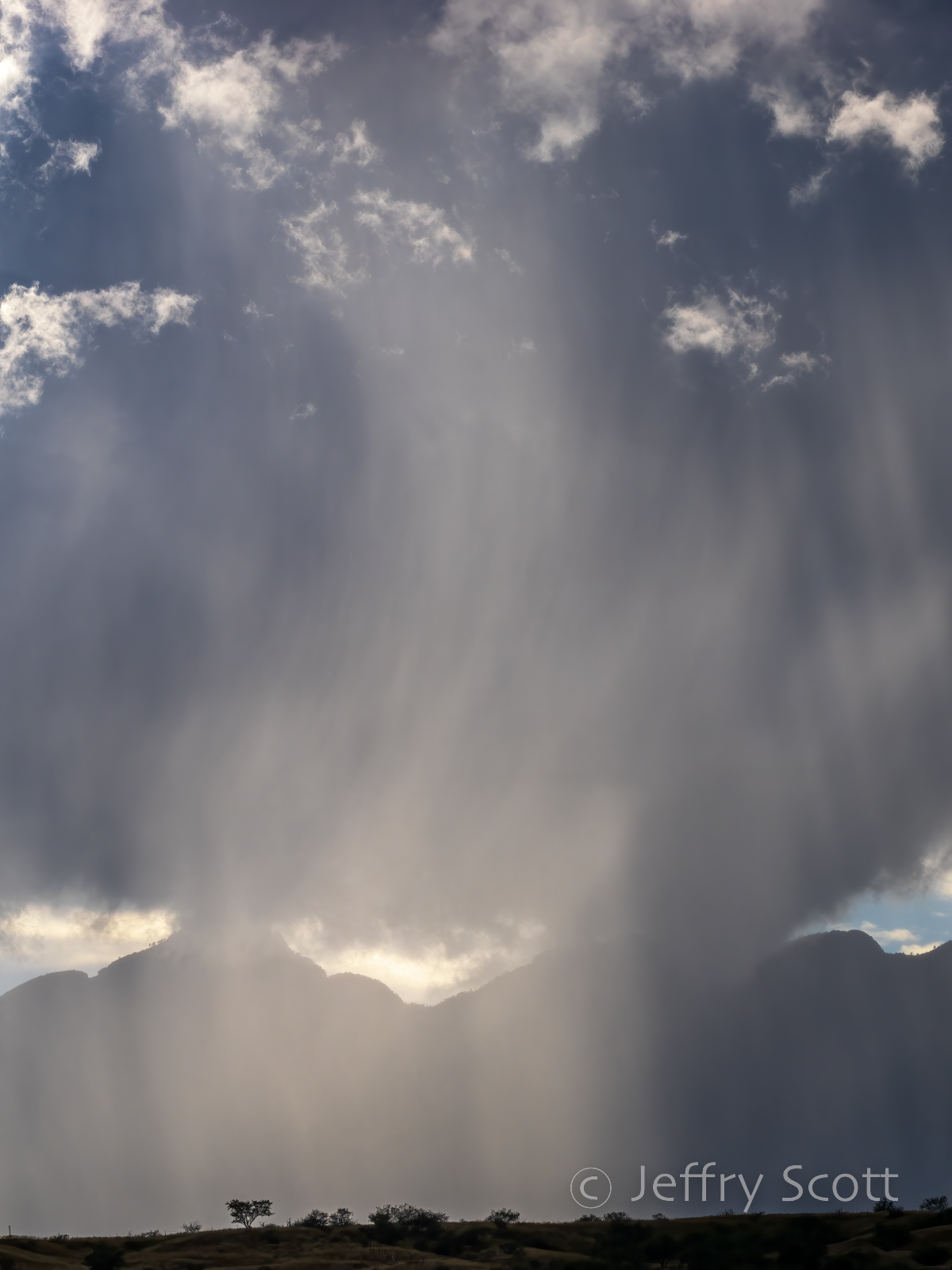
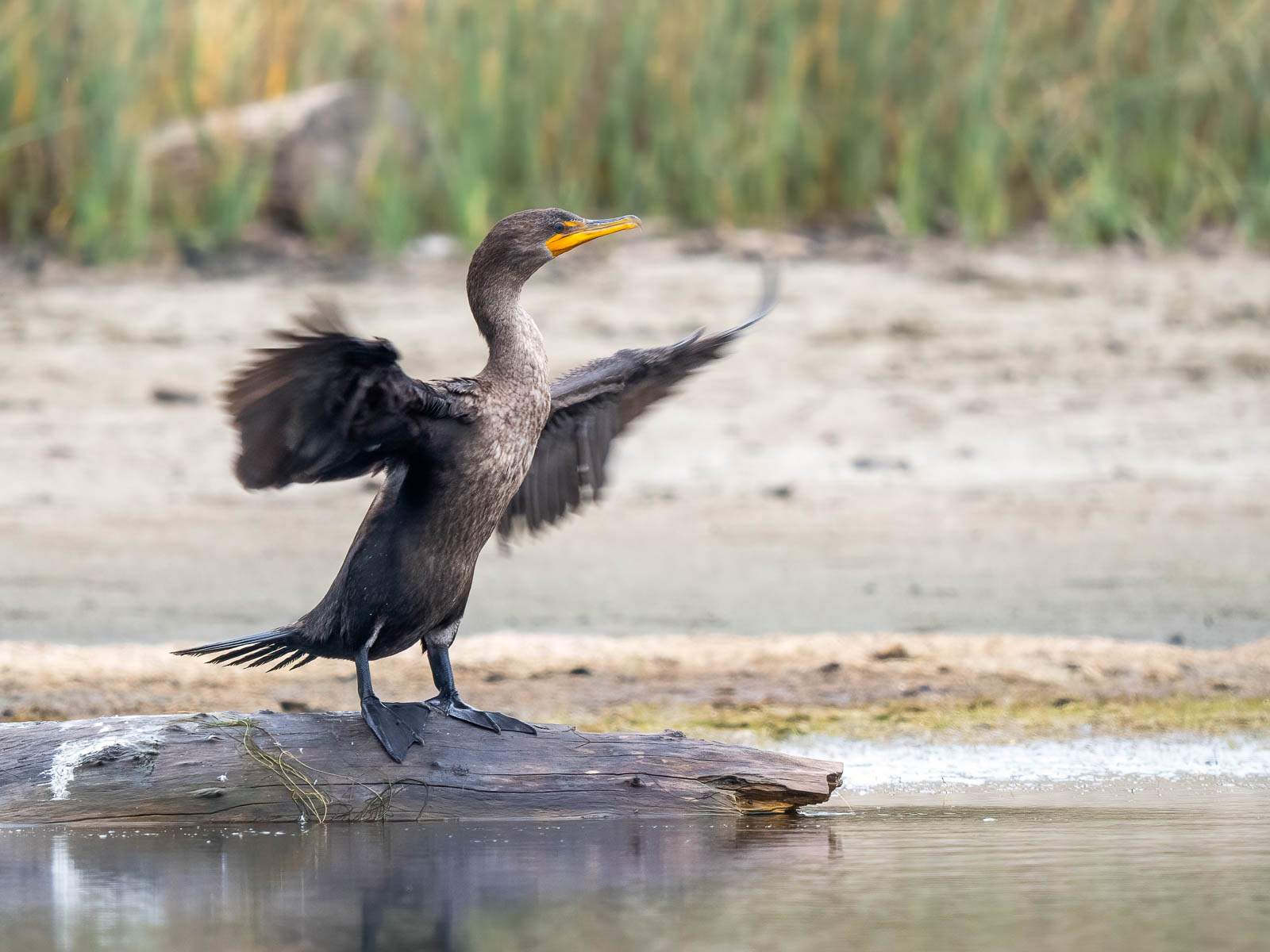
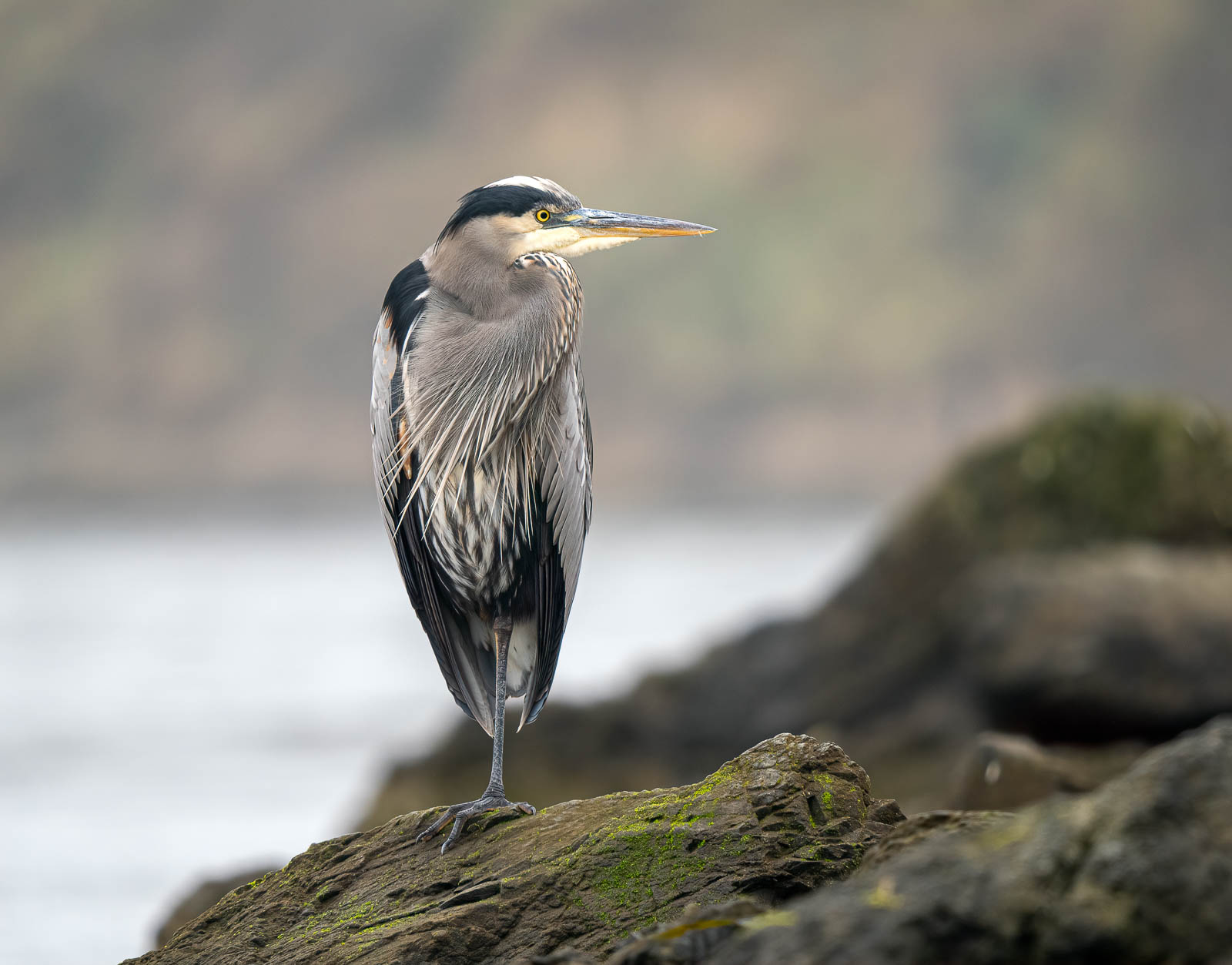
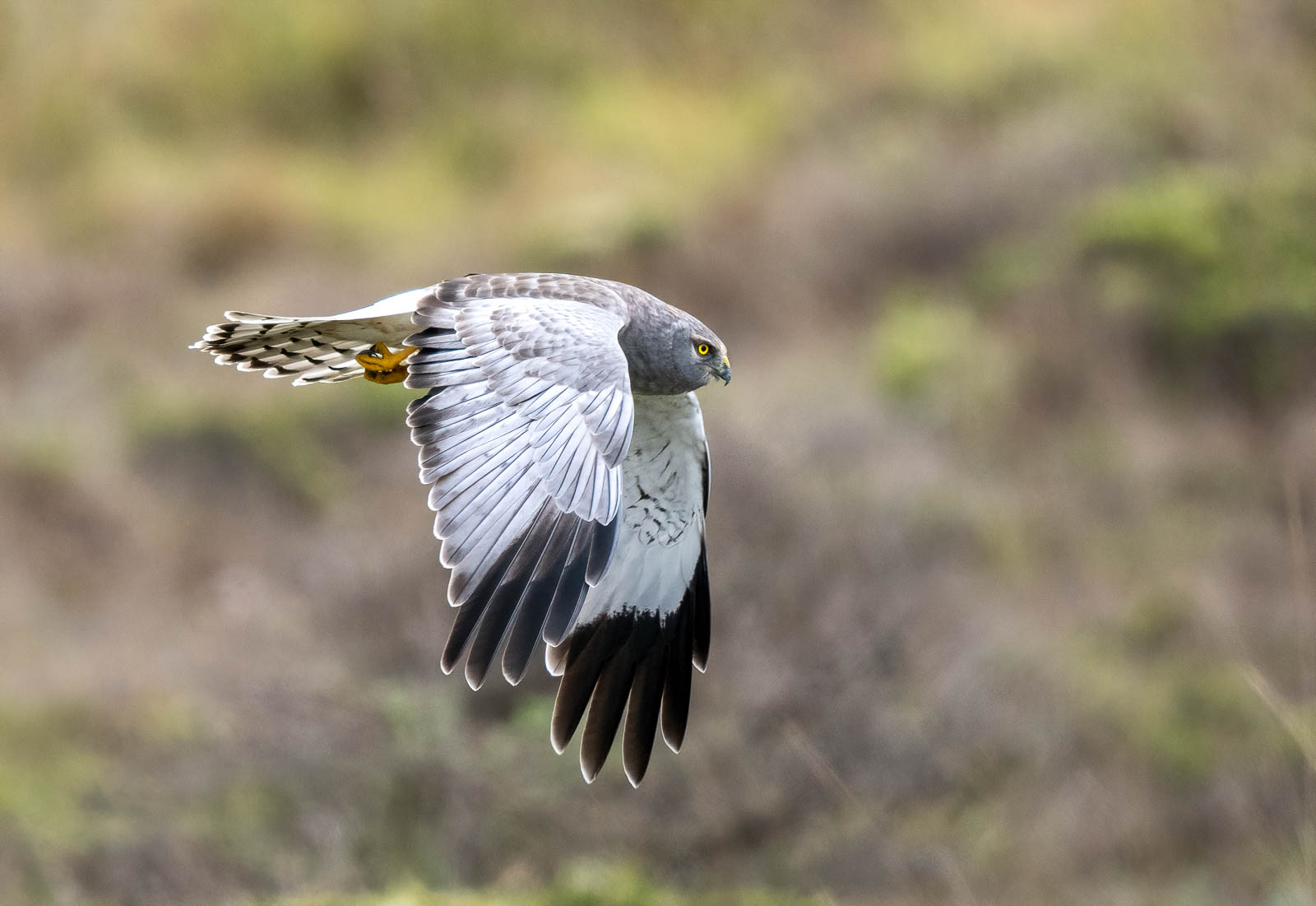
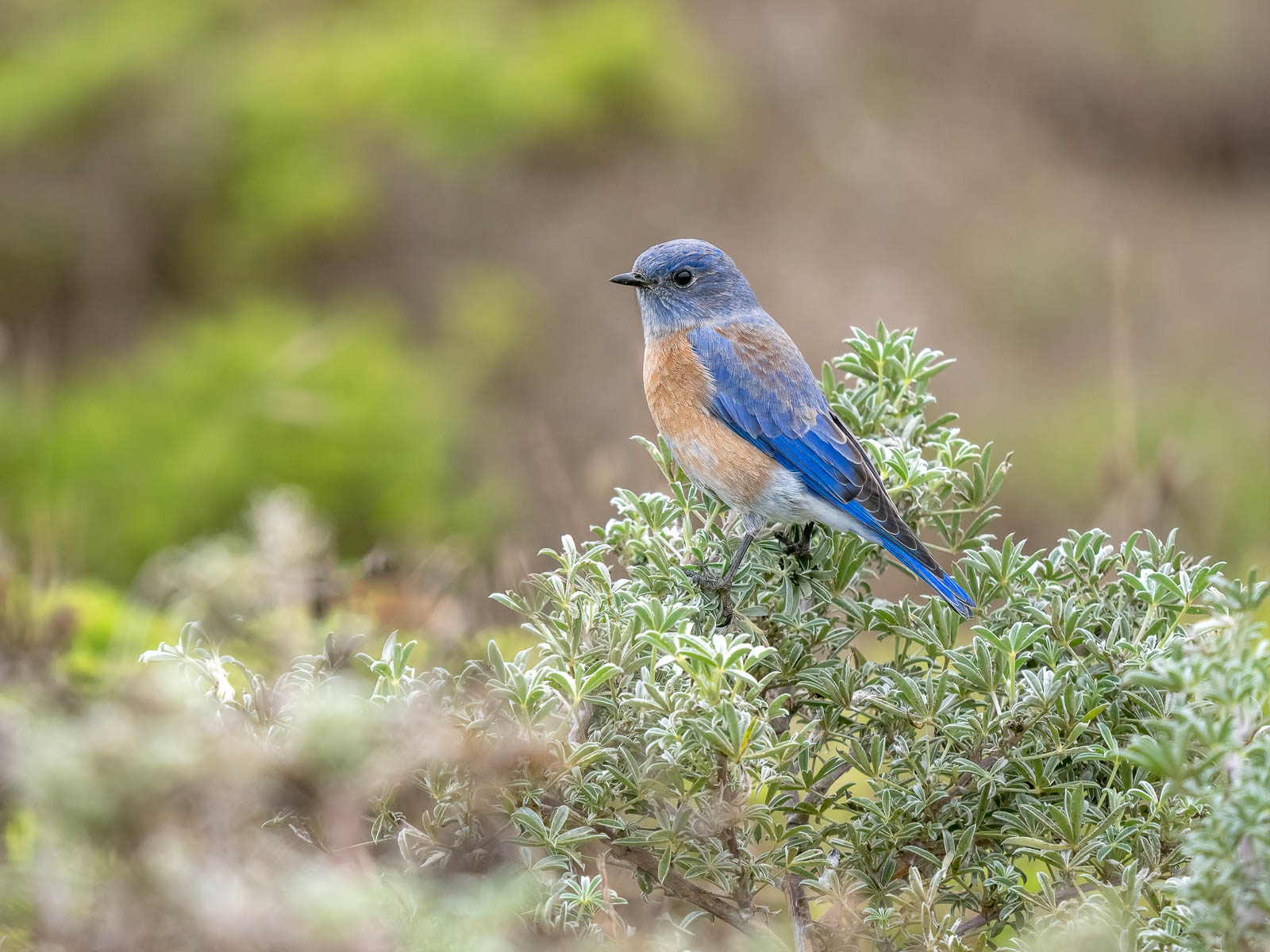
Back to images. Went south of Tucson to a place called Las Cienegas National Conservation Area and was treated to lots of raptors and some pleasant reflections in the riparian area. All shot with OM-1 and 150-400 with and without the MC-14.
OM-1M.150-400mm F4.5 TC + MC-14 lens700mmf/8.01/1250s1600 ISO-0.3 EV
OM-1OLYMPUS M.150-400mm F4.5 TC lens500mmf/6.31/2000s320 ISO-0.3 EV
OM-1OLYMPUS M.150-400mm F4.5 TC lens275mmf/6.31/2000s320 ISO+0.3 EV
OM-1M.150-400mm F4.5 TC + MC-14 lens700mmf/8.01/1250s1600 ISO-1.3 EV
OM-1M.150-400mm F4.5 TC + MC-14 lens700mmf/8.01/1250s3200 ISO-1.0 EV
OM-1M.150-400mm F4.5 TC + MC-14 lens700mmf/8.01/4000s1000 ISO-0.3 EV
OM-1M.150-400mm F4.5 TC + MC-14 lens700mmf/8.01/4000s1250 ISO-0.3 EV
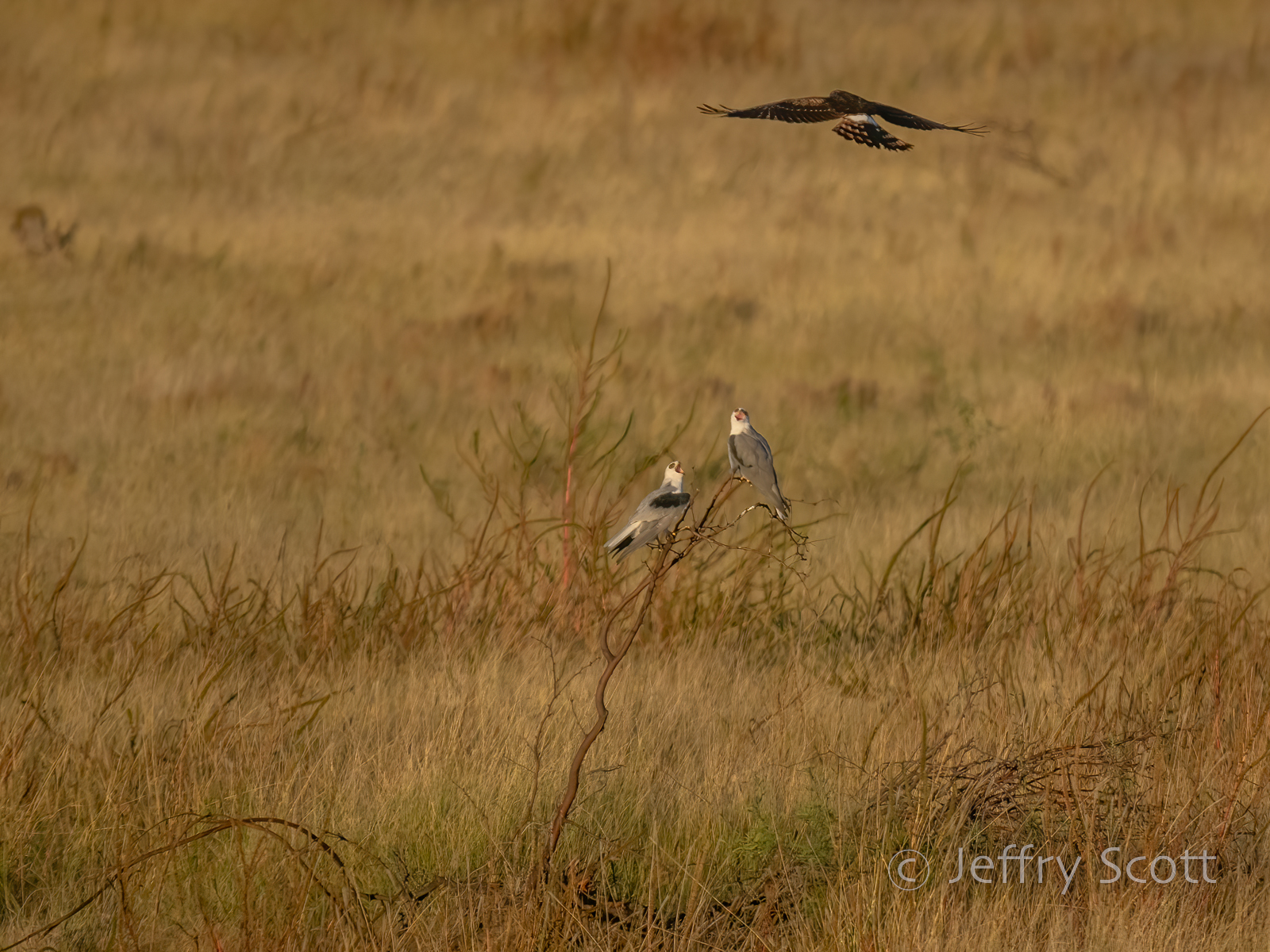
Harrier harassing white-tailed kites.
OM-1OLYMPUS M.150-400mm F4.5 TC lens500mmf/5.61/2500s640 ISO-0.7 EV
OM-1OLYMPUS M.150-400mm F4.5 lens150mmf/8.01/1600s160 ISO-1.0 EV
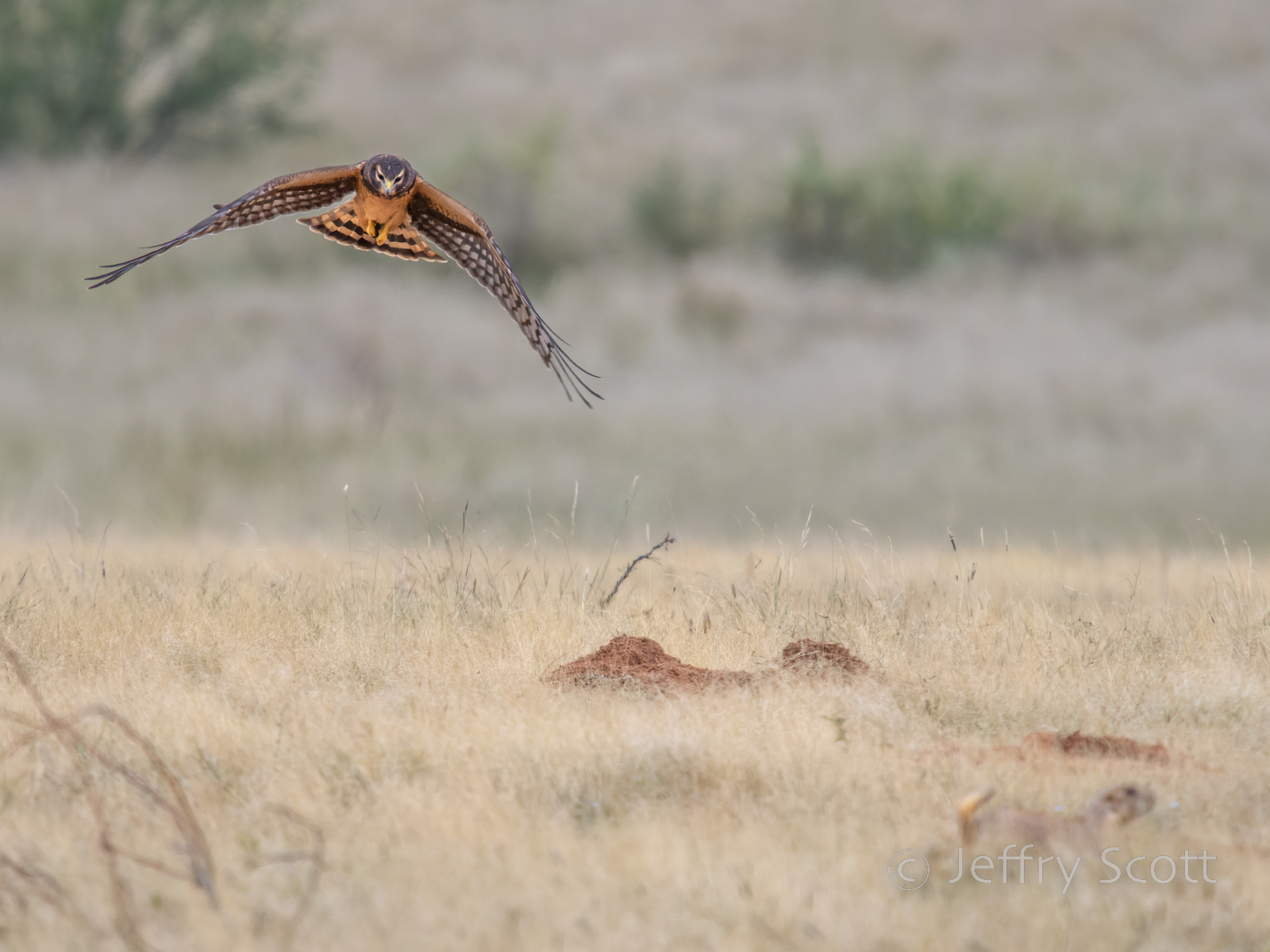
Harrier harassing a prairie dog
OM-1M.150-400mm F4.5 TC + MC-14 lens642mmf/8.01/1000s1250 ISO0.0 EV
jeffryscott wrote:
Back to images. Went south of Tucson to a place called Las Cienegas National Conservation Area and was treated to lots of raptors and some pleasant reflections in the riparian area. All shot with OM-1 and 150-400 with and without the MC-14.
Nicely done Jeff. I like the variety showing the versatility of this lens.
The Sync IS of the Olympus system is truly amazing. On this thread and others it’s evident. Even without it on the 100-400 slow shutter speeds are not uncommon and the photos are sharp handheld. Is there a shutter speed that renders the IS meaningless or maybe becomes a hindrance? Does Sync IS cause any vibration that could cause blur? Without Sync IS is camera or lens IS preferred over the other? Thanks for your help?
I never turn it off, but I haven't done any empirical testing either above certain shutter speeds. The OM-1 Manual says this with regard to OIS:
S-IS Auto "Image stabilization applies to motion on all axes.
If panning motion is detected, the camera will
automatically suspend image stabilization on that axis."
I have noted on a number of occasions, I was getting sharper images with less motion using my OM-1 along with the Olympus 100-400 lens with the lens IS in the OFF position allowing the body IS to take care of it all. It seems more consistent. And yes I stay on S-IS pretty much ALL the time. That is of course NOT how things work with the 12-100 f4 Pro lens I have which has the Sync IS in it. It's rock steady with it's IS in the ON position coupled with the body IS of course.