I was considering getting the 85 1.8s but this thread has tipped me in favour of the 105. The 85 would be somewhat close to my 50 1.8s and my old 105 macro is a D version so this will be a worthwhile upgrade. Impressive photography in this thread.
Spectro wrote:
I was considering getting the 85 1.8s but this thread has tipped me in favour of the 105. The 85 would be somewhat close to my 50 1.8s and my old 105 macro is a D version so this will be a worthwhile upgrade. Impressive photography in this thread.
Yes, the Z MC 105 is a cool multipurpose lens. I use it. for both portraits and maco work.
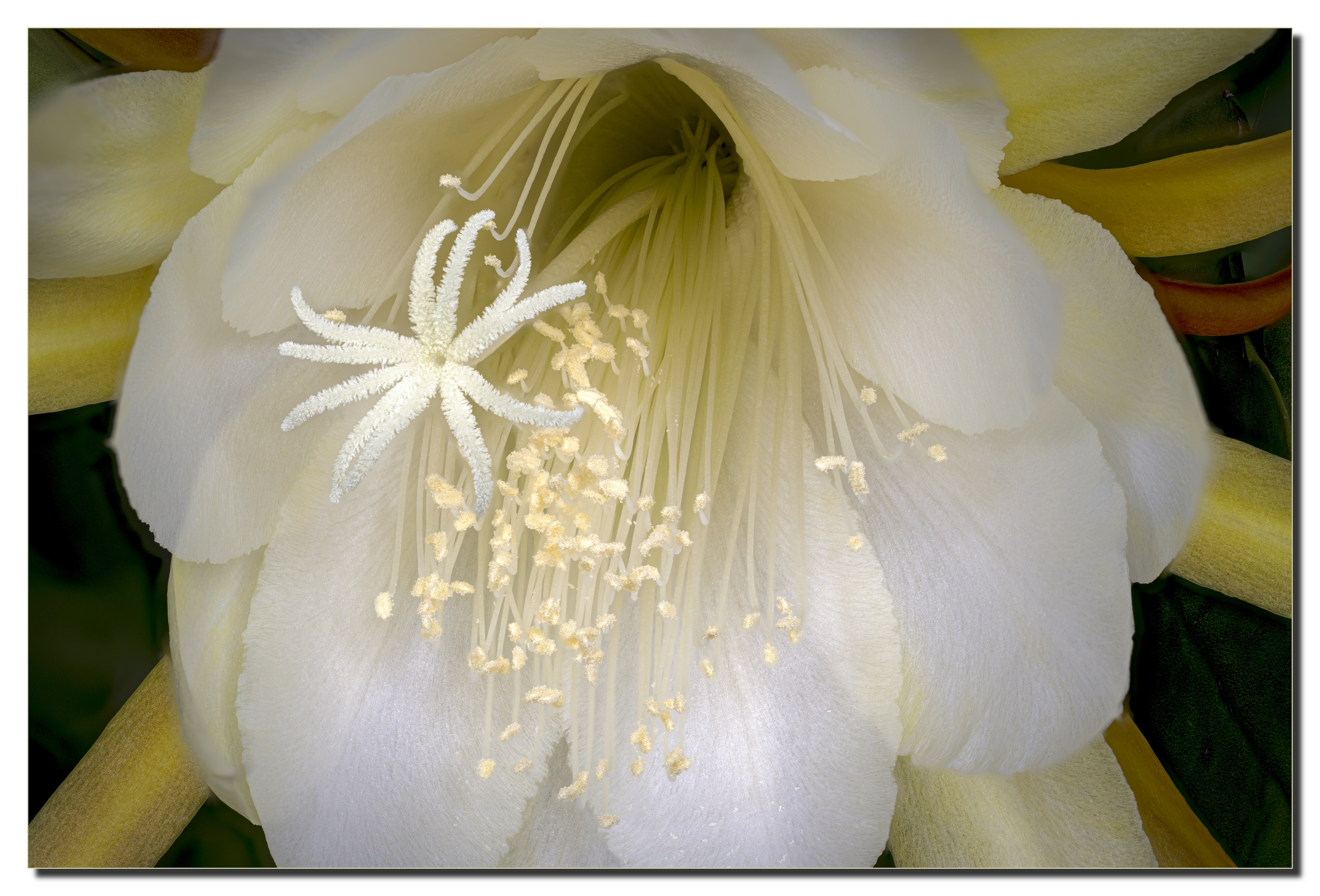
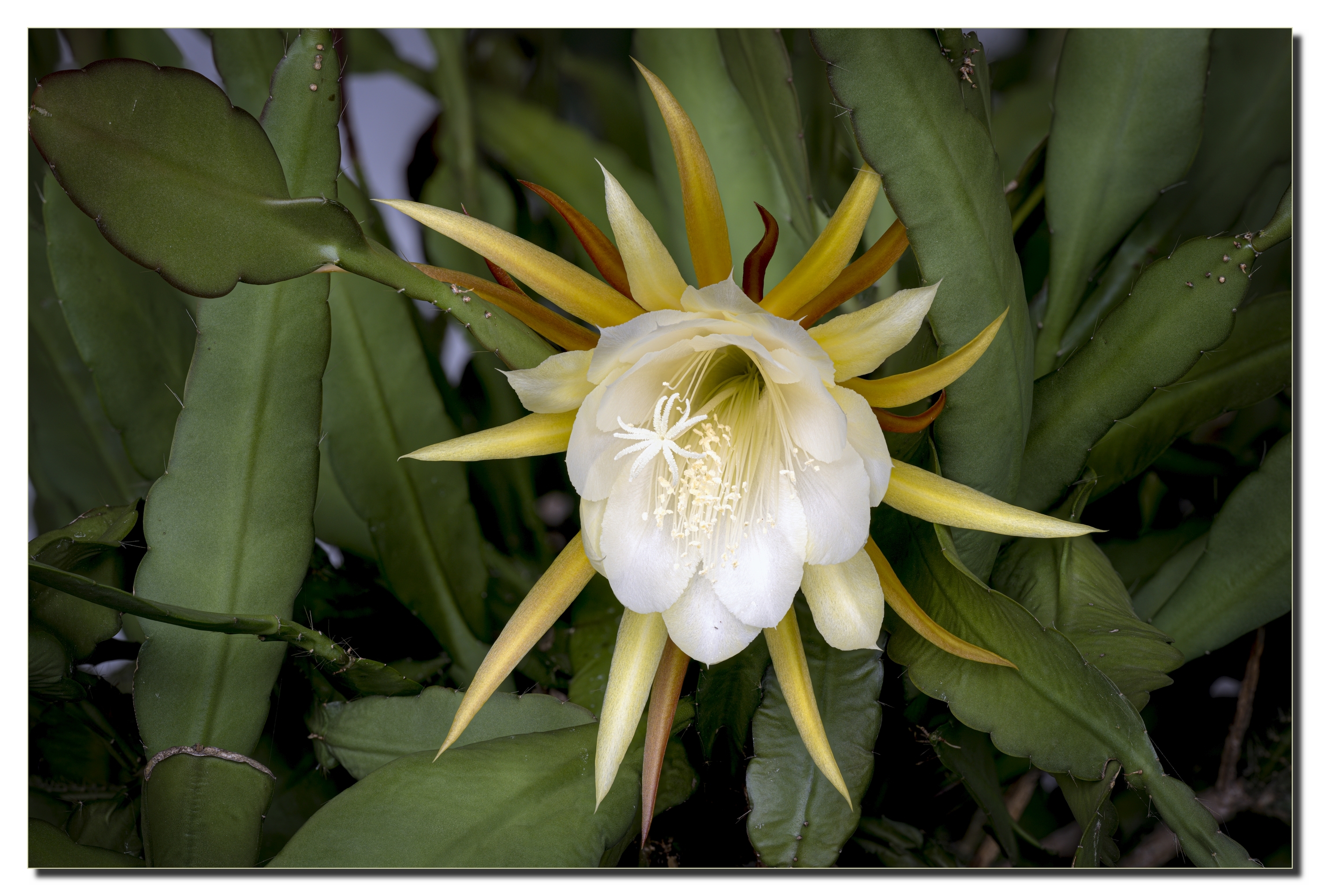
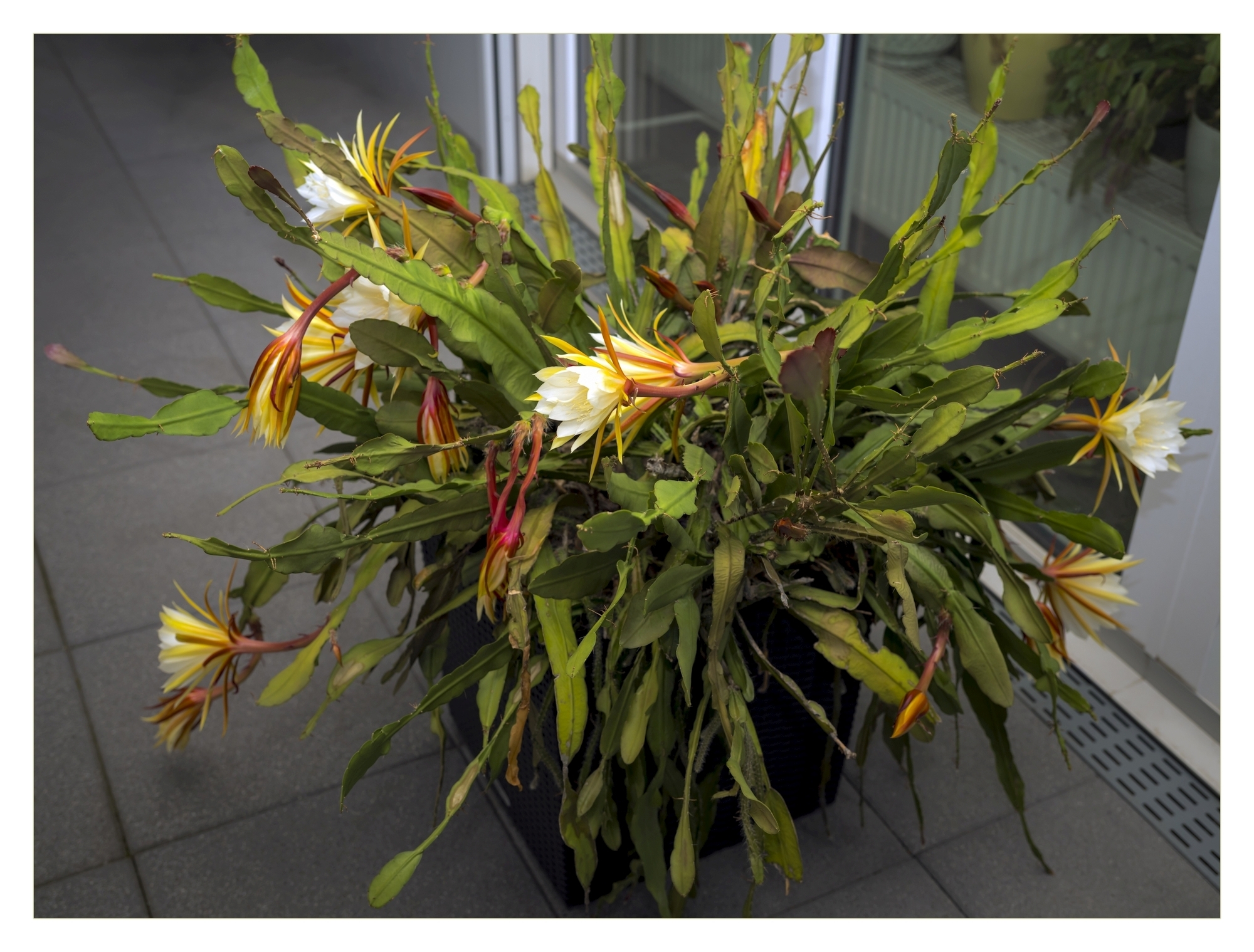
Although this wasn't taken with the Z MC 105/2.8 VR S—unlike the macro shots of the flower further up in the thread—here's a wide-angle shot of the Epiphyllum oxypetalum, the Dutchman's pipe cactus (Princess of the night or Queen of the night), in full bloom to give you a better overview.
This year, the number of flowers is enormous; I stopped counting at 25.
The plant is certainly at least 40 years old and has never had anywhere near this many flowers.
Half a dozen, maybe, but never this many.
After my mother, who planted it, passed away, I repotted it generously and pampered it with succulent soil; then it didn’t bloom at all for 4–5 years, had 4–5 flowers for the first time last year after transplanting and moving to a new location, and this summer it’s literally exploding with blooms.
Its most unique trait is its blooming pattern—it flowers only on certain summer nights and opens just once a year.
Each bloom begins to open slowly around 9 p.m., reaches its peak by midnight, and wilts by dawn. To see it in full bloom is a rare and cherished experience.
When it blooms, the air fills with a soft, intoxicating scent—often compared to magnolia or jasmine.
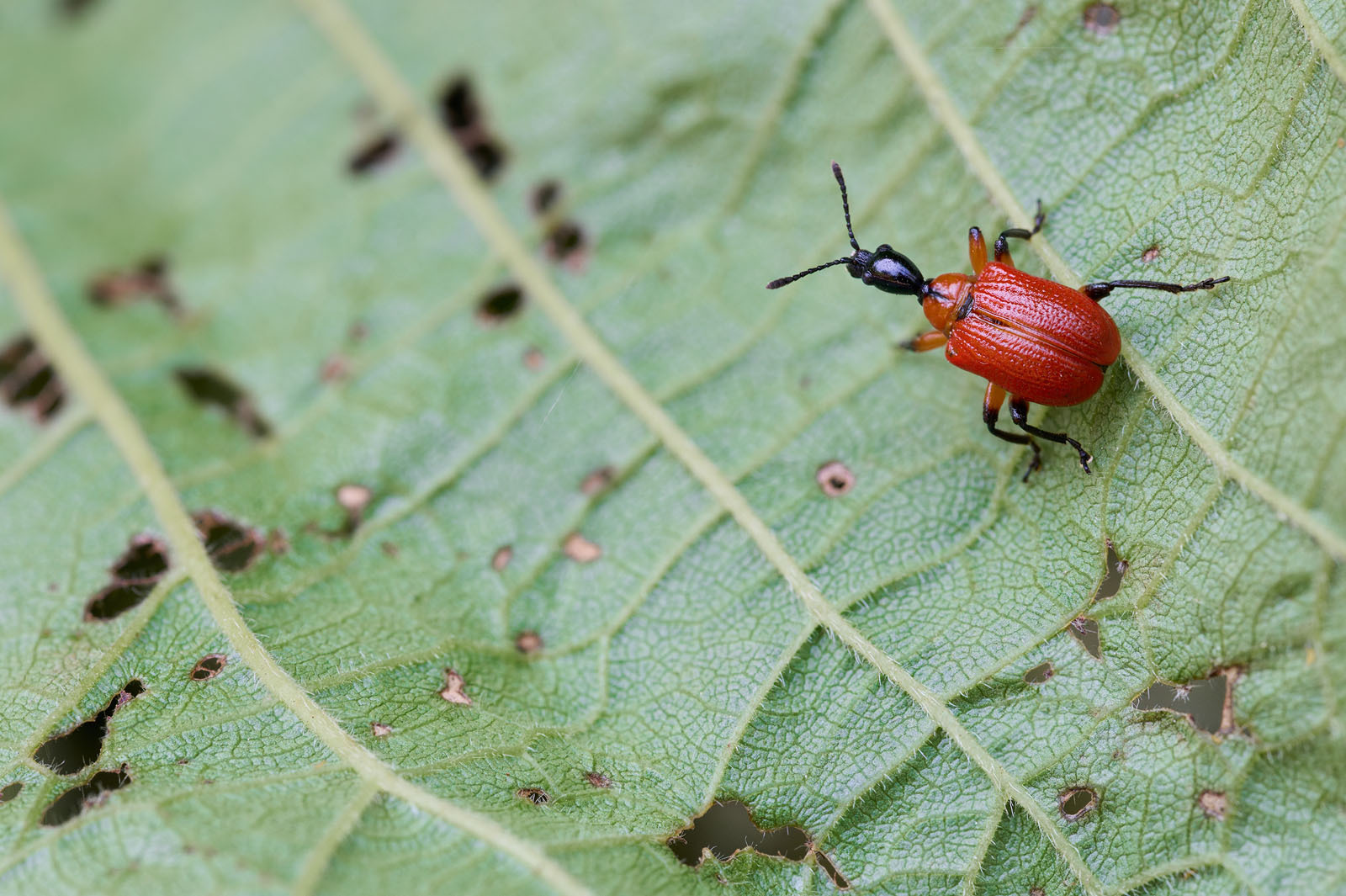
Apoderus coryli on a common hazel leaf; the holes in the leaf were caused by the insect.
The image(s) [two focus stacked pictures, combined with ZS] was taken at 1:1 magnification, f/16, 2500 ISO, without any cropping; the insect is small, measuring just 6–8 mm.
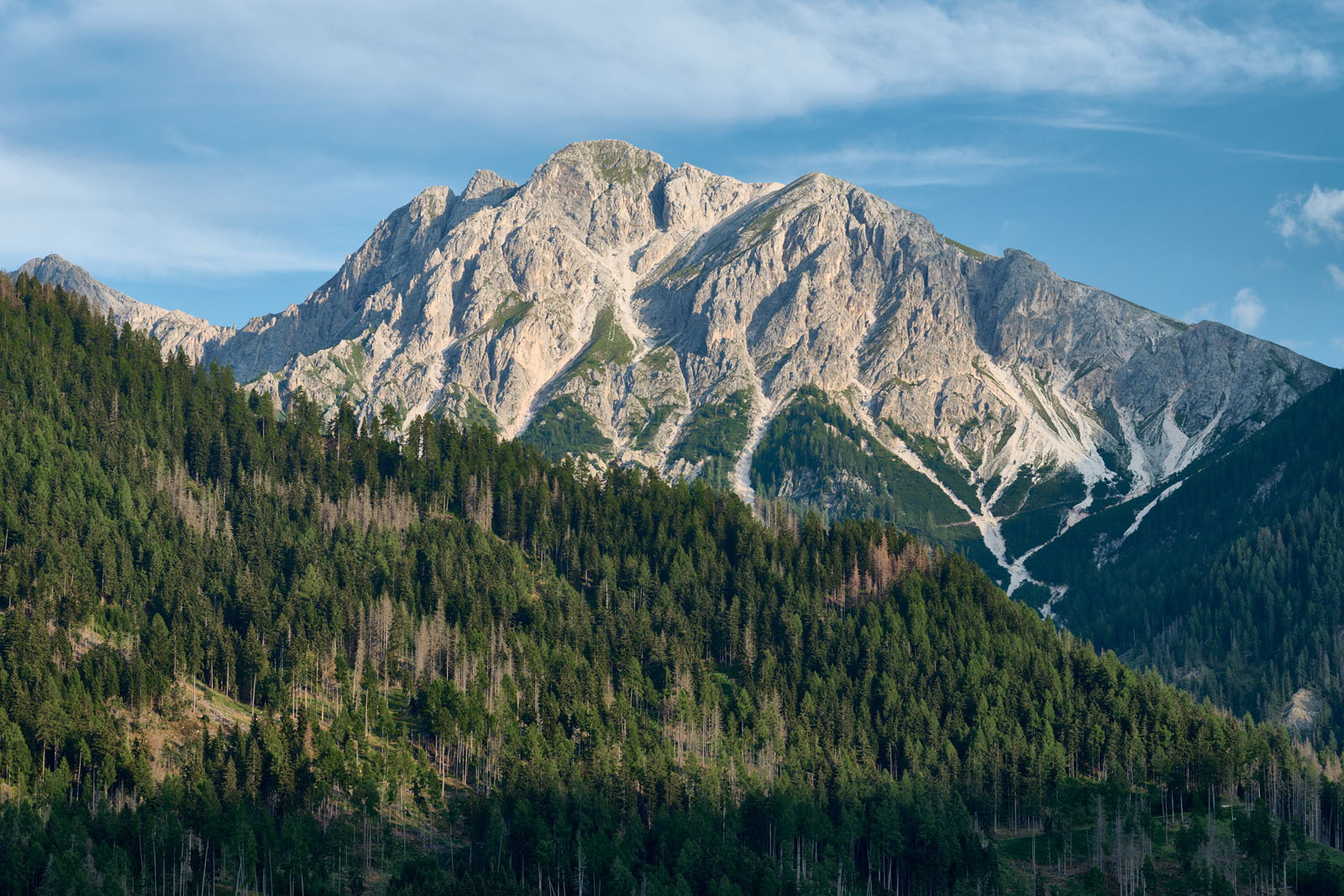
Dead trees have been killed by the European spruce bark beetle; it's a serious pest in North-East Italy and in Osttirol (Austria) as well.
The extraordinary spread of the spruce bark beetle (Ips typographus) in North-Est Italy was caused by extreme weather events such as Storm Vaia in 2018 and the snow damage of 2019, which left millions of trees lying on the ground. Added to this are summer droughts and mild winters, which have weakened the natural defenses of spruce trees.
The bark beetle infestation has caused the death of thousands of hectares of forest.
Another effect of climate change
NIKON Z6 w/MC 105/2.8 S @ f/7.1, 1/125 s, Nikon circ. pol. filter, 100 ISO