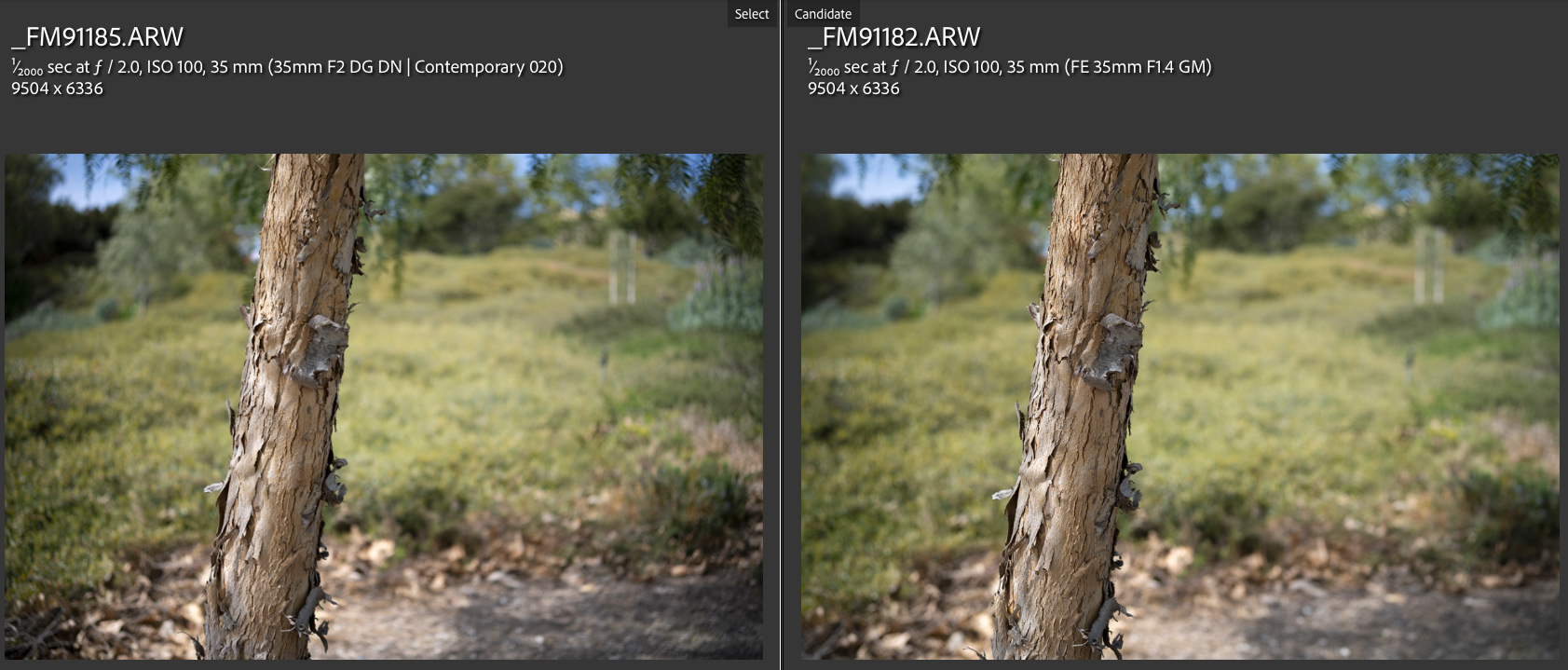
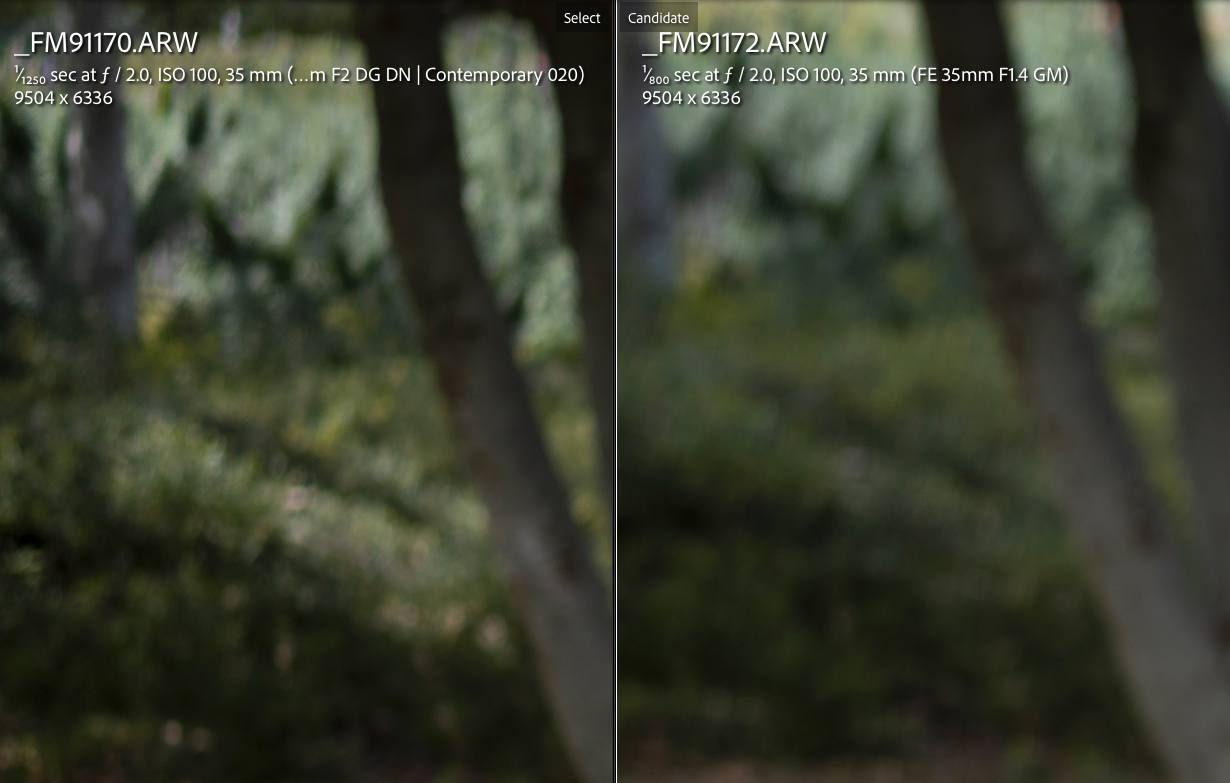
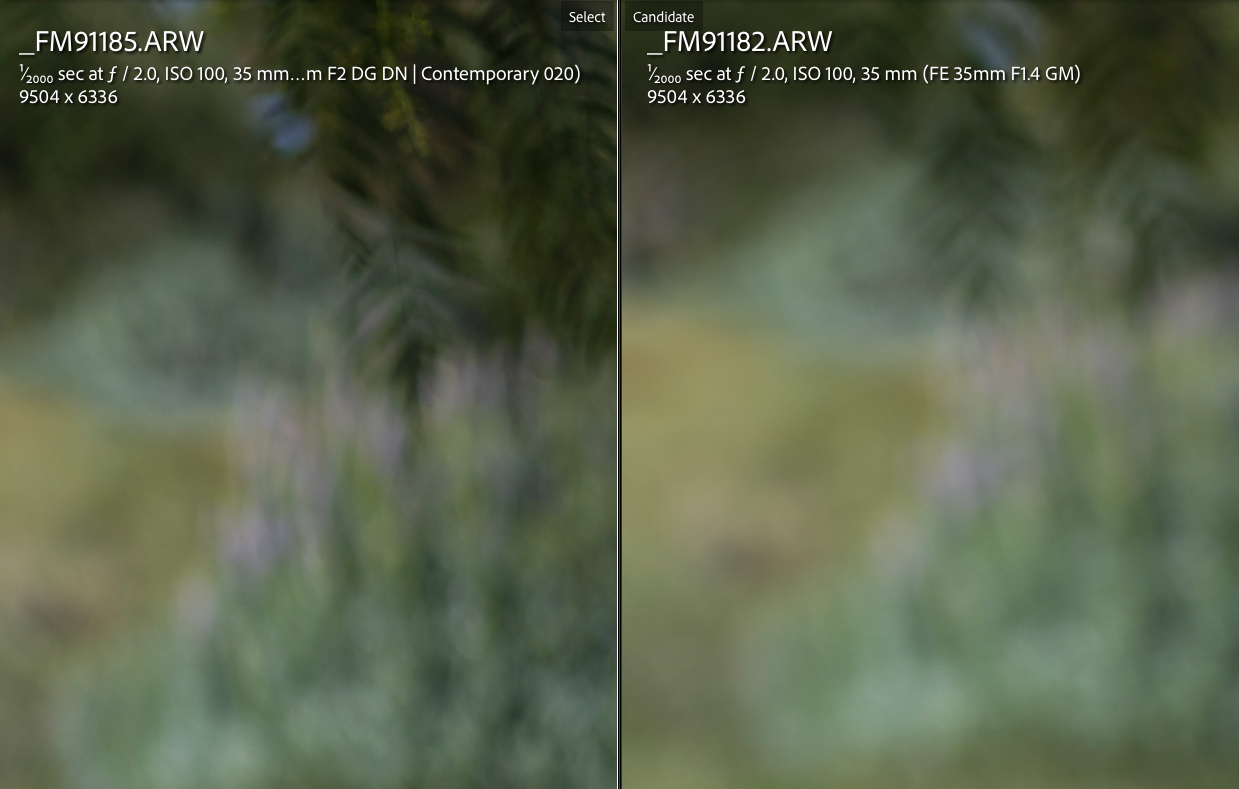
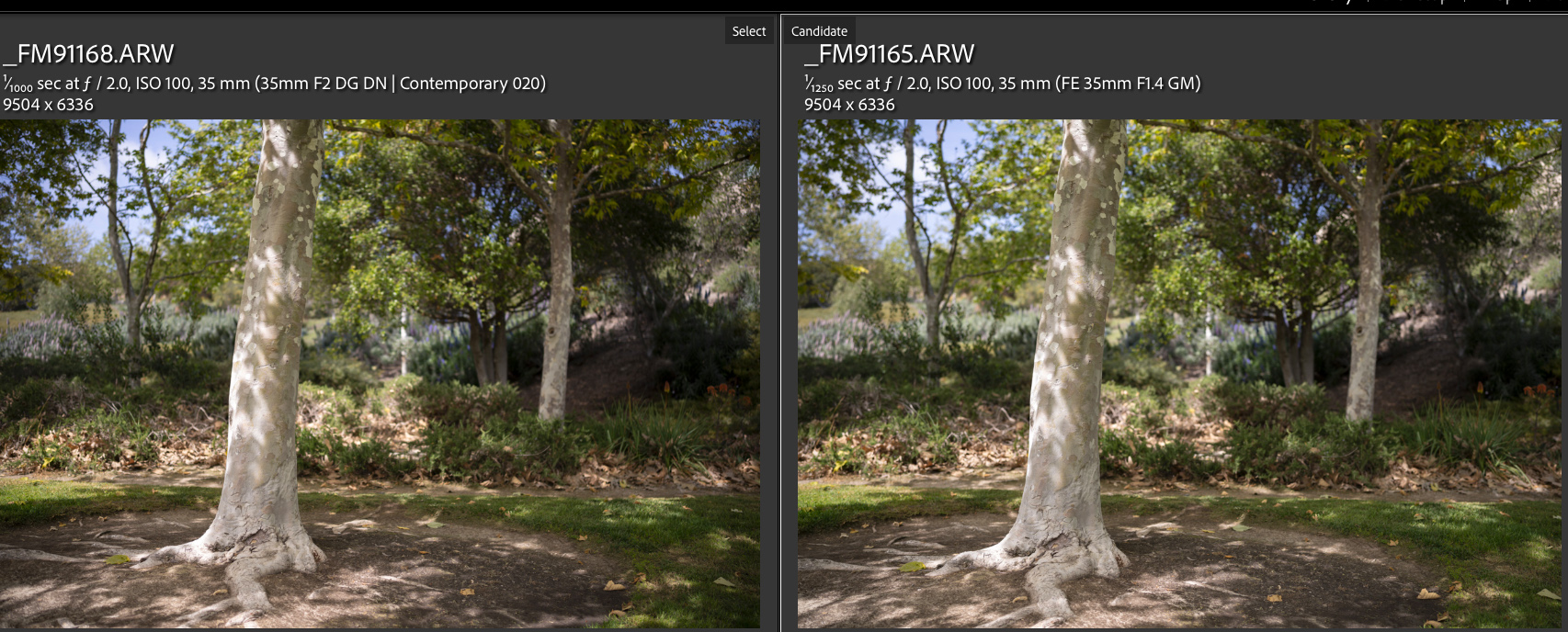
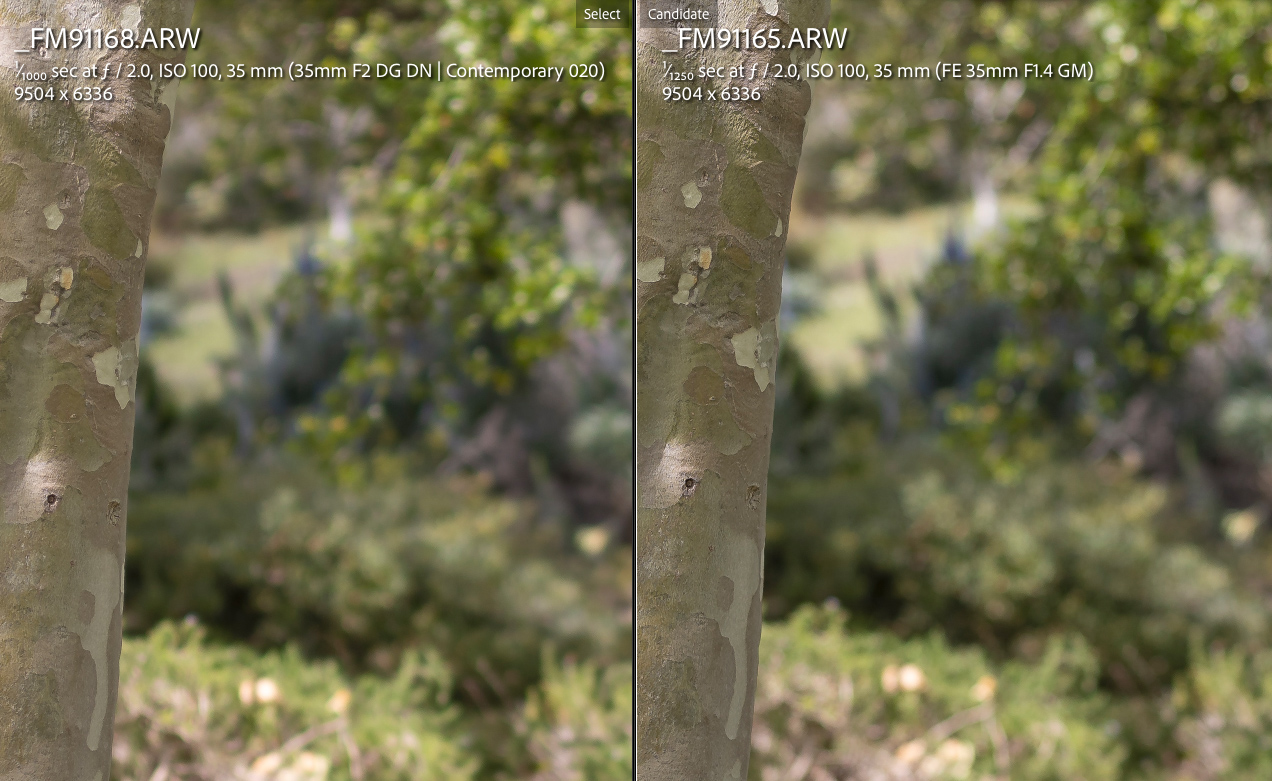
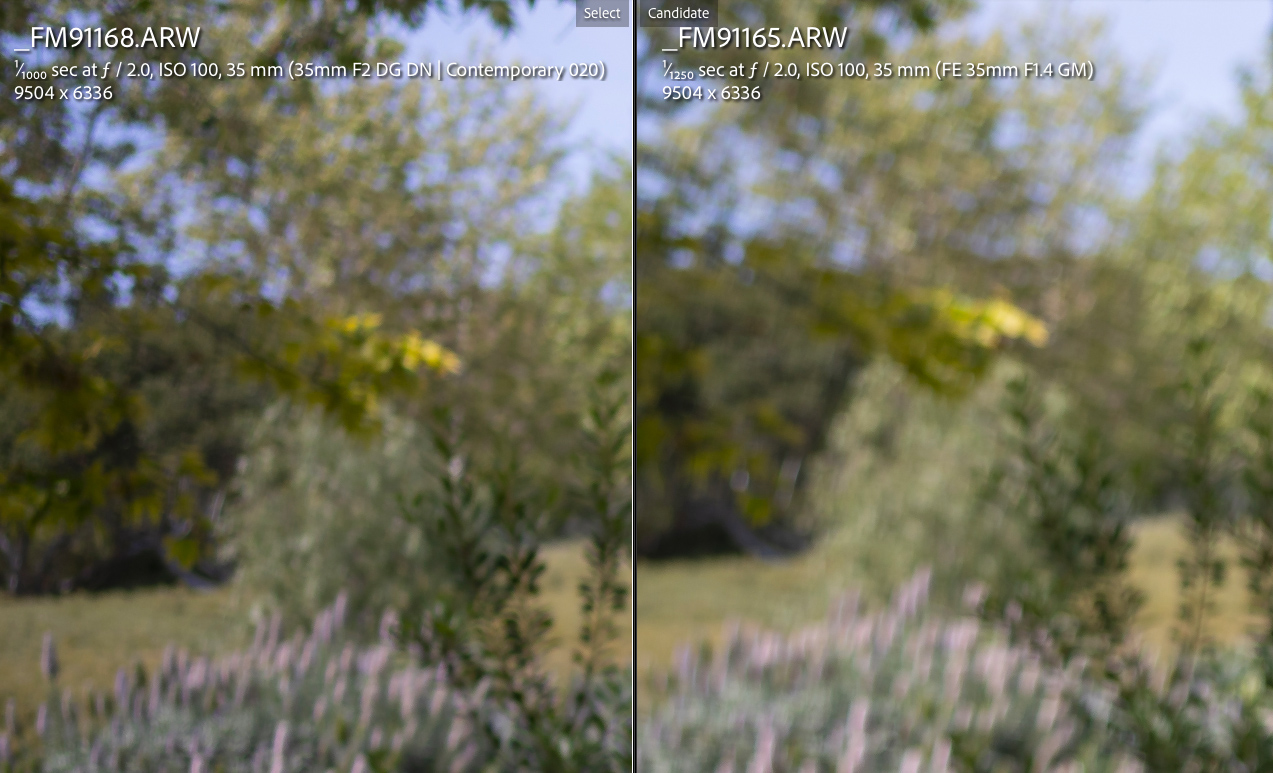
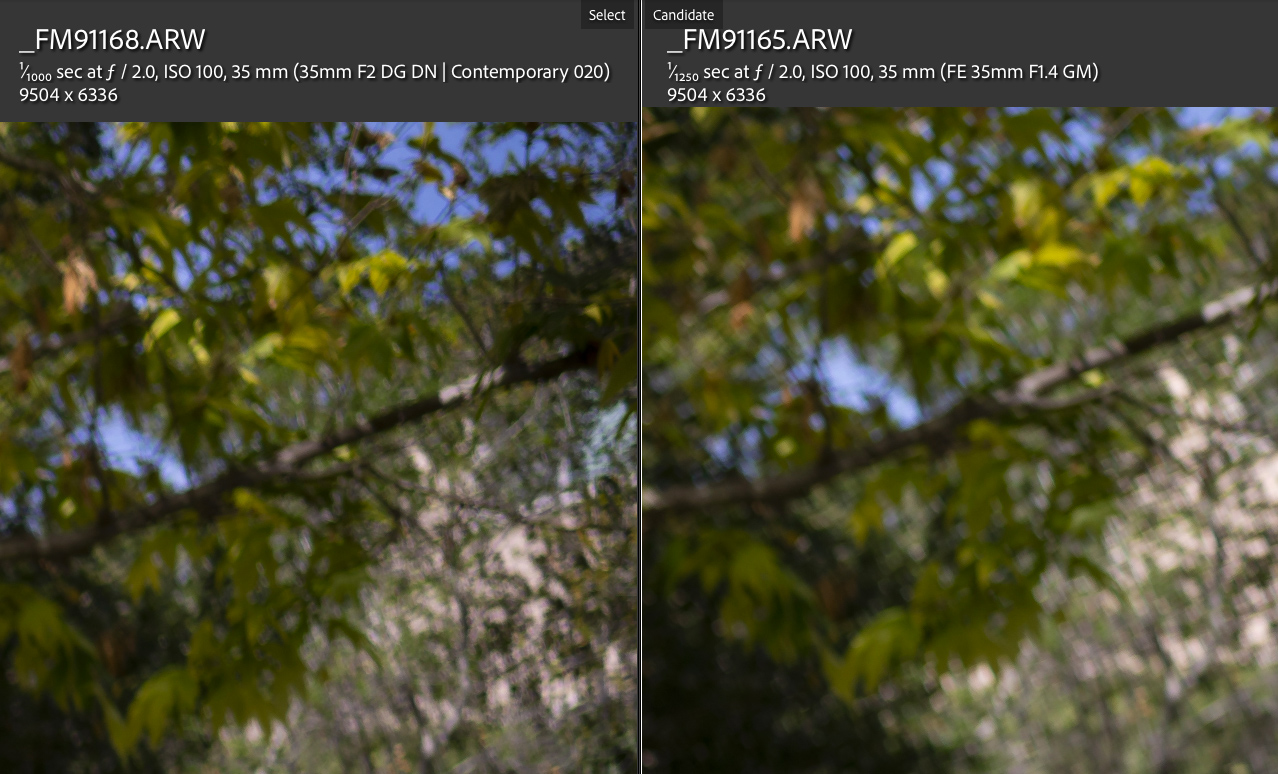
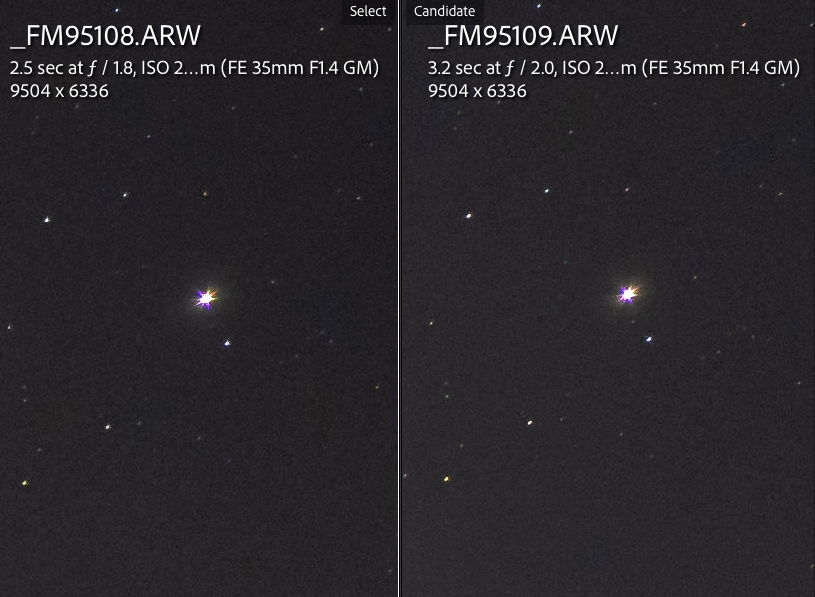
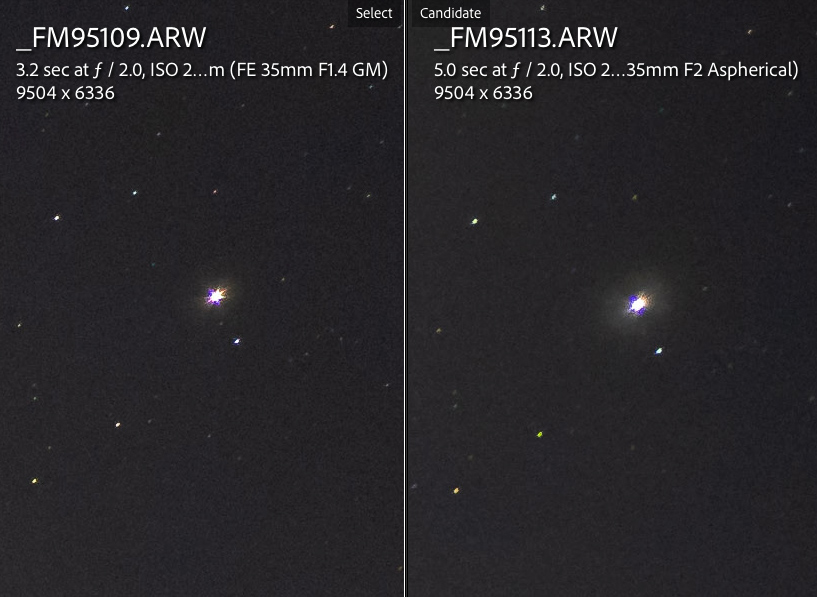
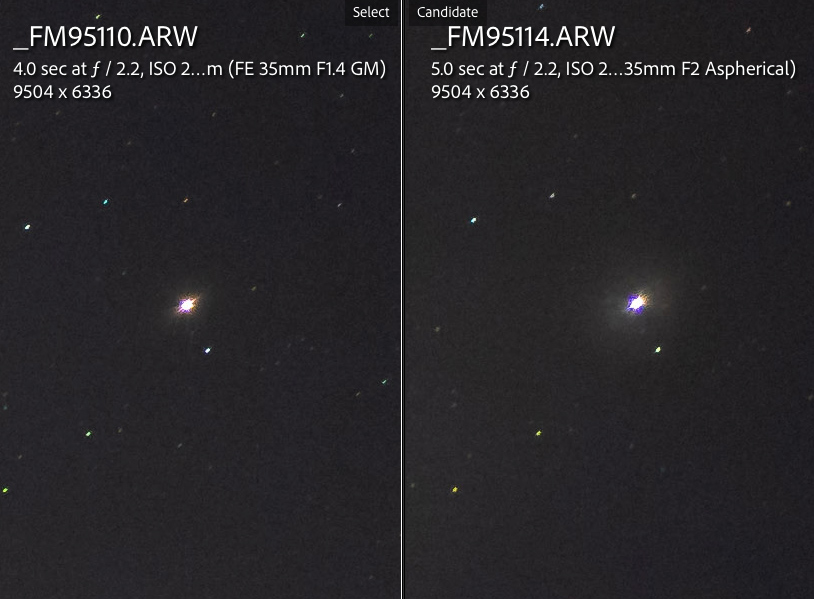
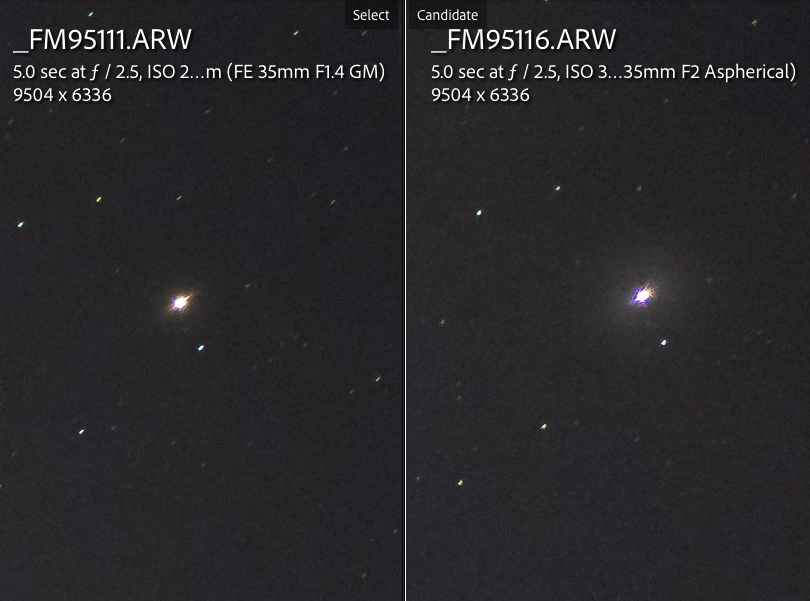
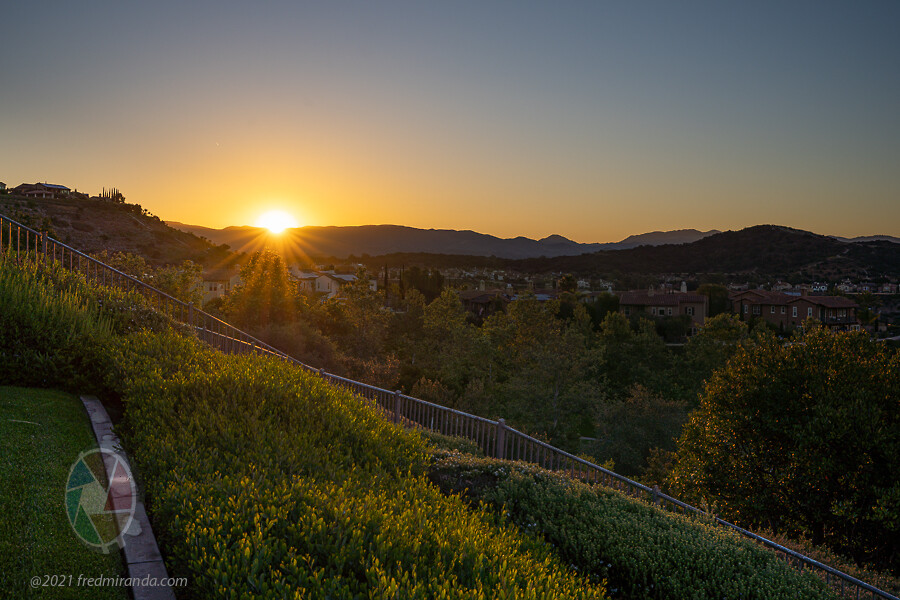
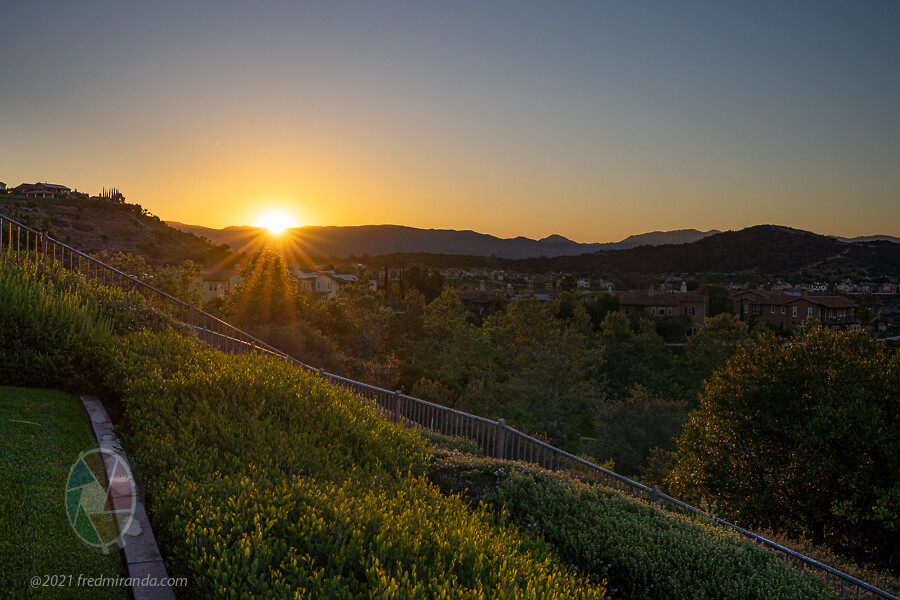
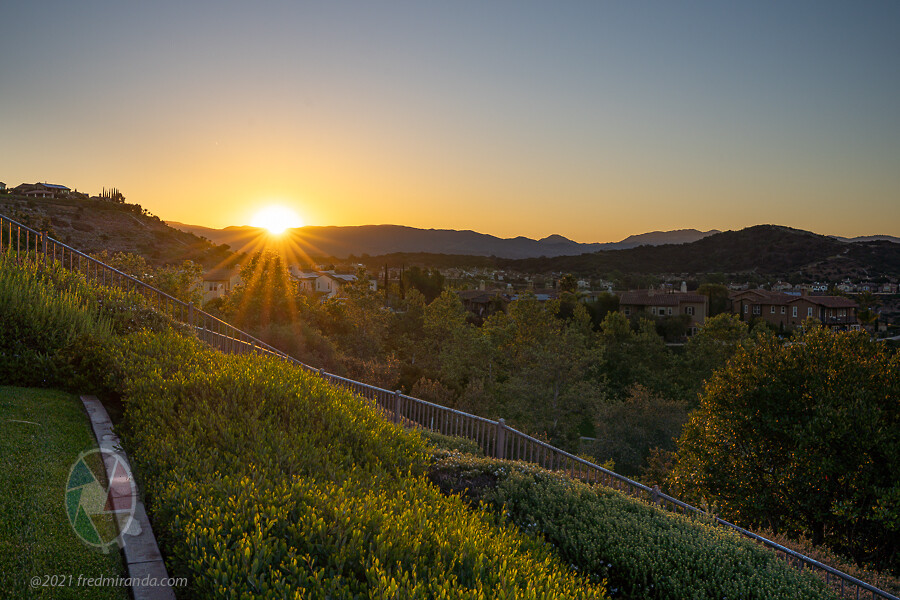
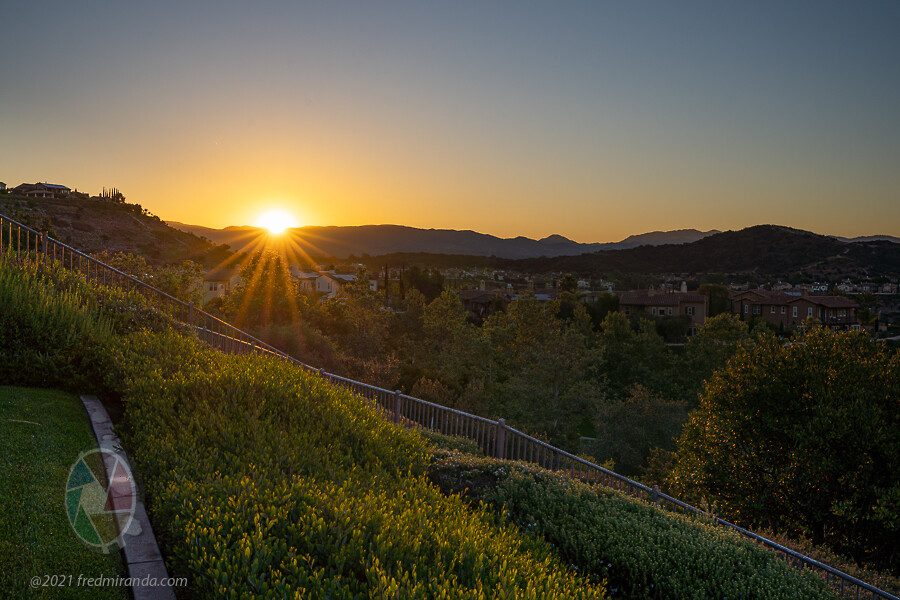
Many shooters really like the Sigma 35mm f/2 DG DN's rendering and I was curious to compare it to the Sony FE 35mm f/1.4 GM @f/2.
I was expecting the Sigma to yield a smoother rendering since it's less corrected for spherical aberration but to my surprise, the Sony not only matches the Sigma around the center area but it's actually softer off-axis (towards the corners) due to less optical vignetting at f/2.
Here are some comparisons at 1.2m, 2.2m and 3.5m distances. I will add more later!
Scene 1 at 1.2m
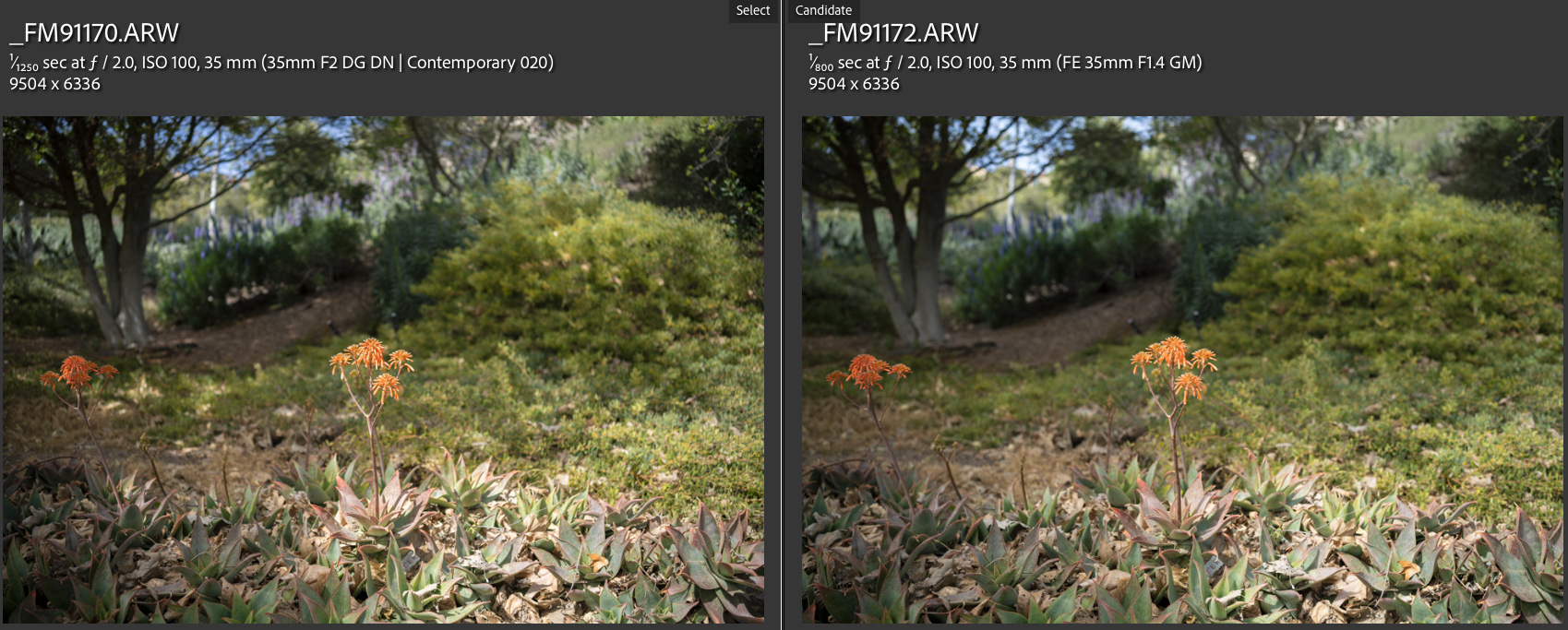
Side by side
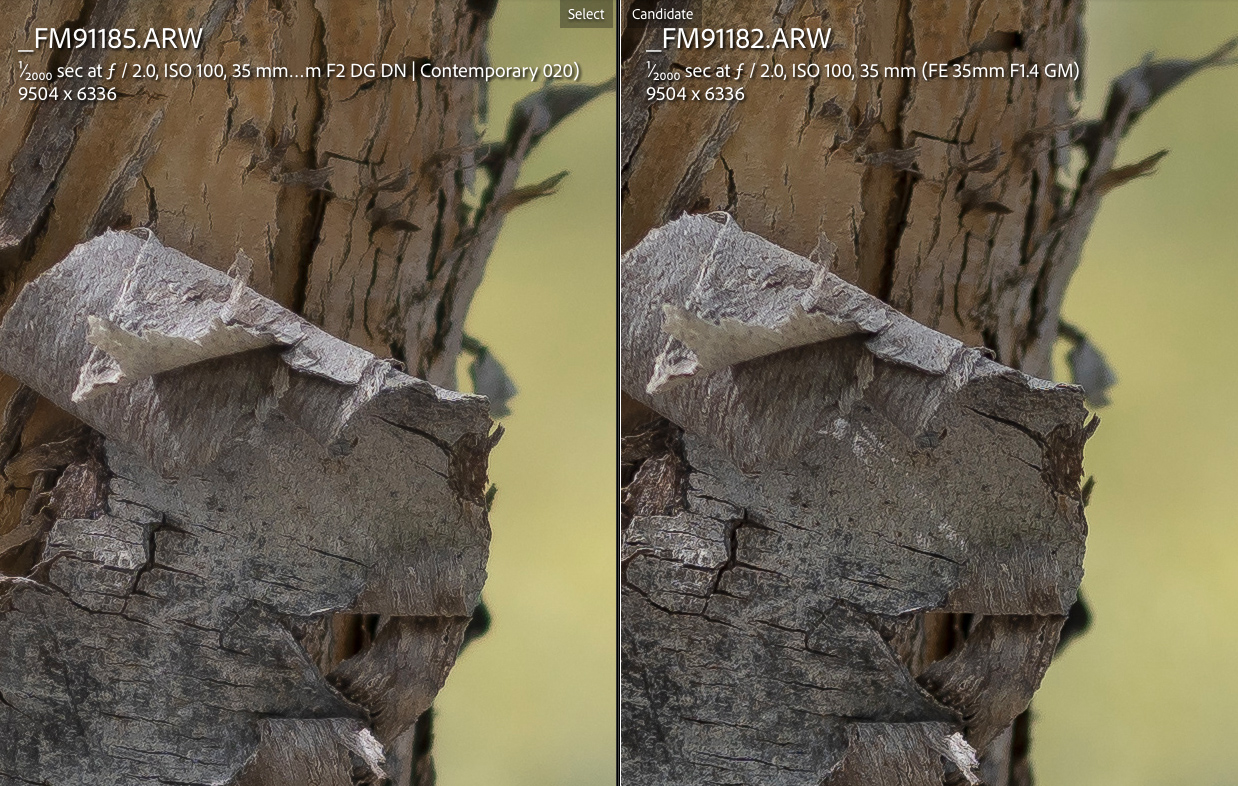
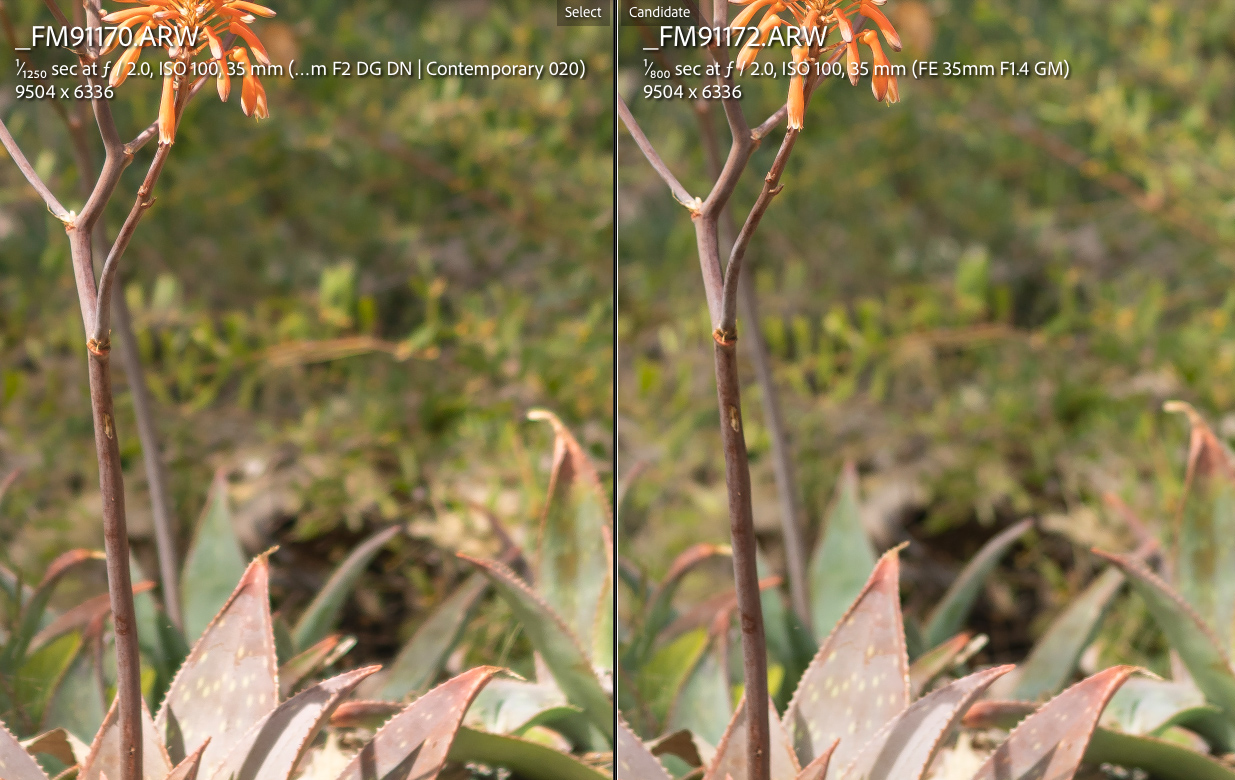
Focus area. The Sony is sharper than the Sigma at this distance
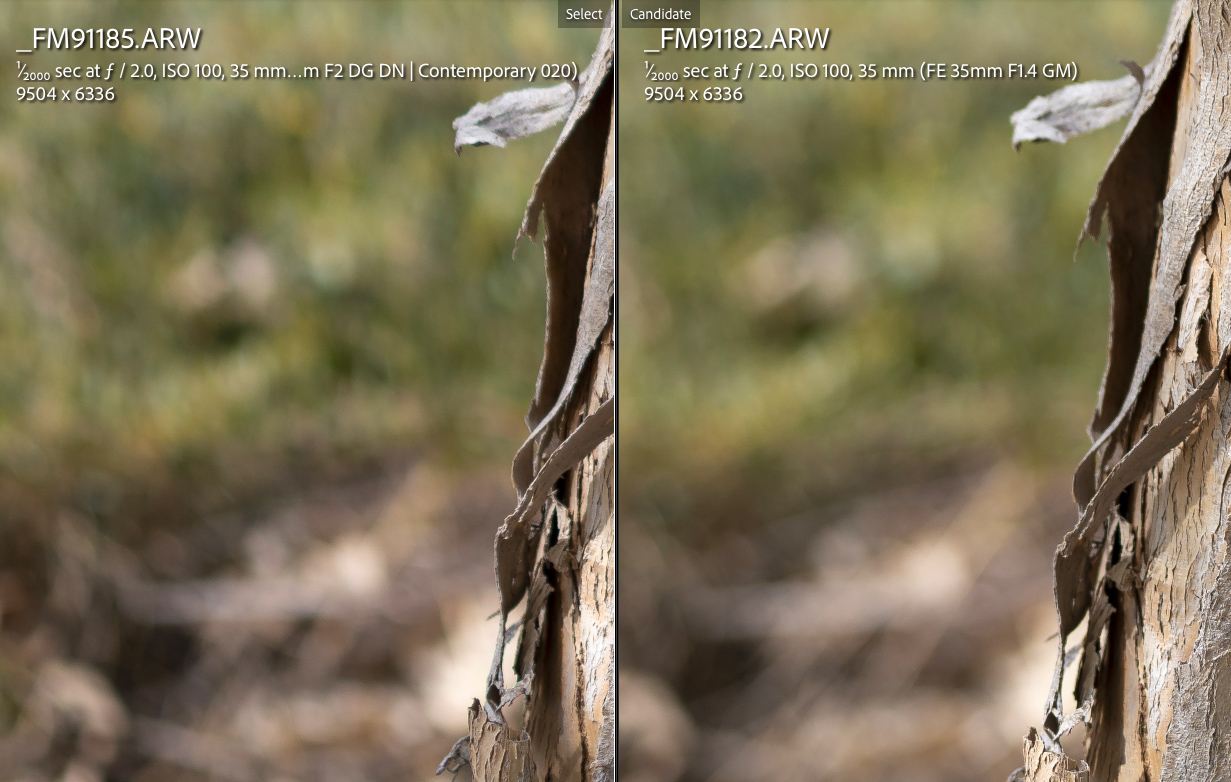
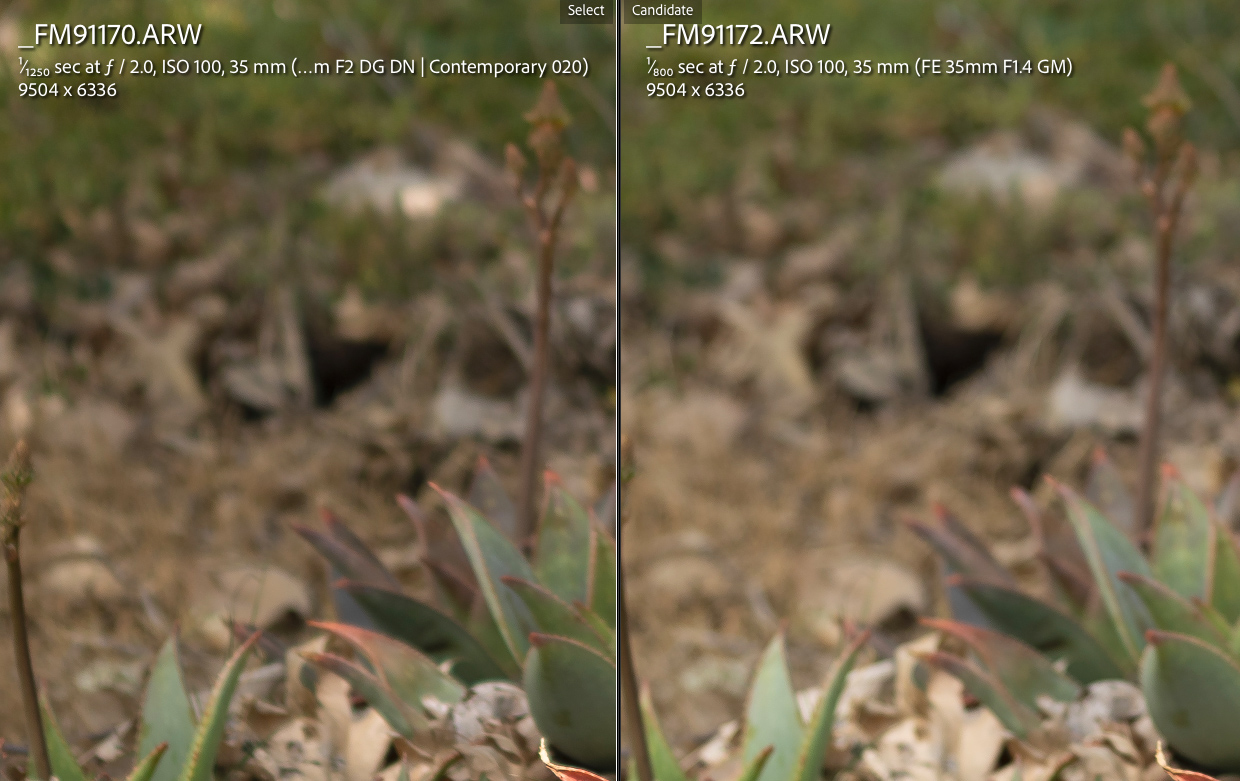
Rendering at mid-distance
Rendering around center
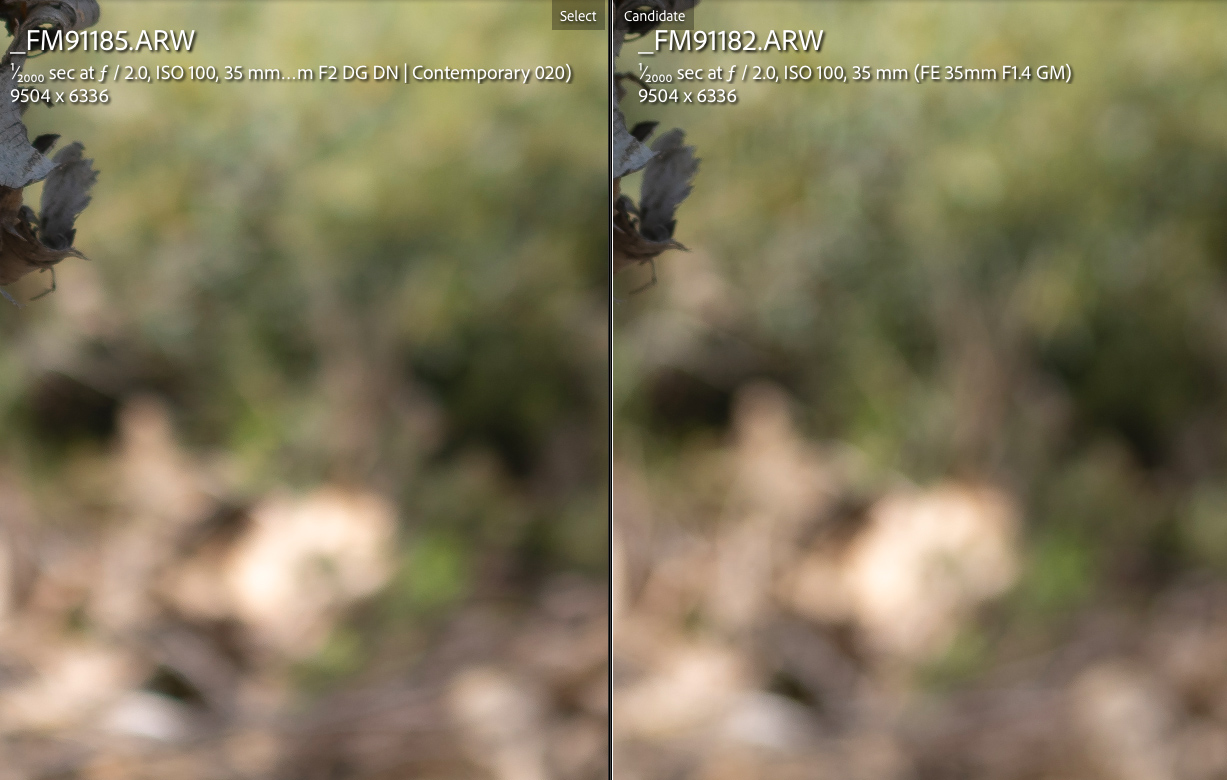
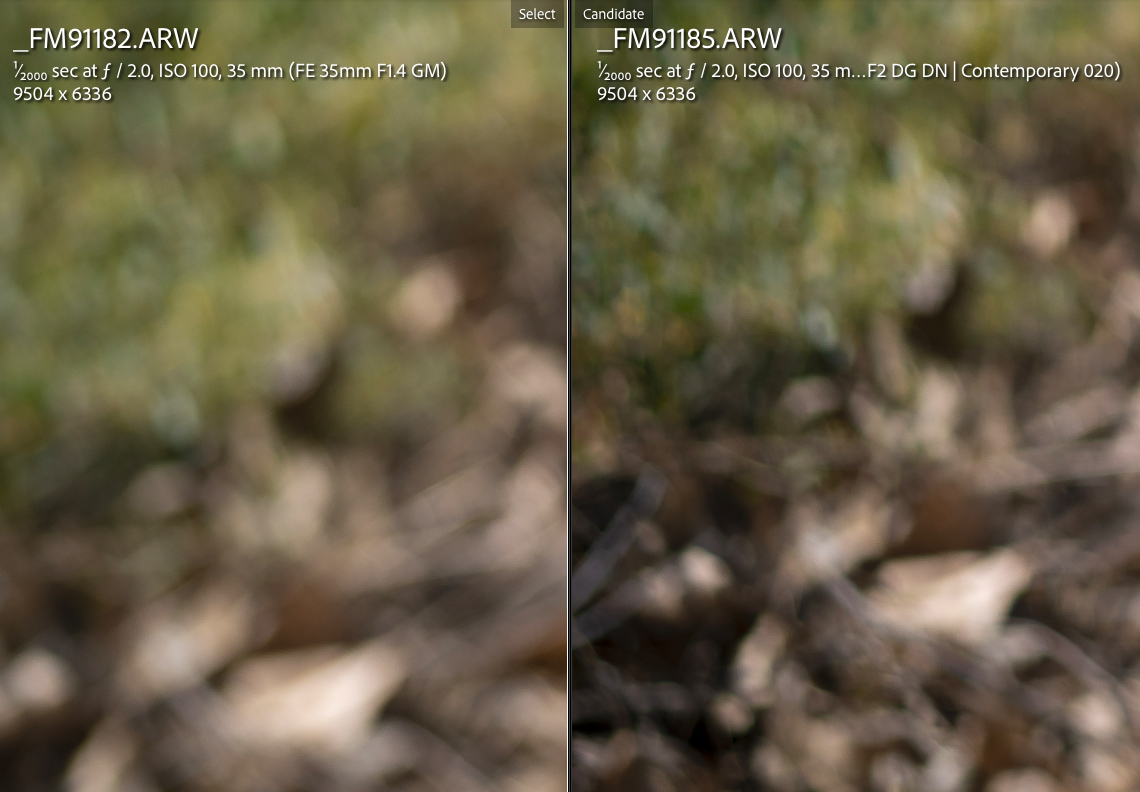
rendering towards corner. The Sigma is wide open at f/2 and the moderate optical vignetting increases DOF towards the corners
Thank you for the comparsions between the 35GM and the 35i! It's very interesting seeing the GM win hands down with regards to resolution, contrast and OOF rendering. I didn't expect that. I never came so far in testing the three Sigmas I tried as they all failed at a much earlier stage in my procedure.
Not that I would normally ever look that close but some of those results are definitely much more jarring than I thought they would be. I have not had time to take mine out yet and properly run it through some paces. But just around the house shooting it appears as good as advertised. I'm not a 50 guy even though I keep trying them for some reason. But with this on the A7riv I don't need to try anymore. It's amazing how sharp it is even in crop mode. So paired with the 20mm and the 75mm 1.8 I'm basically done for primes (maybe 14mm for astro). It will be interesting to see if they can shrink the 85 1.4 GM II alittle. I'd give up the Samyang small size for that probably.
I took the pictures for the rendering test a couple weeks ago and at that time, I didn't have the Voigtlander 35mm f/2 APO.
Now that I have all three, I will do more of this at many distances including 5-6m where we can really compare the transition zone for them.
The array of options in this focal length available to E-mount shooters is truly remarkable. I'm just an <40 year old hobbyist, but has there ever been in the history of the industry a mount that has offered this many 35mm options? I'm continually thankful that Sony broke from the standard routine and opened their mount to third parties.
If you want the bar none best rendering wide open, Sigma 35 1.2.
If you want the best flare resistance and top tier resolution for landscapes, CV 35 APO.
If you want the best jack of all trades with top tier resolution, 35 GM.
If you want a cheaper jack of all trades, Sigma 35DN 1.4 (probably).
If you want compact with great rendering and razor sharp at 6.3, Sigma 35i.
If you want the least focus breathing for video, Sony 35 1.8.
If you want want Zeiss rendering and colors, Sony 35 1.4.
If you want an affordable 1.4 with great rendering, Samyang 35 1.4.
If you want an affordable 1.8 with great rendering, Samyang 35 1.8.
If you want an affordable, compact 2.8 for top tier resolution for landscapes, Tamron 35 2.8.
If you want a pancake 35, Sony 2.8.
and on and on and on.
It is really just remarkable that a person has so many options throughout the price range. I really hope 50mm begins to get the same treatment and that Sigma releases a 50DN 1.4 *immediately after* a 70-200 2.8.
In these shots I personally have a pretty strong preference for the Sigma 35i. At center they are very close. At midfield, the 35 GM has more blur, but I find the blur a bit harsh and have a fairly strong preference for the less blurry and less harsh 35i, in the corners it is much the same thing, but the 35i really is losing blurriness and the 35 GM isn't quite as harsh. They are different but to my tastes it is a draw, so for me the since I prefer the 35i in the midfield that carries the day and I prefer its rendering. I am sure not everyone will agree, but this is exactly why preference comes into ratings when we are talking about rendering.
Fred Miranda wrote: Rendering compared to Sigma 35mm f/2 DG DN @f/2
Many shooters really like the Sigma 35mm f/2 DG DN's rendering and I was curious to compare it to the Sony FE 35mm f/1.4 GM @f/2.
I was expecting the Sigma to yield a smoother rendering since it's less corrected for spherical aberration but to my surprise, the Sony not only matches the Sigma around the center area but it's actually softer off-axis (towards the corners) due to less optical vignetting at f/2.
Here are some comparisons at 1.2m, 2.2m and 3.5m distances. I will add more later!
These filters were mainly used by videographers to create more of a filmic look, though serve photographers well as they can smooth tonal transitions, cause a bit of halation, raise blacks a bit whilst smoothing texture slightly whilst keeping sharpness.
If you don't want these effects on your images you wouldn't use the filters, of course, though I imagine if you're taking portrait photos with the GM (one of the likely scenarios at 1.4) then lowering contrast a bit and smoothing OOF areas may be more than acceptable. You could always increase contrast in post - or take off the filter. Due to the halation effect, light sources can bloom easily, so be careful with that on the higher strength filters unless you want that appearance. They can smooth skin texture a bit whilst preserving sharpness, it seems.
So, when I need a more "clinical" or digital appearance or with light sources near the frame I don't use a black pro mist filter, though for most other scenarios I do.
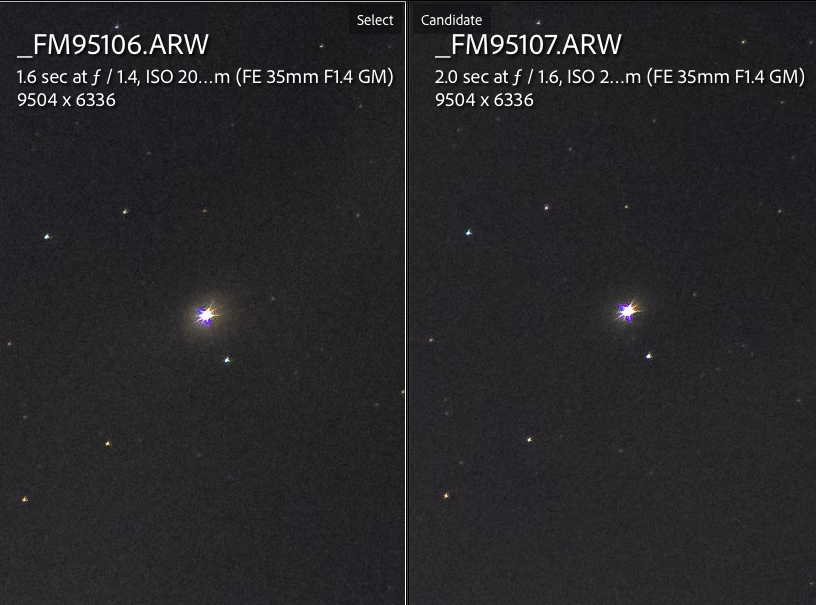
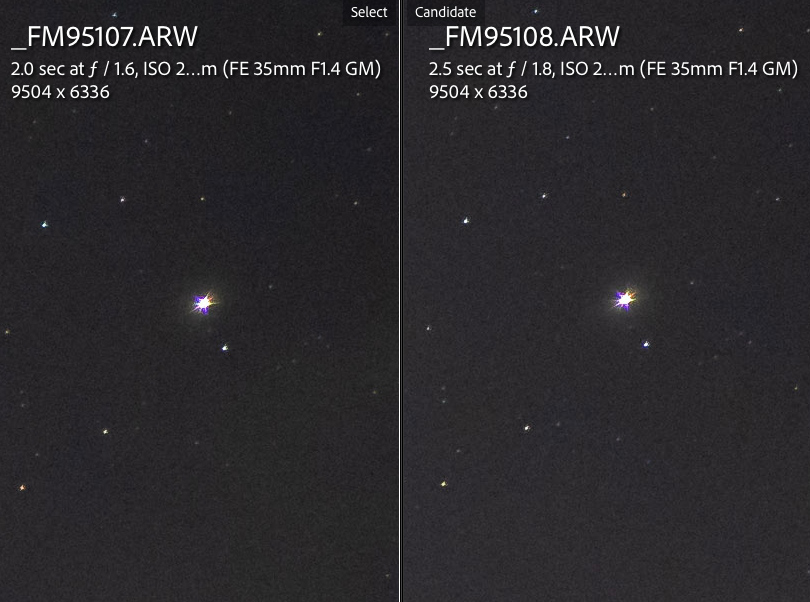
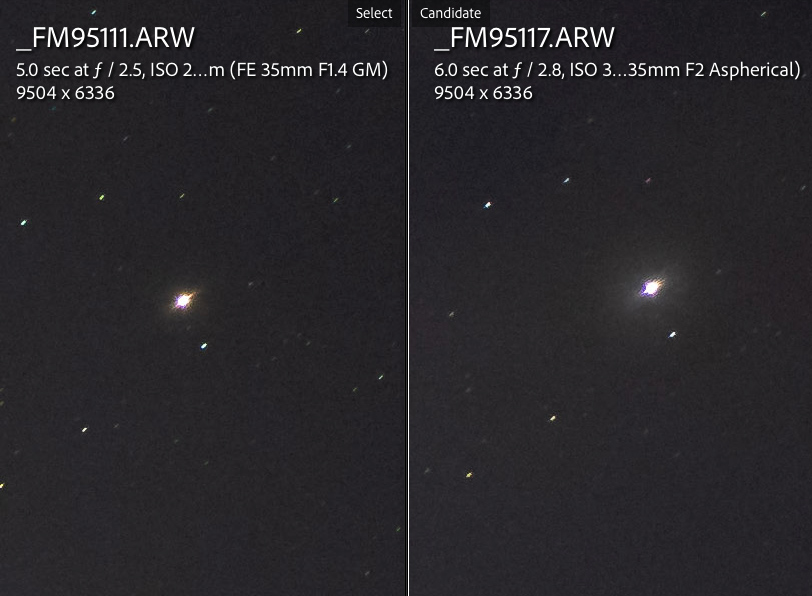
Just like the Sony FE 24mm f/1.4 GM, the new FE 35mm f/1.4 GM has outstanding coma control straight from wide open. Stopping down diminishes vignetting but does not improve coma further.
Here are 100% crops showing a bright star at the very edge of the frame. (From f/1.4 until f/2 in third increments)
Any way to a relative t-stop comparison when doing tests?
CHris
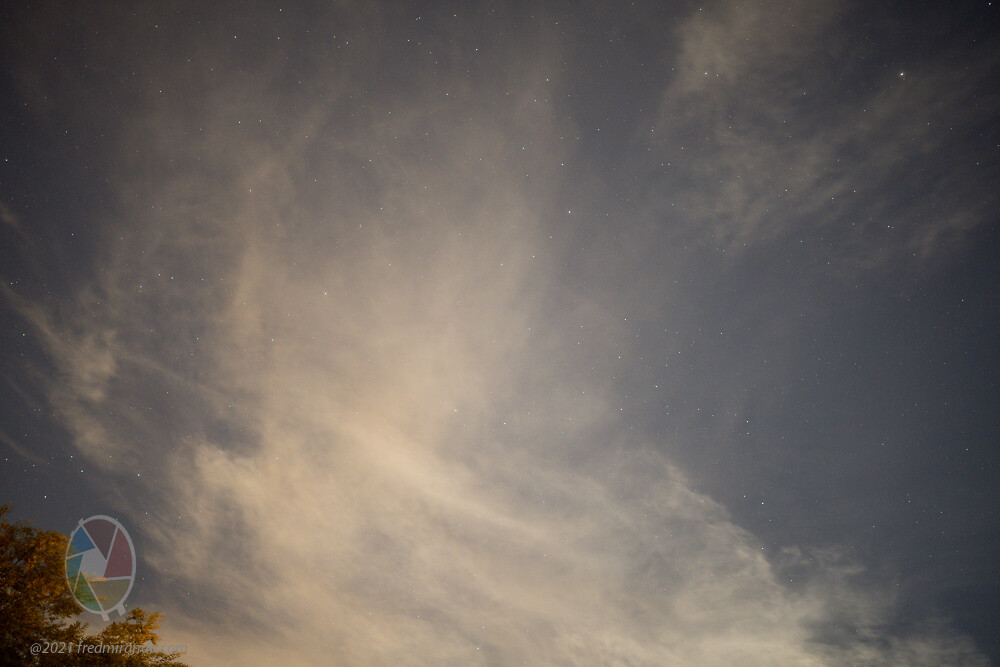
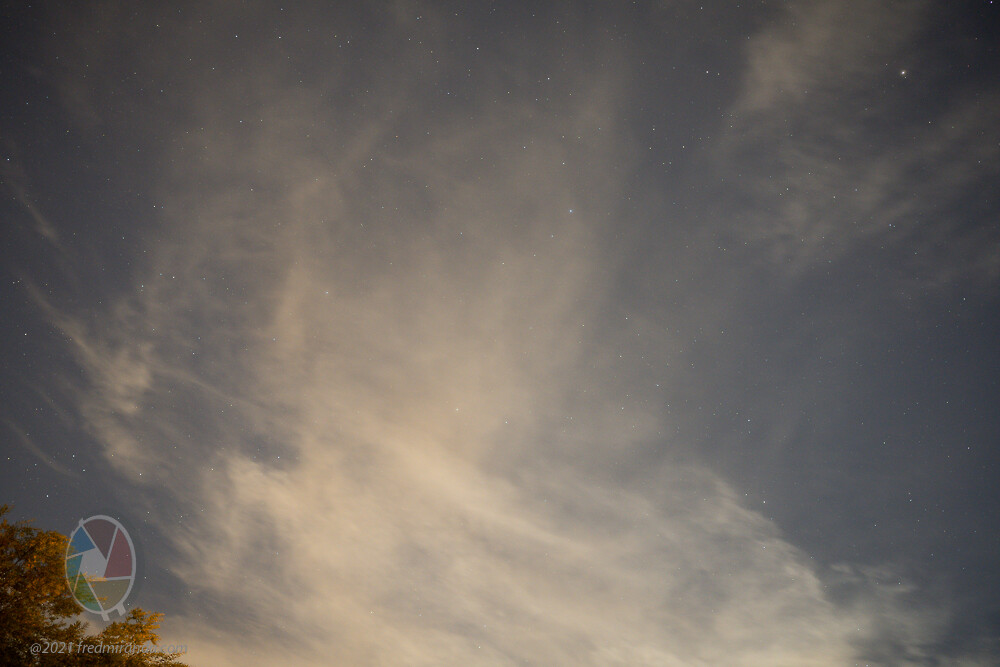
I've never tested lenses for light transmission but could compare t-stop variations for the Voigtlander 35mm f/2 APO, Sony 35mm f/1.4 GM and Sigma 35mm f/2 DG DN @ f/2.
Fred Miranda wrote:
I've never tested lenses for t-stop but could compare the Voigtlander 35mm f/2 APO, Sony 35mm f/1.4 GM and Sigma 35mm f/2 DG DN for light transmission at f/2.
Ah, don’t bother Fred.
Coatings and surfaces matter for flare reasons, but the days when we cared about light transmission because we were worried we couldn’t use our preferred ASA of film if the lens was .2 of a stop less transmissive than the f stop suggested, or we had a digital camera that was terrible above base ISO are long gone. Video shooters may want to know, but it’s not a reason for choosing a lens, so they can wait to test their personal copies.
Also, at wide aperture, where there is a lot of vignetting, how to you test for t-stop? Average transmission will be misleading, and lead to overexposure in the centre. I suppose you have to test for transmission dead on axis, and then provide vignetting figures at various places off axis. A lot of work for not much benefit!