Fred Miranda wrote:
Judging from the new filter set images, it looks like Haida used the same glass thickness as the one designed for the Sigma 14-24, which means induced field curvature will be very noticeable because the glass is too thick at 0.5m. Hopefully they changed the thickness to 0.3m which both Aurora and Kase rear ND filters have.
Anybody using the Aurora system and if so, any review or feedback? I am still using the Kase and very happy with it.
Thanks Fred, that's very comprehensive. Do you know if the Sony's blades are straighter than the SIgma's to achieve the better definition?
First time I've seen examples of somewhat more pronounced ghosts from this lens too. More generally Sony seem to have done a remarkable job in terms of flare resistance despite that very large front element.
I agree with you about the CV 12 point stars, as opposed to 10, being pretty much optimal. But I'm reluctant to carry the largish 21/1.4 in addition to one of these two zooms.
rvh23 wrote:
Thanks Fred, that's very comprehensive. Do you know if the Sony's blades are straighter than the SIgma's to achieve the better definition?
First time I've seen examples of somewhat more pronounced ghosts from this lens too. More generally Sony seem to have done a remarkable job in terms of flare resistance despite that very large front element.
I agree with you about the CV 12 point stars, as opposed to 10, being pretty much optimal. But I'm reluctant to carry the largish 21/1.4 in addition to one of these two zooms.
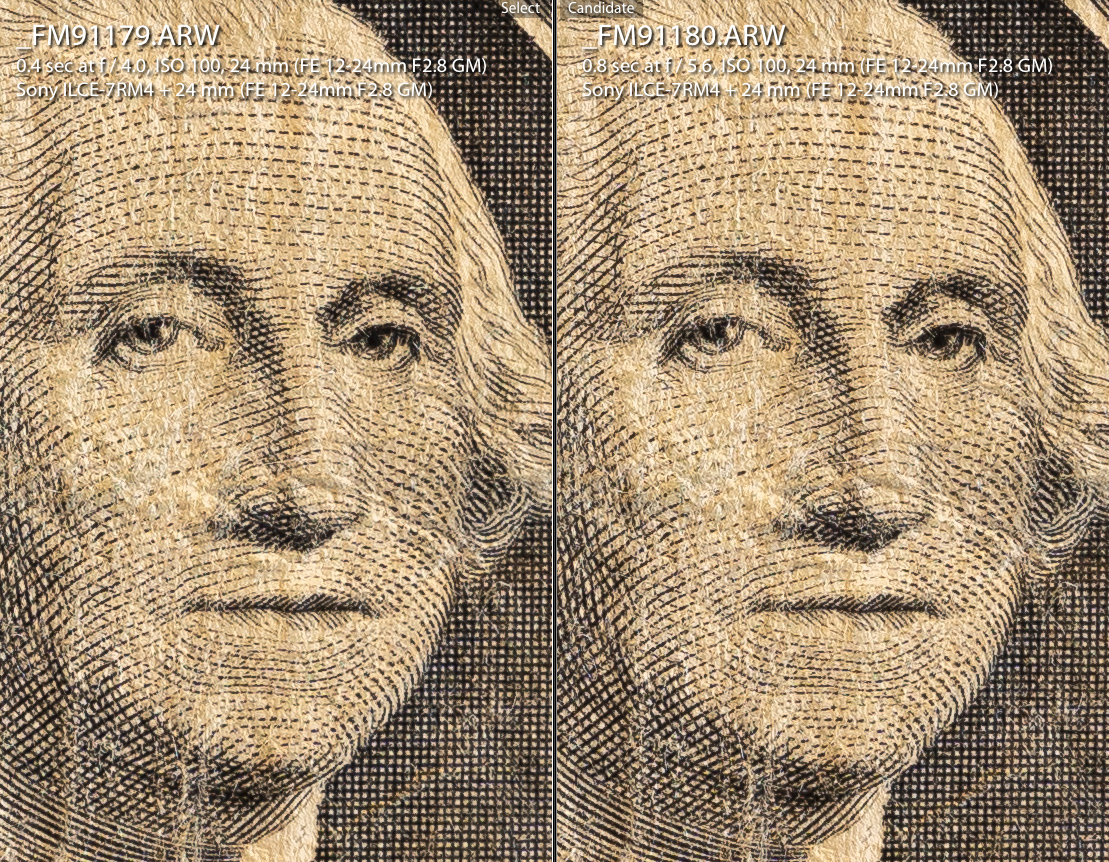
The aperture blades for both lenses look round but the Sigma has 2 extra blades which may contribute to the better definition at f/9-11.
The specifications for both lenses show the exact same MFD at 0.28m and maximum magnification of 1.4x but the Sigma focuses much closer than the Sony in both AF and MF throughout the entire range. It has noticeably higher reproduction ratio.
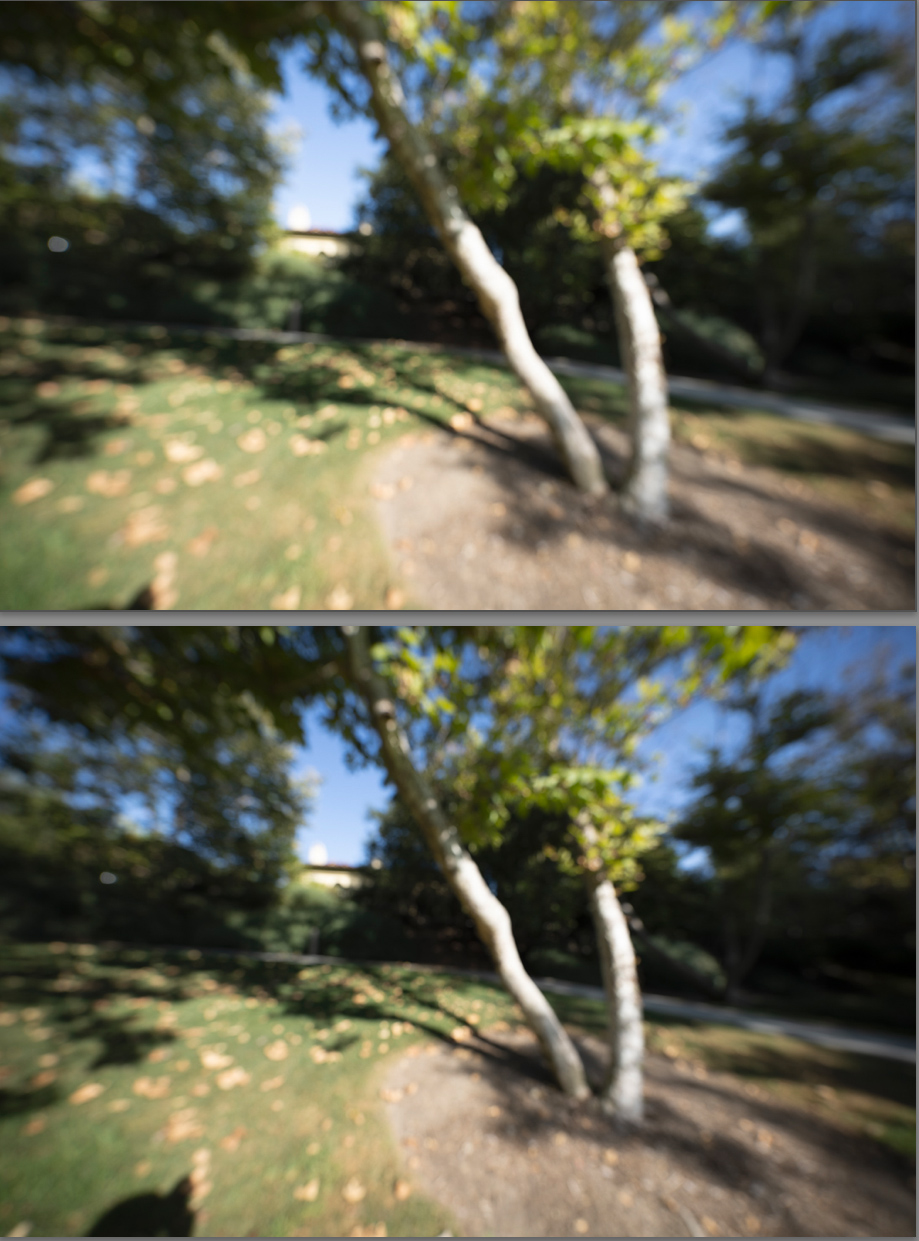
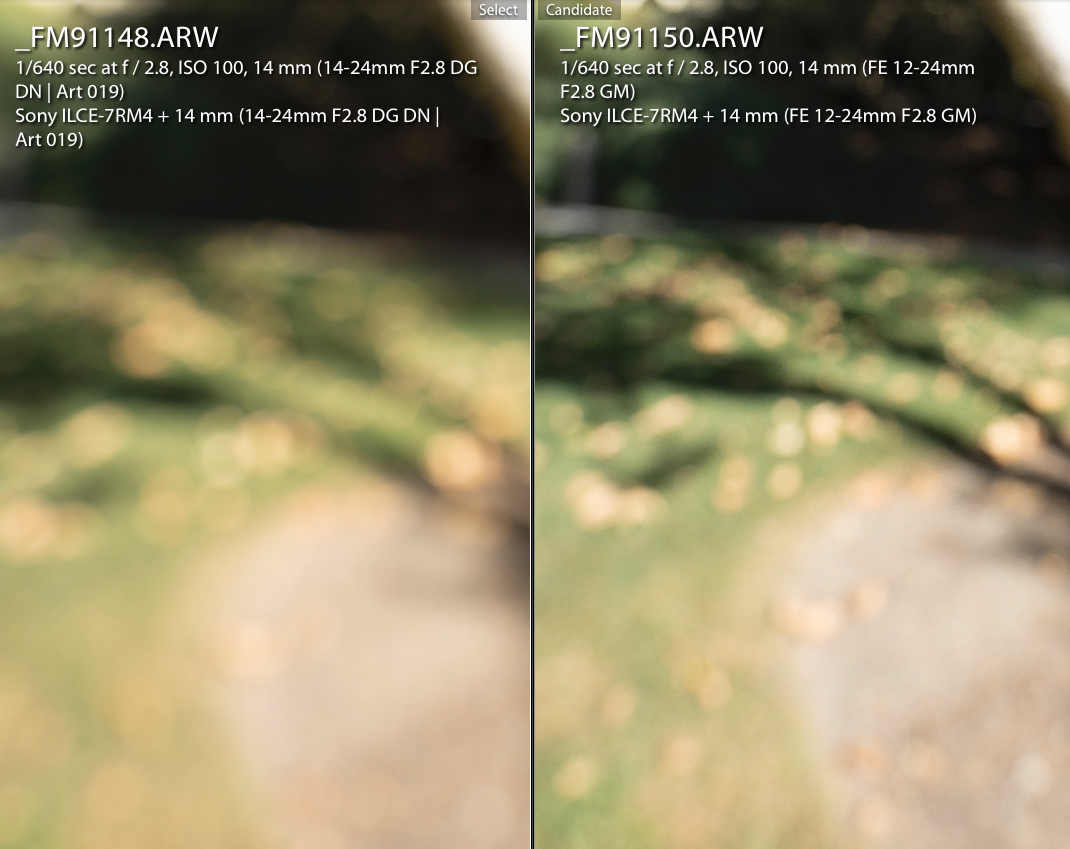
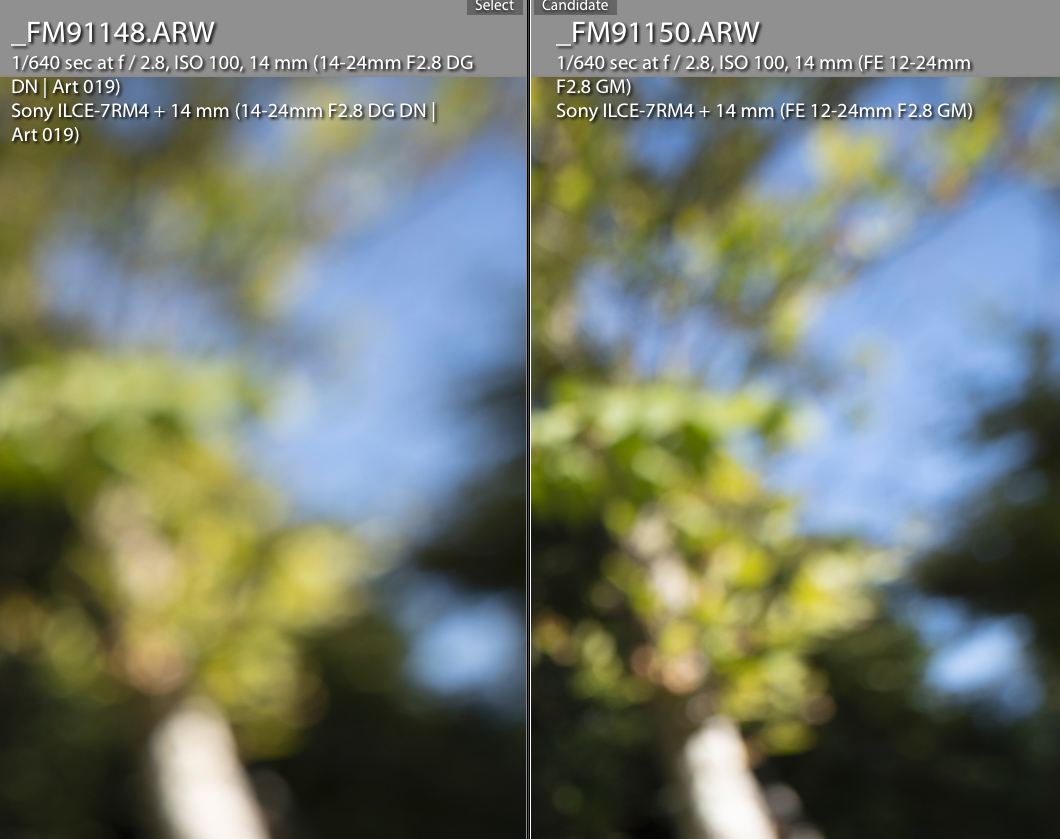
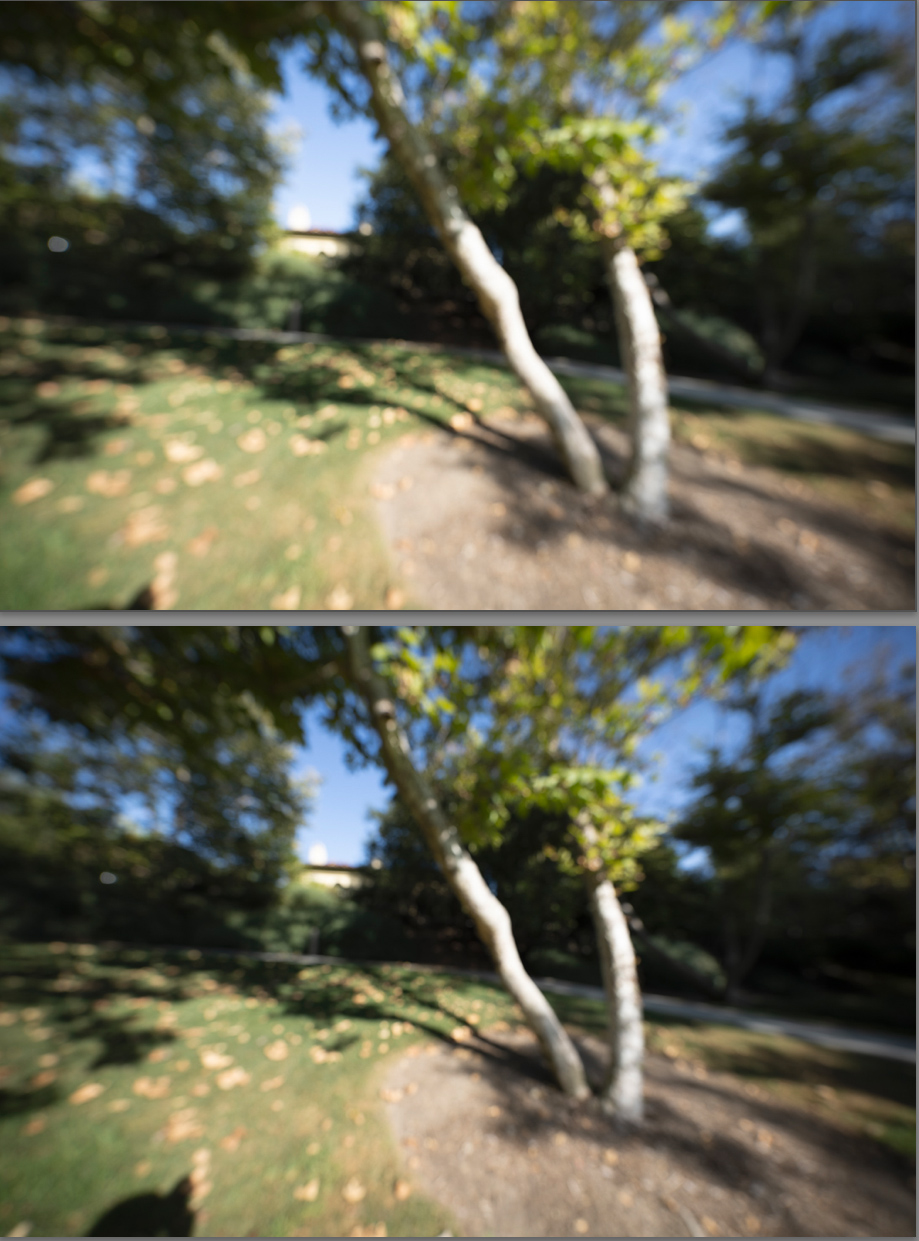
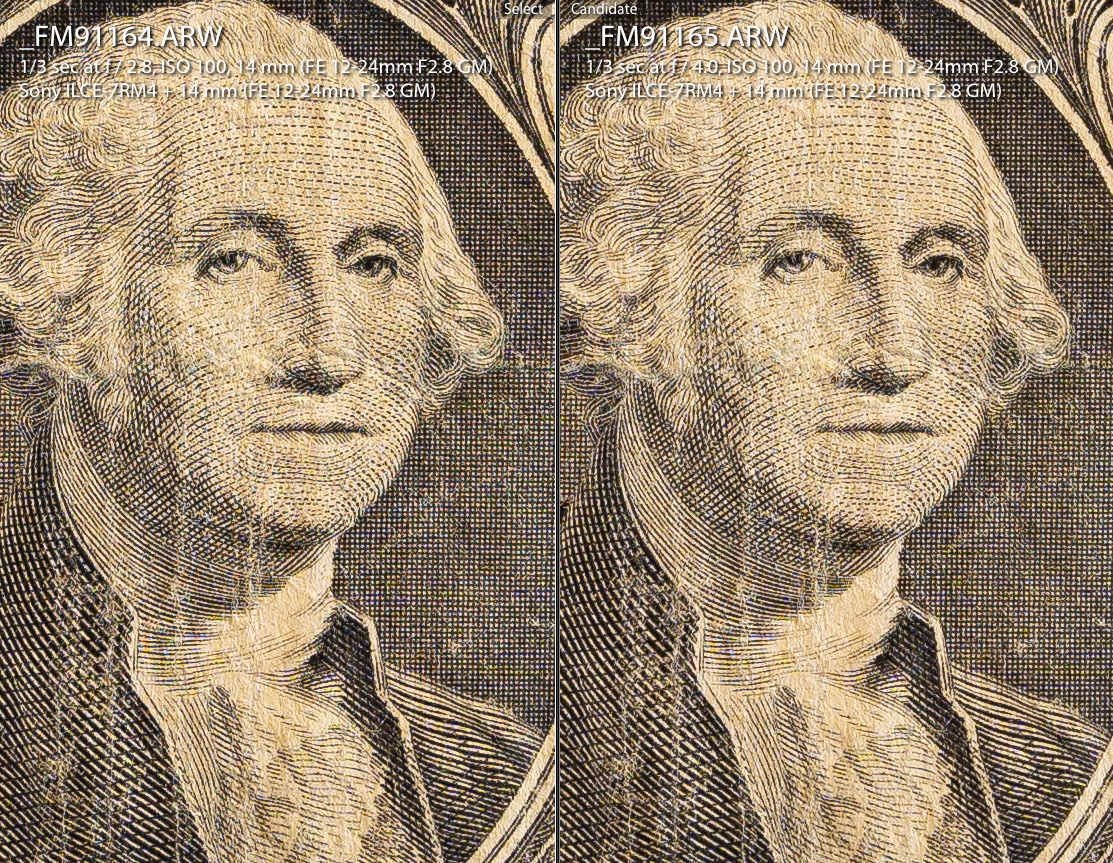
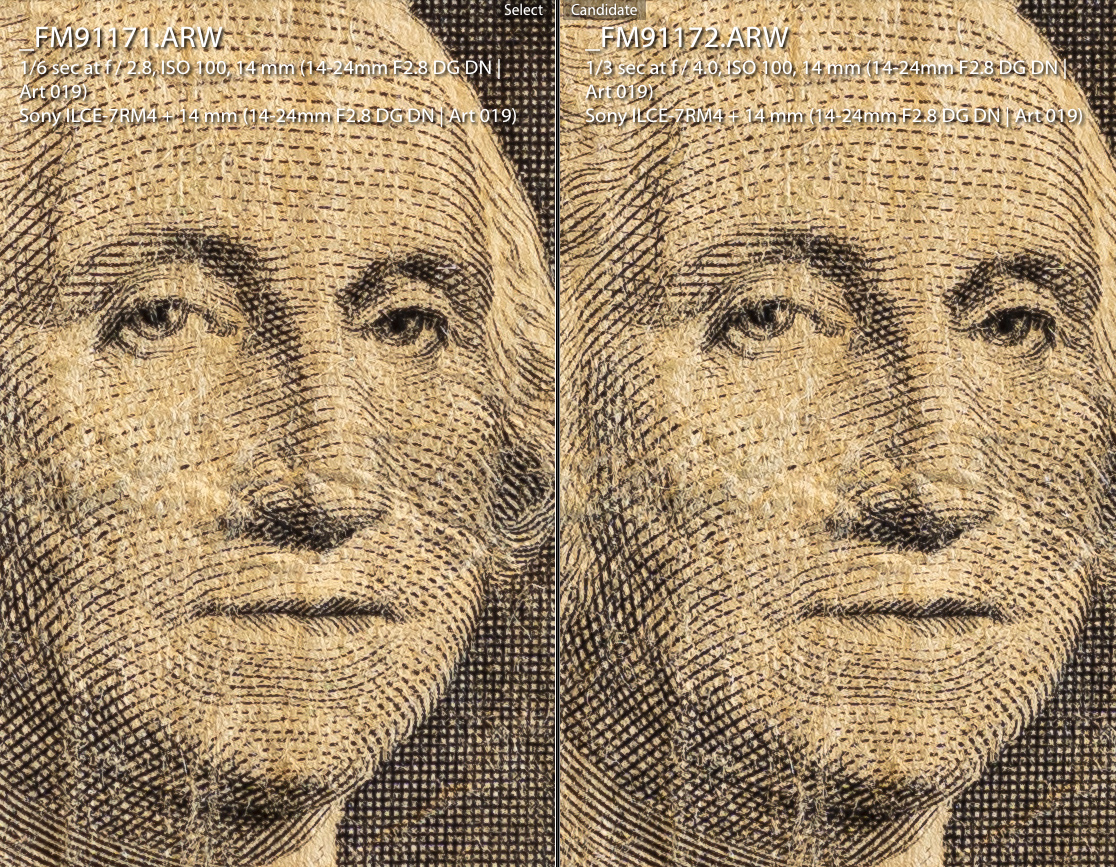
Sigma 14-24/2.8 vs. Sony 12-24/2.8 at 14mm and MFD for each lens:
Sigma on top. Since the Sigma can focus closer at MFD (despite both lenses sharing identical MFD specs), therefore there is more blur for the Sigma image
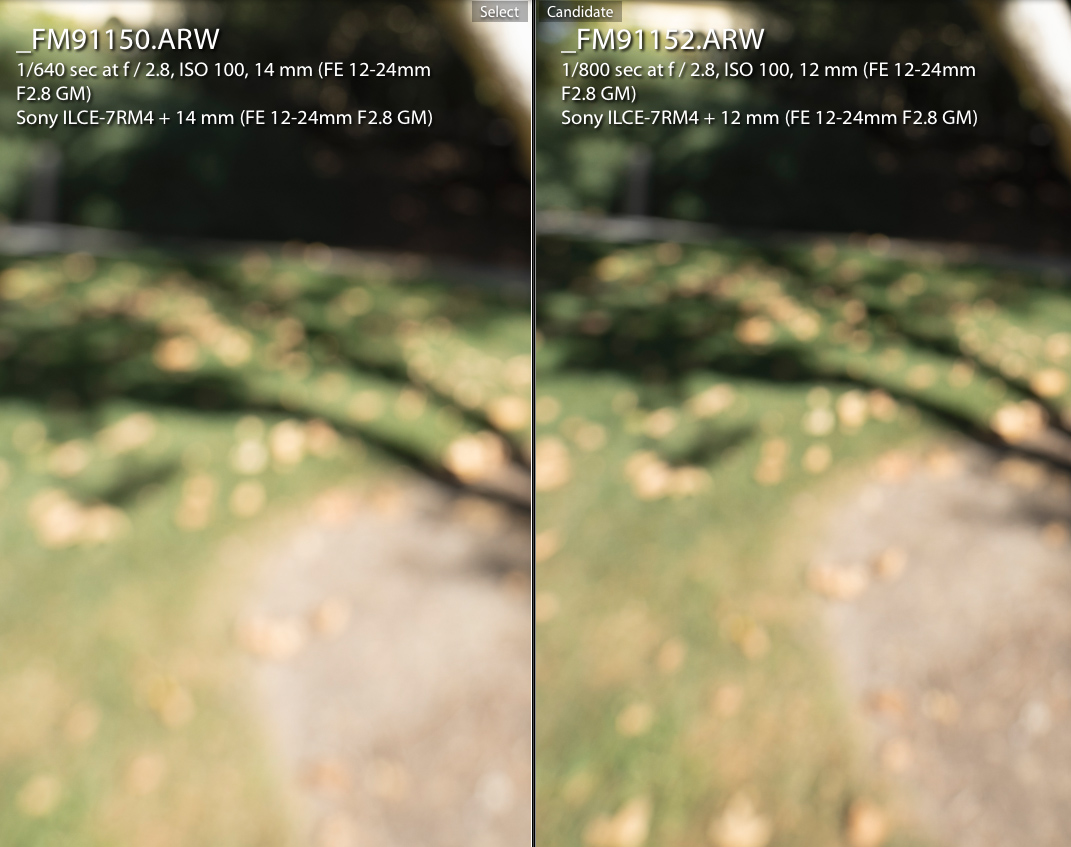
Center at MFD: Sigma showing more blur at MFD since it can focus closer than the GM
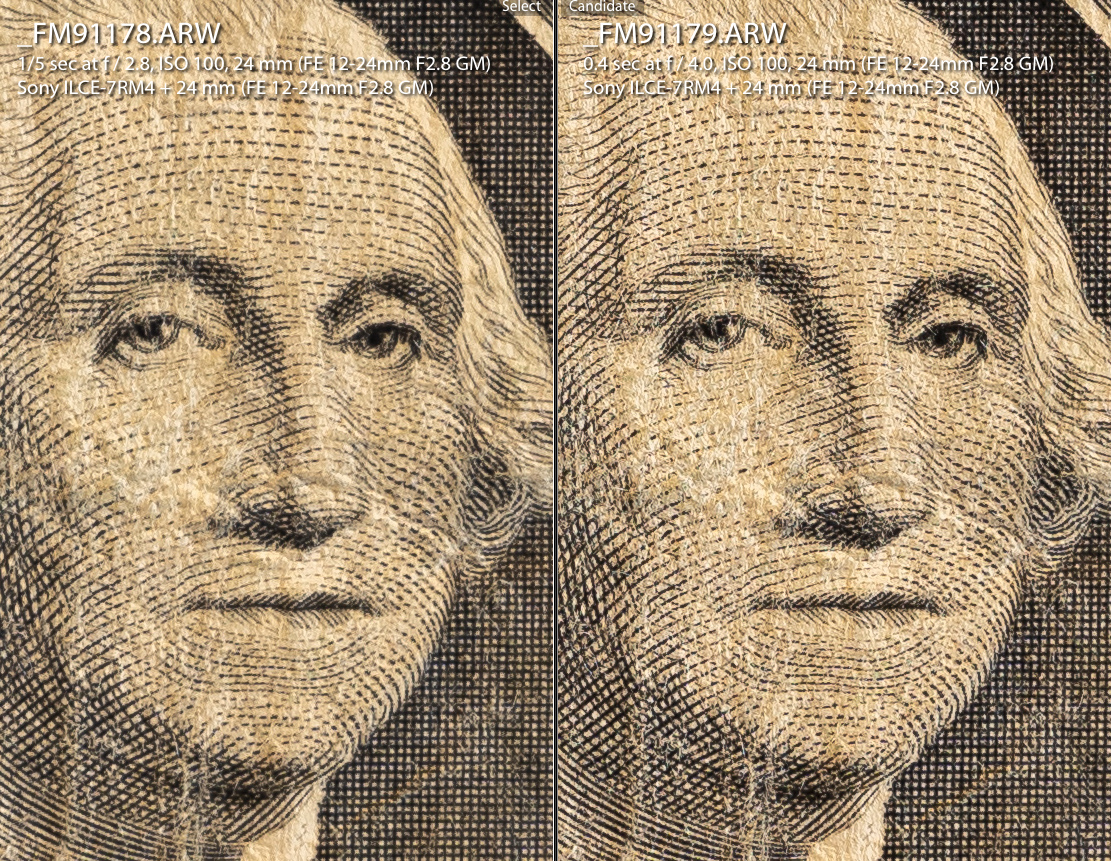
Center at MFD: Sigma showing more blur at MFD since it can focus closer than the GM
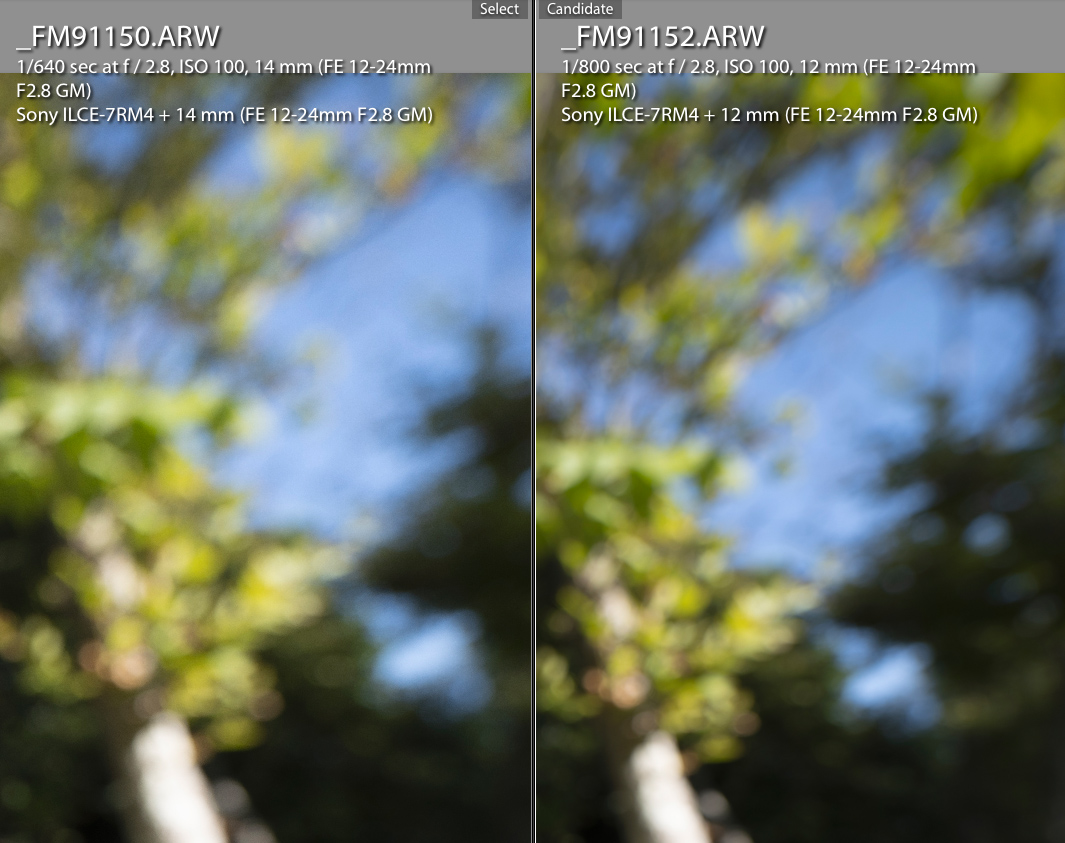
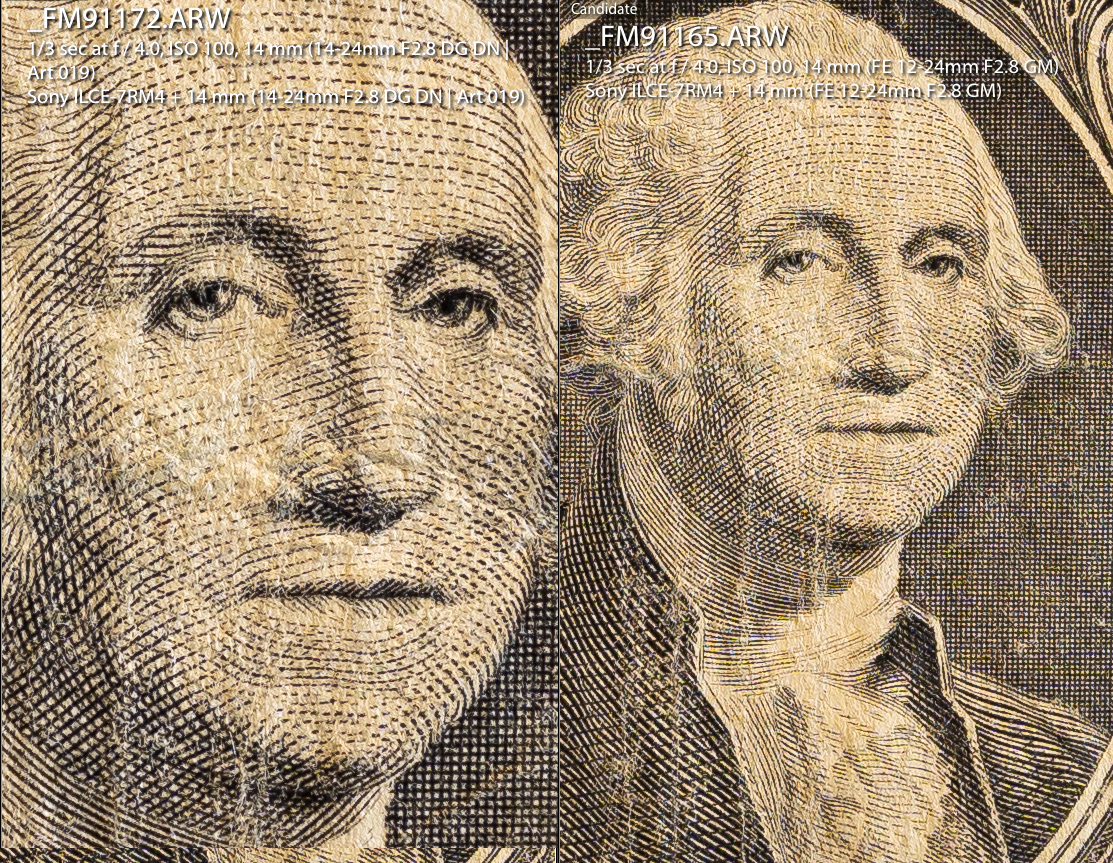
Here is a last comparison showing how much closer the Sigma 14-24/2.8 DG DN Art can focus at 14m (minimal focus distance) compared to the Sony. The Sigma will have a higher reproduction ratio.
Both lenses at 14mm and MFD (no significant change in MFD at 12mm). The Sigma can focus way closer despite both lenses having similar MFD specs...
Fred Miranda wrote:
The specifications for both lenses show the exact same MFD at 0.28m and maximum magnification of 1.4x but the Sigma focuses much closer than the Sony in both AF and MF throughout the entire range. It has noticeably higher reproduction ratio.
That's a significant plus for the Sigma not just for photographing smaller objects, but potentially also for extreme near-far focus-stacked landscapes. It's odd the specs quote the same MFD. Do you have a rough idea on what you think they actually are?
** I just had a quick look at my Sigma, and ballpark I think MFD its not much over 20cm at the wide end and maybe 23cm at the long end.
rvh23 wrote:
That's a significant plus for the Sigma not just for photographing smaller objects, but potentially also for extreme near-far focus-stacked landscapes. It's odd the specs quote the same MFD. Do you have a rough idea on what you think they actually are?
I didn't measure it but I can focus significantly closer with the Sigma at all FLs. At first I thought it was in AF mode only but it's the case for both MF and AF.
Roughly at 14mm for both lenses, MFD is ~8 inches from subject to sensor for the Sigma and ~2.5 inches further for the Sony. This translates to a higher reproduction ratio for the Sigma as seen here: https://www.fredmiranda.com/forum/topic/1659827/7#15325963
Fred Miranda wrote:
Roughly at 14mm for both lenses, MFD is ~8 inches from subject to sensor for the Sigma and ~2.5 inches further for the Sony. This translates to a higher reproduction ratio for the Sigma as seen here: https://www.fredmiranda.com/forum/topic/1659827/7#15325963
Yes, that's what I get for my Sigma at the wide end too. And at the long end a little over 9". I wonder why Sigma are specifying 11".
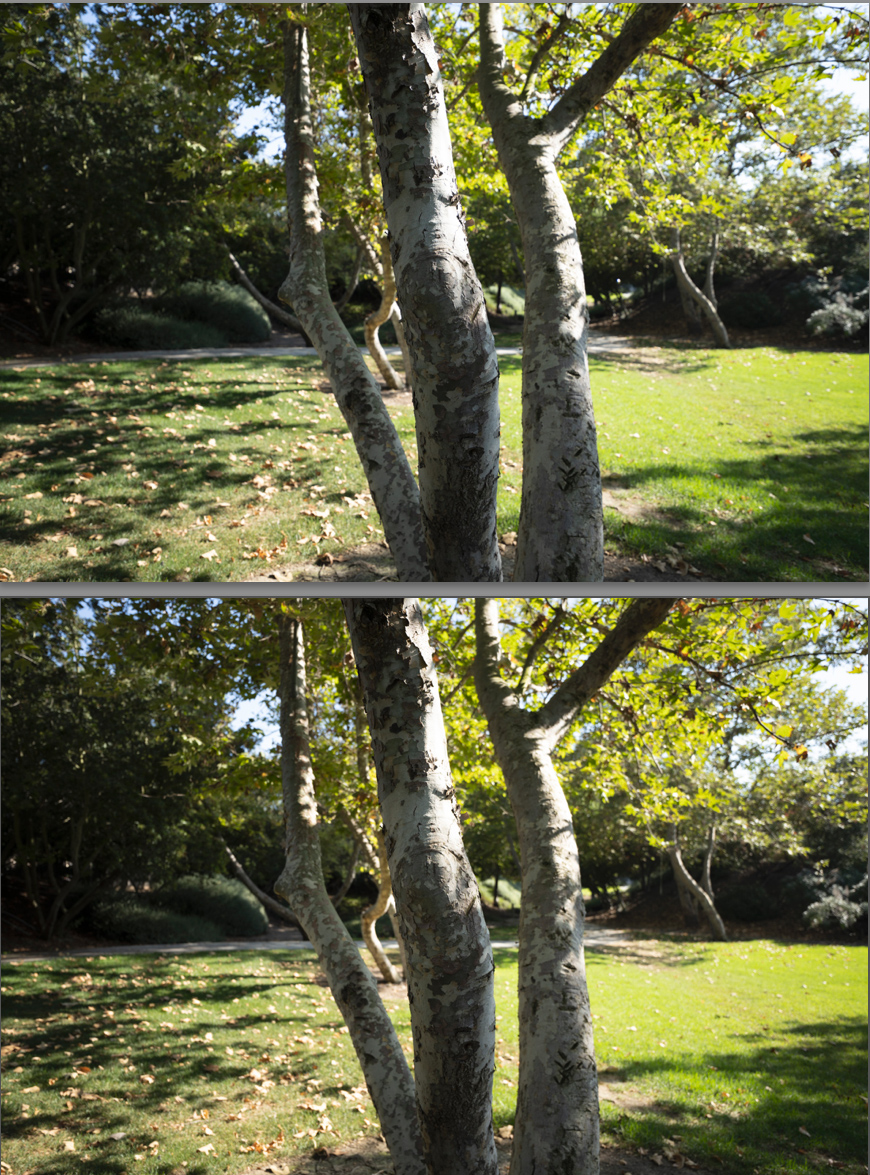
Ultra wide zooms usually have moderate to severe barrel distortion at the widest FL and noticeable pincushion distortion at the end of the range.
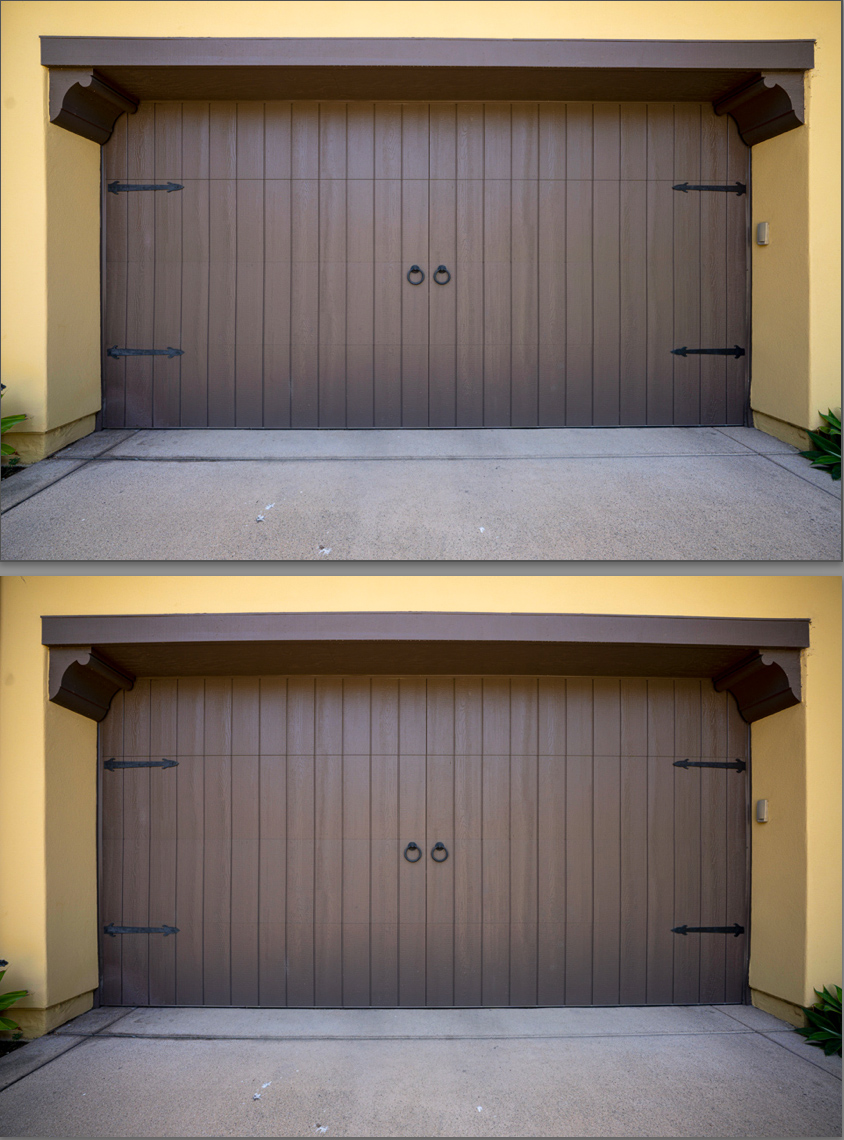
The Sony FE 12-24mm f/2.8 performs very well in regards to distortion control. It has low distortion at 12mm (almost matching the Voigtlander 12mm f/5.6 III prime), no barrel distortion at 14mm and slightly less pincushion distortion compared to the Sigma 14-24mm f/2.8 DG DN Art.
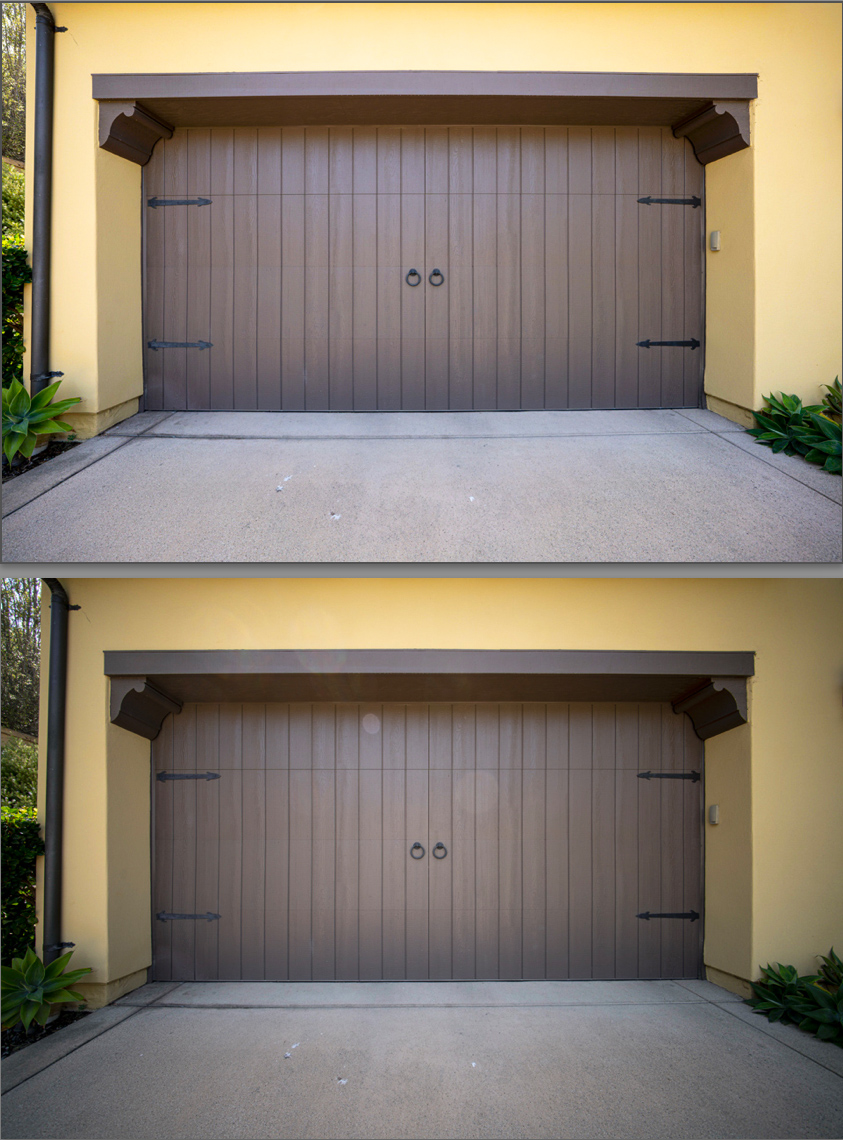
Distortion and vignetting correction was turned off in-camera and in-post for all lenses. This is a great way to compare their vignetting control at f/5.6. Also, notice flare resistance since the sun was above the garage door and the lenses were swapped in a matter of seconds. I see ghosting or the Voigtlander and Sigma and zero ghosting for the Sony GM.
Distortion at 12mm Sony FE 12-24/2.8 GM vs Voigtlander 12mm f/5.6 III
Sony FE 12-24/2.8 GM (TOP) vs Voigtlander 12mm f/5.6 III (BOTTOM): The Voigtlander prime shows slightly less barrel distortion. This is a great performance at 12mm for an ultra wide zoom. Notice the better flare resistance + lower vignetting for the Sony


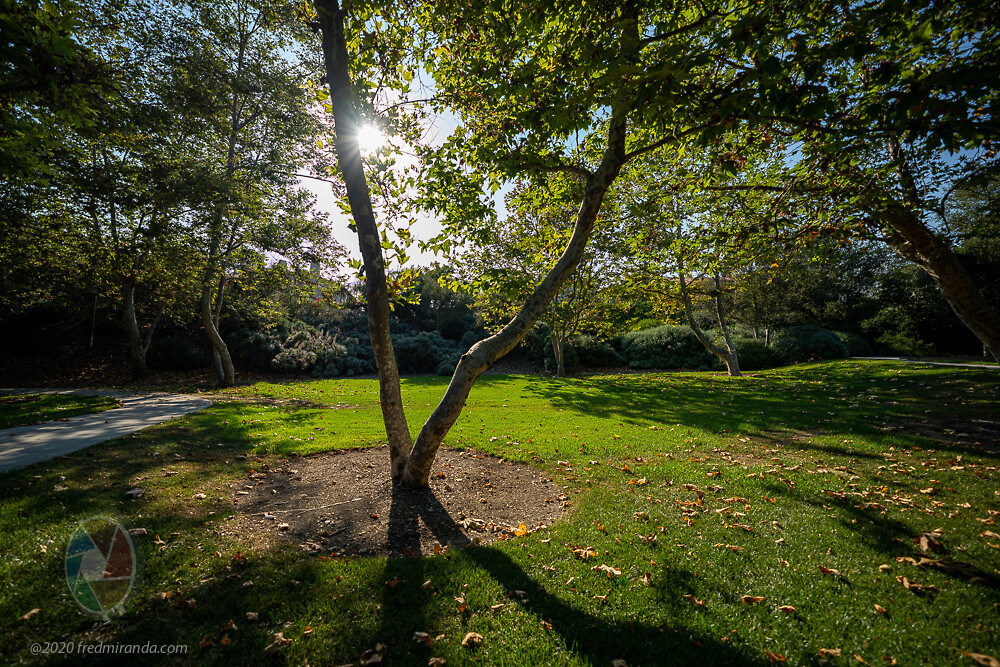
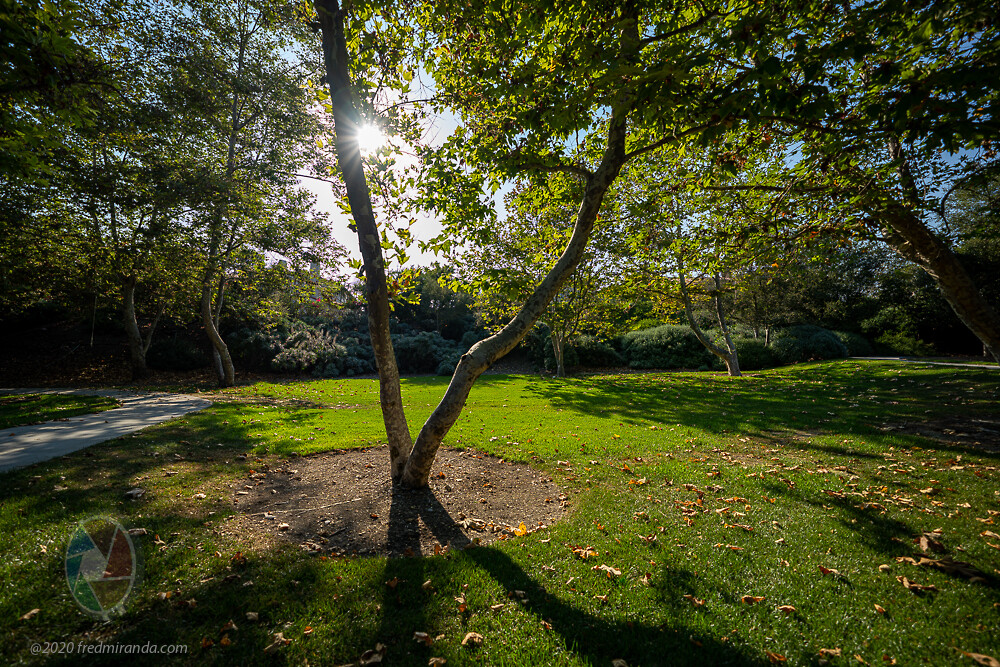
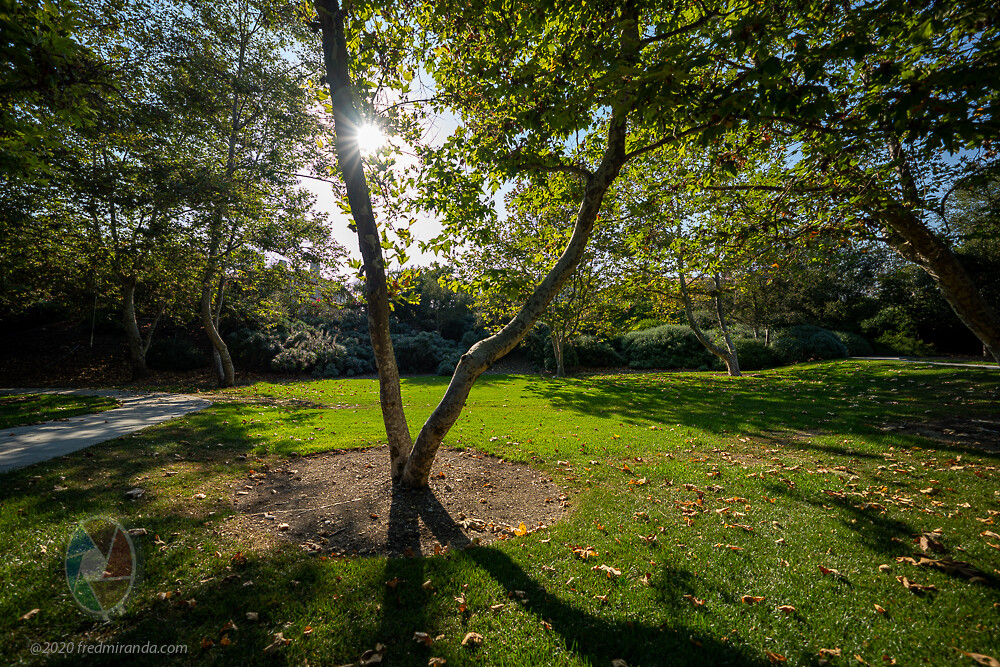
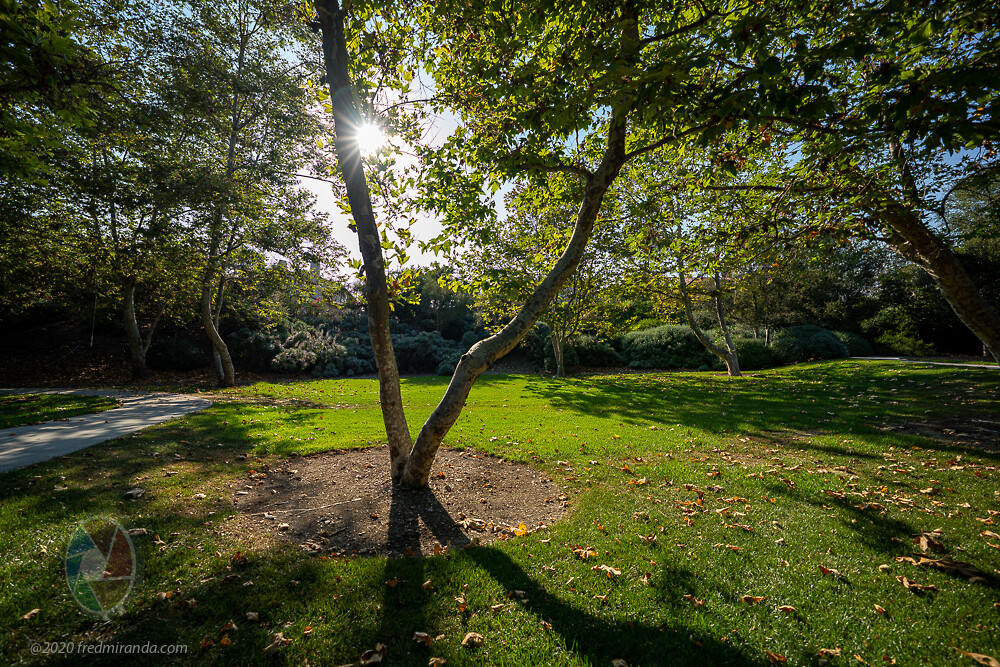
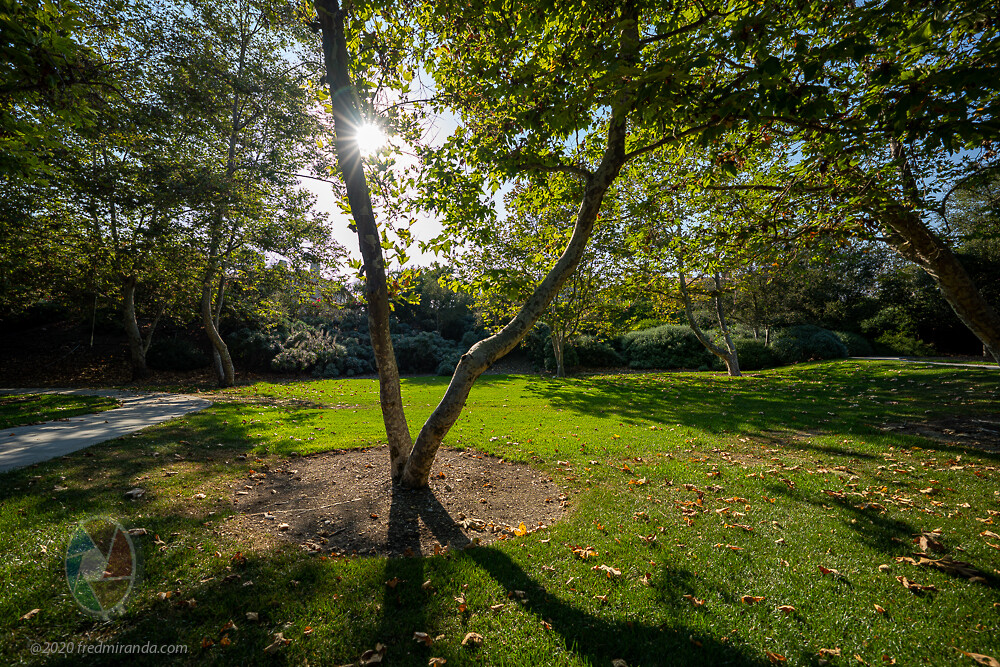
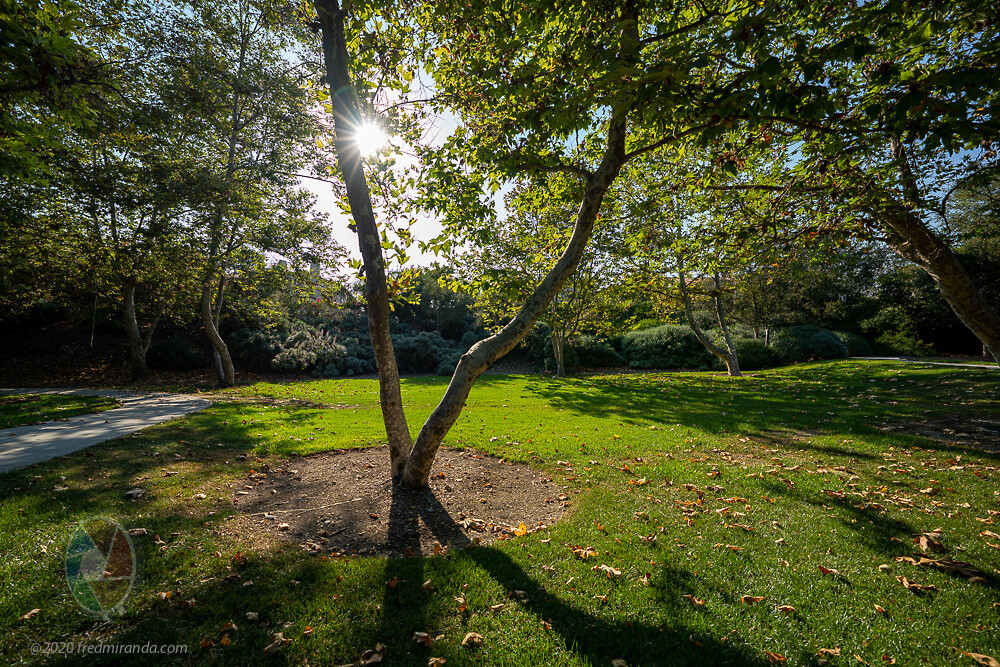
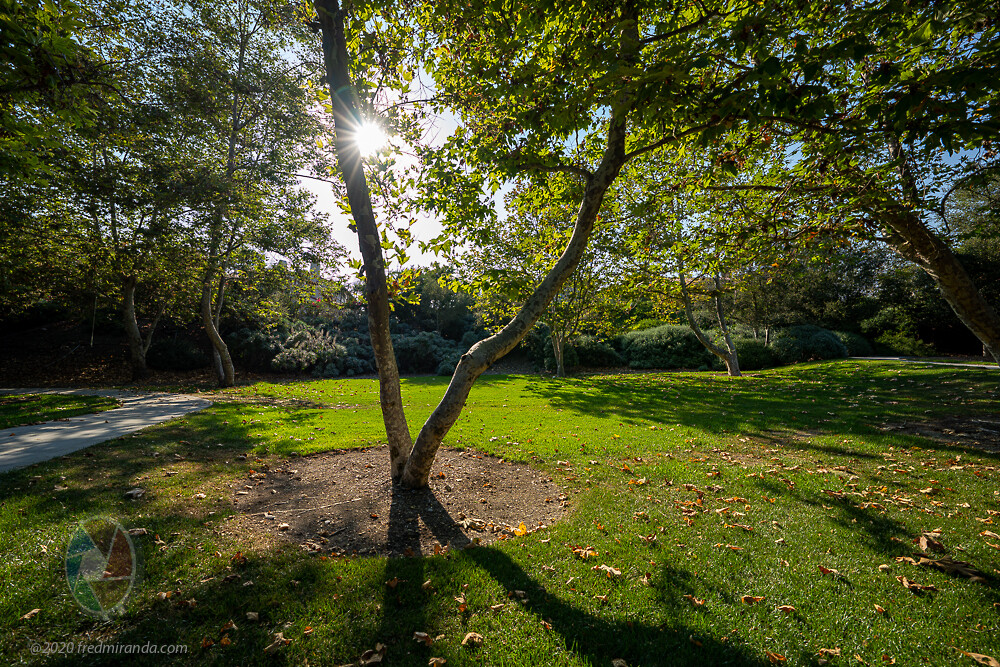
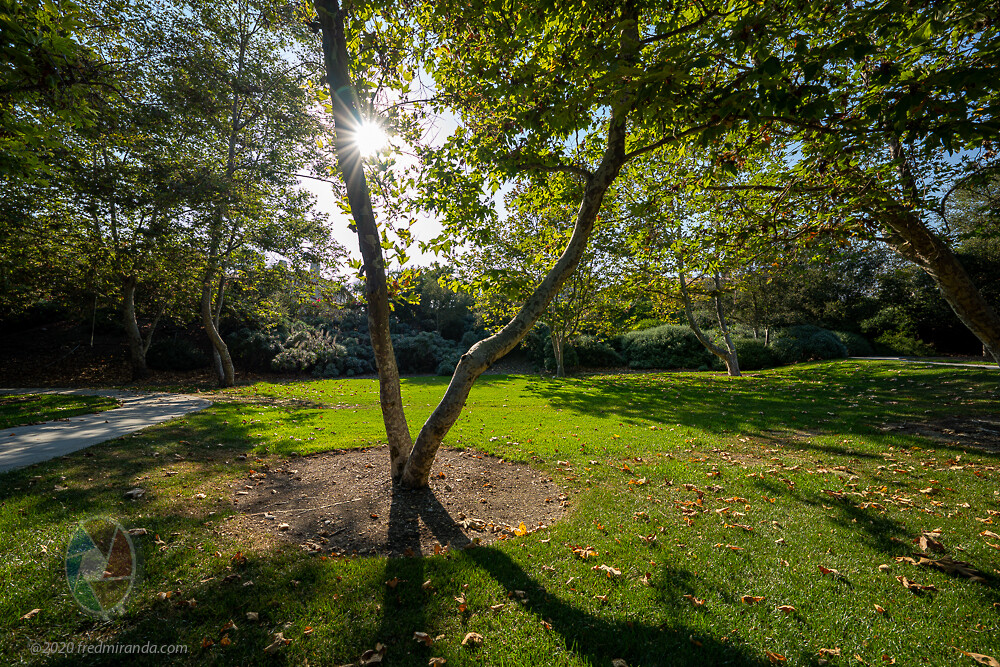
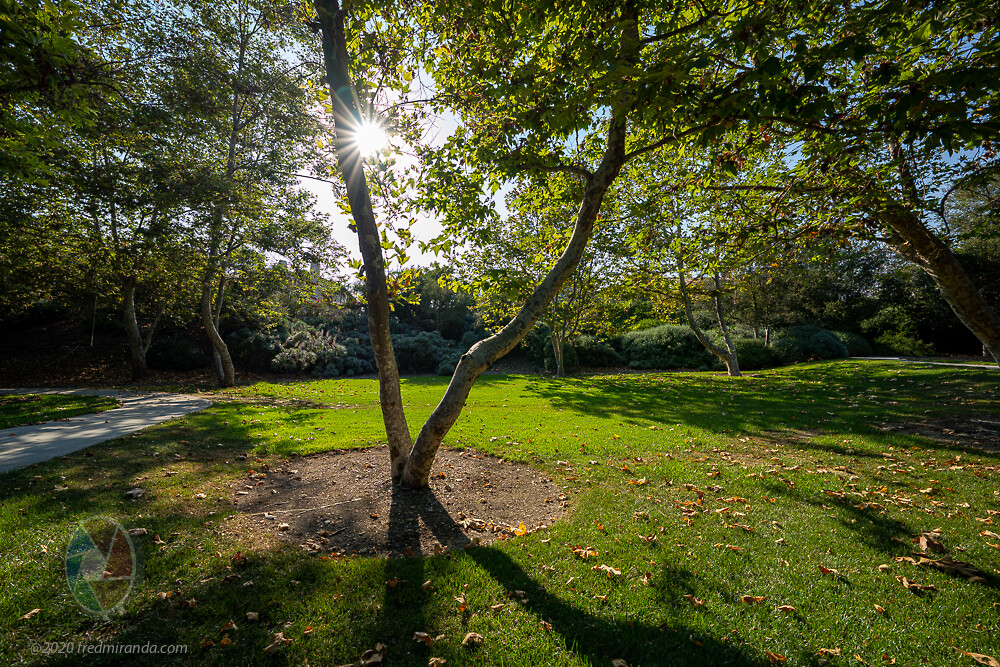
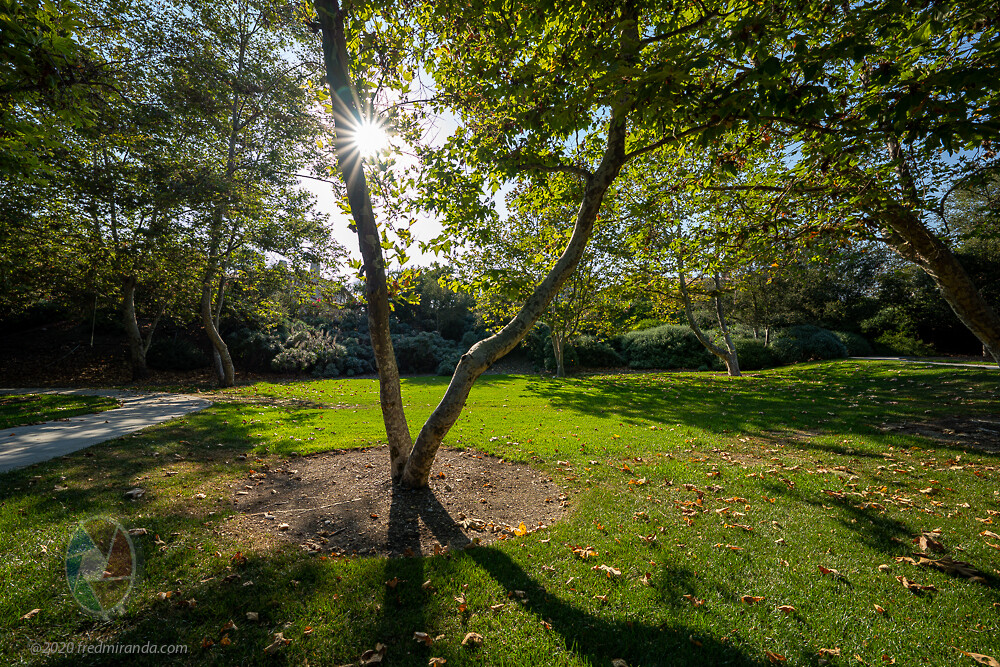
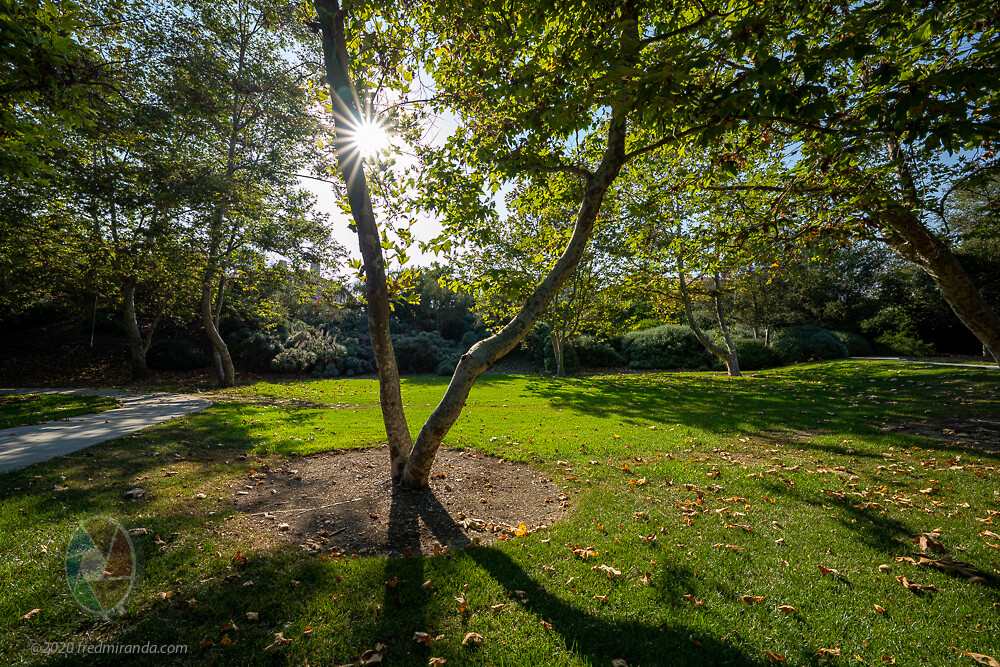
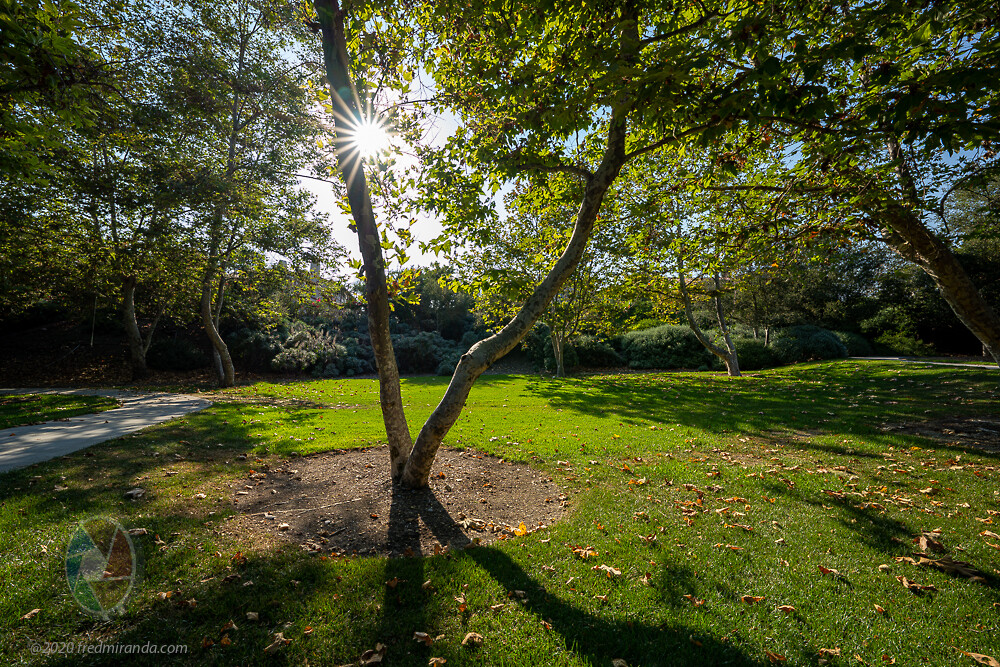
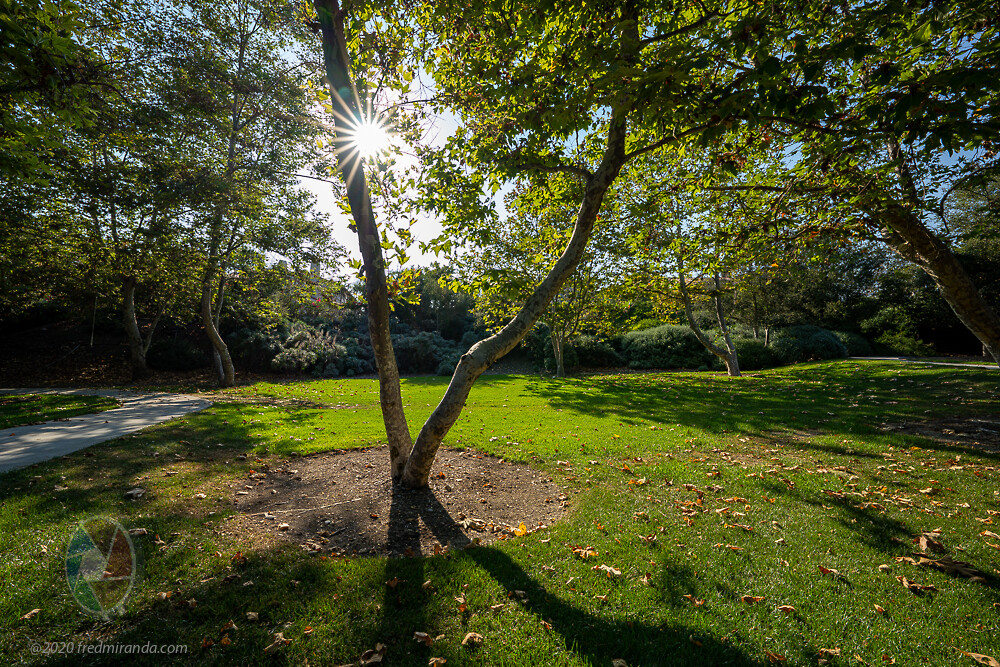
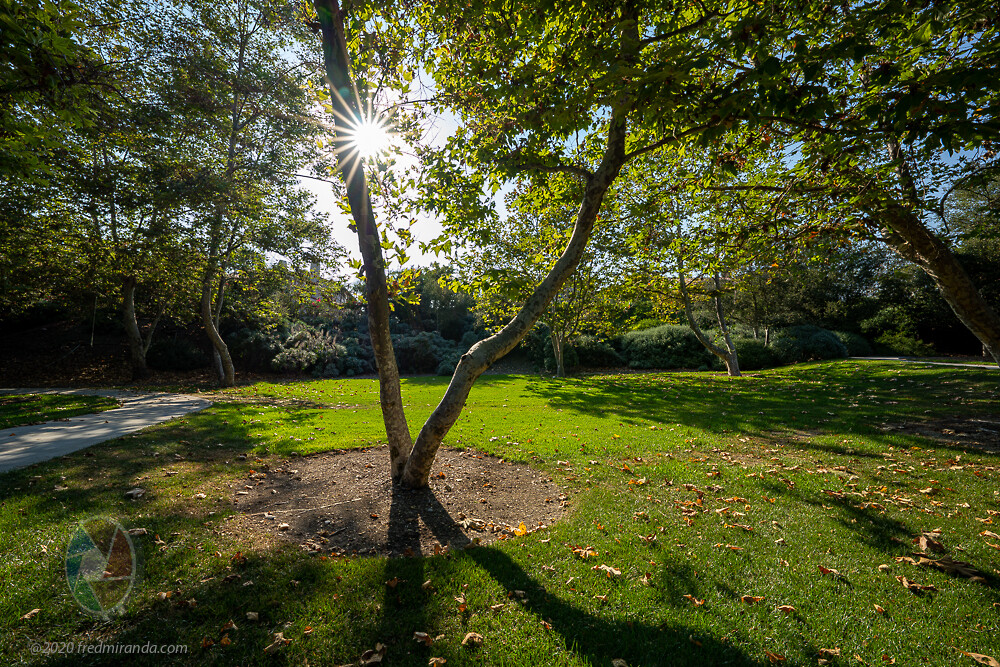
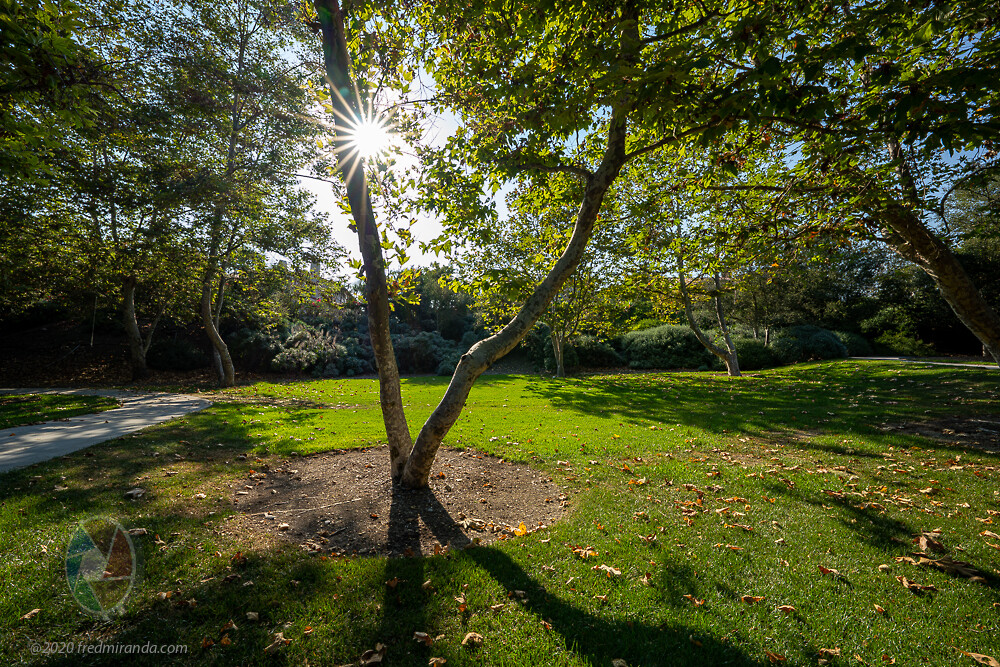
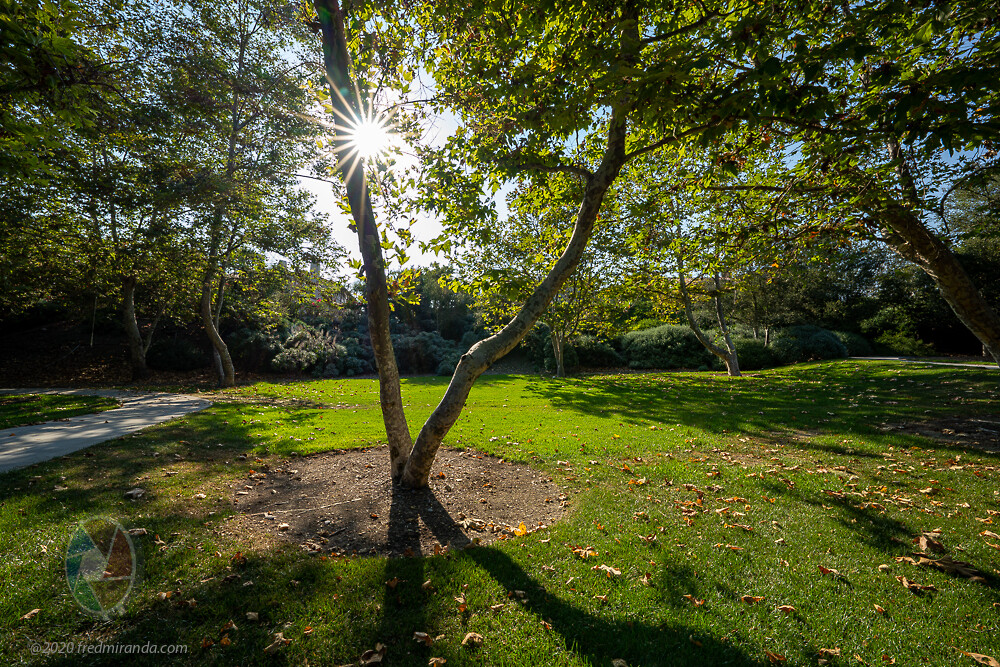
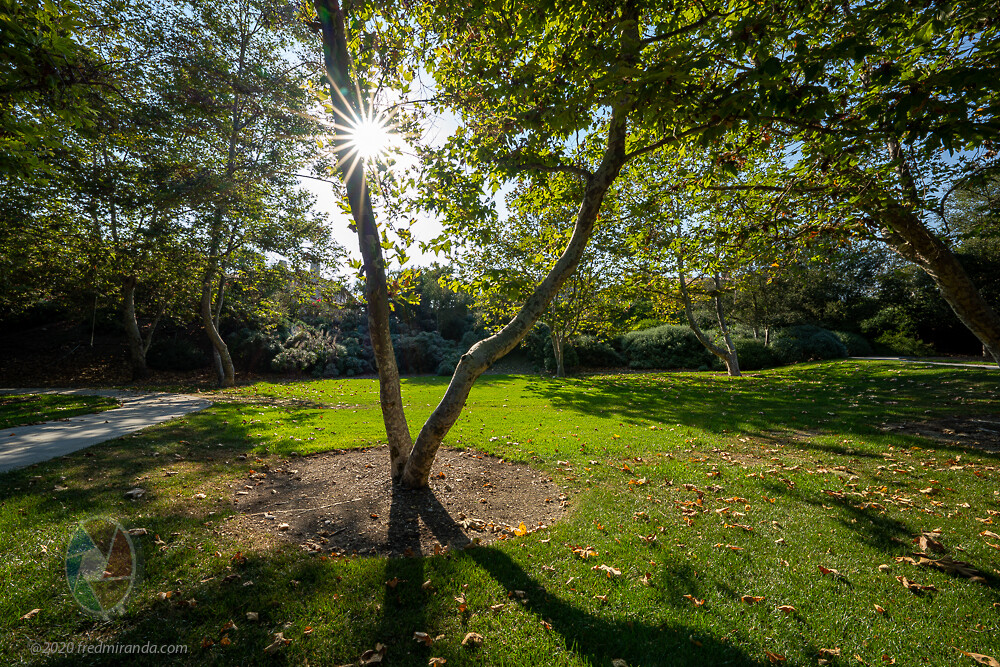
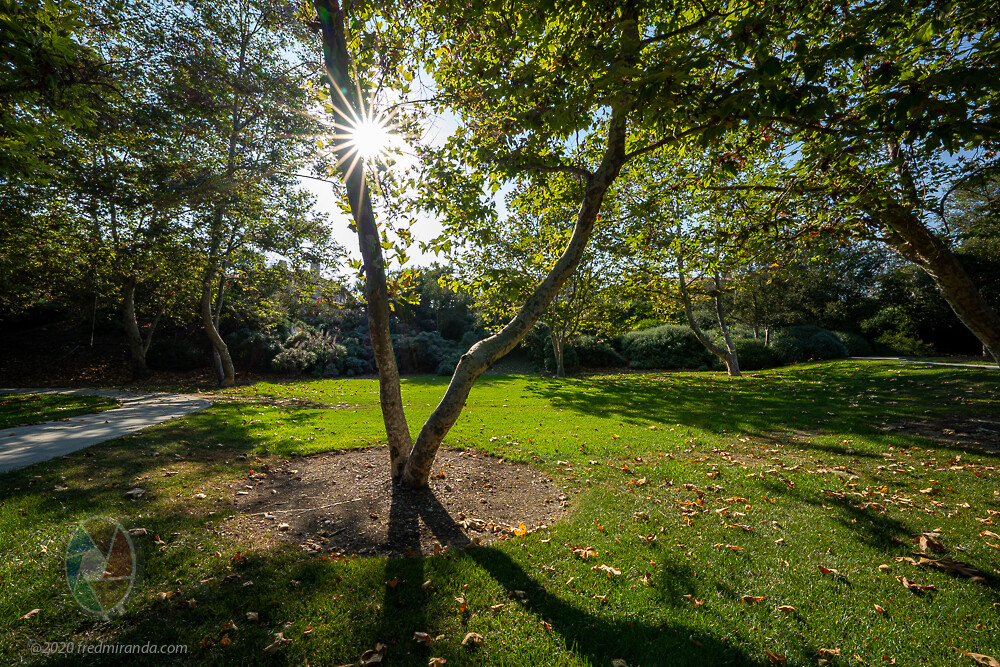

 I didn't really do much editing to them at all. Not at home PC that has all my tools I use.