p.7 #1 · Voigtlander 21mm f/3.5 Color Skopar Review
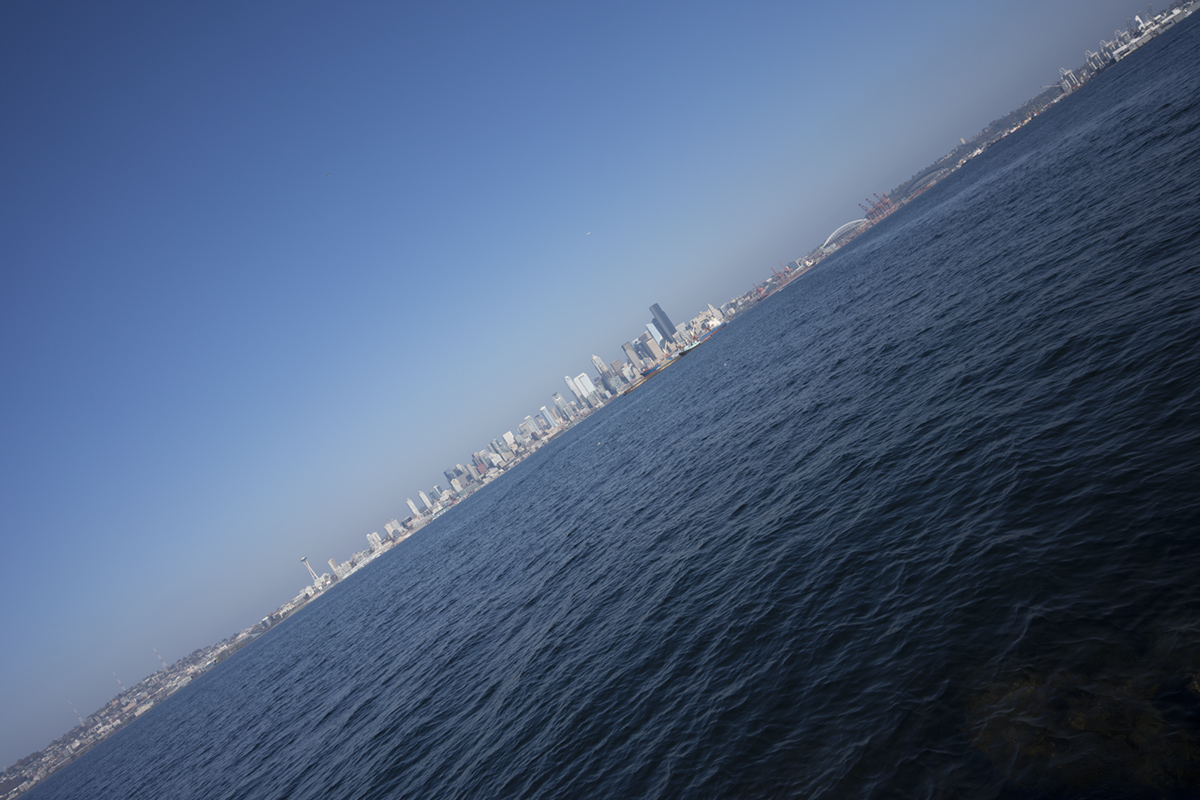
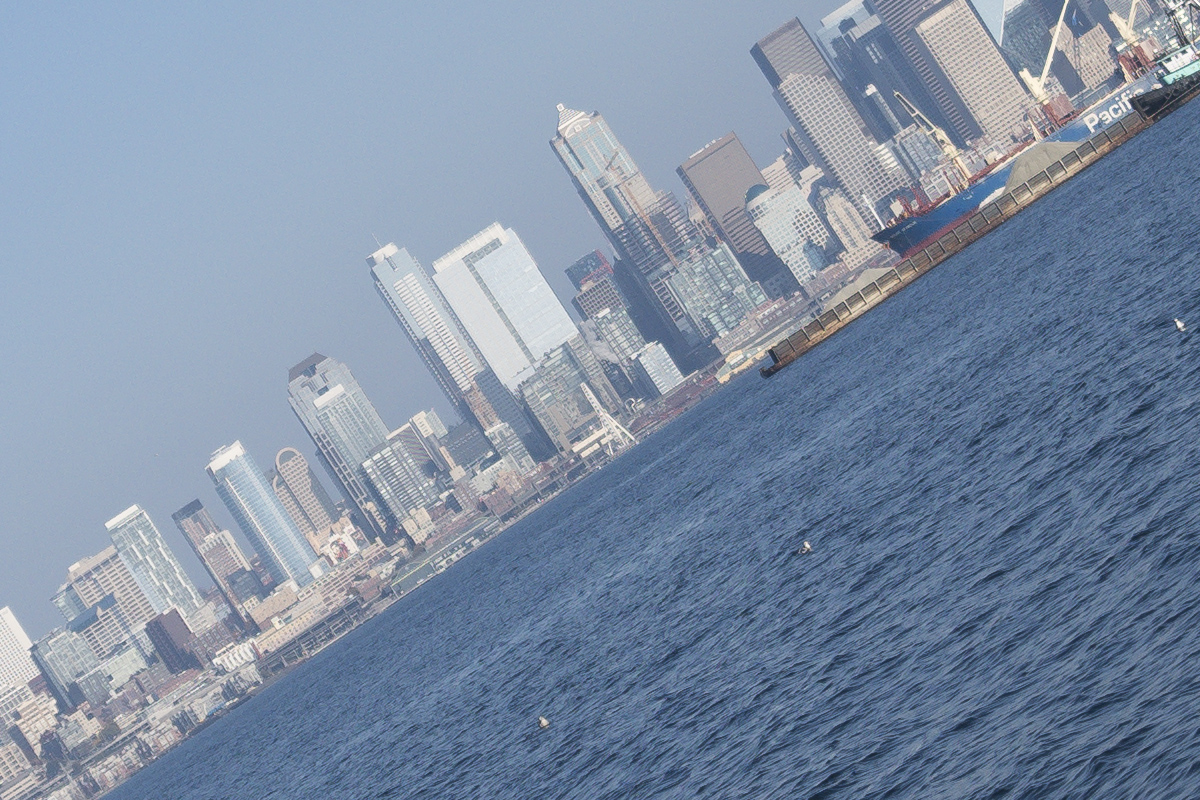
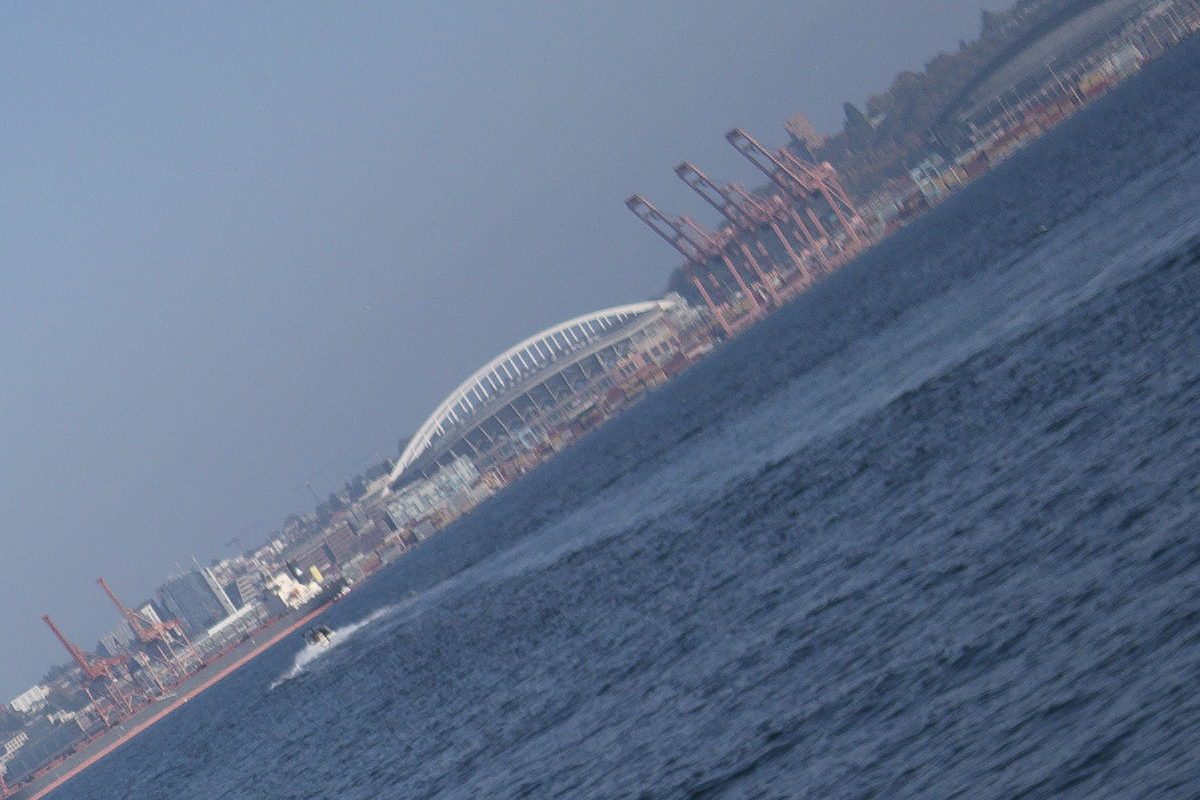
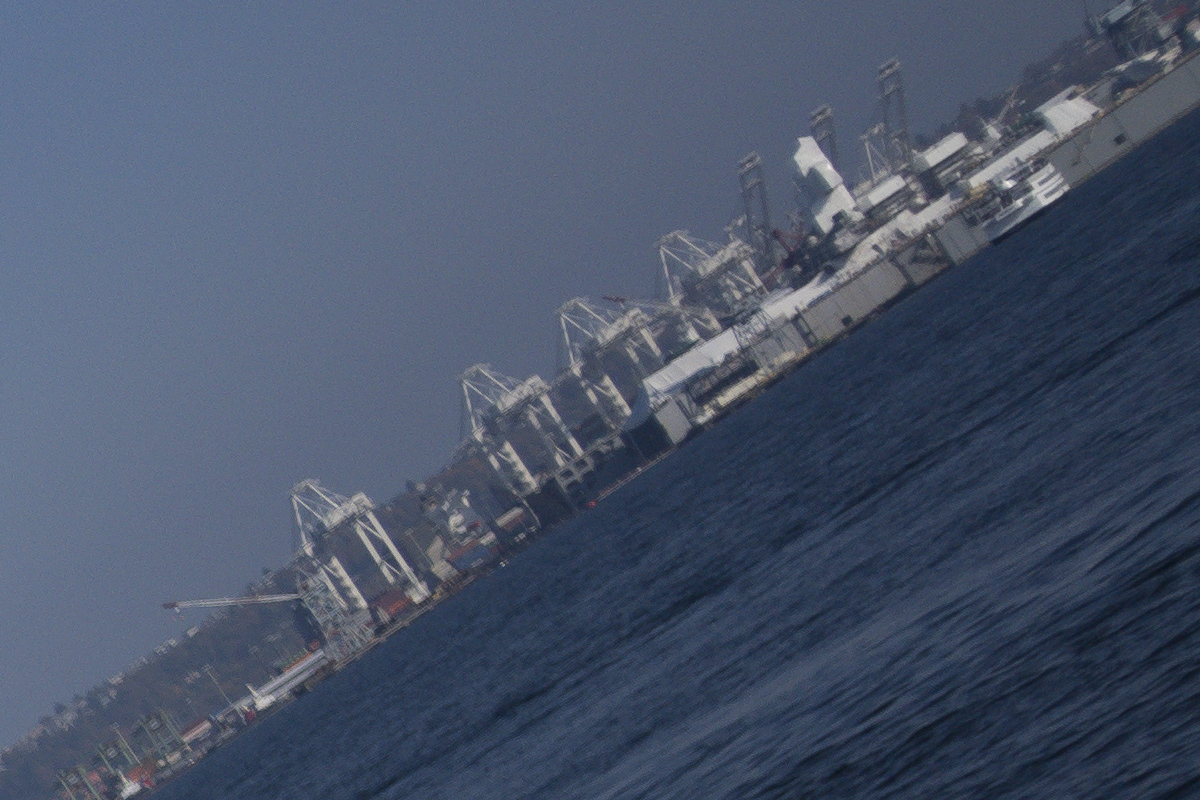
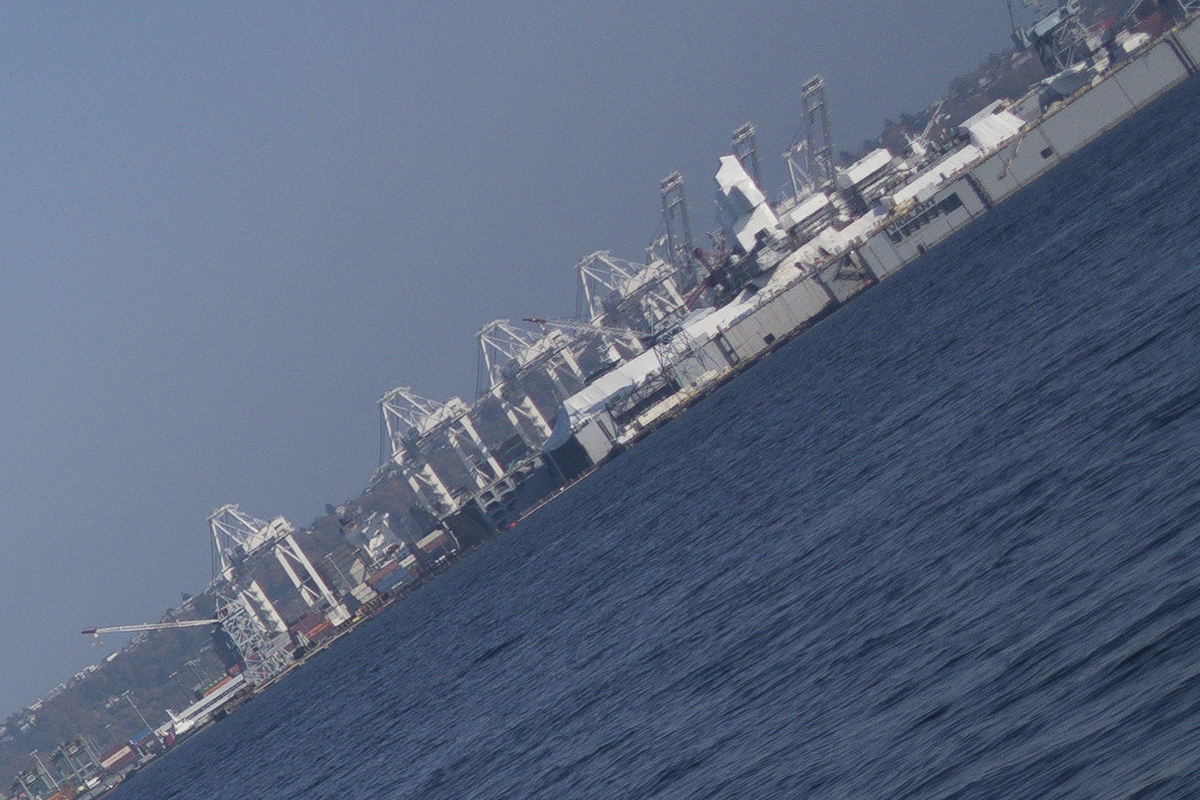
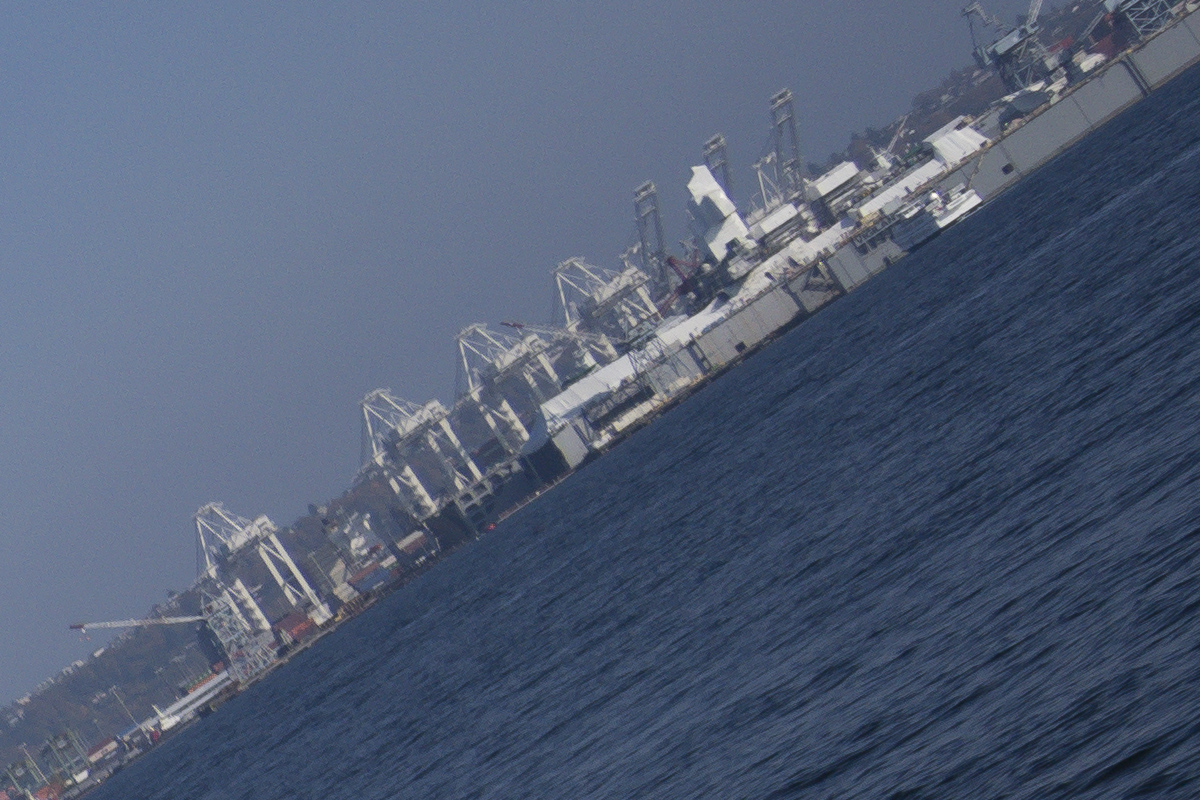
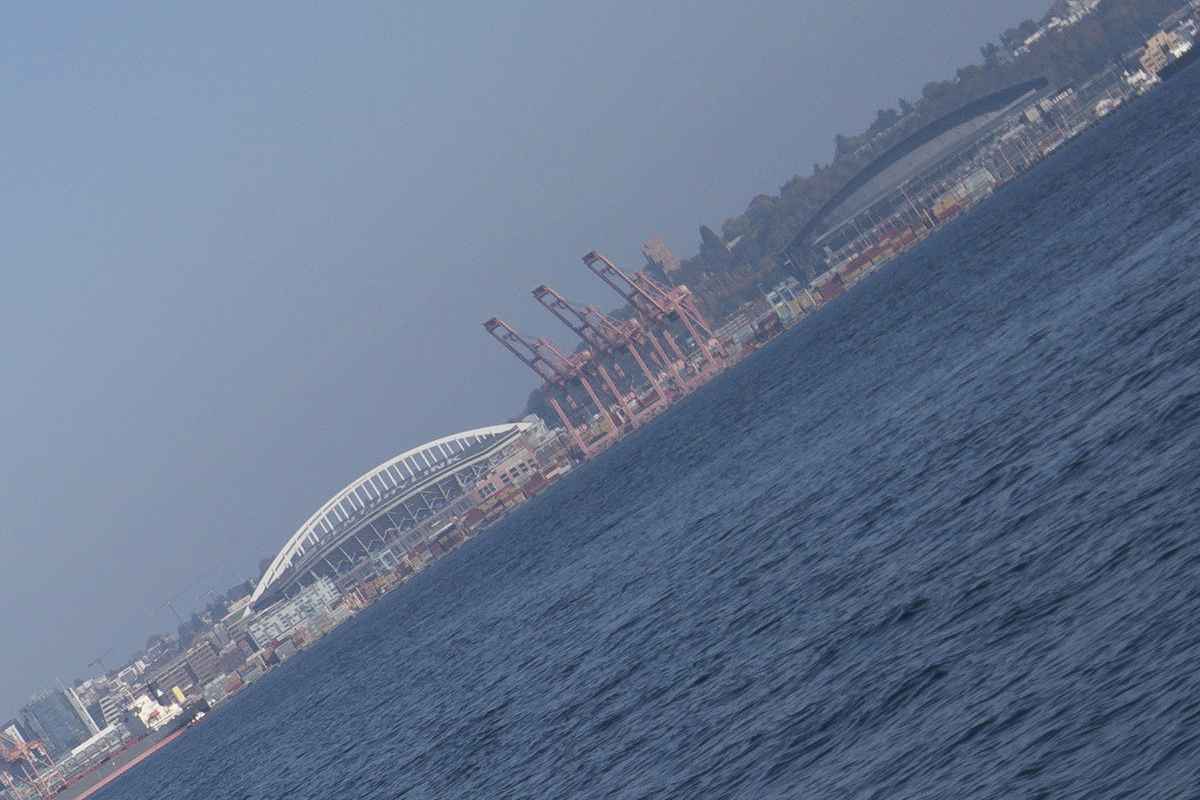
Well, the fog lifted enough this afternoon to take both the CV21 and Lox21 out for some formal side-by-side testing.
All hand-held, but shutter speeds were such that it didn't matter.
If you don't want to read it all: At infinity distances, my CV21 is poor outside of the central 1/3 until f/8, then it's as good as the Lox at f/3.5. Flare/ghosting about the same (similar to Fred's tests).
It's that simple.
EDIT: And now that I actually compare the CV @ f/8 to the Lox at f/3.5 the Lox is better.
So the CV never catches up to the Lox in any way really.
It's going back. If a lens can't be sufficient sharp all over by f/5.6 then it's of no use to me.
CV - either your QC or lens designers have dashed my hopes for a decent wide open and excellent stopped down compact 21mm. I guess it's just not possible . . .
p.7 #2 · Voigtlander 21mm f/3.5 Color Skopar Review
How's the midfield on your copy at f8?
F8 performance is really all I care about for a lens like this. I doubt I'd replace my Loxia with it, but it might make a nice lightweight alternative.
p.7 #3 · Voigtlander 21mm f/3.5 Color Skopar Review
Aztatlan wrote:
How's the midfield on your copy at f8?
F8 performance is really all I care about for a lens like this. I doubt I'd replace my Loxia with it, but it might make a nice lightweight alternative.
p.7 #7 · Voigtlander 21mm f/3.5 Color Skopar Review
Hmmm. I wonder if the mid field versus corner sharpness is due to the infinity stop being too short on some copies. Maybe you have to focus the center beyond true infinity to get the mid field to optimum? I don't know if that is optically possible, but it could be an explanation for different behavior.
Also, decentering or tilt aren't the only possible QC issues. Assume that the distance between the lens groups is off; then I guess the curvature of field could be (symmetrically) different between copies.
p.7 #9 · Voigtlander 21mm f/3.5 Color Skopar Review
Juha Kannisto wrote:
I also see some gradual loss of resolution off center especially when shooting at wider apertures though it looks quite continuous to me and not just affecting midfield but edges as well. I shot a lot of the low light stuff today at f4 and daylight stuff mostly at f6.3 and I usually focused short of hard infinity with my A9, trying to focus on something that was the main subject in or near the central region. This 2nd copy of the lens that I have on my A9 seems to have best infinity focus for central area when the focus distance indicator on camera's viewfinder shows 5m (just before it turns to infinity). I feel like there's some more bite at the center when shooting at f5.6 or f6.3 vs. f8 though best midfield/edges would probably require f8 and I'm still experimenting with different settings.
On my other 2 cameras (A7r and A7II) even this 2nd copy of the lens still requires hard infinity for best results most of the time so my A9 seems to be having ever so slightly shorter registration distance....Show more →
Interestingly the behavior sounds similar to what happens when an adapter is slightly out of spec, the registration distance too short or too long. I wonder if the other two cameras are a bit too long, in contrast to the a9 being short. Perhaps one needs to call into question the assumption that the camera (mount) is a reliable base for testing purposes... If one adds slight field curvature to the equation, along with the camera mount possibly being misaligned, it would get even more interesting. Thanks for looking at the results with several camera bodies.
p.7 #10 · Voigtlander 21mm f/3.5 Color Skopar Review
mapgraphs wrote:
Interestingly the behavior sounds similar to what happens when an adapter is slightly out of spec, the registration distance too short or too long. I wonder if the other two cameras are a bit too long, in contrast to the a9 being short. Perhaps one needs to call into question the assumption that the camera (mount) is a reliable base for testing purposes... If one adds slight field curvature to the equation, along with the camera mount possibly being misaligned, it would get even more interesting. Thanks for looking at the results with several camera bodies.
Is the lens a unit focusing or a floating elements design? If it's unit focusing, a too short mount register shouldn't matter.
p.7 #11 · Voigtlander 21mm f/3.5 Color Skopar Review
mapgraphs wrote:
Interestingly the behavior sounds similar to what happens when an adapter is slightly out of spec, the registration distance too short or too long. I wonder if the other two cameras are a bit too long, in contrast to the a9 being short. Perhaps one needs to call into question the assumption that the camera (mount) is a reliable base for testing purposes... If one adds slight field curvature to the equation, along with the camera mount possibly being misaligned, it would get even more interesting. Thanks for looking at the results with several camera bodies.
I don't know which one is wrong if any, but it's been discussed in various internet sources before that there can be some very slight variation (probably within manufacturing tolerances) between the registration distances between different E-mount cameras (for example it was discussed here: https://www.dpreview.com/forums/thread/3910984) and with lenses also having some variations (probably again within manufacturing tolerances) it might make a difference if one lens can just barely reach optimal infinity at hard infinity on one camera, as it might then fail to reach the same on another camera that is at a different end of the variation tolerance. I suppose that's why the lens designs usually allow some room to focus beyond infinity (in addition to weather/temperature tolerances etc.).
I've also noticed it before with some M-mount adapter and lens combinations that they could have perfect infinity at hard infinity on one of my cameras but not exactly on all other cameras.
Then there are also the mount differences that might have some impact, e.g. the lens locks in very tight on my A9 while it feels much more loose on my A7r (the original mount where lots of lenses had some play). And possibly the IBIS mechanism moving the sensor around could be somehow affect the situation...
p.7 #12 · Voigtlander 21mm f/3.5 Color Skopar Review
Makten wrote:
Hmmm. I wonder if the mid field versus corner sharpness is due to the infinity stop being too short on some copies. Maybe you have to focus the center beyond true infinity to get the mid field to optimum? I don't know if that is optically possible, but it could be an explanation for different behavior.
Also, decentering or tilt aren't the only possible QC issues. Assume that the distance between the lens groups is off; then I guess the curvature of field could be (symmetrically) different between copies.
I've been wondering also if the infinity stop variation on lenses and potential camera registration variations could have had an impact on the high return rates with some lenses like 15/4.5 where you may need to be able to focus further for the best corners/edges vs. for the best center and if you can only reach the best center at hard infinity it could leave the corners lacking at all times...
p.7 #13 · Voigtlander 21mm f/3.5 Color Skopar Review
bjornthun wrote:
Is the lens a unit focusing or a floating elements design? If it's unit focusing, a too short mount register shouldn't matter.
The conventional thinking on this point, from various "knowledgeable" web denizens is that unit focusing lenses shouldn't be affected, but I haven't seen anything to back that assumption. And it possibly assumes all unit based lenses are designed the same or designed to give the same results. Perhaps across their entire focus range and aperture settings? A hard stop is only where the lens stops changing focus, it doesn't necessarily mean that the lens was designed to be used racked all the way in or out. The closest I've come to a rudimentary understanding of some of the traditional lens design decisions generally used is from Erwin Puts so I'm just asking... Assumptions have to be validated or not, at some point.
p.7 #14 · Voigtlander 21mm f/3.5 Color Skopar Review
mapgraphs wrote:
The conventional thinking on this point, from various "knowledgeable" web denizens is that unit focusing lenses shouldn't be affected, but I haven't seen anything to back that assumption. And it possibly assumes all unit based lenses are designed the same or designed to give the same results. Perhaps across their entire focus range and aperture settings? A hard stop is only where the lens stops changing focus, it doesn't necessarily mean that the lens was designed to be used racked all the way in or out. The closest I've come to a rudimentary understanding of some of the traditional lens design decisions generally used is from Erwin Puts so I'm just asking... Assumptions have to be validated or not, at some point....Show more →
The reason why they aren't affected, is that you can compensate a too short register distance fully by just turning the focus ring, provided the camera mount is slightly to short. (Now the focus scale will not be entirely accurate anymore.) If the camera mount is to far from the sensor/film, you won't reach infinity. Note that in a unit focusing lens, all the lens elements are mounted inside the same barrel/assembly, which is then again moved as one unit as you turn the focus ring. The distance between the lens elements remain the same all the time. The downside to a unit focusing lens is that it can be optimized for only one shooting distance.
p.7 #15 · Voigtlander 21mm f/3.5 Color Skopar Review
Juha Kannisto wrote:
I don't know which one is wrong if any, but it's been discussed in various internet sources before that there can be some very slight variation (probably within manufacturing tolerances) between the registration distances between different E-mount cameras (for example it was discussed here: https://www.dpreview.com/forums/thread/3910984) and with lenses also having some variations (probably again within manufacturing tolerances) it might make a difference if one lens can just barely reach optimal infinity at hard infinity on one camera, as it might then fail to reach the same on another camera that is at a different end of the variation tolerance. I suppose that's why the lens designs usually allow some room to focus beyond infinity (in addition to weather/temperature tolerances etc.).
I've also noticed it before with some M-mount adapter and lens combinations that they could have perfect infinity at hard infinity on one of my cameras but not exactly on all other cameras.
Then there are also the mount differences that might have some impact, e.g. the lens locks in very tight on my A9 while it feels much more loose on my A7r (the original mount where lots of lenses had some play). And possibly the IBIS mechanism moving the sensor around could be somehow affect the situation... ...Show more →
Actually this has happened between Fred and I where with the same lens we have slightly different infinity settings on lenses.
p.7 #16 · Voigtlander 21mm f/3.5 Color Skopar Review
GMPhotography wrote:
Actually this has happened between Fred and I where with the same lens we have slightly different infinity settings on lenses.
Yeah, I remember seeing your comment about that in some earlier discussion thread, just can't remember which thread it was so I couldn't find it easily.
Oct 21, 2018 at 09:39 AM
imagesfromobjects Offline • • • • Upload & Sell: Off
p.7 #17 · Voigtlander 21mm f/3.5 Color Skopar Review
That was my next thought. I originally thought my lens' infinity was exactly at the hard stop, but it's actually juuuust a hair back. As mentioned, if it were exactly at the hard stop, this would *positively* effect how this lens performed, when in conjunction with the other factors (weather, minute camera-based registration distances) especially at this focal length. And it may have something to do with why the CV 15 has a bad rap.
So many variables at play here.
My next testing will be with a tape measure, to check the accuracy of the distance scale. It seems pretty good, but it's important to me for pre-focusing at waist level to know just how much trust I can put in it. Will report back, but in the meantime I'll be enjoying taking actual pictures.
bjornthun wrote:
The reason why they aren't affected, is that you can compensate a too short register distance fully by just turning the focus ring, provided the camera mount is slightly to short. (Now the focus scale will not be entirely accurate anymore.) If the camera mount is to far from the sensor/film, you won't reach infinity. Note that in a unit focusing lens, all the lens elements are mounted inside the same barrel/assembly, which is then again moved as one unit as you turn the focus ring. The distance between the lens elements remain the same all the time. The downside to a unit focusing lens is that it can be optimized for only one shooting distance....Show more →
p.7 #18 · Voigtlander 21mm f/3.5 Color Skopar Review
It bugs me that CV designs these kind of lenses to be theoretically perfectly at infinity focus at the stop.
This then disallows adjustments for mount to sensor distance variations and lens assembly variations.
With my copy of the 21/3.5 both the center and far corners appear to be still improving when it hits the stop. I think this lens has field curvature to the rear of the image and thus could benefit from being able to go slightly past the infinity stop to improve the frame borders and corners at the expense of slight degradation of the very excellent center. My 40/1.2 is that way and I'm OK with it since I know I can get to a very good image across the frame at infinity (but I don't use it for landscapes so the point is moot a bit for me).
Same issue with my 15/4.5 FE - things appear to still be improving when it hits the stop (this was on my A7RII and my A7RIII so it's likely not a sensor to flange distance issue).
Now to decide if I will try another or live with the weight/bulk of the Lox for those times I'd rather not.
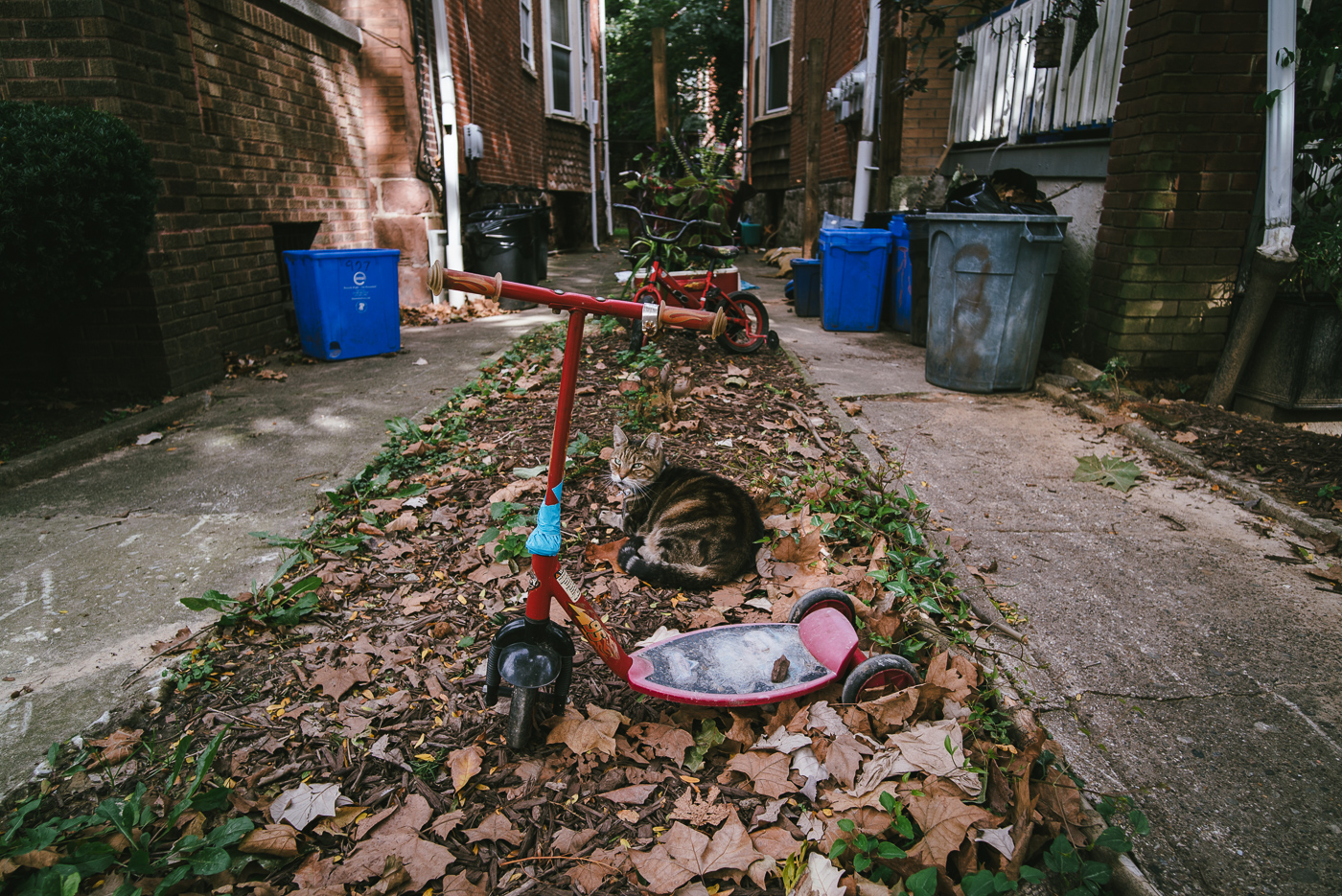
Not super useful review for a landscape shooter like me since his performance section is up close shots of a book shelf.
I'm fine with the center being sharp at f/3.5, but the edges and corners better be excellent by f/5.6. Particularly the edges and you can cheat a bit and have nothing in the corners many times.