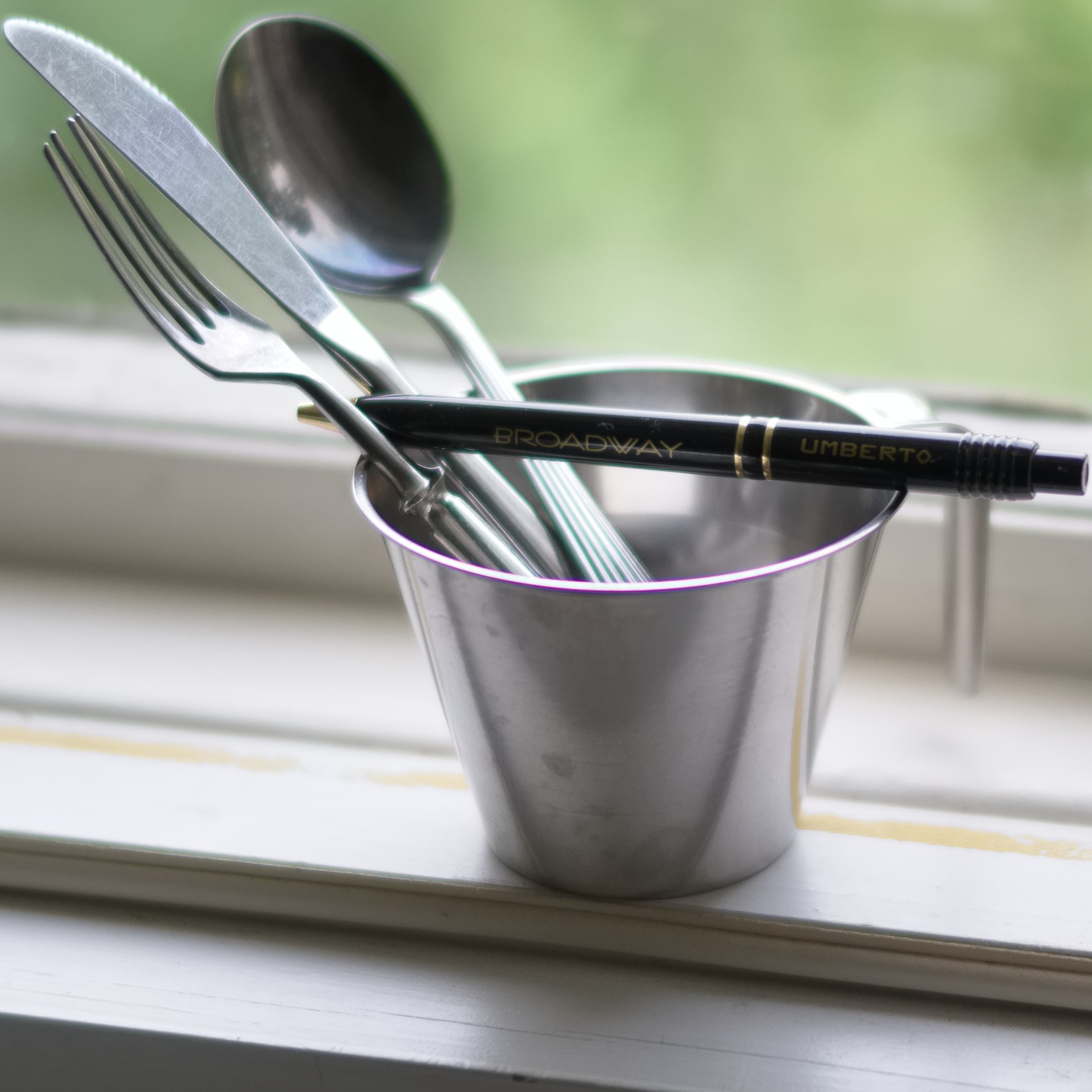
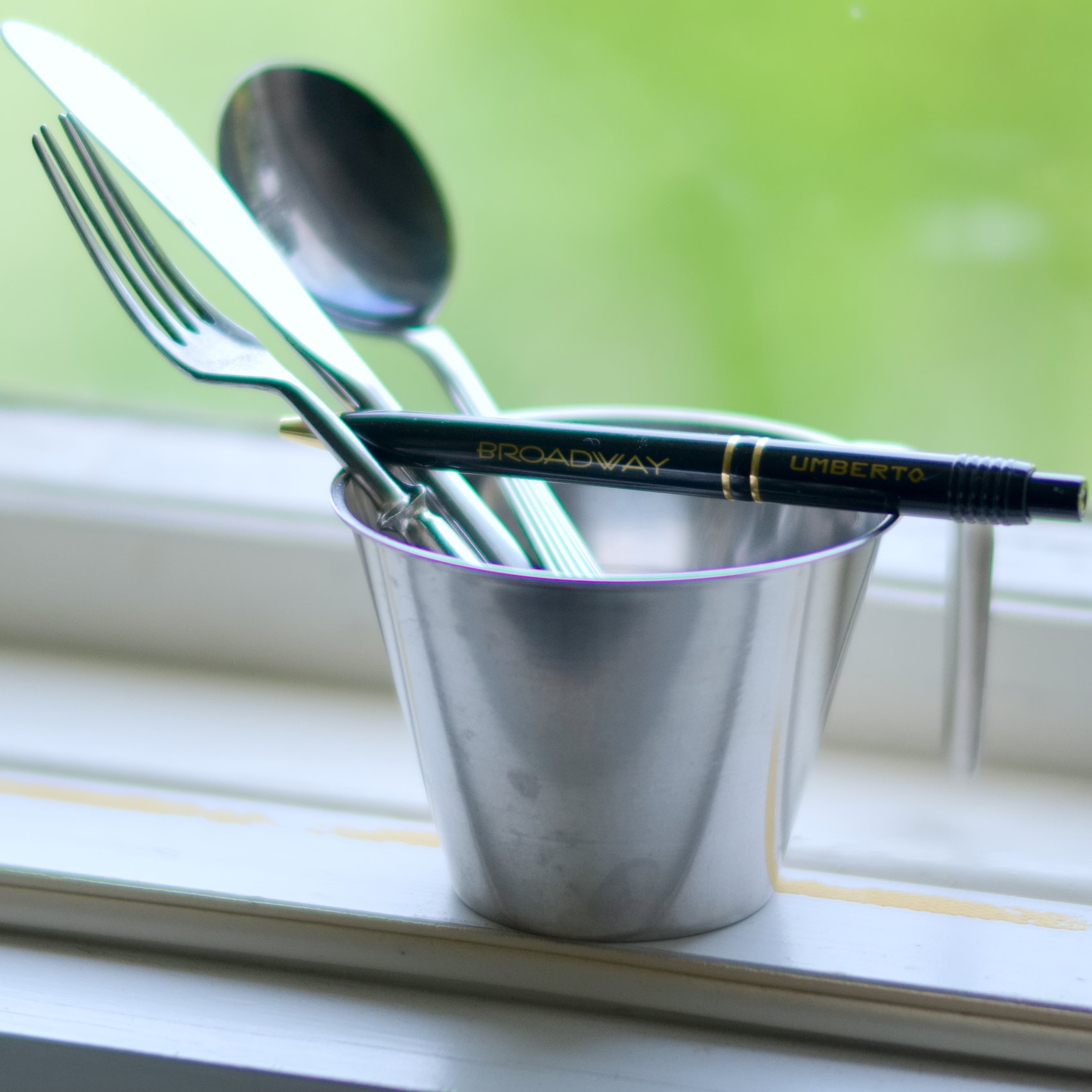
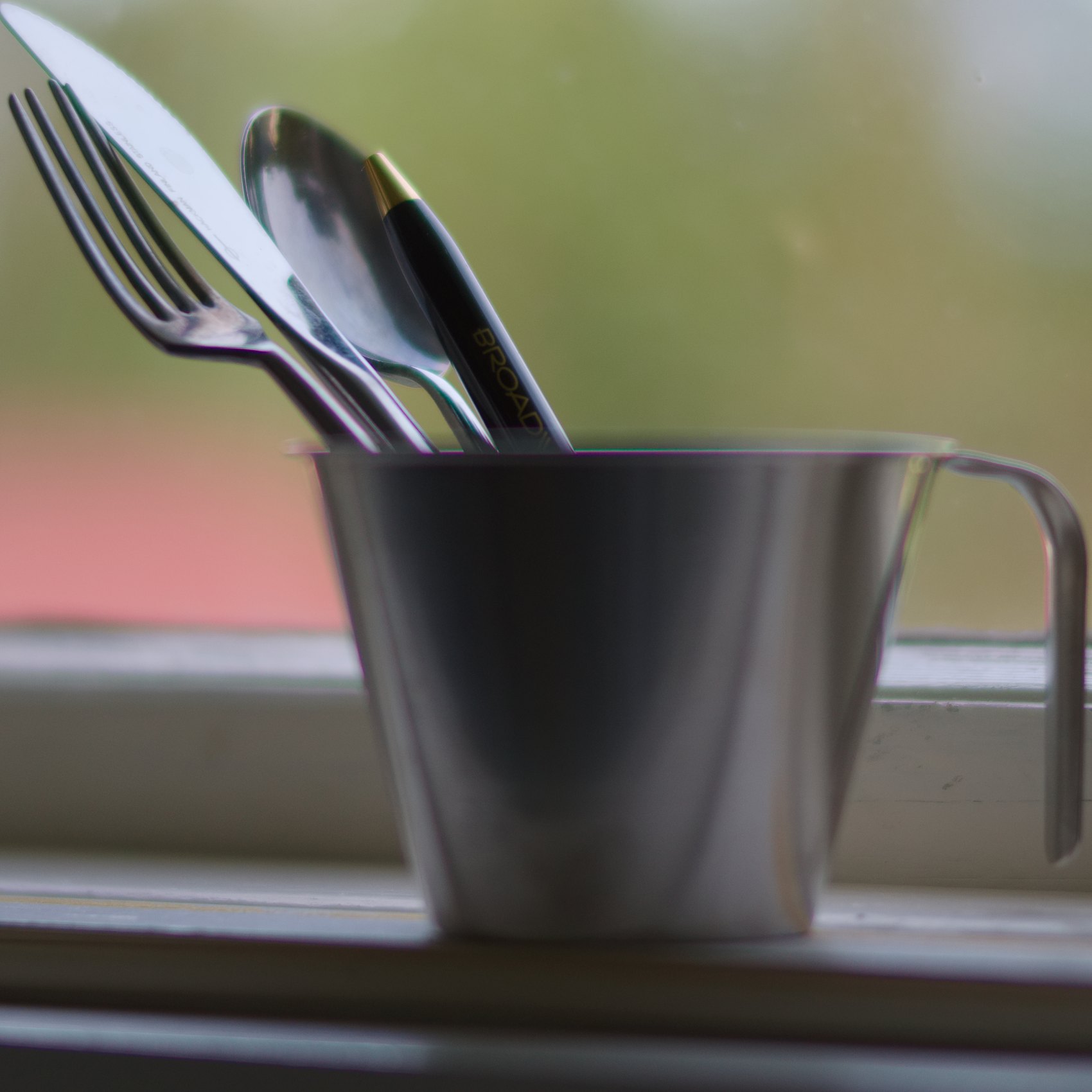
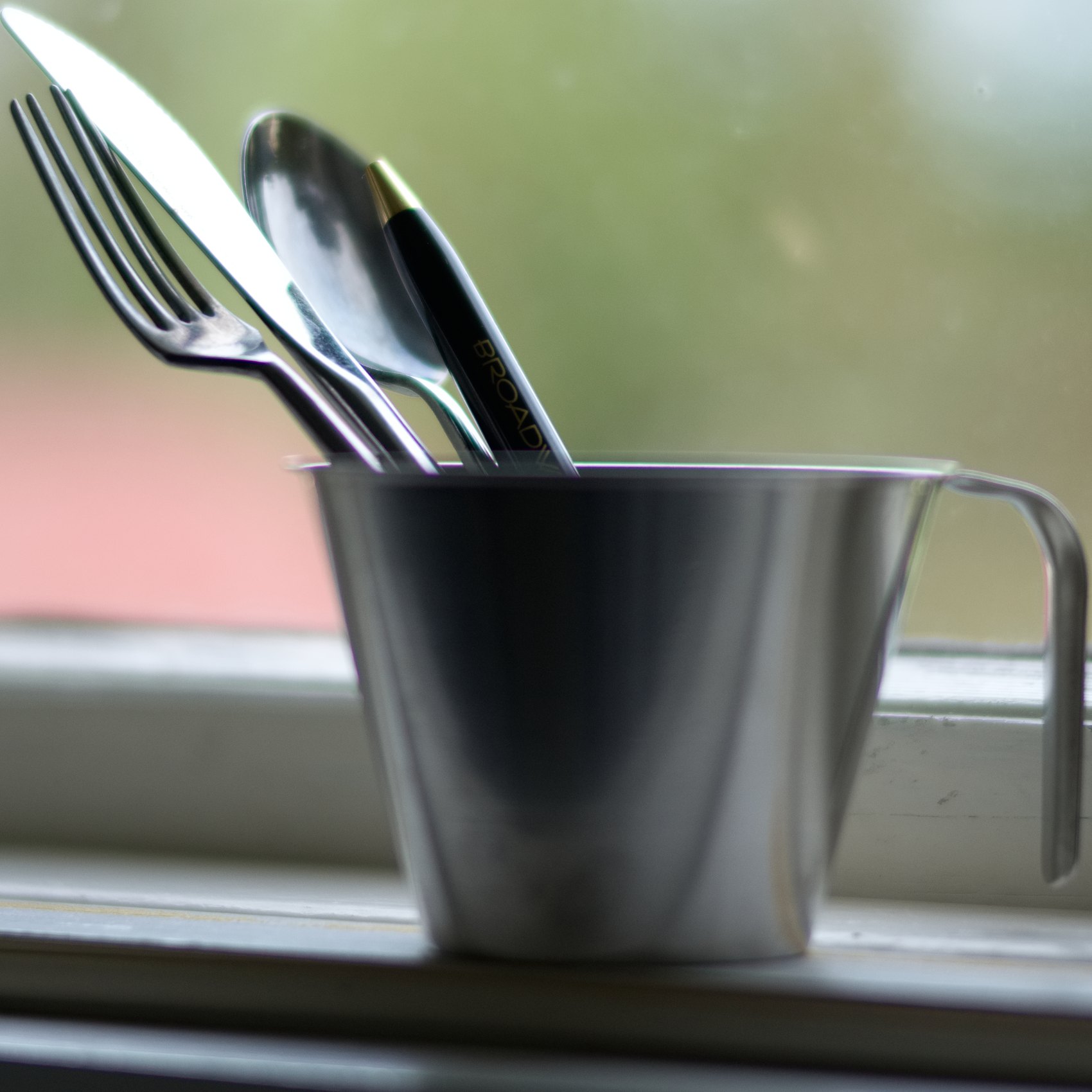
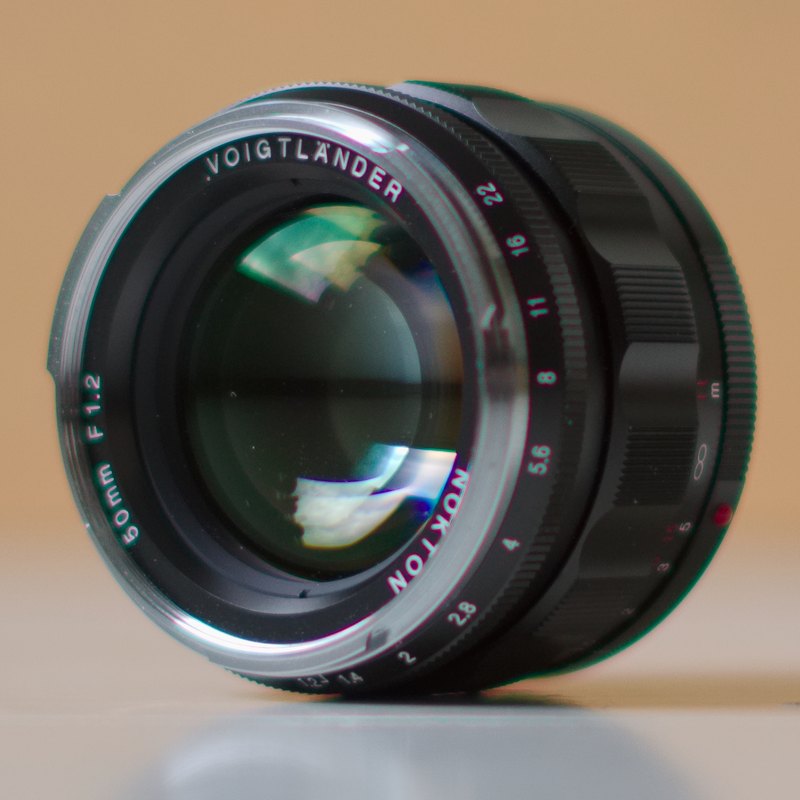
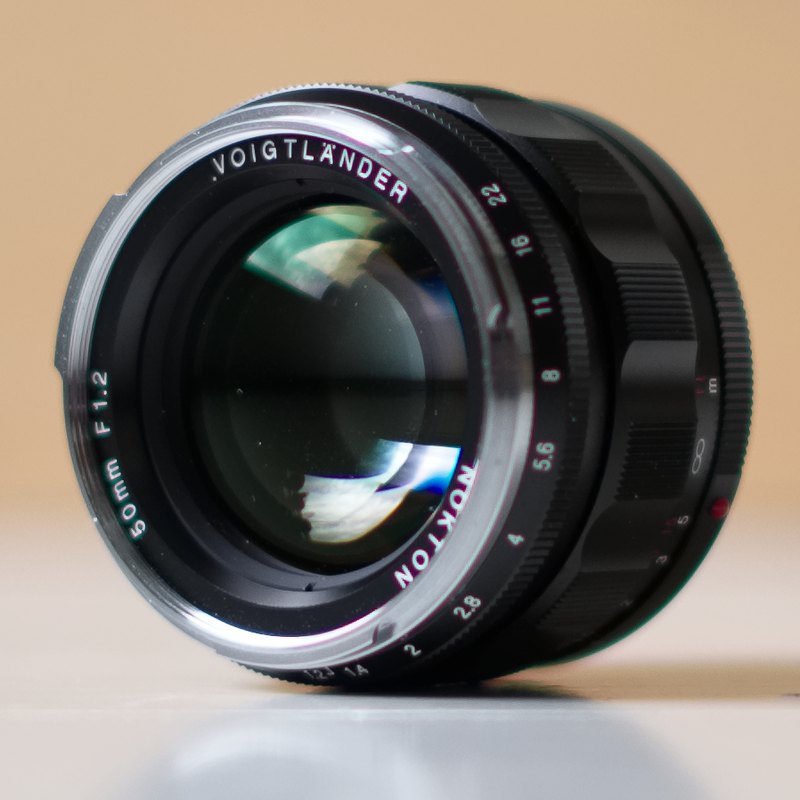
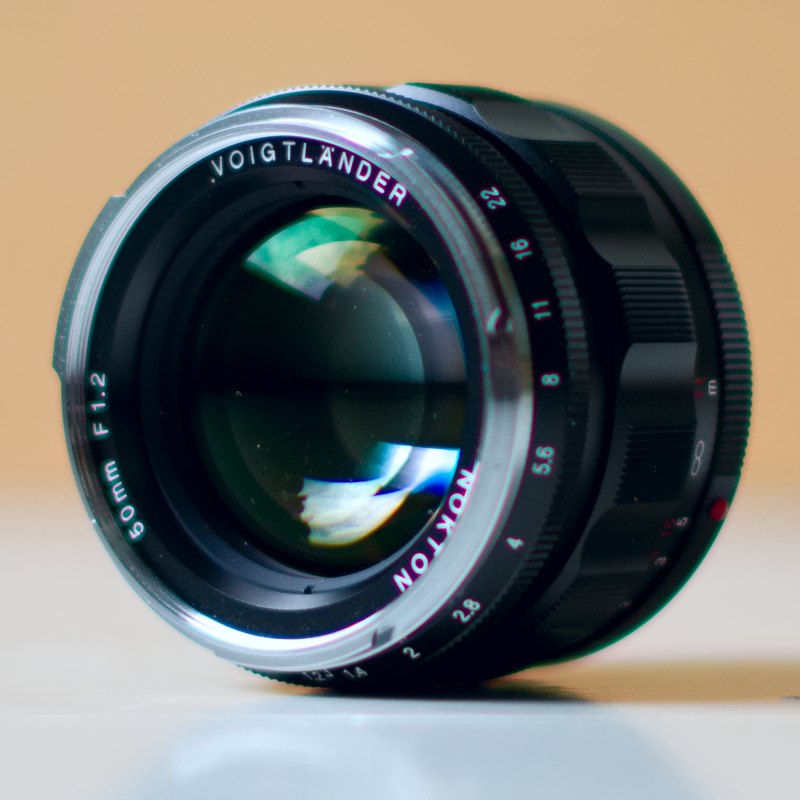
It's quite surprising how differently this lens behaves on Leica M11 and Nikon Zf. It tends to have more chromatic aberrations, especially purple fringing on M11 when used roughly at f1.2 - f2.0 range while on Zf, there's none or just very very miniscule greenish and purple-blueish out-of-focus transition zones. But in most cases you really have to look for it.
I might do some side-by-side comparisons when I have more time. But this was an observation from the recent carry around shooting with Zf.
I'm still reasoning it must have something to do with the megapixel count. I might even have to do the comparison three-wise and add CFV100C to the equation (I have cold adapter for it too).
My experience is that the purple fringes appear behind the focal plane and the green fringes appear in front of it (or vice versa?). So you can use them as a focusing aid.
I'm curious to see your comparison. I wouldn't have guessed that these errors are sensor-dependent. I would have even less guessed that the lens would perform worse on the mount for which it's optimized than when adapted.
Sep 13, 2025 at 06:16 AM
Steve Spencer Offline • • • • • • • Upload & Sell: On
tommmi wrote:
It's quite surprising how differently this lens behaves on Leica M11 and Nikon Zf. It tends to have more chromatic aberrations, especially purple fringing on M11 when used roughly at f1.2 - f2.0 range while on Zf, there's none or just very very miniscule greenish and purple-blueish out-of-focus transition zones. But in most cases you really have to look for it.
I might do some side-by-side comparisons when I have more time. But this was an observation from the recent carry around shooting with Zf.
I'm still reasoning it must have something to do with the megapixel count. I might even have to do the comparison three-wise and add CFV100C to the equation (I have cold adapter for it too)....Show more →
Keep in mind that the lens will have different field curvature on the two cameras with more extreme field curvature on the Nikon camera. Since axial CA (the fringing you are discussing) is in front of and behind the focal plane when the focal plane moves with the more extreme field curvature on the Nikon I think we could expect the fringing to move. Said another way, I would expect the fringing to move where it appears, but I would expect it to go away on the Nikon camera. You certainly could find areas in the frame that had CA on Leica, but in which there was no CA on the Nikon.
tommmi wrote:
It's quite surprising how differently this lens behaves on Leica M11 and Nikon Zf. It tends to have more chromatic aberrations, especially purple fringing on M11 when used roughly at f1.2 - f2.0 range while on Zf, there's none or just very very miniscule greenish and purple-blueish out-of-focus transition zones. But in most cases you really have to look for it.
I might do some side-by-side comparisons when I have more time. But this was an observation from the recent carry around shooting with Zf.
I'm still reasoning it must have something to do with the megapixel count. I might even have to do the comparison three-wise and add CFV100C to the equation (I have cold adapter for it too)....Show more →
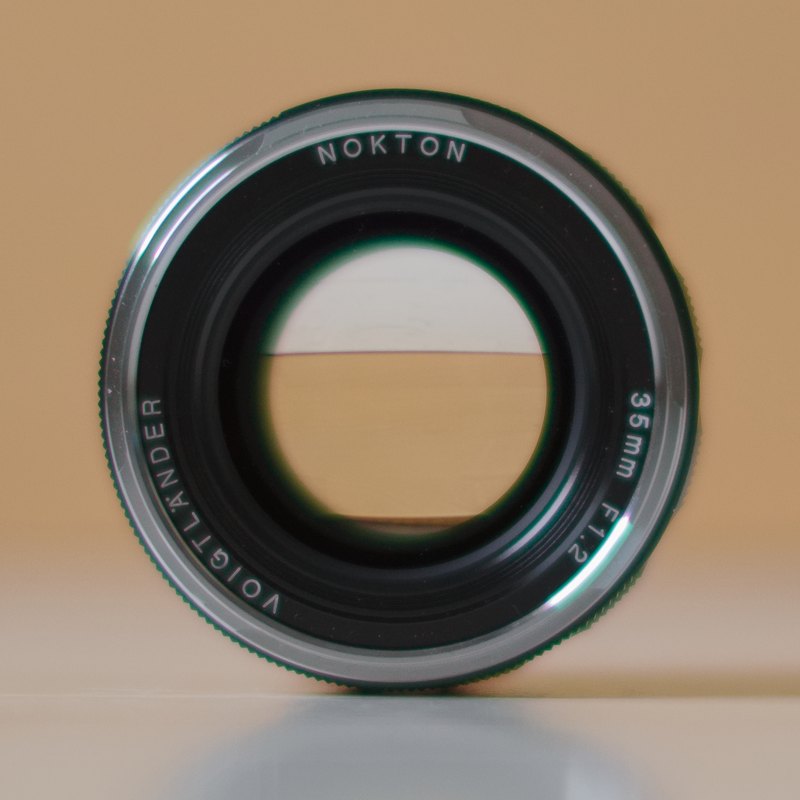
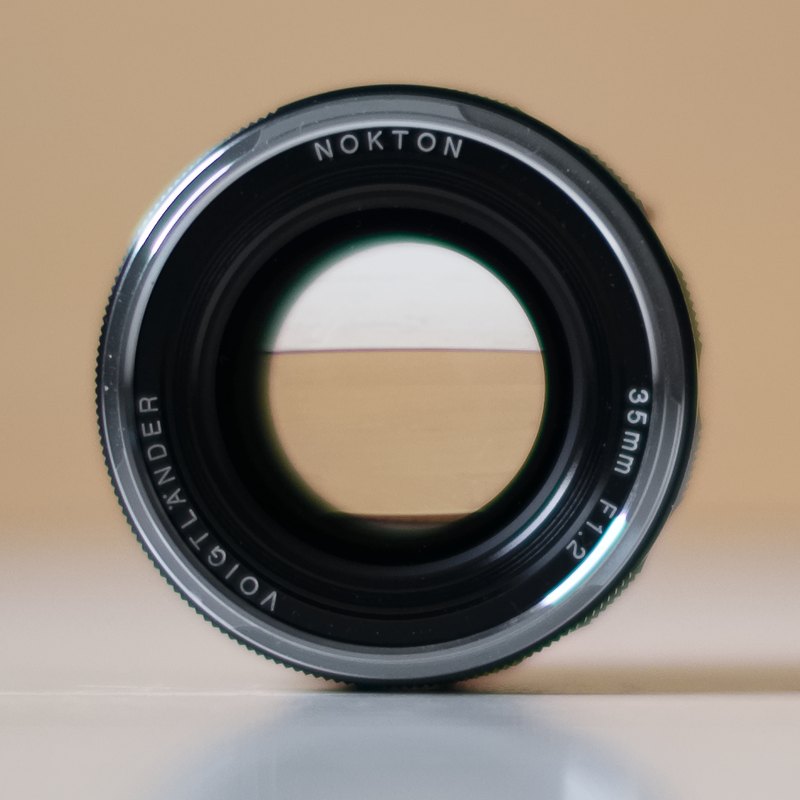
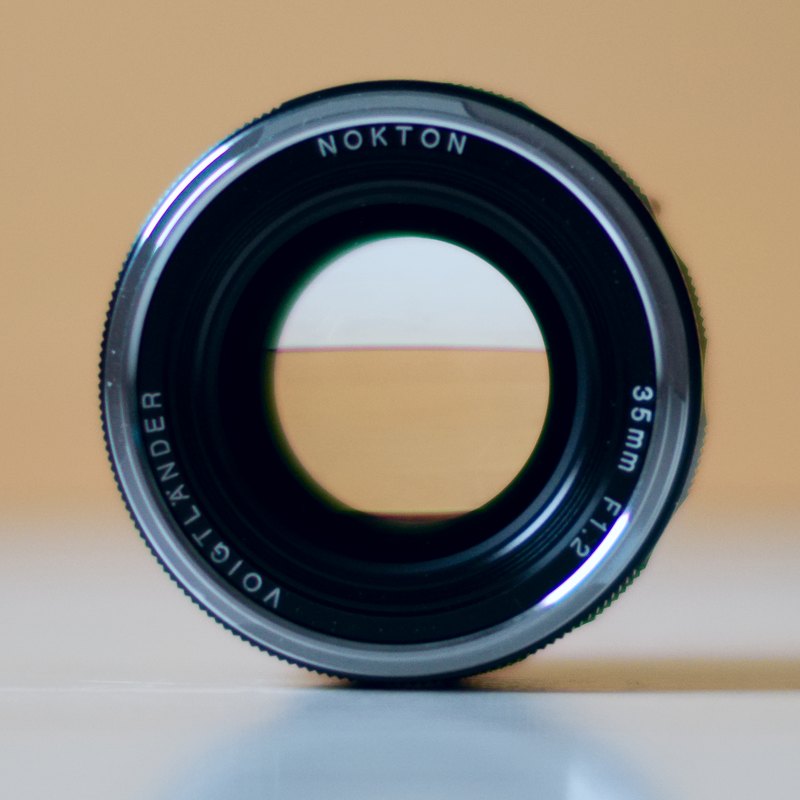
All of these are taken with identical settings in-camera. The lens was wide open at f1.2. Handheld shots. Subject in the center of frame, approximately at 80cm. 100% crops below.
M11 - Z f - CFV 100C
Test set #1 :
1/500, ISO200, Auto-WB, manually focused using live view on each camera to word 'NOKTON'
I might slightly miss-focused on M11. You can see more pronounced green halo here.
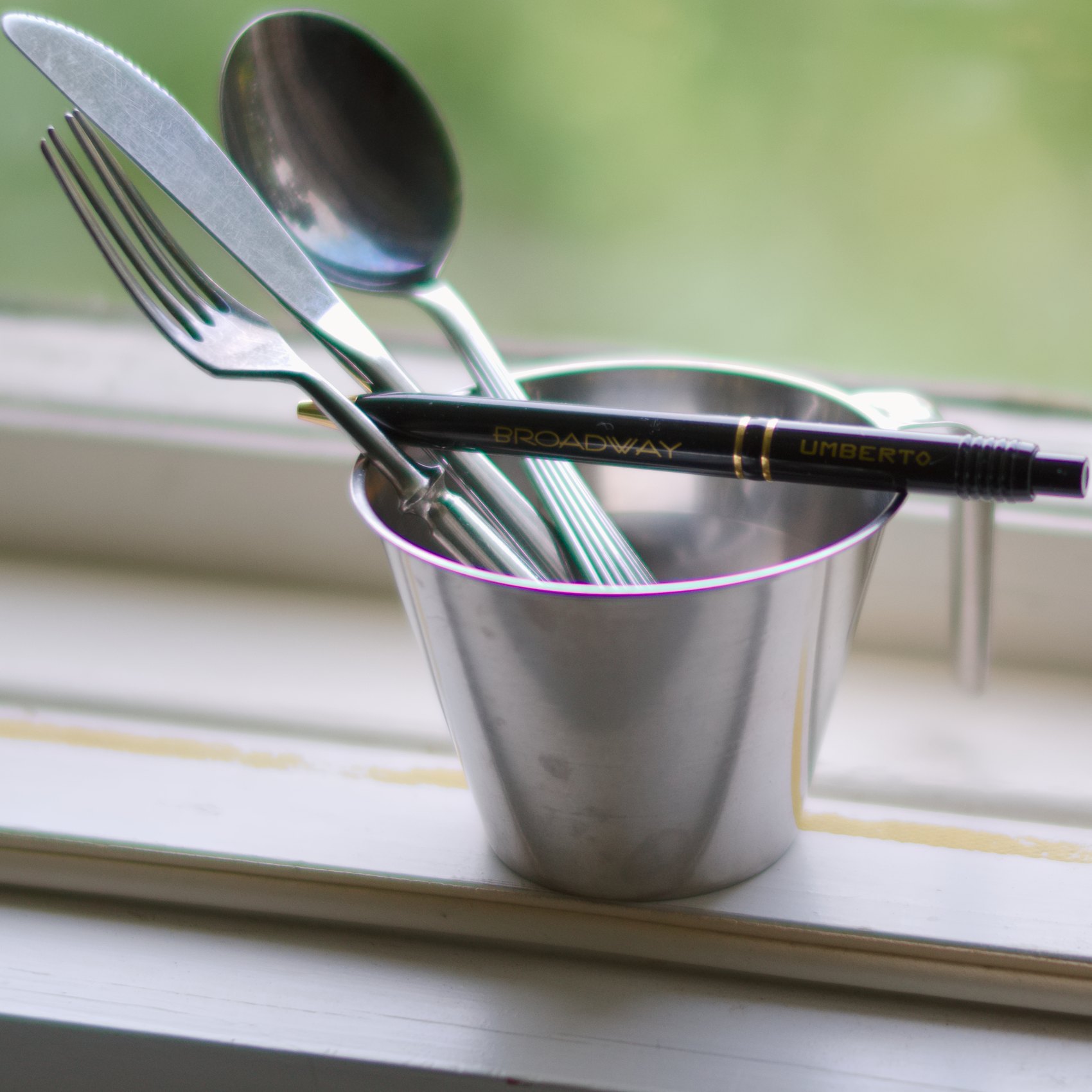
Test set #2 :
1/1000, ISO200, Auto-WB, manually focused using live view on each camera to letter 'D' in 'BROADWAY'
Chromatic aberrations are there in all pictures, but it has more bleeding on M11. Hasselblad instead has very 'sharp' purple lining. The greens on Z f are more soft.
Test set #3 :
1/2000, ISO200, Auto-WB, manually focused using live view on each camera to letter 'B' in 'BROADWAY'
Hasselblad rules here but they all show some CA. I think Z f actually has the most unpleasing look, but it might be due its more contrasty profile.
In comparison, this is with Voigtländer 35mm f1.2 Nokton III-version:
1/500, ISO200, Auto-WB, manually focused using live view on each camera to letter 'Ä'
Similar result can be seen on 35mm Voigtländer too.
I have seen similar with Z7II and Z8, I like the VM 50 1.2 on my Leica M11P and use it often, but it is just too off for me with the Nikons. I have other options for Nikon like the 50 1.0 native Z so I stopped using the 1.2 on my Nikons. I tried 3 brands of adapters, none improved the situation.
quote]tommmi wrote:
All of these are taken with identical settings in-camera. The lens was wide open at f1.2. Handheld shots. Subject in the center of frame, approximately at 80cm. 100% crops below.
M11 - Z f - CFV 100C
Test set #1 :
1/500, ISO200, Auto-WB, manually focused using live view on each camera to word 'NOKTON'
I might slightly miss-focused on M11. You can see more pronounced green halo here.
Test set #2 :
1/1000, ISO200, Auto-WB, manually focused using live view on each camera to letter 'D' in 'BROADWAY'
Chromatic aberrations are there in all pictures, but it has more bleeding on M11. Hasselblad instead has very 'sharp' purple lining. The greens on Z f are more soft.
Test set #3 :
1/2000, ISO200, Auto-WB, manually focused using live view on each camera to letter 'B' in 'BROADWAY'
Hasselblad rules here but they all show some CA. I think Z f actually has the most unpleasing look, but it might be due its more contrasty profile.
In comparison, this is with Voigtländer 35mm f1.2 Nokton III-version:
1/500, ISO200, Auto-WB, manually focused using live view on each camera to letter 'Ä'
Similar result can be seen on 35mm Voigtländer too.
You can see in the shots that Nikon does image corrections even when using a manual lens with no electronic contacts. The photos come out the sharpest and with reduced aberration. Unfortunately, the end result is still worse than with the two competitors.
Really nice test.
Plzenaak wrote:
You can see in the shots that Nikon does image corrections even when using a manual lens with no electronic contacts. The photos come out the sharpest and with reduced aberration. Unfortunately, the end result is still worse than with the two competitors.
Really nice test.
Something is going on with the Nikon images. I agree about that.
Unfortunately the light varies between the shots and the test doesn't allow for a firm final thought. Also, the images are crops from the center only and don't tell us anything about rendering closer to the borders. It would have been fun having a Sony camera there with the E-mount version of the lens.
Thank you for the images!
grahamgibson wrote:
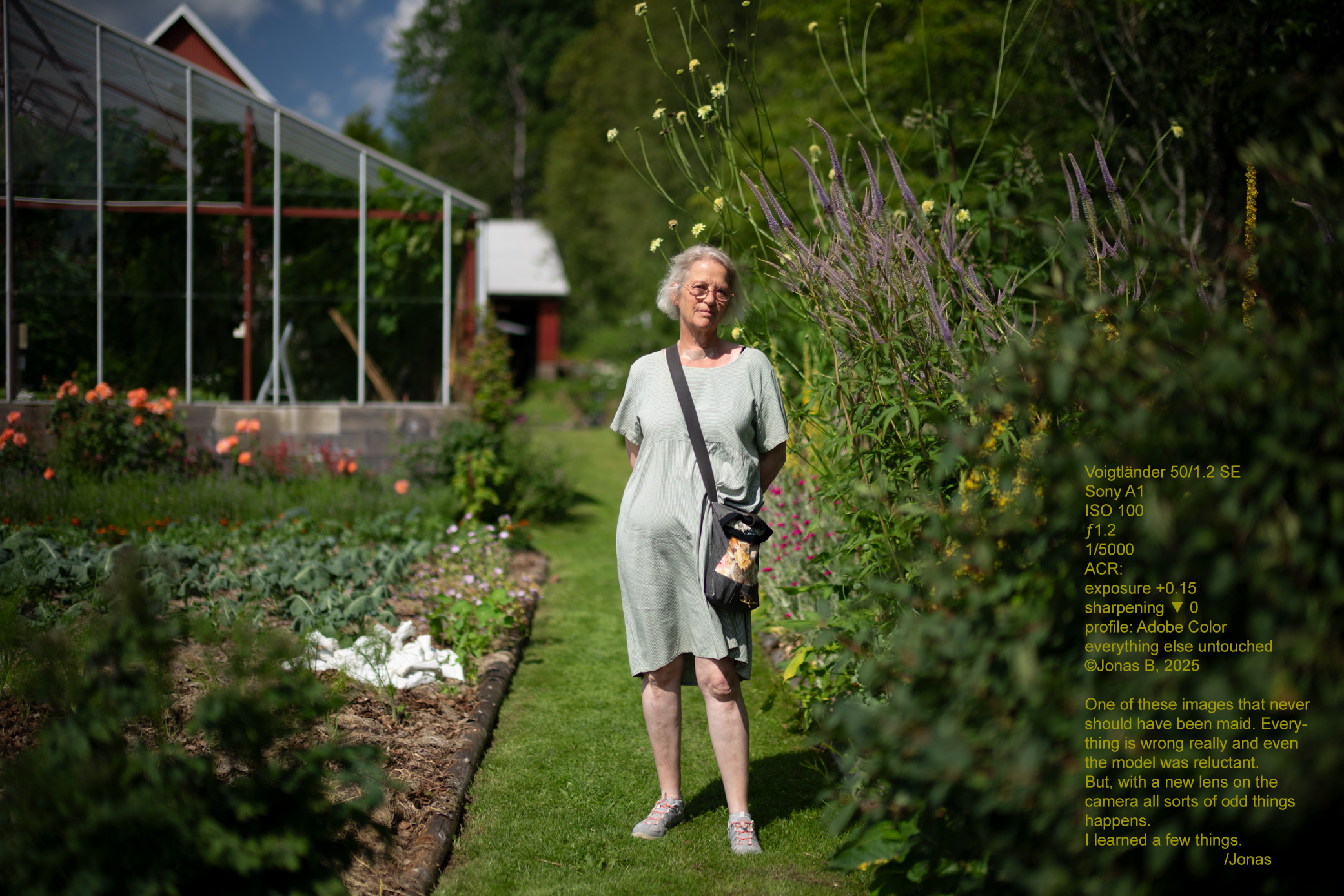
I bought this lens about 6 months ago, after enjoying the CV 40/1.2 so much. This one of course is just as wonderful, maybe even better in some ways. My heart still belongs to the 40, but for now I'm enjoying the 50. In use, the two aren't that far off. I'm using the M mount version with my Techart adapter, and while the AF isn't great off-center, it makes it a lot easier to nail focus with people/kids in situations like this:
Thanks for the CA demos! ARRI have given the entire CA issue a huge amount of attention. It's acknowledged by all insiders that you cannot remove it entirely. ARRI's optical engineers changed the green/magenta (and other colors on occasion) fringing to 'warm and cool' fringing, in the little that remained after they were finished.
'The Signature Prime..has significantly less (CA), and when we see it, the colors are *warm and cool*. That’s because it is not yet possible to eliminate spherical aberration in a lens, and warm and cool are hues we see naturally all around us.
Cyan and magenta light only appears in artificial environments, and those hues draw a lot of attention in natural environments. On the rare occasion that chromatic aberration becomes slightly visible in a Signature lens, you will likely not notice it because the hues are natural.'
This is something I'd like to see adopted in stills lens design. One of the reasons they battle so hard with CA is HDR and ever-improving screens in the future, both will make it more visible. And see this, as another key reason for all the APD/ED glass:
'Leaded glass solves a lot of chromatic aberration issues while remaining neutral in color. It is a key glass component in vintage lenses..' Producers should be free to include lead in their lenses. Some already do so via exemptions. It's more pressing in stills, where people look harder at non-moving images, as seen above.
philip_pj wrote:
Thanks for the CA demos! ARRI have given the entire CA issue a huge amount of attention. It's acknowledged by all insiders that you cannot remove it entirely. ARRI's optical engineers changed the green/magenta (and other colors on occasion) fringing to 'warm and cool' fringing, in the little that remained after they were finished.
'The Signature Prime..has significantly less (CA), and when we see it, the colors are *warm and cool*. That’s because it is not yet possible to eliminate spherical aberration in a lens, and warm and cool are hues we see naturally all around us.
Cyan and magenta light only appears in artificial environments, and those hues draw a lot of attention in natural environments. On the rare occasion that chromatic aberration becomes slightly visible in a Signature lens, you will likely not notice it because the hues are natural.'
This is something I'd like to see adopted in stills lens design. One of the reasons they battle so hard with CA is HDR and ever-improving screens in the future, both will make it more visible. And see this, as another key reason for all the APD/ED glass:
'Leaded glass solves a lot of chromatic aberration issues while remaining neutral in color. It is a key glass component in vintage lenses..' Producers should be free to include lead in their lenses. Some already do so via exemptions. It's more pressing in stills, where people look harder at non-moving images, as seen above.