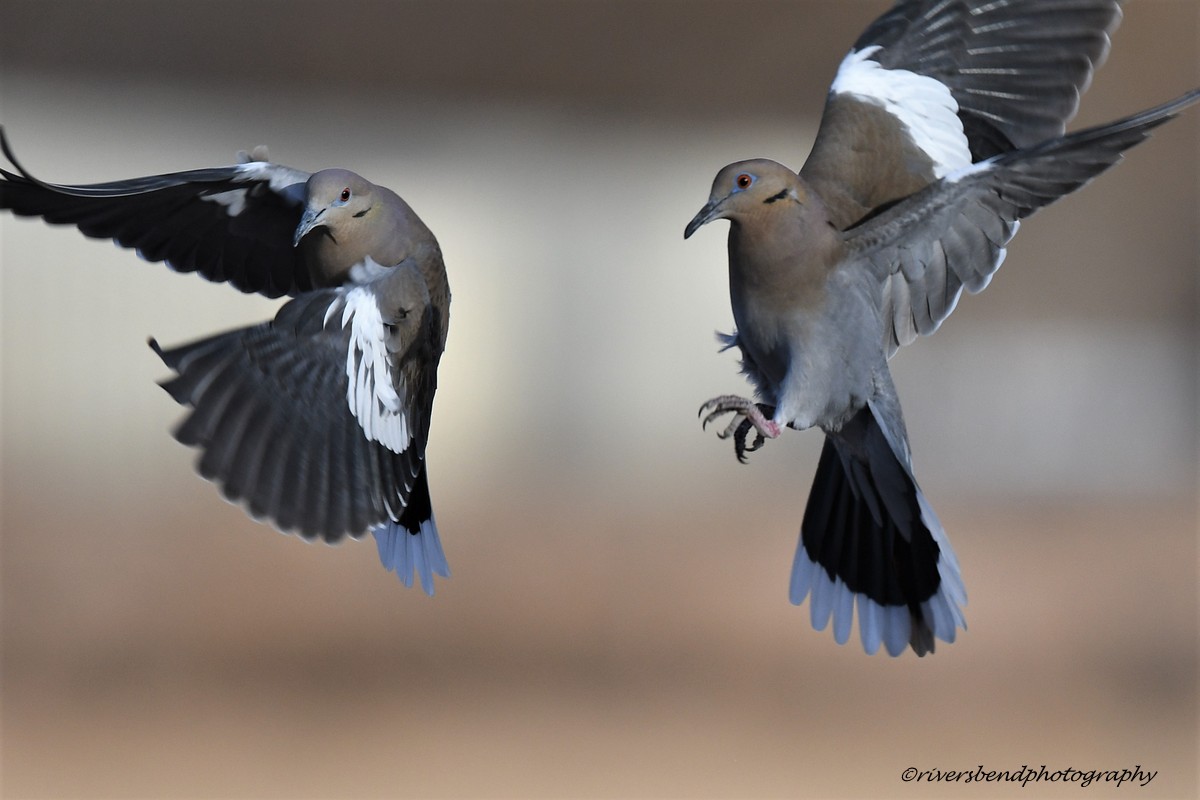
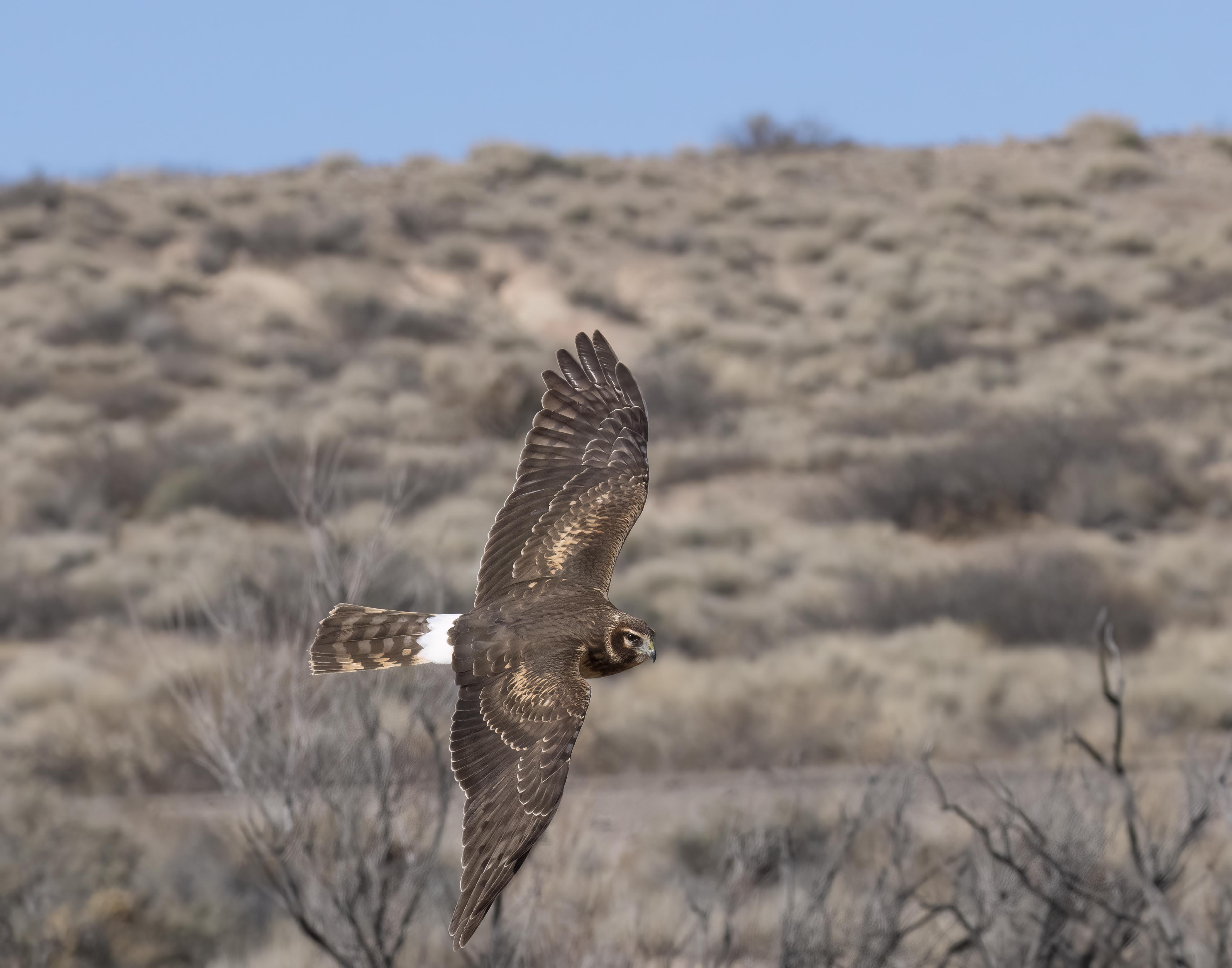
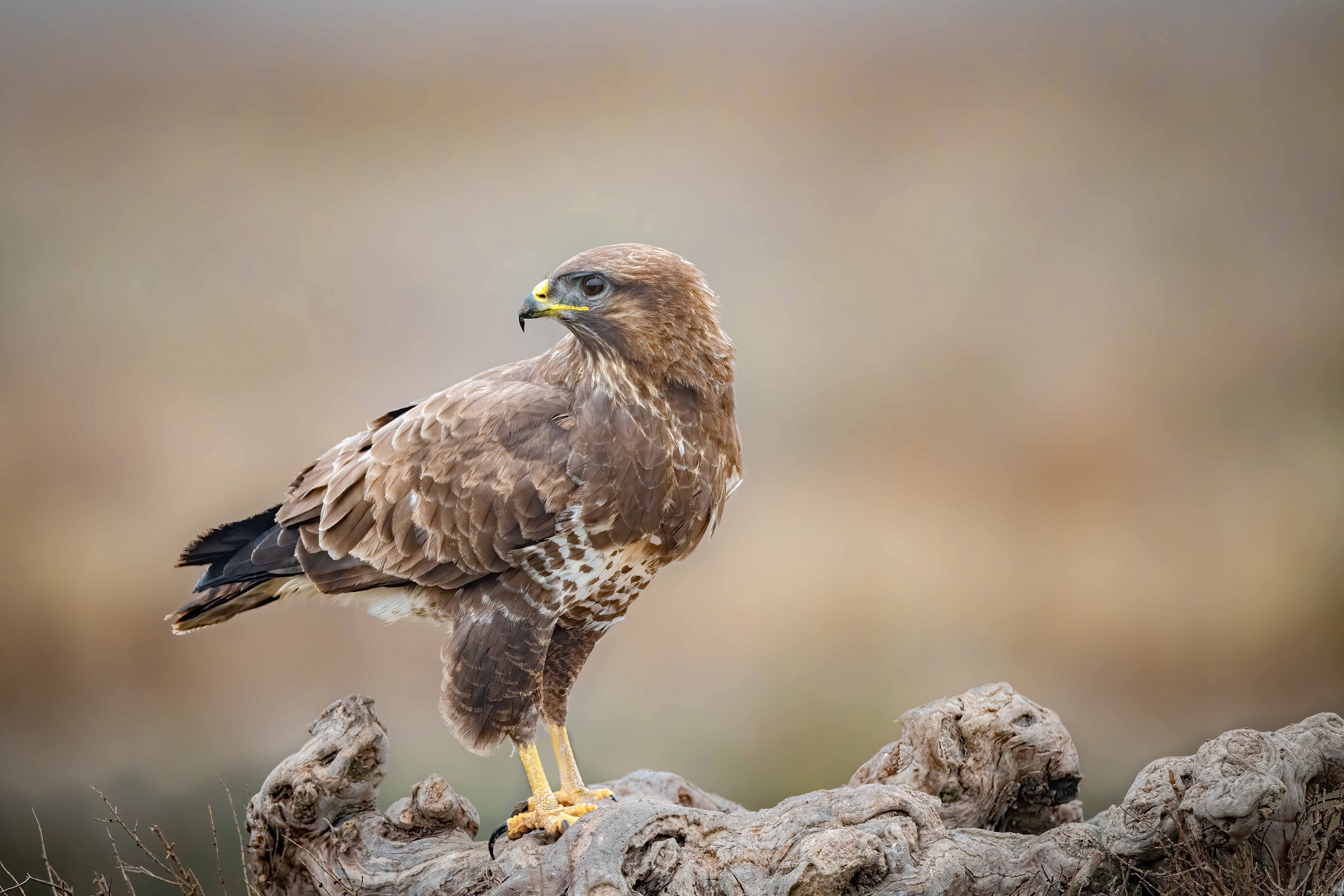
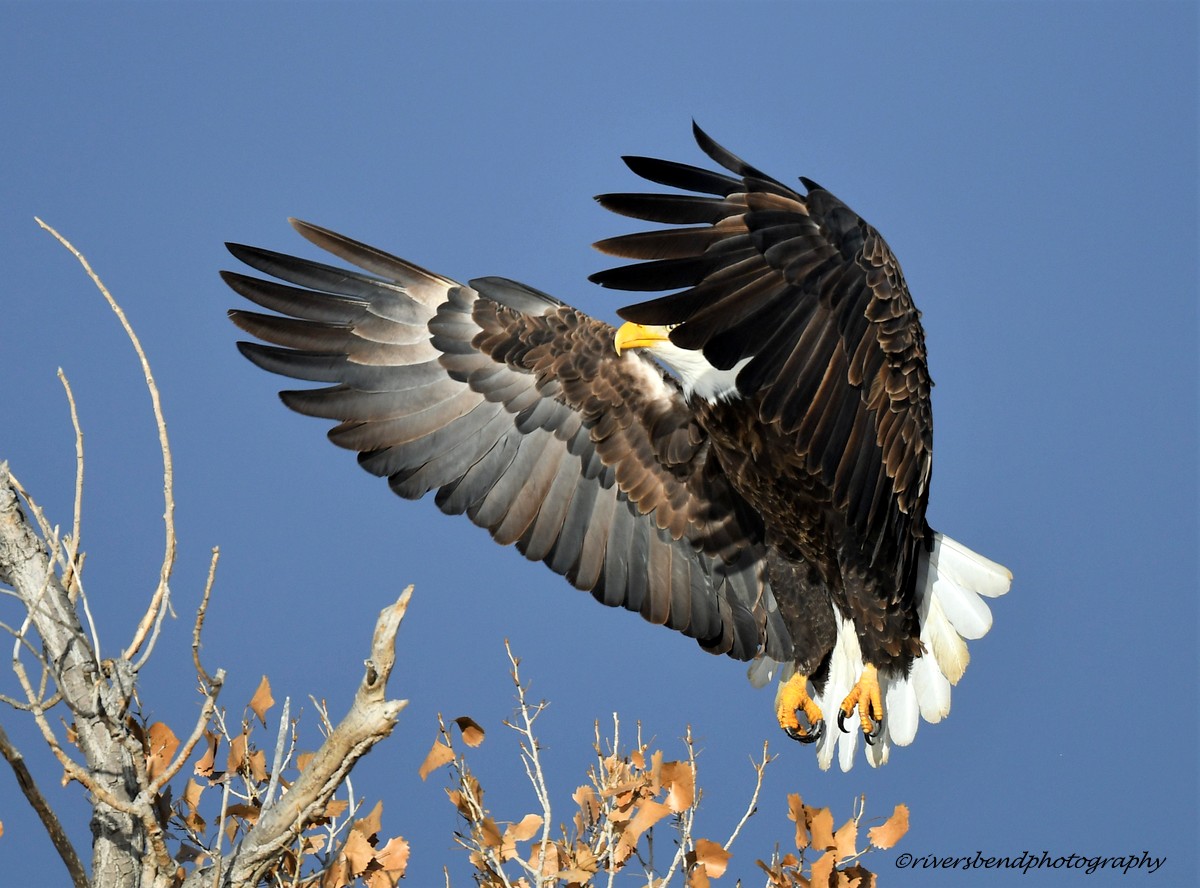
I loved my D-500/500pf and it took some great pictures AND Nikon didn't and STILL DOESN'T have what I wanted. So, the question was wait and hope just like I did when my D-300 needed upgrading, or switch and if so, to what?
One huge problem is that Steve Perry publishes multiple e-books on Nikon and I understood the D-500 in depth through his e-books. If I switched to another brand I would be starting over.
I switched and, as expected, the learning curve is huge. What did I get?
IQ? Nope! If I can get the AF where I wanted the D-500/500pf images are as good as it gets.
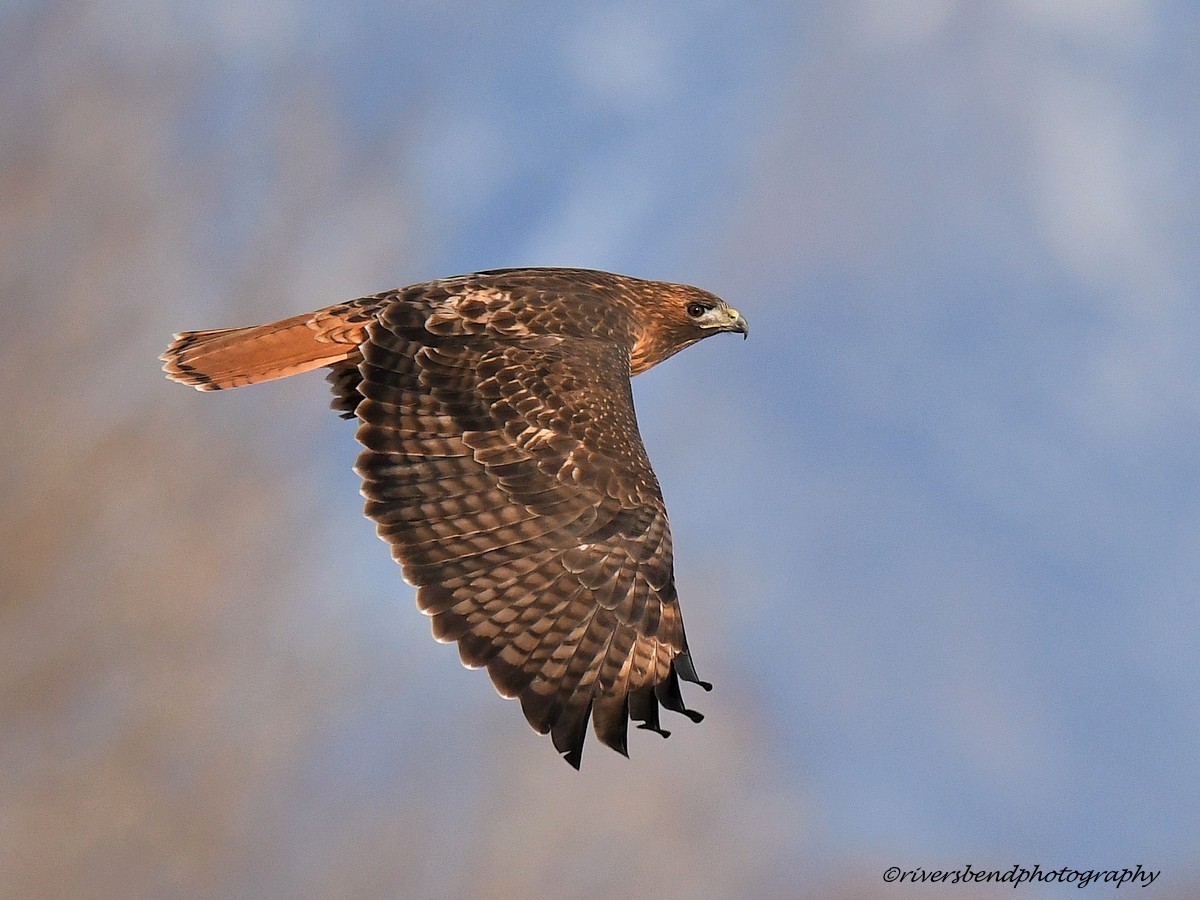
Faster AF? Yes! I can acquire the flying bird faster but that's because the entire camera/lens combo is smaller and lighter, and I can find the bird in the frame faster. There is a big advantage having AF points covering the image like the D-500 and my new rig does. Most don't.
Simpler? Definitely not. Subject Identification requires proper exposure. I actually have a button programmed for "white bird" and another for "black bird", adding +1.3 or -1.3 exposure compensation. Having the camera find the bird's eye is way cool but definitely not simpler.
OM-1OLYMPUS M.100-400mm F5.0-6.3 lens169mmf/8.01/3200s1000 ISO0.0 EV
trenchmonkey wrote:
Still stickin' with my story...D500/500 f5.6 PF > the best BIF combo for the money.
Hi
I had a look at your website.
The "Bosque Guide in action" was of particular interest to me.
Is that opening image of a Black Vulture and Osprey in a tussle? I have never seen that.
What struck me as outstanding are the 3 or 4 Sandhills flying in a background of fresh snow.
You Son-of-a-Gun. You live there and so you get to see it all.
The other image that I am envious of is the two Sandhills fighting.
I have a request to you. Here in Maine I would love to shoot free-running horses. I want it so much that I put in Craig's List. But no contacts so far. It is just a matter of time though
You must know people who let their horses run free. No? I would love to see the results of your shoots with free-running horses.
The "Bosque Guide in action" was of particular interest to me.
Is that opening image of a Black Vulture and Osprey in a tussle? I have never seen that.
What struck me as outstanding are the 3 or 4 Sandhills flying in a background of fresh snow.
You Son-of-a-Gun. You live there and so you get to see it all.
The other image that I am envious of is the two Sandhills fighting.
I have a request to you. Here in Maine I would love to shoot free-running horses. I want it so much that I put in Craig's List. But no contacts so far. It is just a matter of time though
You must know people who let their horses run free. No? I would love to see the results of your shoots with free-running horses.
Thanks a lot, Robert! We have a couple of HMA's here in NM (Herd Management Areas) but most of my exposure
to horses has been either rodeo or small ranch stock opportunities i.e. neighbor's horses released to snowy pastures,
that sort of thing. Will look thru my incredibly unorganized website for some samples...
Friendly observation/advice (for everyone), caring about the birds,,,,
I believe the second from top bird (American Goldfinch) has finch conjunctivitis. My finches get it here too, but rarely now, because I have *finally* become a stickler on cleaning my feeder (frequently and quickly)
a reference to get started on understanding the disease:
I pull my feeder about once every 10 days or so. I simply use a picked/pointed tool to remove all sticky seed clumps near feeding ports and squirt Dawn in all areas, rinse thoroughly, use hair dryer to dry remaining water droplets, reassemble and refill. In no more than 5 minutes I have the feeder refilled and hanging outside again.
It took me months/years to learn what was happening. Now, it is no inconvenience because I've watched their fate. When a finch gets conjunctivitis it is probably a death sentence. The is because the tissue around the eye becomes increasingly scabbed and closes the eye off to light. The bird gradually loses eyesight and starves.
If an American Goldfinch is alone at the feeder, put binoculars on it and look at both eyes. It almost certainly has conjunctivitis. That is because AGF's are *very* gregarious. They do not do anything alone. A lone bird is alone only because it is unable to keep up with the clan. Sadly, it will fly from a branch just a few feet and be forced to return to the branch, because it cannot see anymore to fly.
The House Finch (species) is more susceptible to this terrible disease than the AGF
Thanks for understanding and caring about the birds
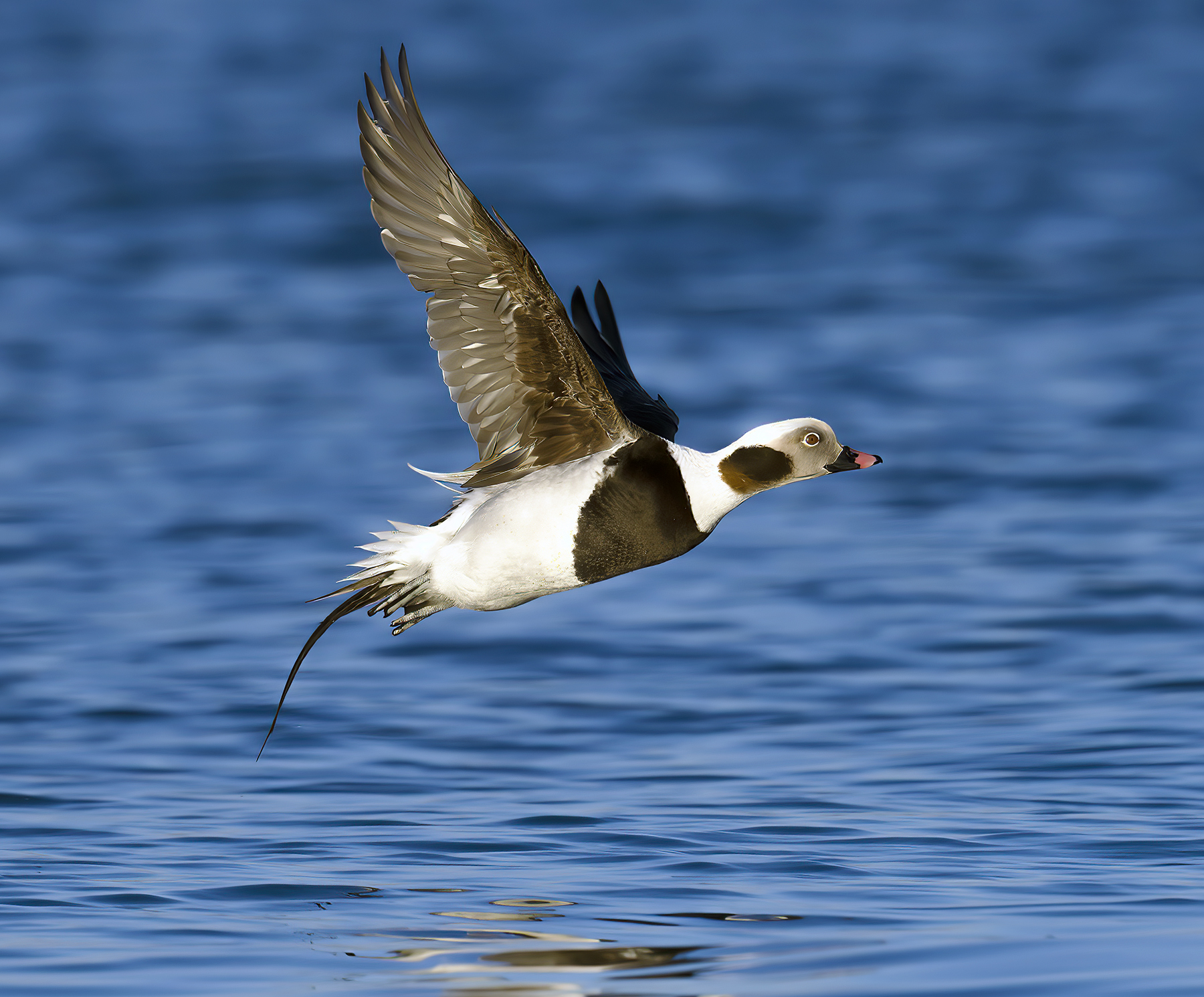
Went to one of the estuaries here yesterday. Throughout the winter, all these estuaries have waterbirds (that is, the birds that decide to stay for the winter). They can be seen, excepting in the very coldest conditions. I can only guess that on those days they move to tight coves, out of the wind.
This D850 is set on AF-Auto, rear button focus (AF-ON). In this situation it usually has trouble acquiring focus *quickly*, but it always acquires ..... after a second or two.
I've learned to tell when a loon is thinking about taking off. But not so with a Long-tailed duck. lol. I met a buddy here yesterday. He knows much more about birds than I do. We were standing together watching over the water and chatting. After this LTD went up I asked him if he knew it was about to take off. He did not.
NIKON D850500.0 mm f/5.6 lens500mmf/8.01/2500s400 ISO-1.3 EV
Sadly I have no control over anything regarding feeder placement since these are in a public park. I would think Central Park has people in it that take care of the feeders better, but this sounds like they're doing a subpar job of it (not surprising). Also sad this isn't a good sign since these birds are beautiful, I guess it's future hawk food. bs kite wrote:
Friendly observation/advice (for EVERYONE not just Marcus), caring about the birds,,,,
The second from top bird (American Goldfinch) has finch conjunctivitis. My finches get it here too, but rarely now, because I have *finally* become a stickler on cleaning my feeder (frequently and quickly)
a reference to get started on understanding the disease:
I pull my feeder about once every 10 days or so. I simply use a picked/pointed tool to remove all sticky seed clumps near feeding ports and squirt Dawn in all areas, rinse thoroughly, use hair dryer to dry remaining water droplets, reassemble and refill. In no more than 5 minutes I have the feeder refilled and hanging outside again.
It took me months/years to learn what was happening. Now, it is no inconvenience because I've watched their fate. When a finch gets conjunctivitis it is probably a death sentence. The is because the tissue around the eye becomes increasingly scabbed and closes the eye off to light. The bird gradually loses eyesight and starves.
If an American Goldfinch is alone at the feeder, put binoculars on it. It almost certainly has conjunctivitis. That is because AGF's are *very* gregarious. They do not do anything alone. A lone bird is alone only because it is unable to keep up with the clan.
The House Finch (species) is more susceptible to this terrible disease than the AGF
Thanks for understanding and caring about the birds