A quick question for people out there who have been to Iceland. I'd like to keep my gear as simple as possible but will take the holy Z trinity and my 20mm f1.8G. I'm heading there in late September and wondering if there's a need to haul around the 500pf for the puffins or other sites? If they're easy enough to get close to, I'll likely just take the 70-200 for landscapes and birds.
urbanwild wrote:
A quick question for people out there who have been to Iceland. I'd like to keep my gear as simple as possible but will take the holy Z trinity and my 20mm f1.8G. I'm heading there in late September and wondering if there's a need to haul around the 500pf for the puffins or other sites? If they're easy enough to get close to, I'll likely just take the 70-200 for landscapes and birds.
It all depends on where you go, and the type of images you want to make. If your goal includes serious bird photography, then every millimeter matters. I spent a few days photographing puffins, and while I made some photos in the 200-300mm range, my favorite images were in the 500mm (+) range. I brought both a 200-400VR and 200-500E with me... One was on a DX body the other was on an FX.
FYI... I had a lot of good opportunities to photograph puffins in June (my first trip) and very few opportunities in August (my 2nd trip). While Iceland has a large puffin population, once the chicks fledge, they become pelagic again.
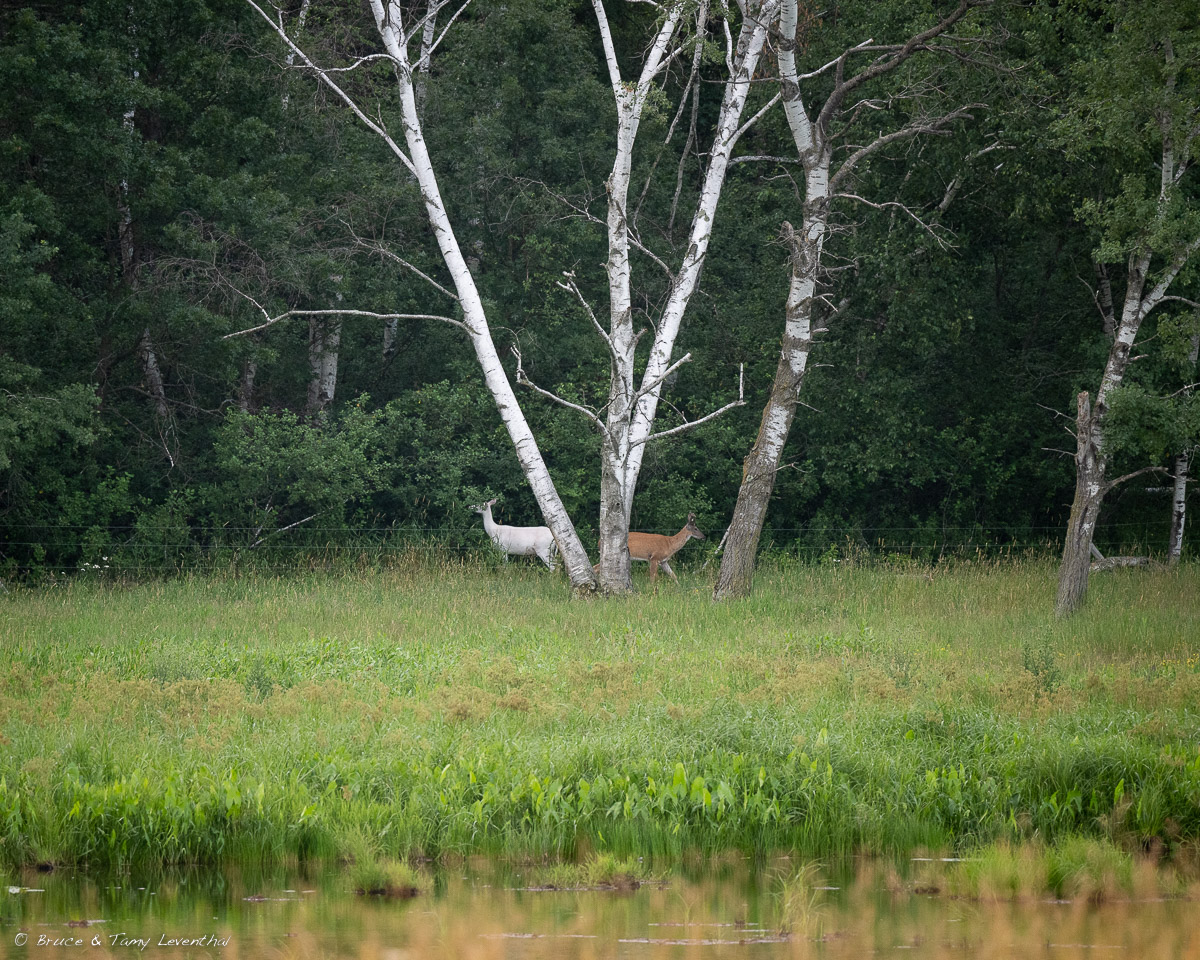
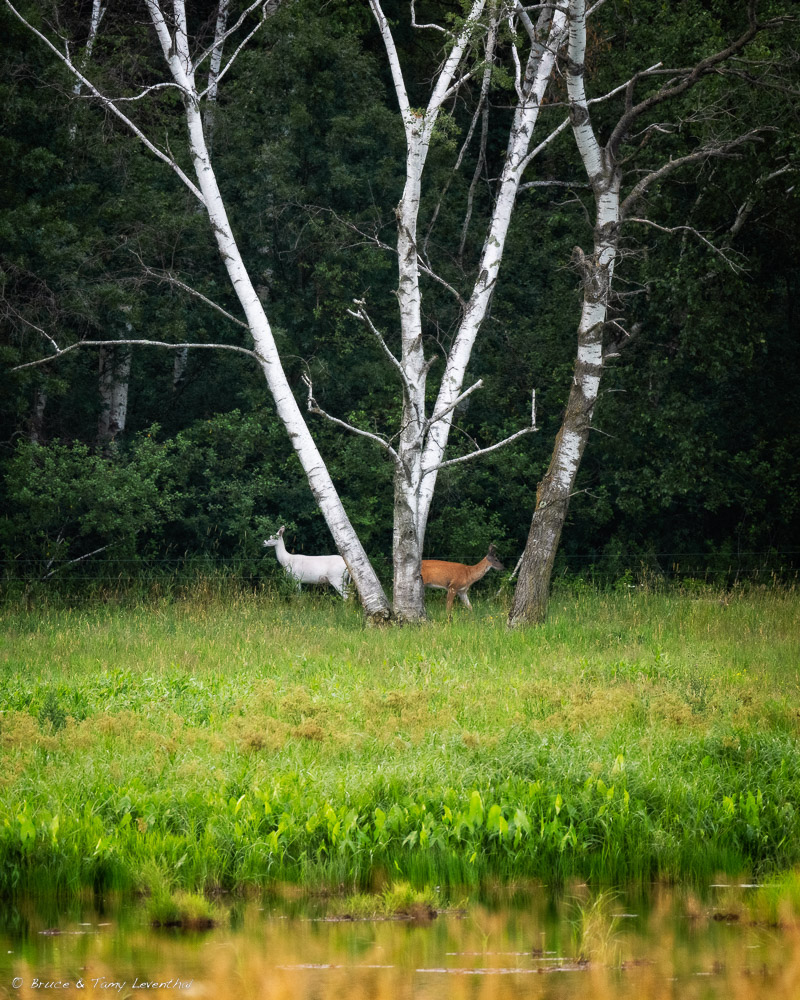
Two images from a sequence today... the processing is very different.
For those questioning optical acuity at a distance, these deer were more than 200 meters from me. The 500PF is sharp when shooting up close and from afar.
Yes I have been reading more and realized that I probably will not have a great chance to see them as I will be arriving in late Sept. I may travel late then and plan another trip for puffins on another day! If I get lucky, I will have the 70 to 200 and will have to use my feet! Thanks for your help!
OwlsEyes wrote:
It all depends on where you go, and the type of images you want to make. If your goal includes serious bird photography, then every millimeter matters. I spent a few days photographing puffins, and while I made some photos in the 200-300mm range, my favorite images were in the 500mm (+) range. I brought both a 200-400VR and 200-500E with me... One was on a DX body the other was on an FX.
FYI... I had a lot of good opportunities to photograph puffins in June (my first trip) and very few opportunities in August (my 2nd trip). While Iceland has a large puffin population, once the chicks fledge, they become pelagic again.
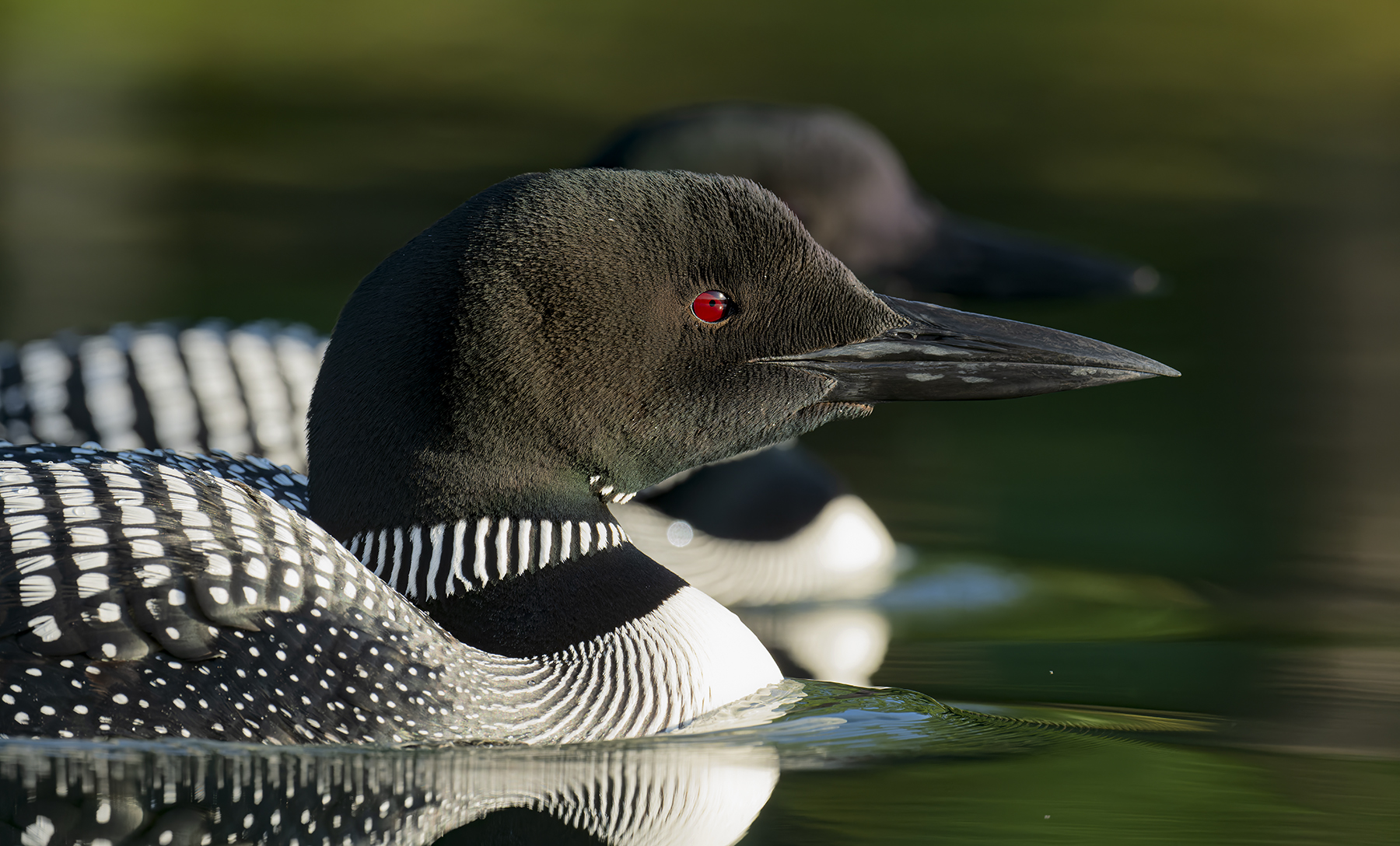
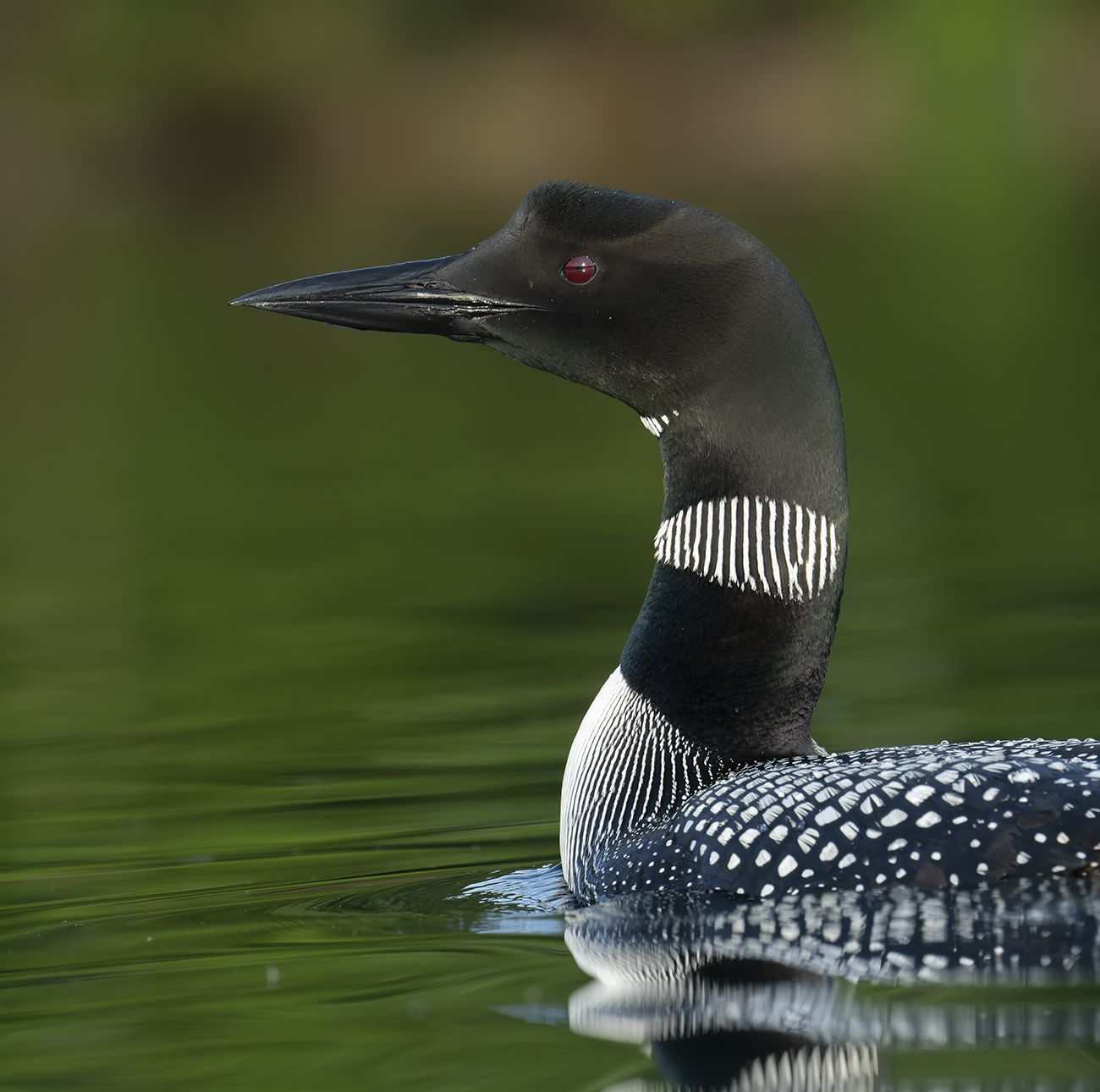
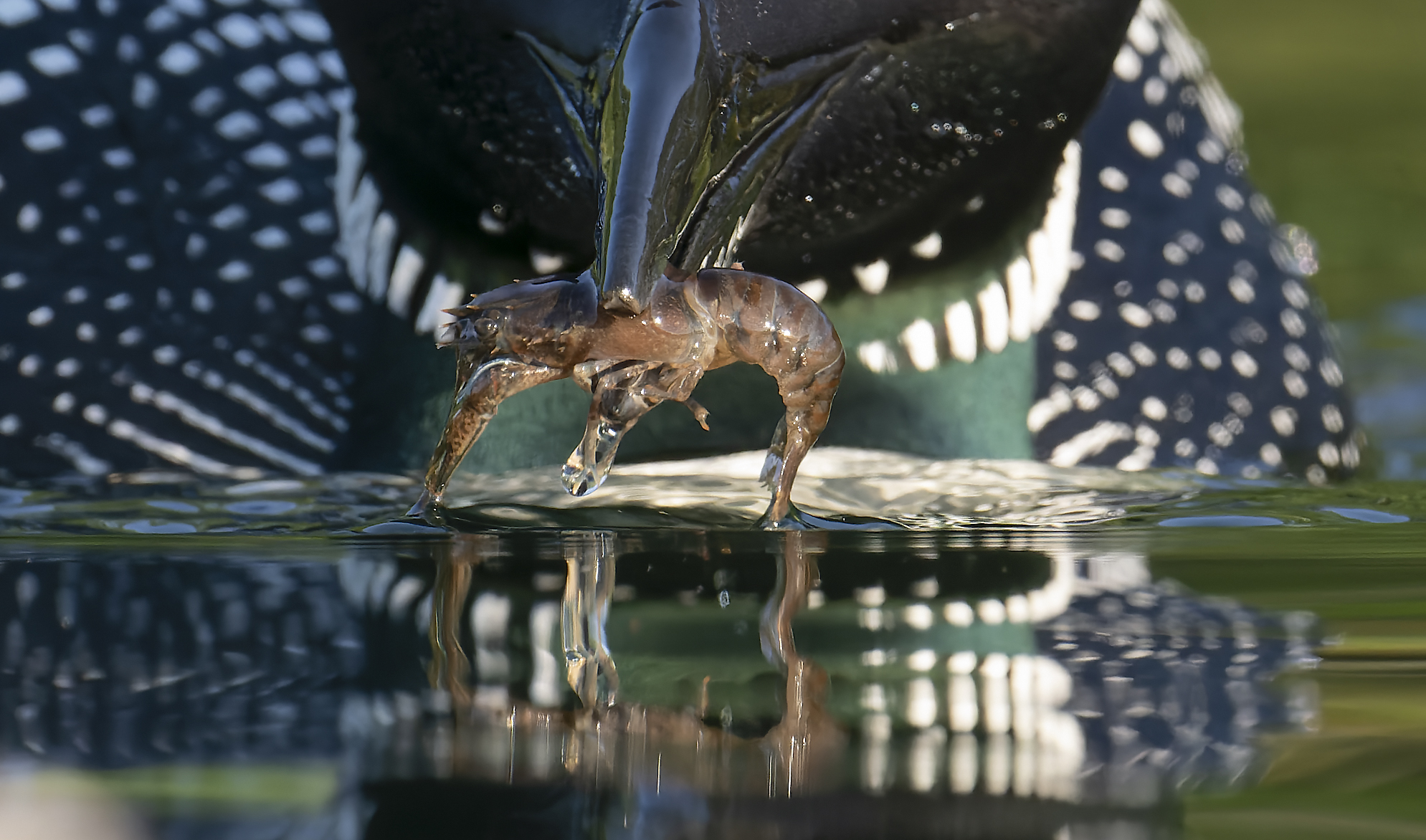
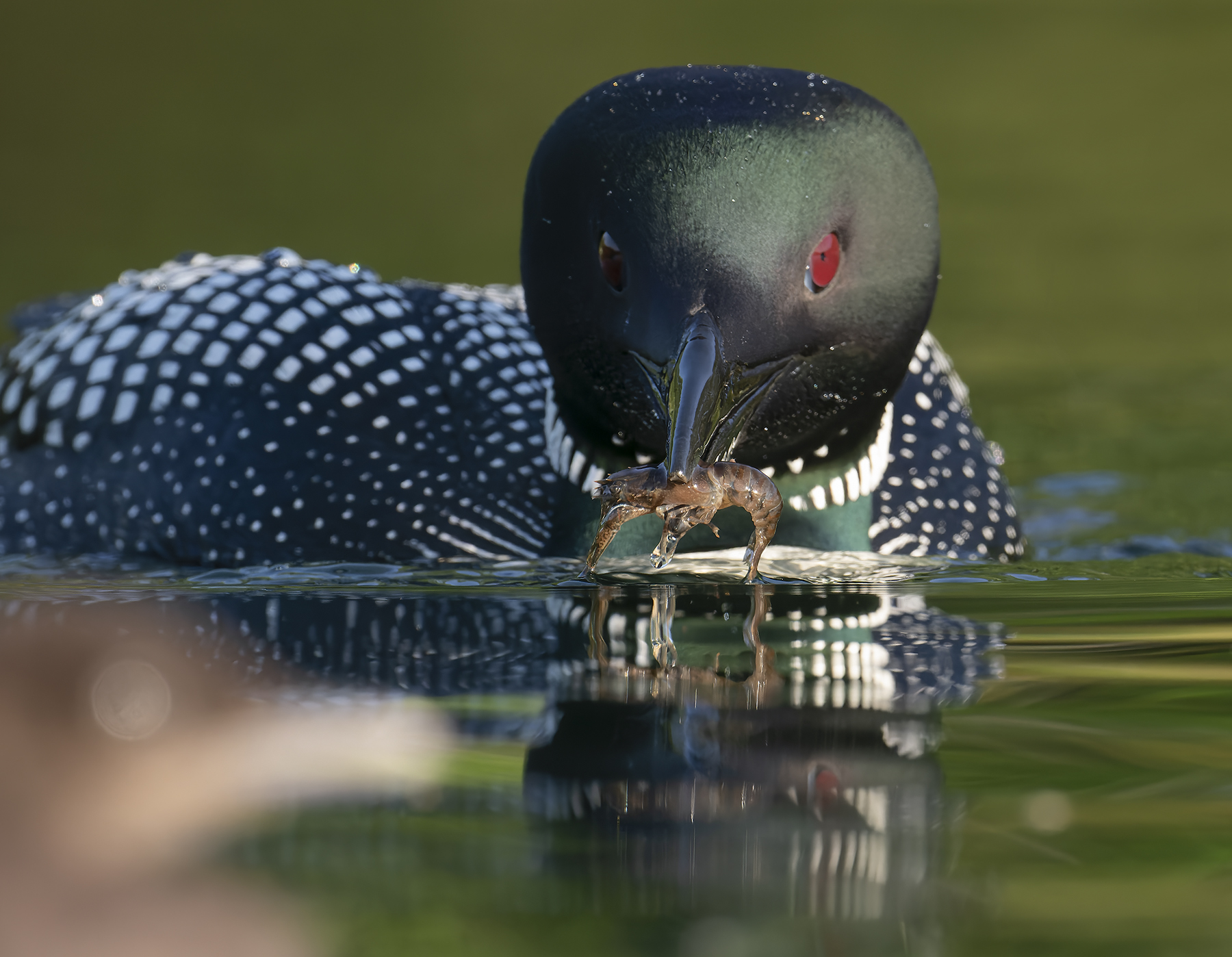
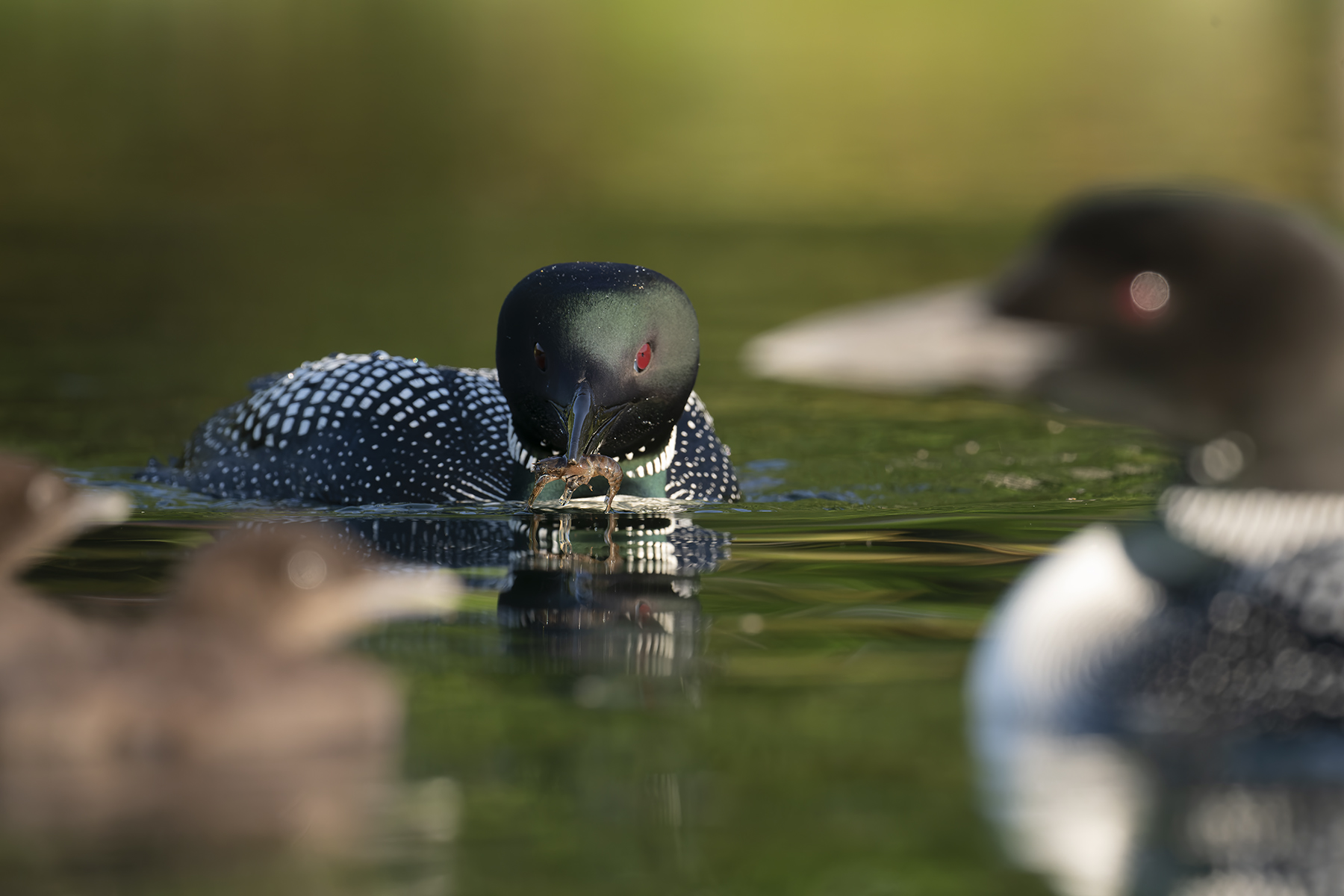
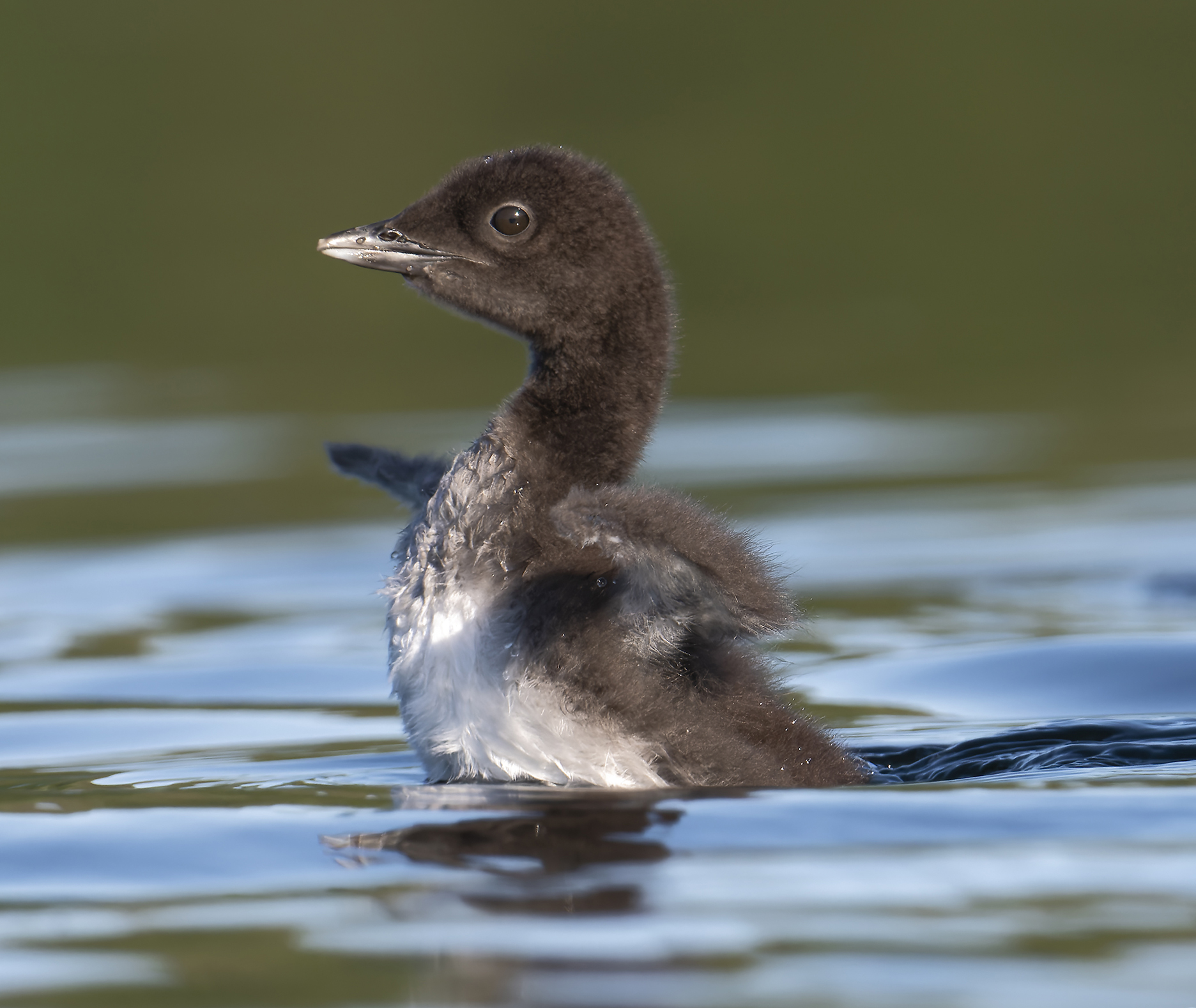
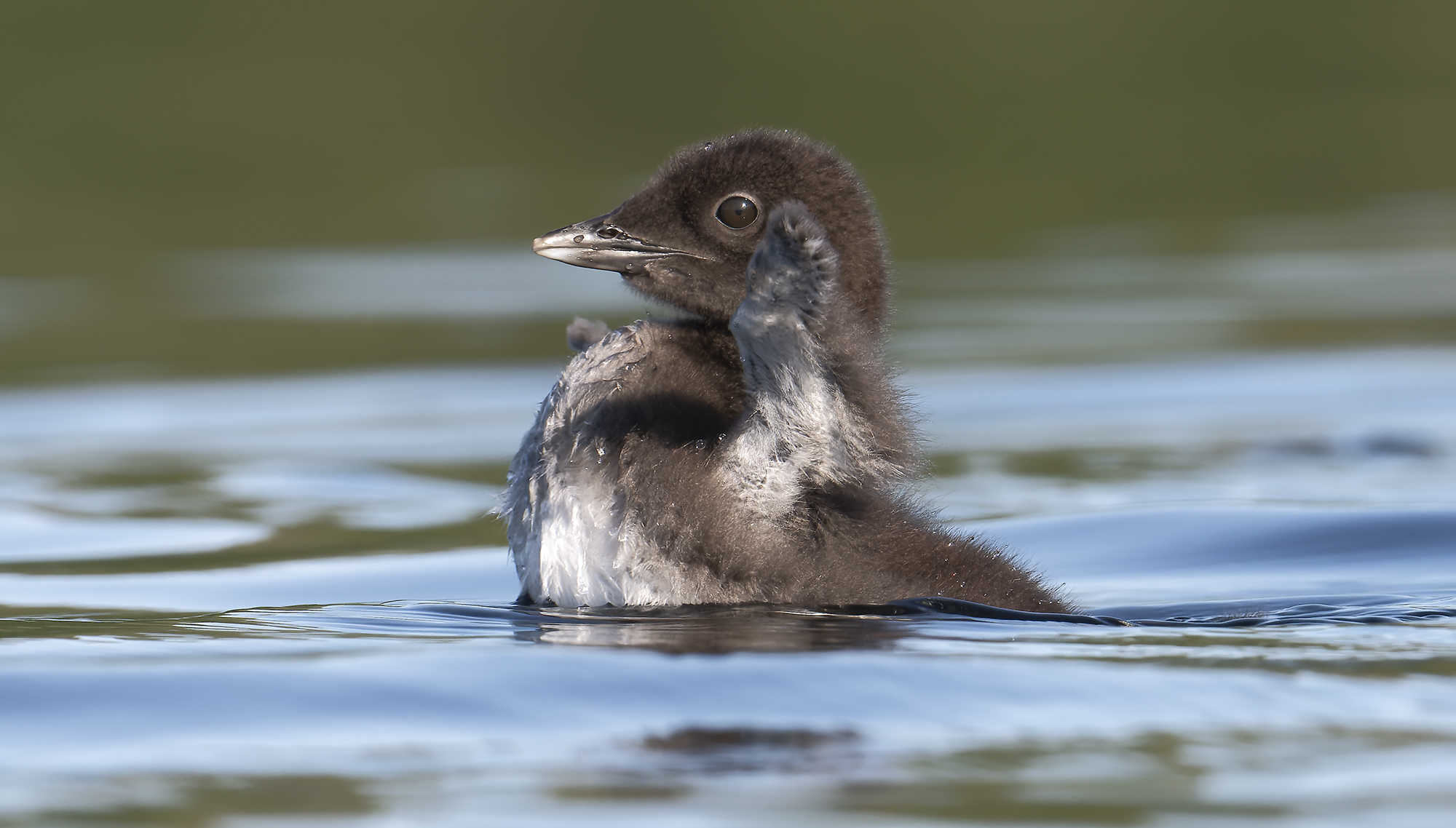
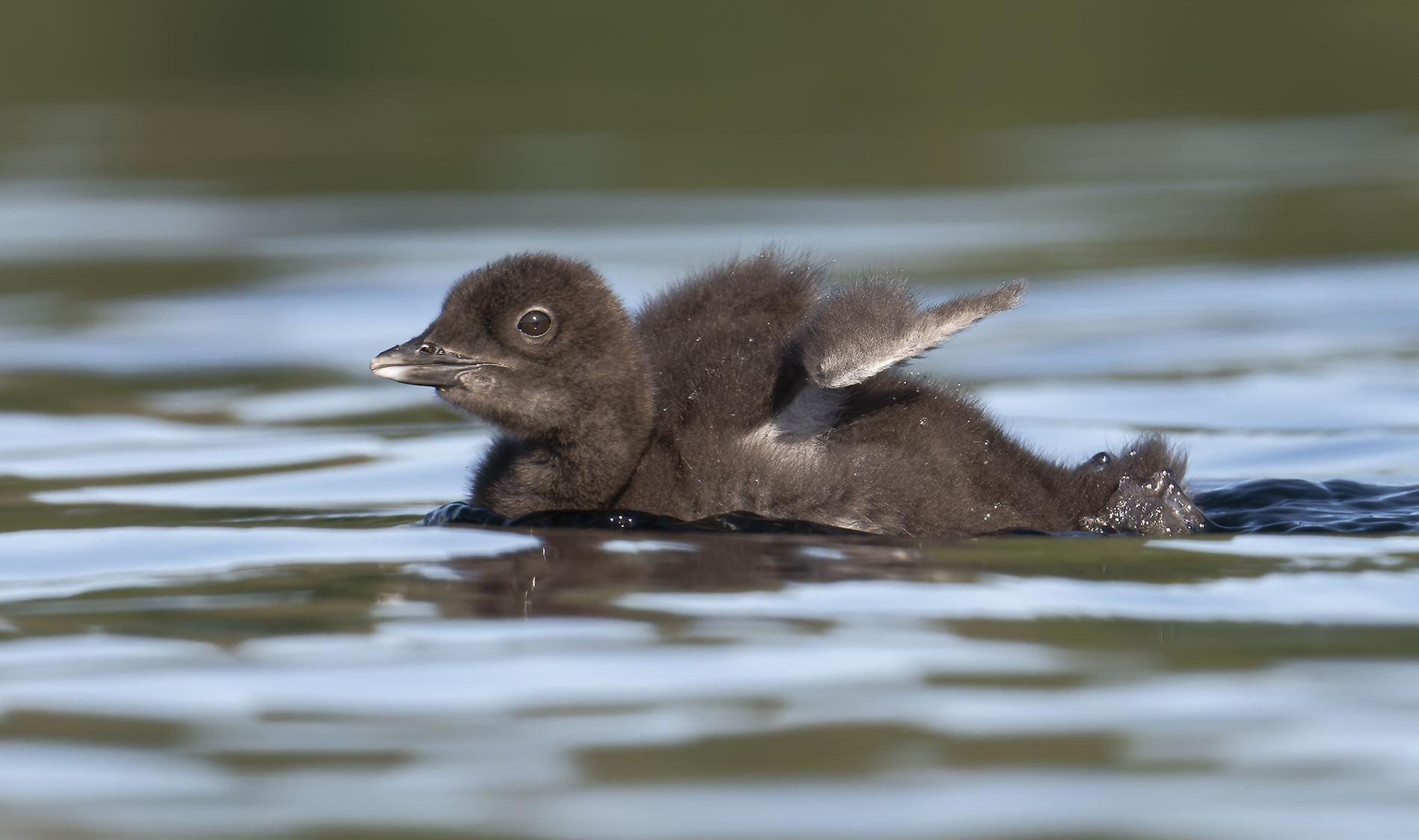
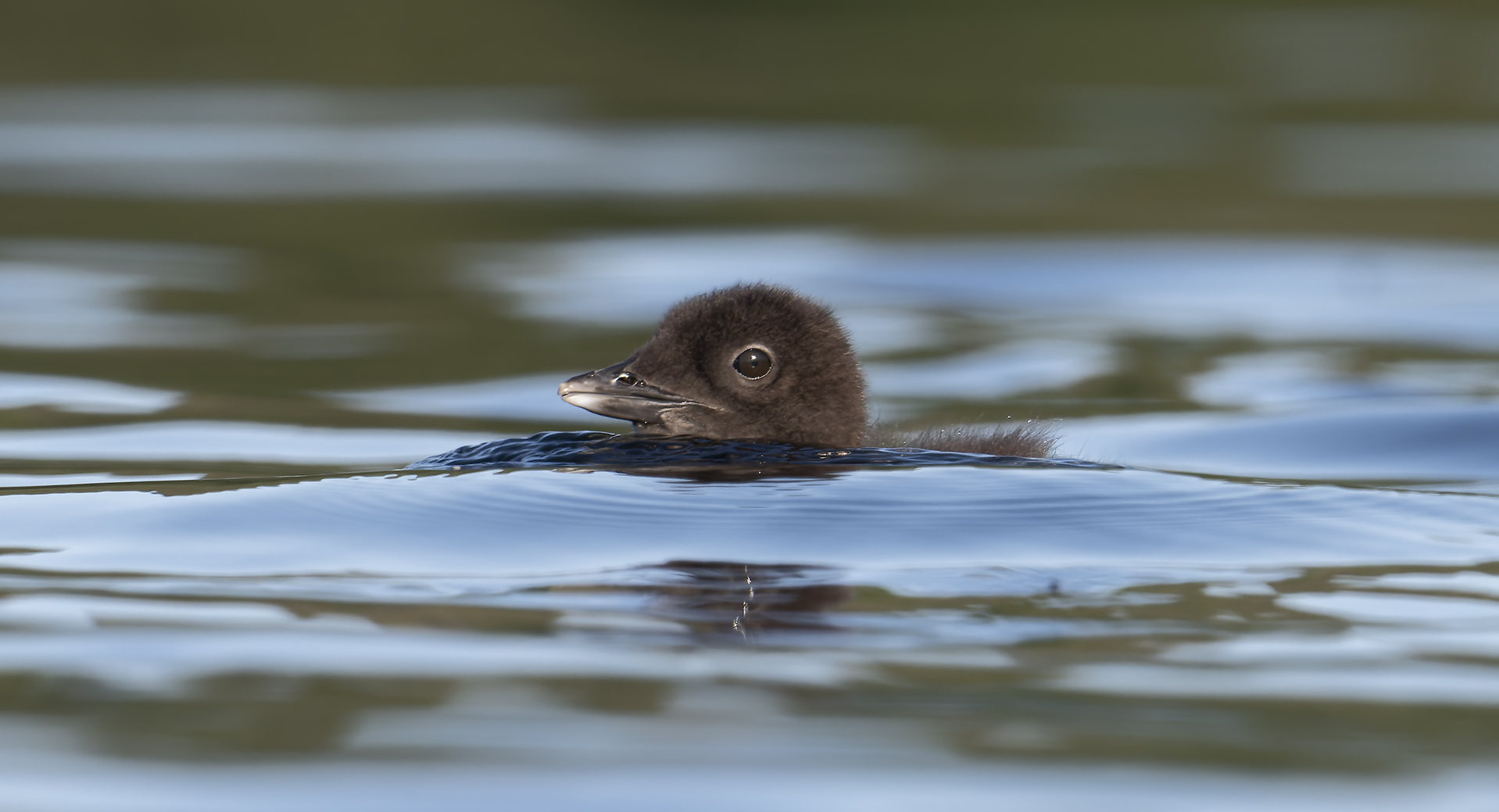
By frequency of occurrence, the crayfish is the #1 food item that Common Loons feed their young in the region I am in (personal observation). That is the advantage of the camera as a tool.
*We have a visual record of what we observe*.
I hope the color is correct on this image. If not, someone please tell me.
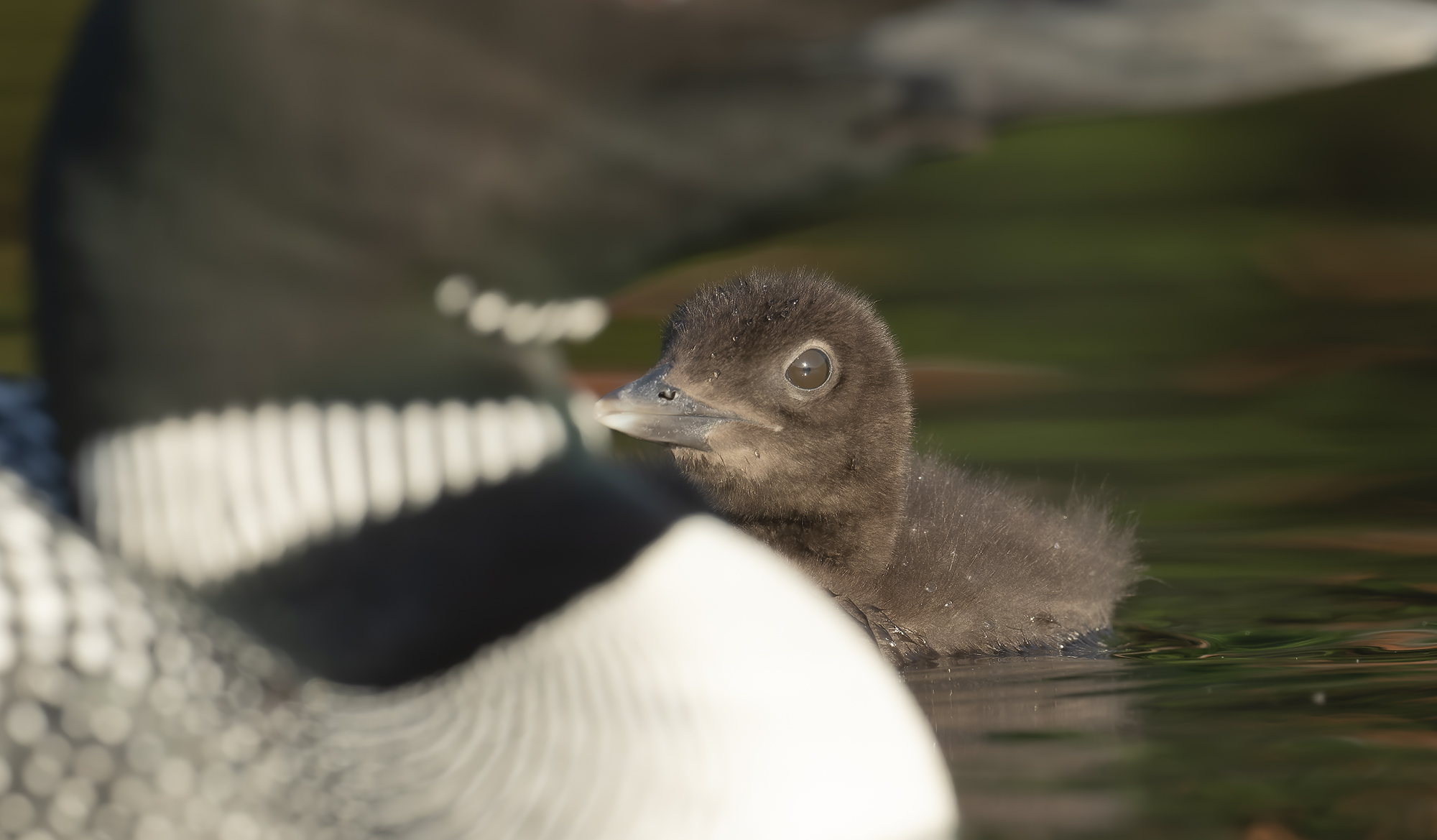
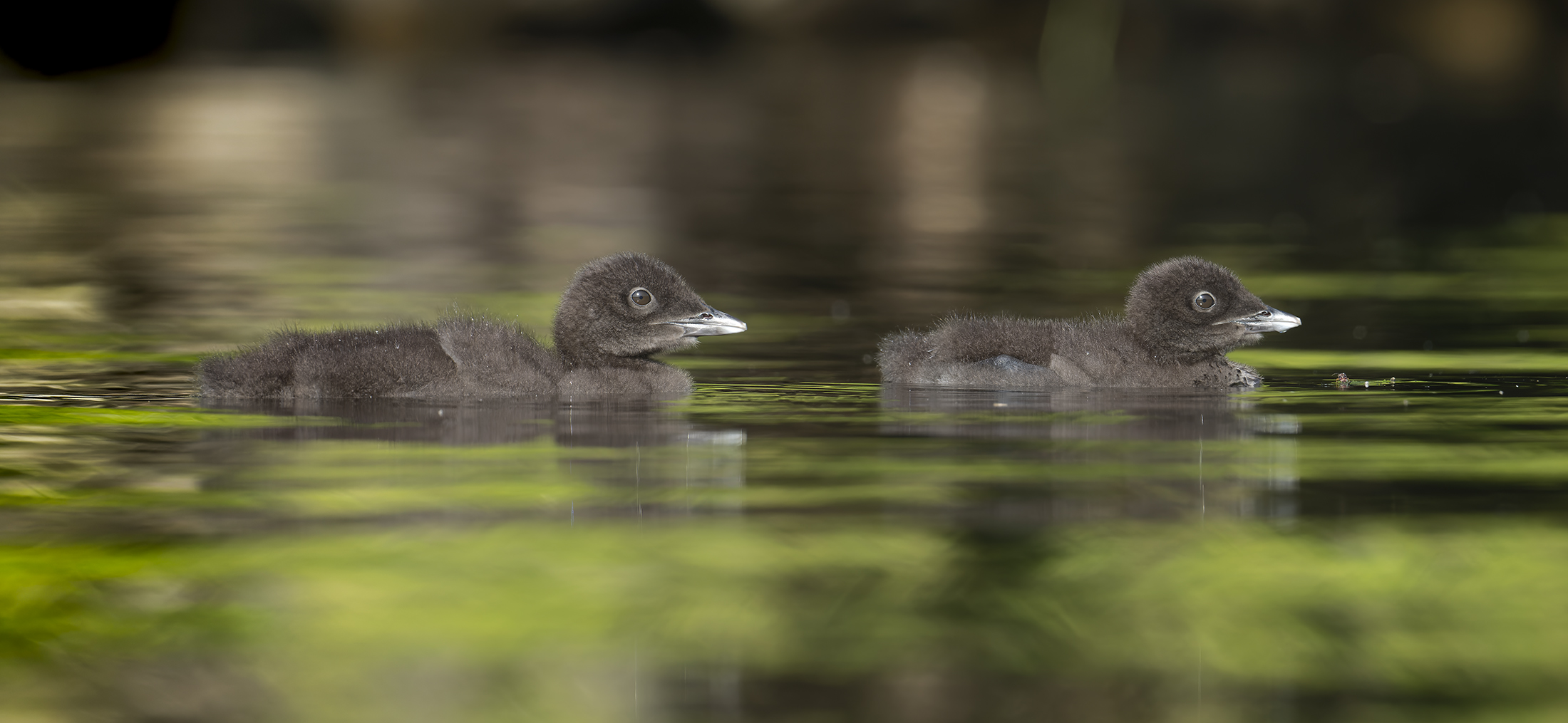
These are the only two loon chicks I've captured while both were inside the depth of field. The shoreline of this lake is still heavily forested. In the case of this image, the parents and chicks (toward the end of the chick feeding session) happened to wander over to a spot where the light was perfect. That does not often happen does it?.
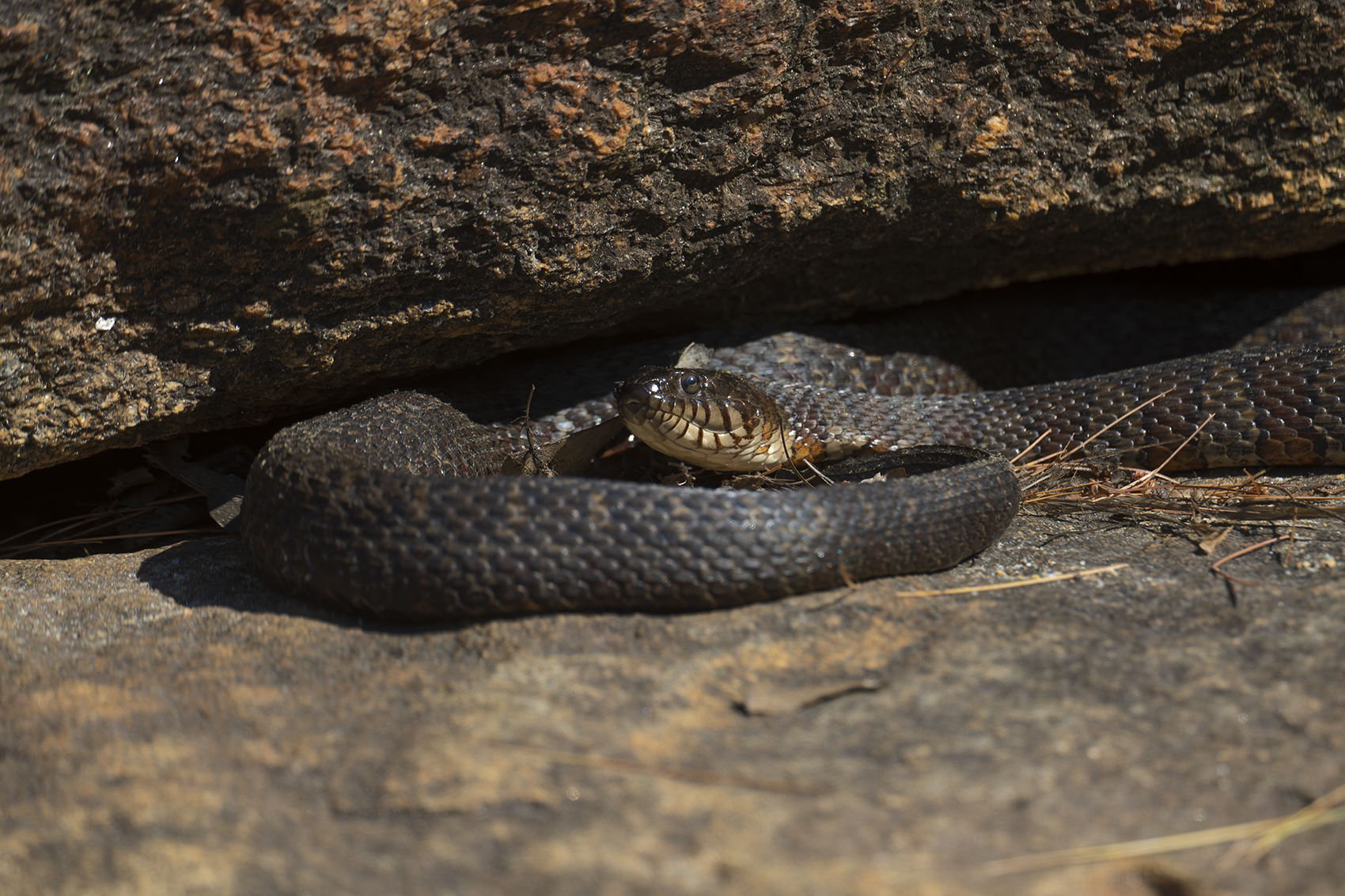
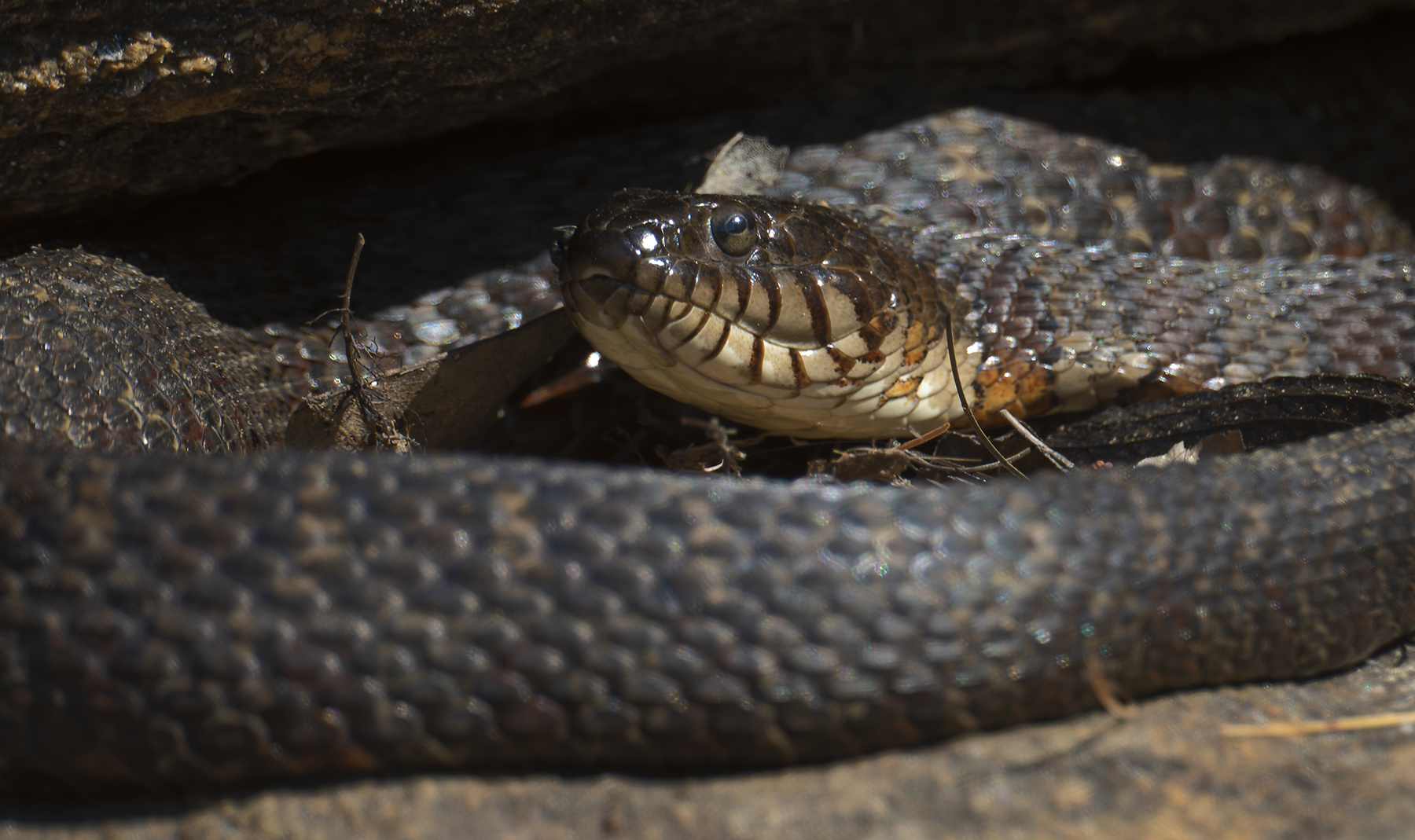
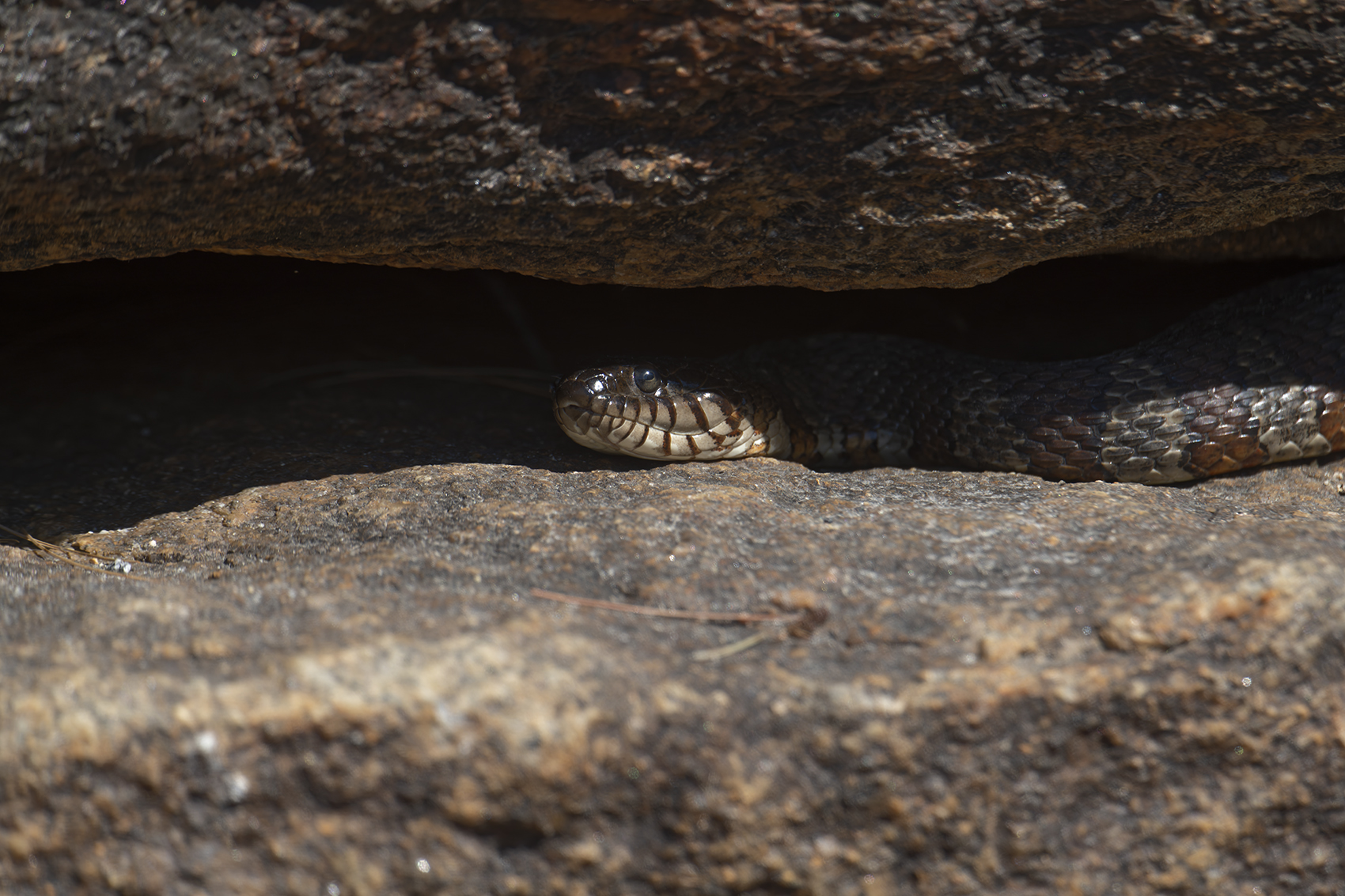
The Brown Water Snake (Nerodia spp) is in a microhabitat that the cold-blooded snakes always favor, to regulate their body temperature. The massive granite slabs/rocks tend to maintain a constant temperature and the snake moved in and out of the sun/shade to stay comfortable.
The snake images were both taken with the TC14 II attached.
Hope you like them.
Robert
afterthought: I looked at a few of the other snake images and was surprised to see that there is more than one BWS in that space between the granite slabs.