MikeInPa wrote:
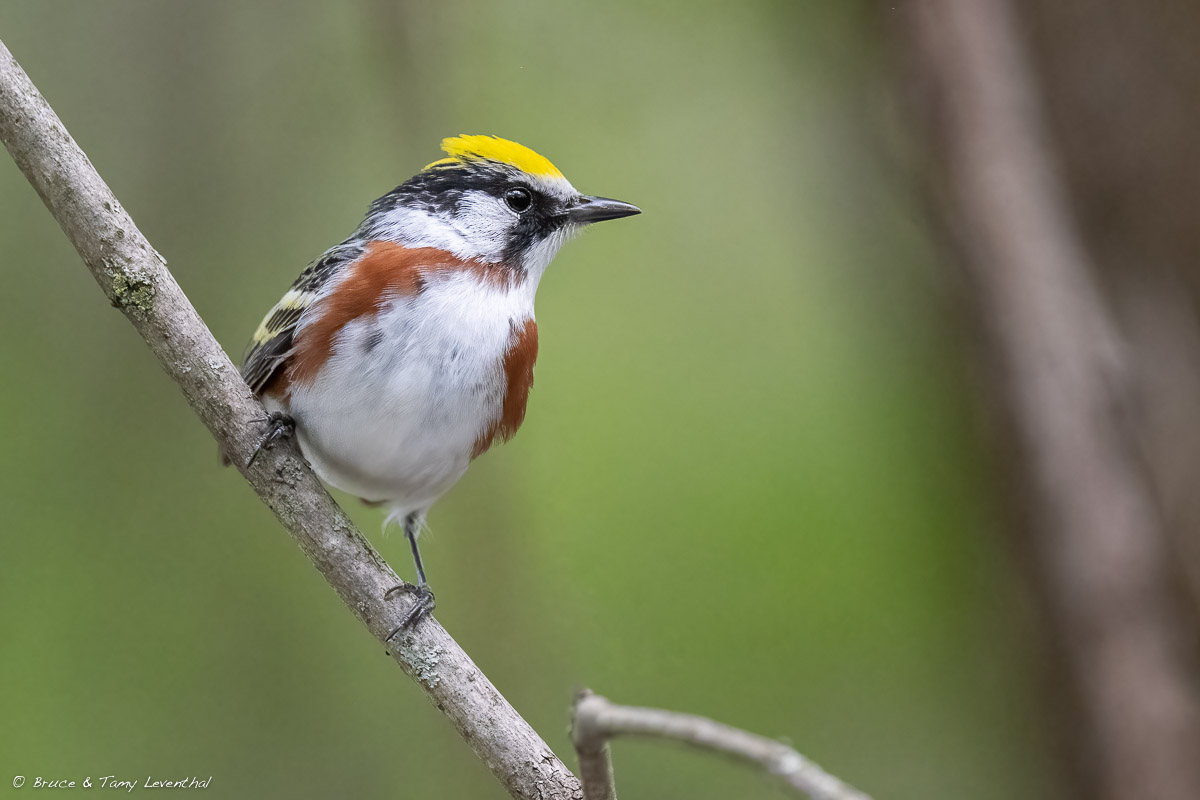
Moving or even just dripping water is the key to attracting warblers and other migrants. It’s been pretty hectic in my yard over the last few days with 19 species of warblers on Saturday.
Amazing diversity Mike.. I was excited to see four species in my tiny area. I think you hit the jackpot!
I'm heading back to my rushing stream tonight to see if any birds are still having about. I'd like to get a better shot of the yellow throated warbler, as the male has an amazing head.
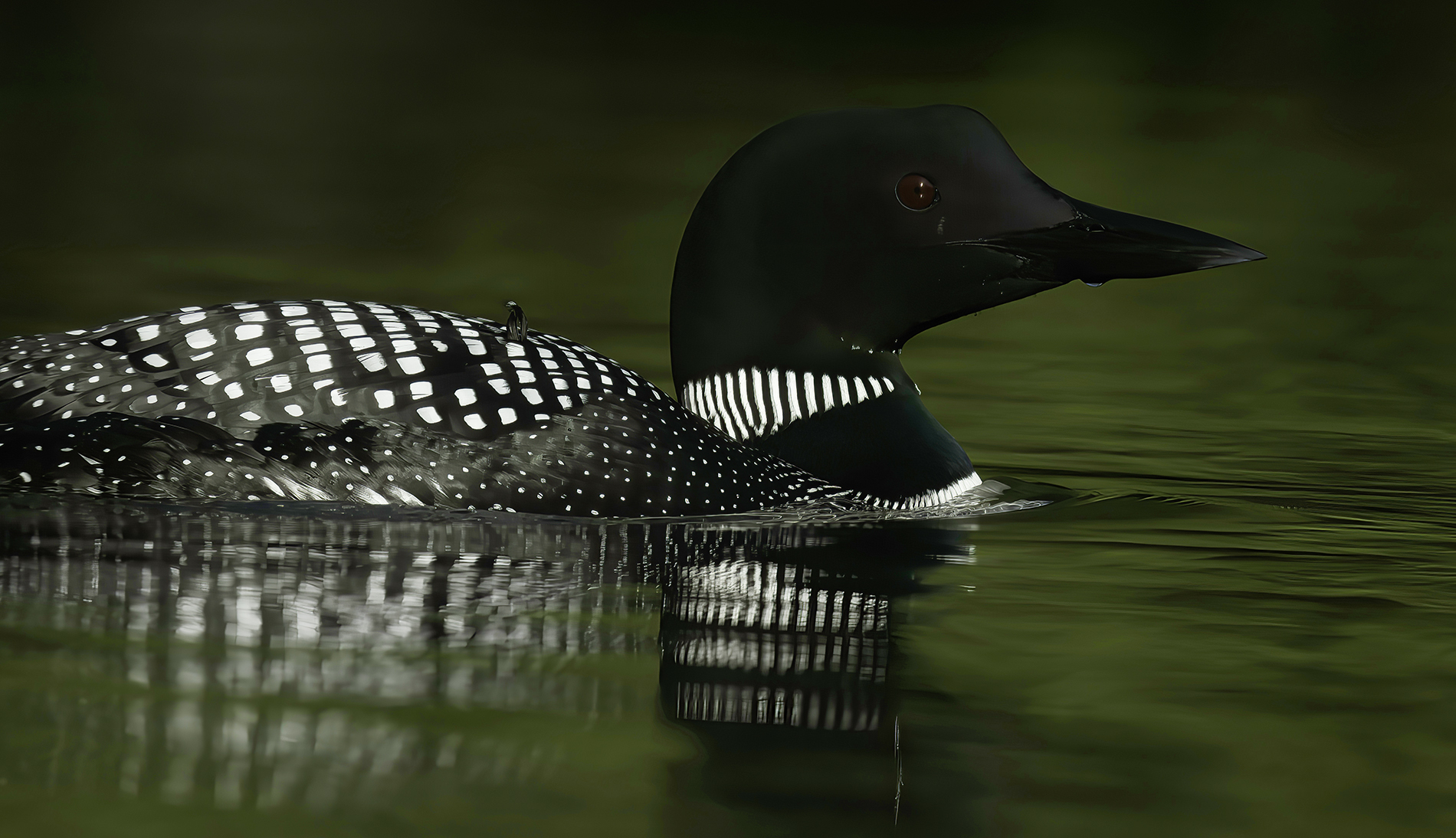
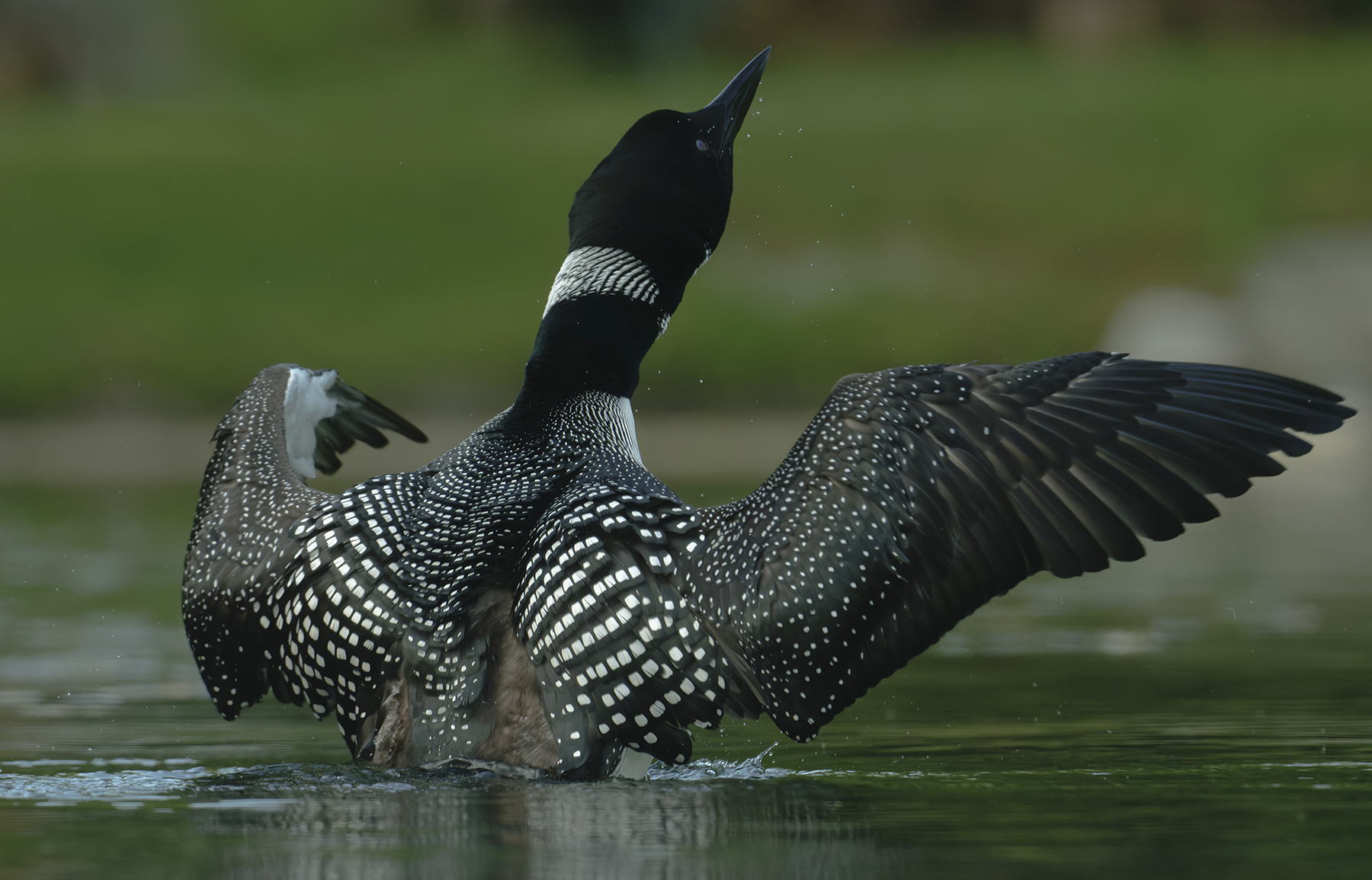
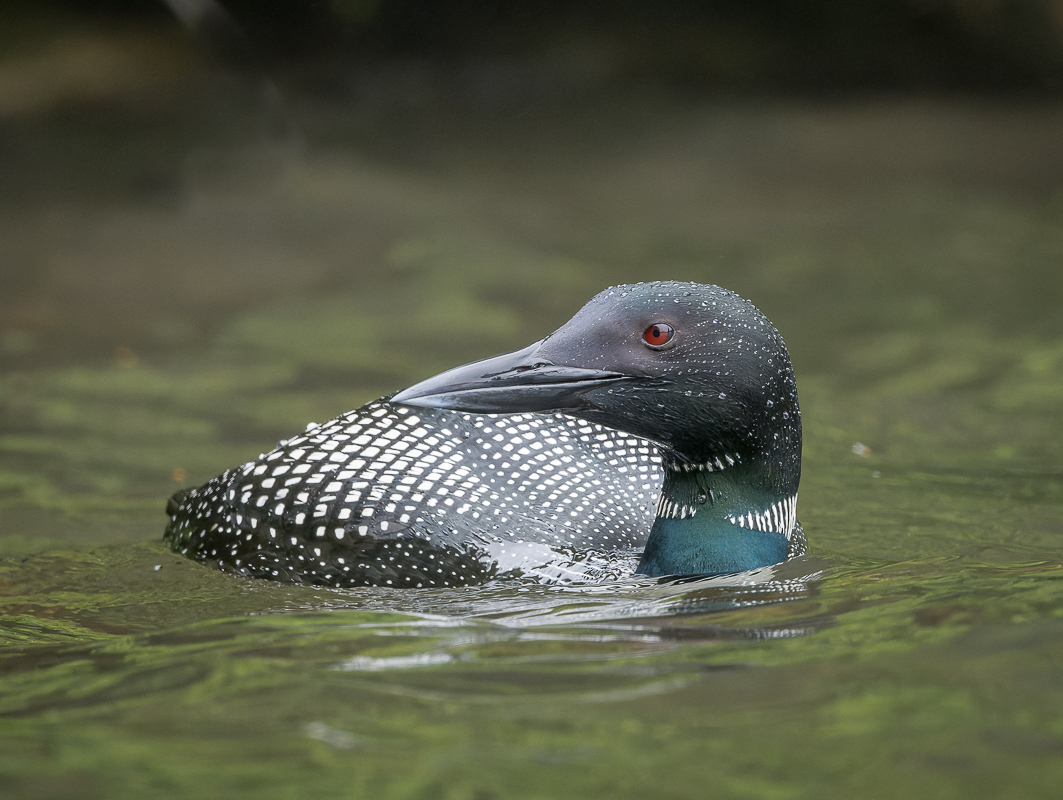
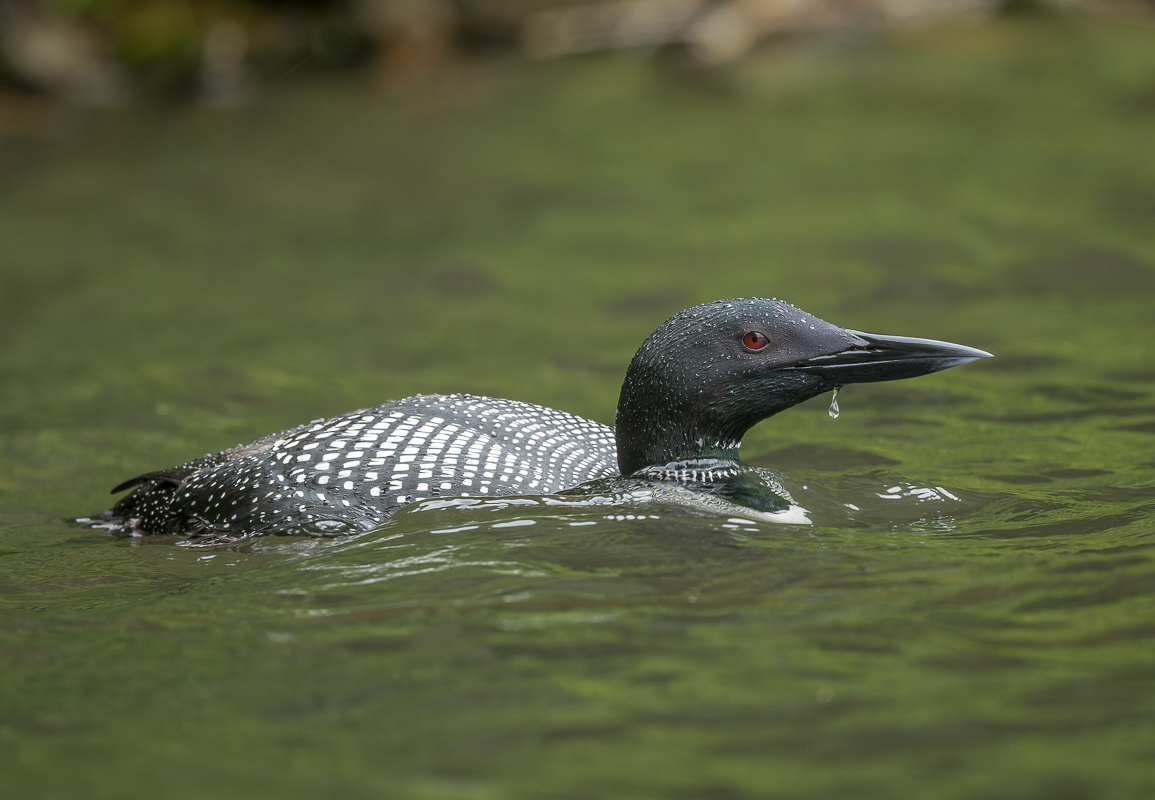
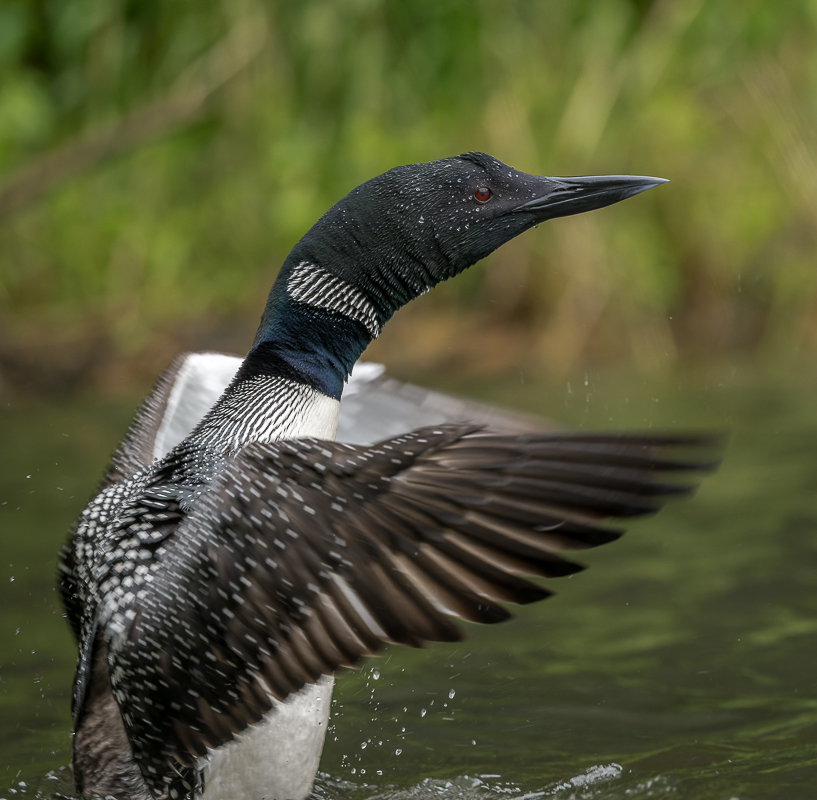
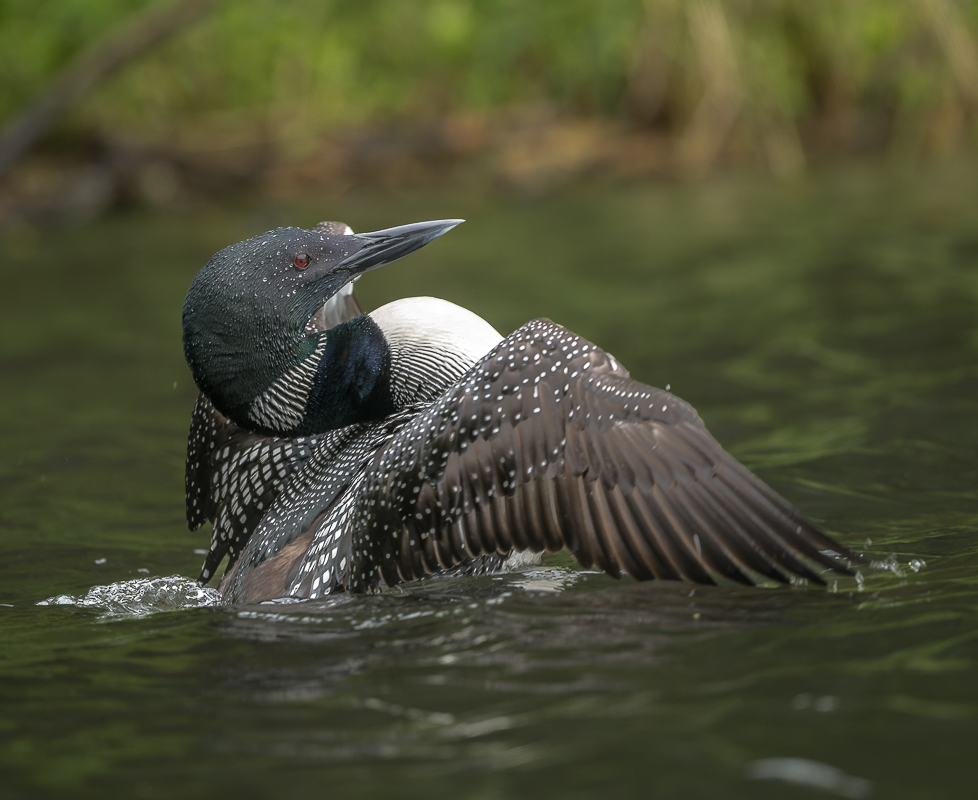
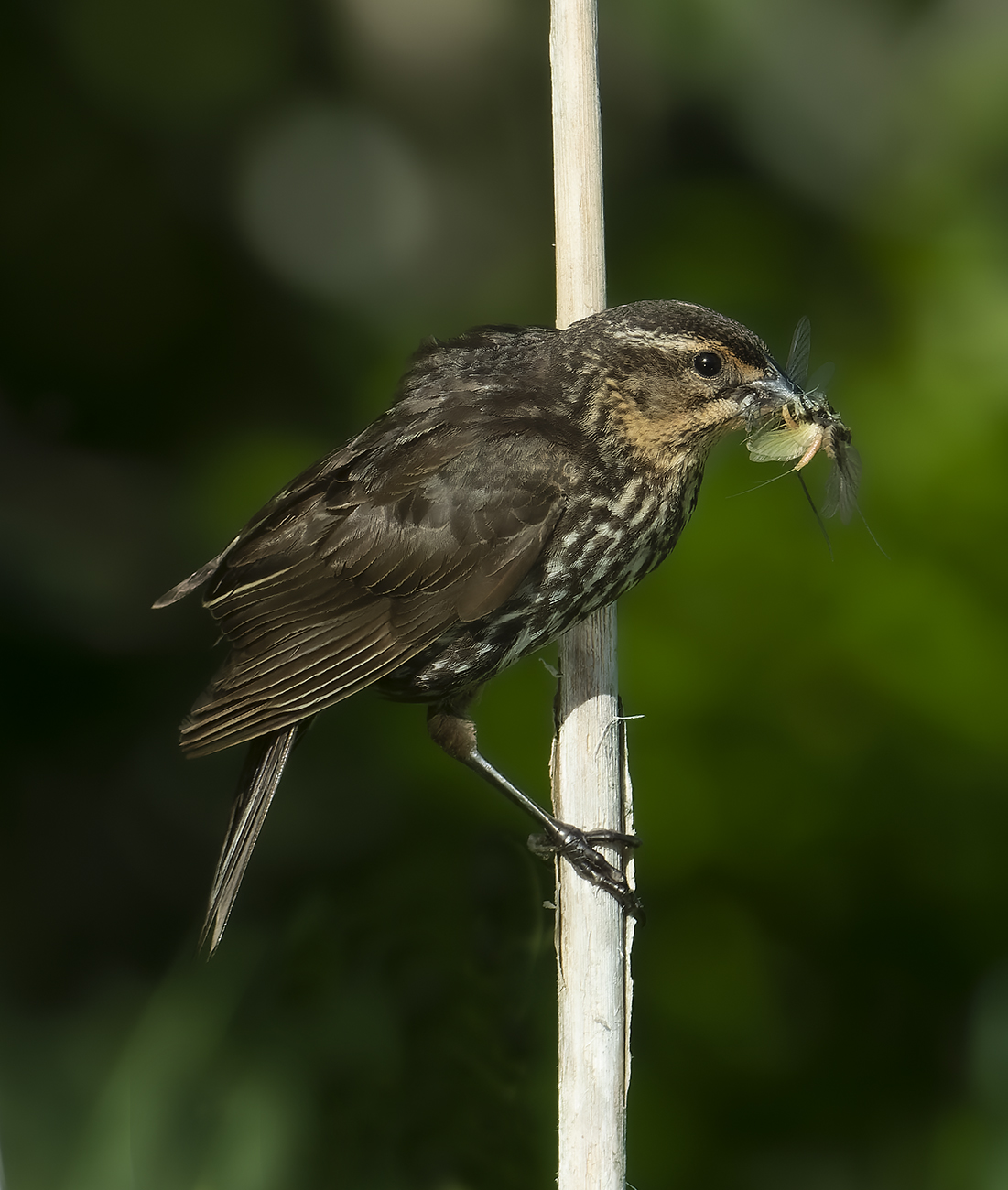
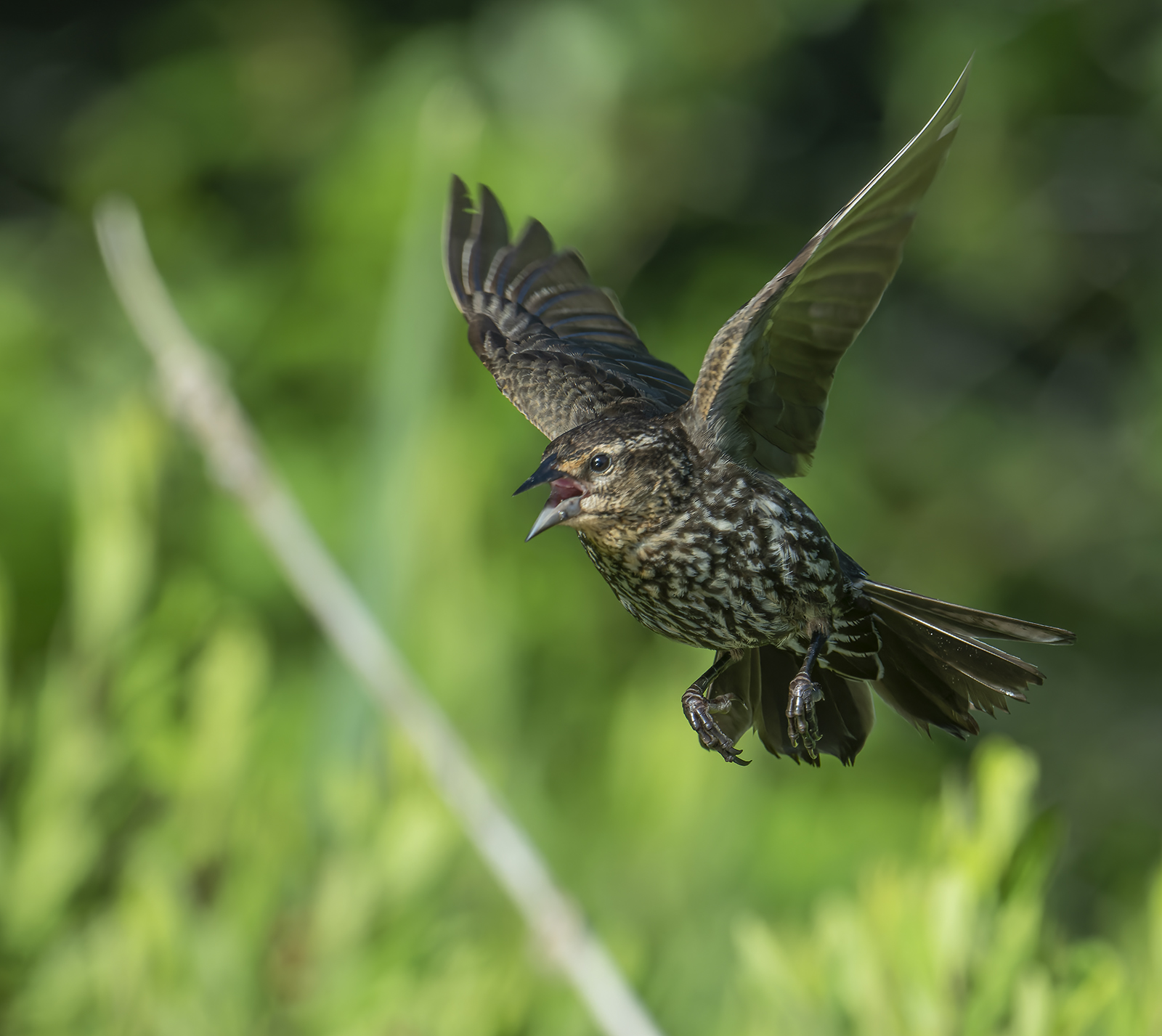
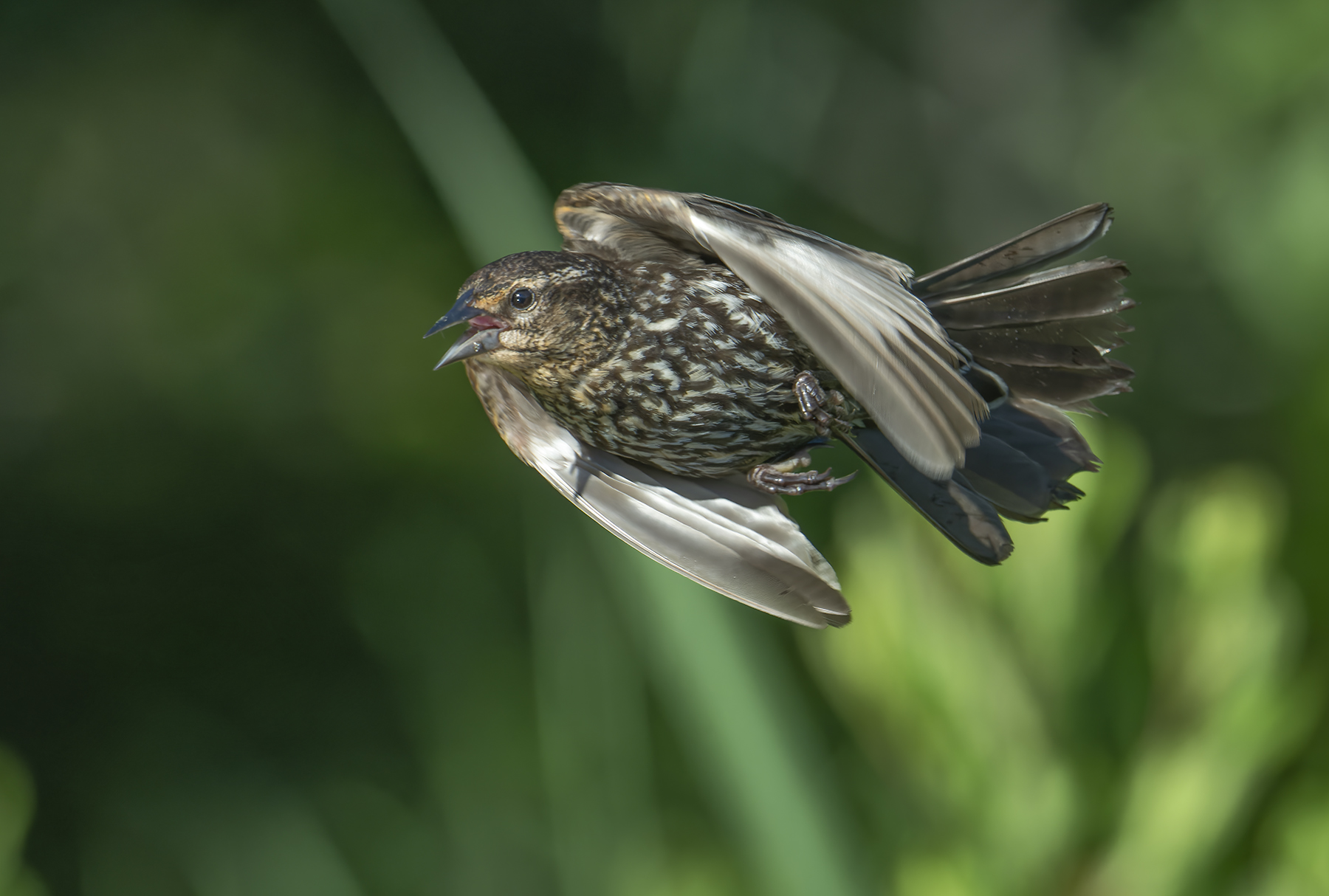
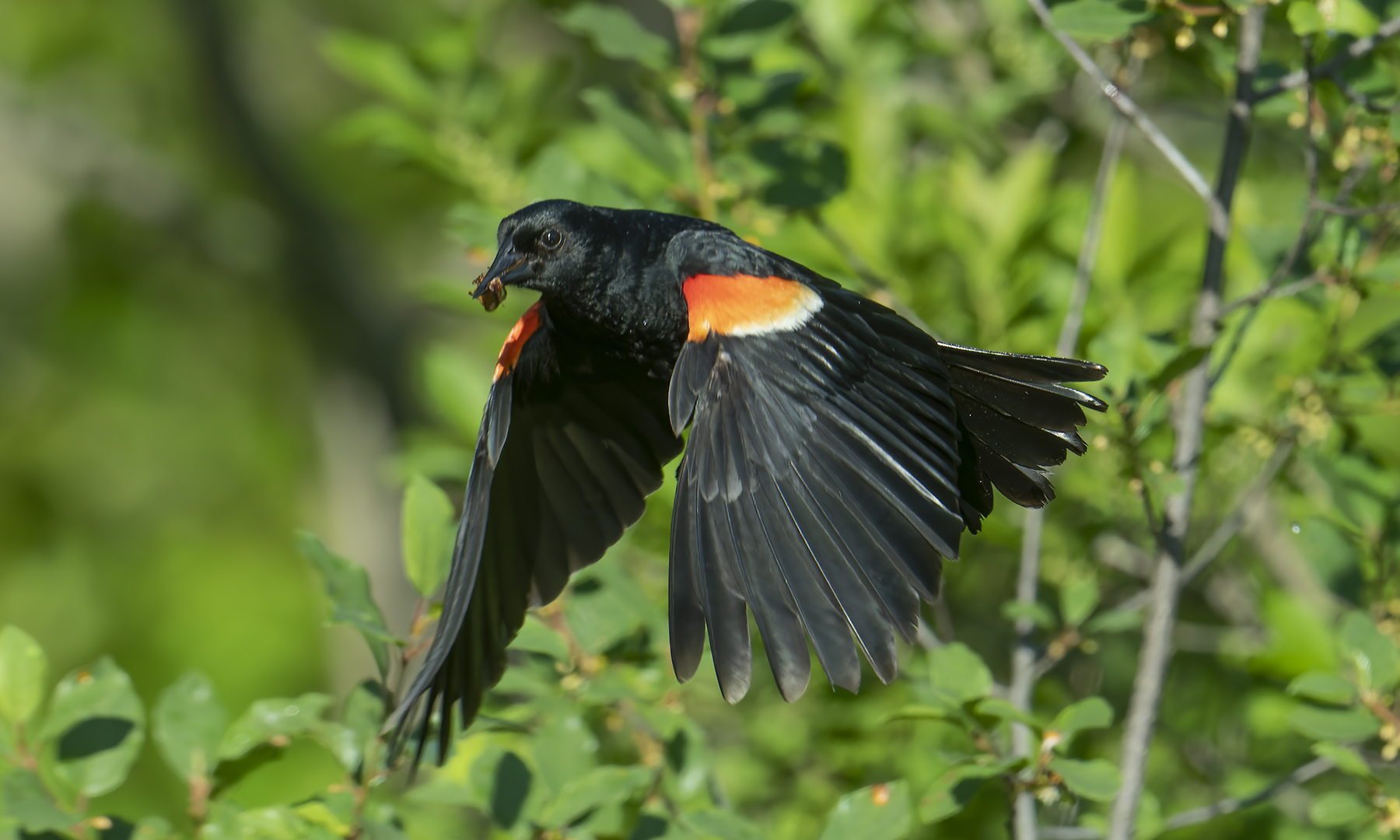
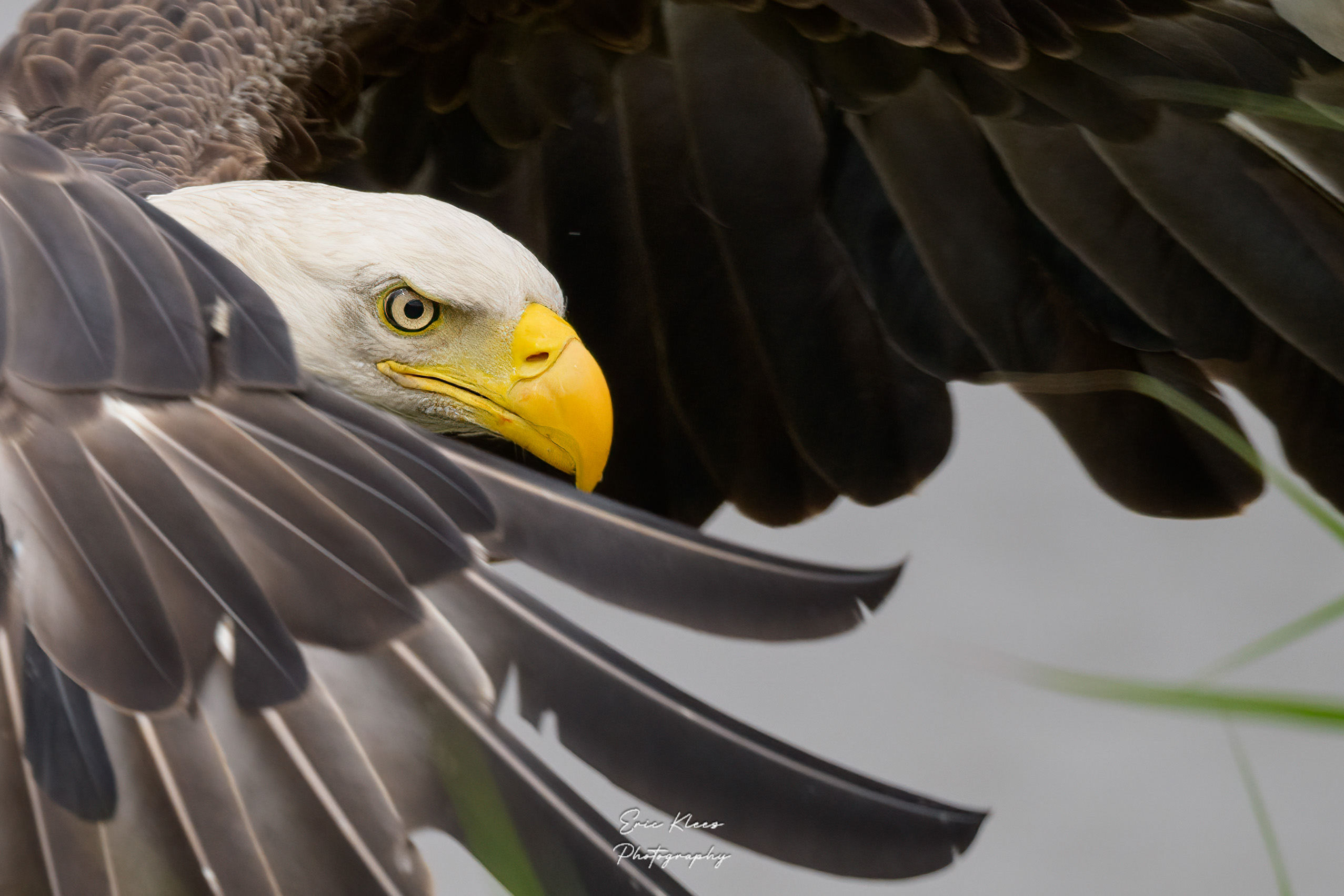
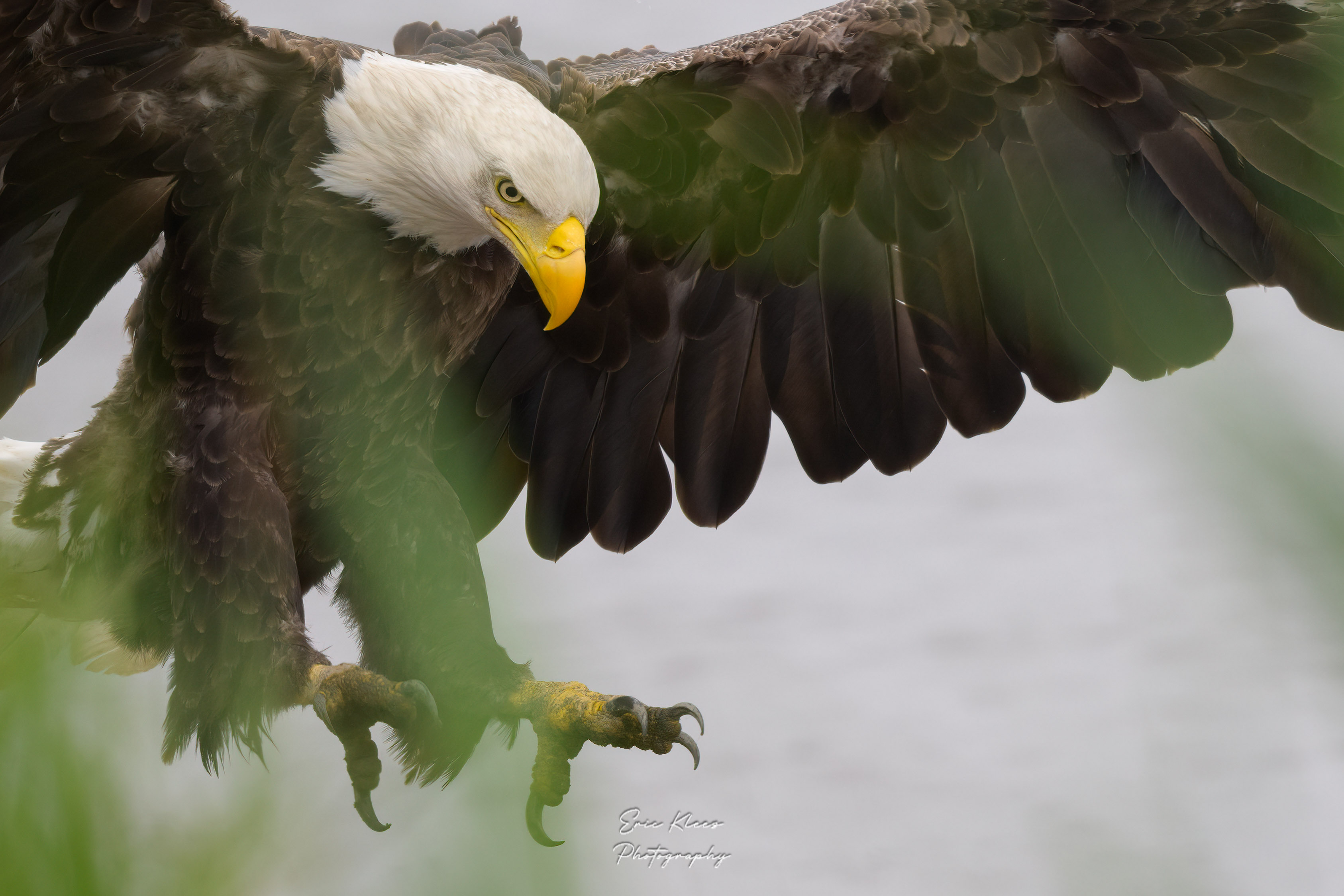
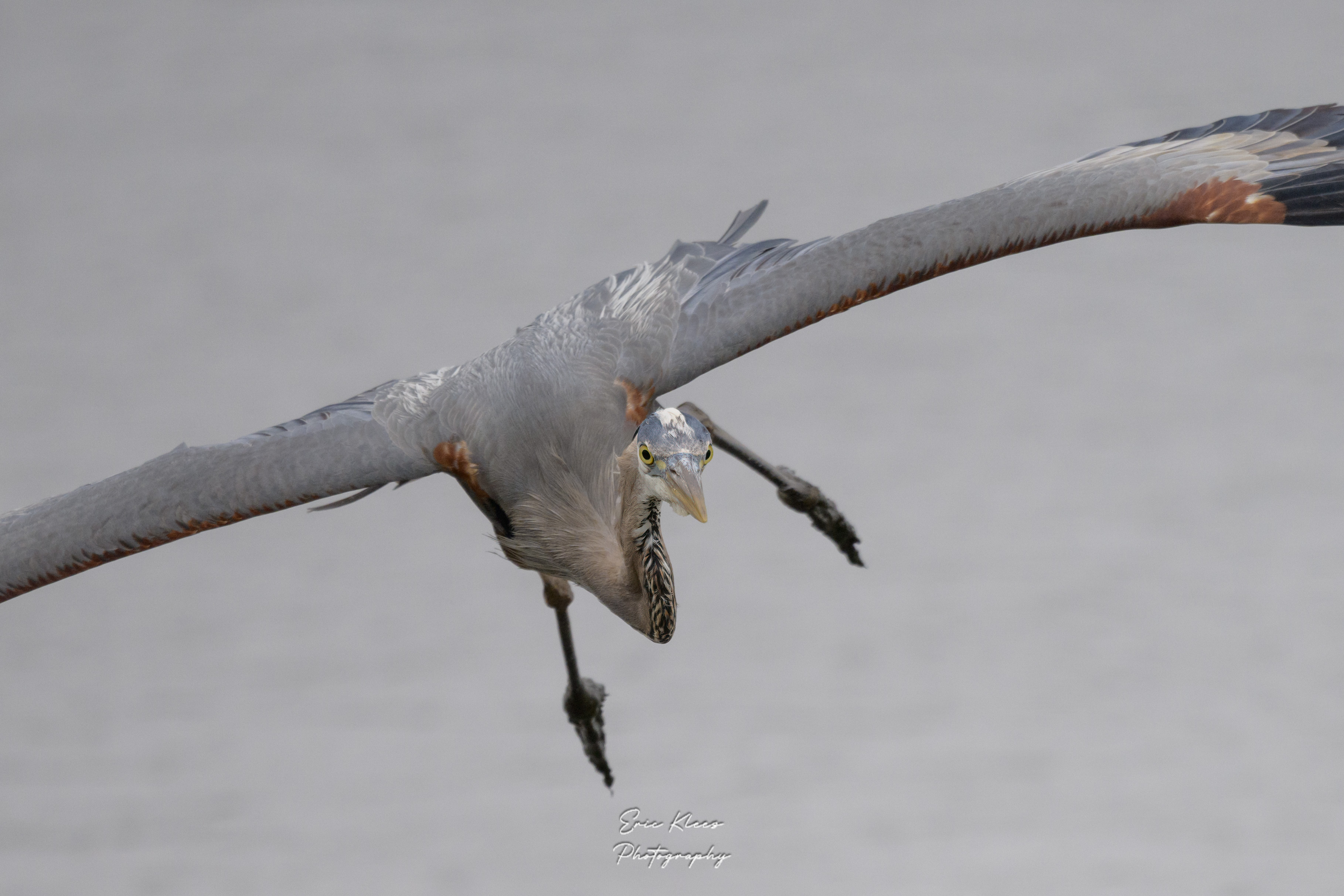
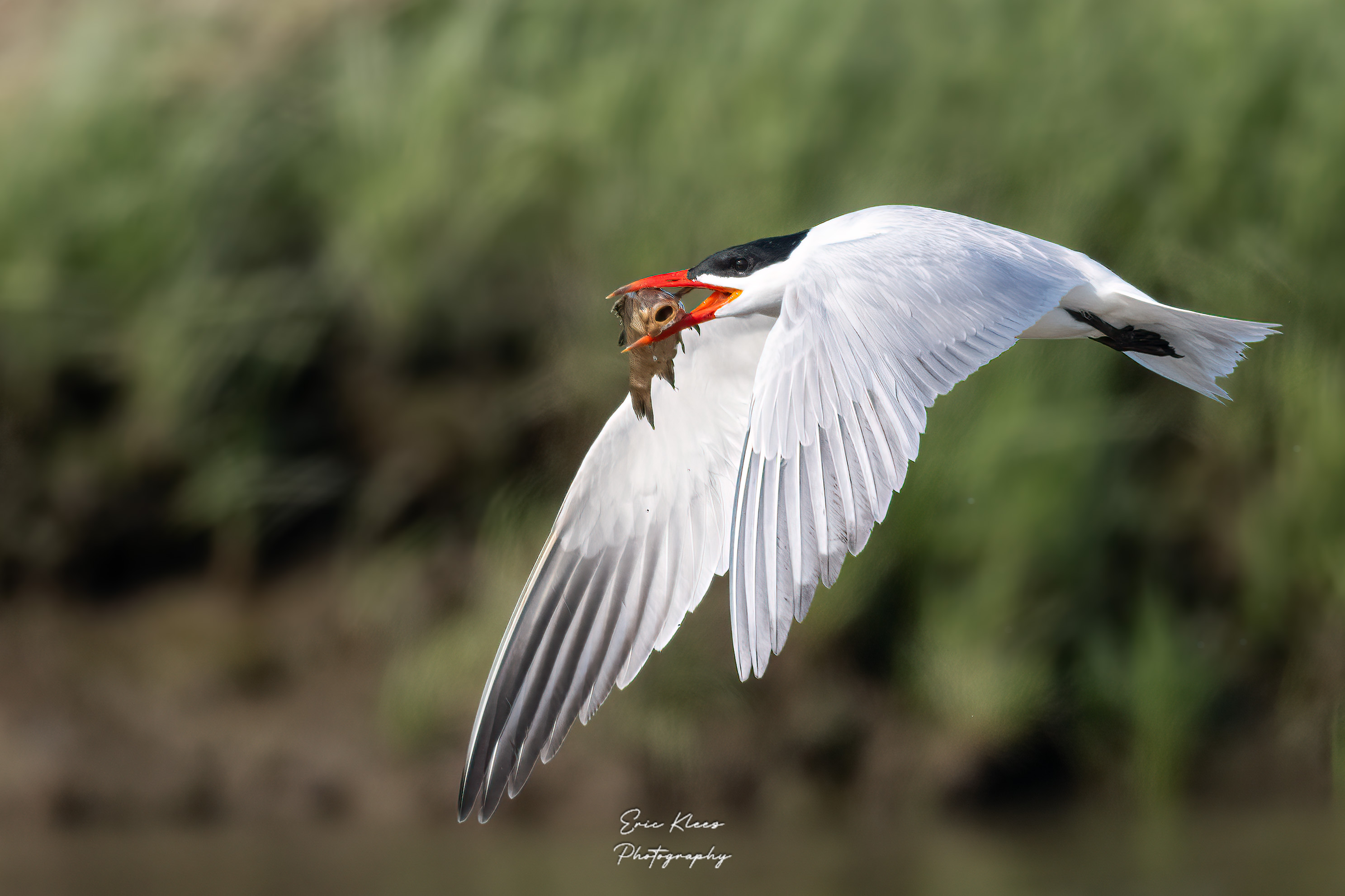
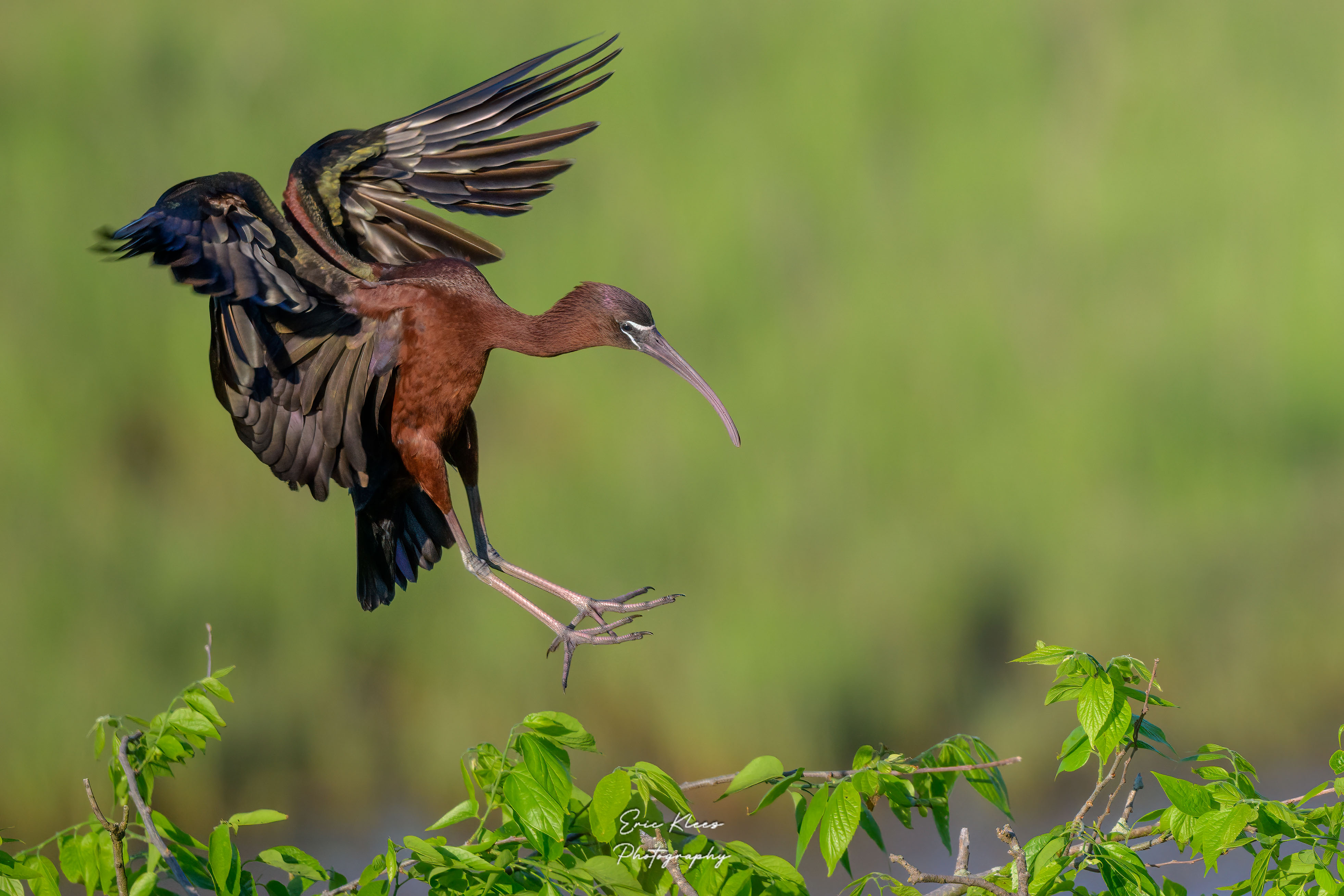
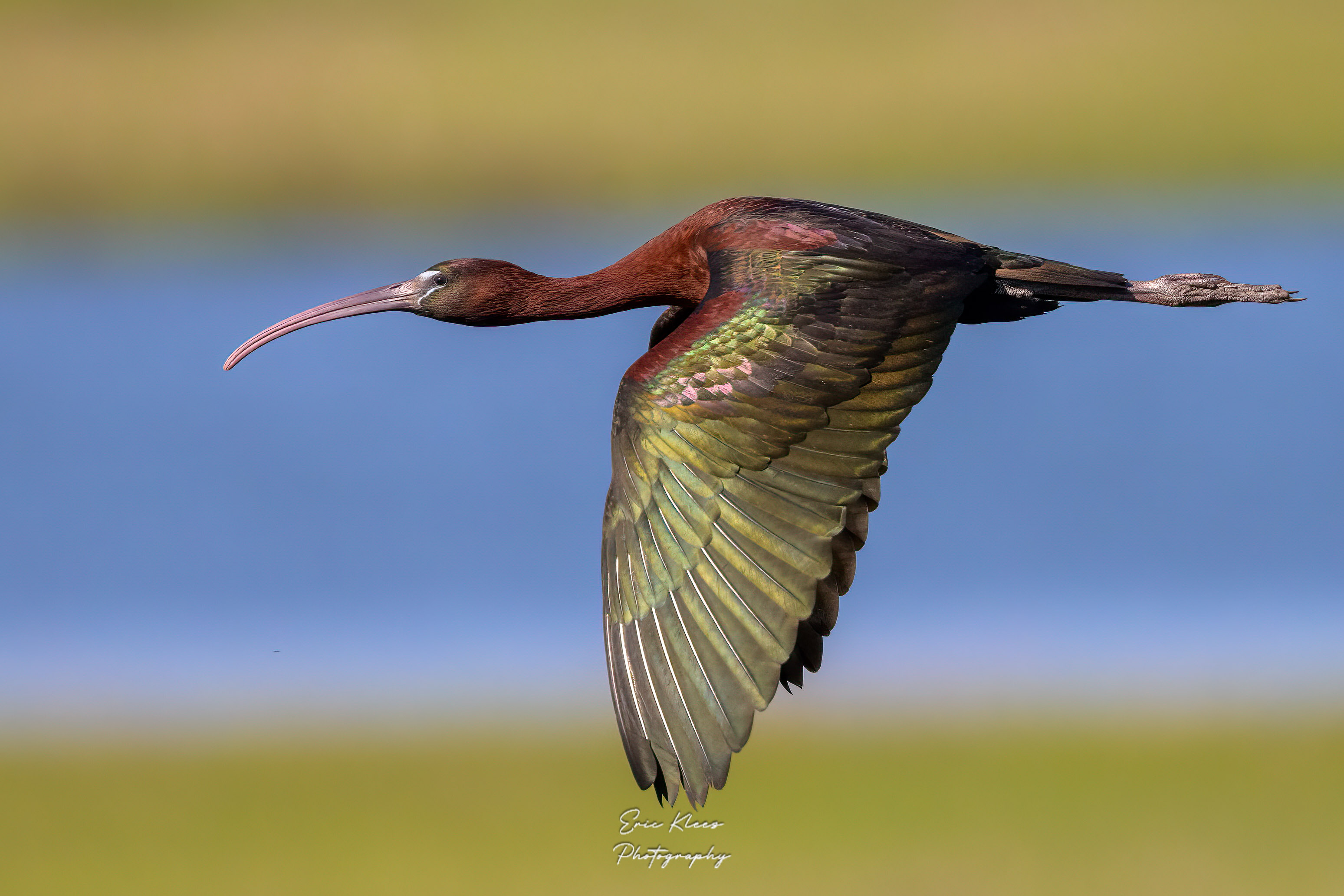
I haven't been giving the thread much love lately as I have been posting more in the Z9 images thread but thought after all the hoopla of the Mark Smith video of the 500PF not performing well with large and close subjects I thought I would post a few images of exactly just that. I haven't had that issue yet.
I don’t possess the gene that allows me to identify birds by song or call. Merlin does it for me. I just leave it running and it tells me what it’s hearing.
We do regularly see a small variety of warblers, buntings, and orioles come through the Dallas area during the spring & fall migrations, but the biggest numbers & varieties head north further west than our area.
We try to visit known good areas along the TX coast during migration periods.
urbanwild wrote:
I'd really be interested in seeing how different the files are between a D500 and a Z9 though (with the same lens). Would it be fair to compare with Z7 files as a close equivalent to Z9 files or are people noticing better files with the Z9 over the Z7? Obviously the cAF are very different but curious about still shots. Cheers!
I’ve shot extensively with the Z6, Z7, Z6ii and Z7ii and with the Z9 since January. I’m my opinion there is very little difference between images taken with the Z7’s and the Z9. The difference is in the far superior focus acquisition and quantity of images to choose from.
MikeInPa wrote:
I’ve shot extensively with the Z6, Z7, Z6ii and Z7ii and with the Z9 since January. I’m my opinion there is very little difference between images taken with the Z7’s and the Z9. The difference is in the far superior focus acquisition and quantity of images to choose from.
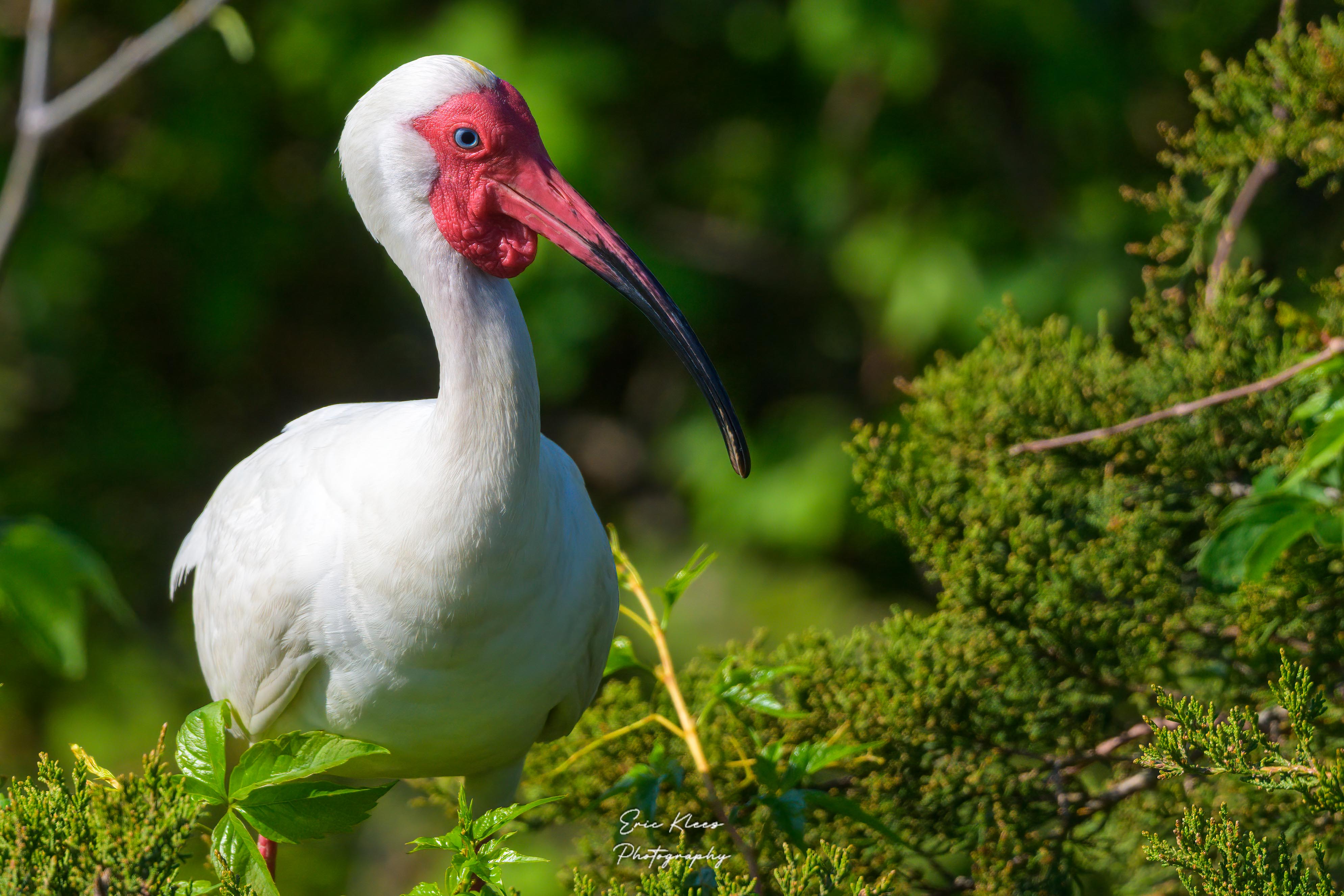
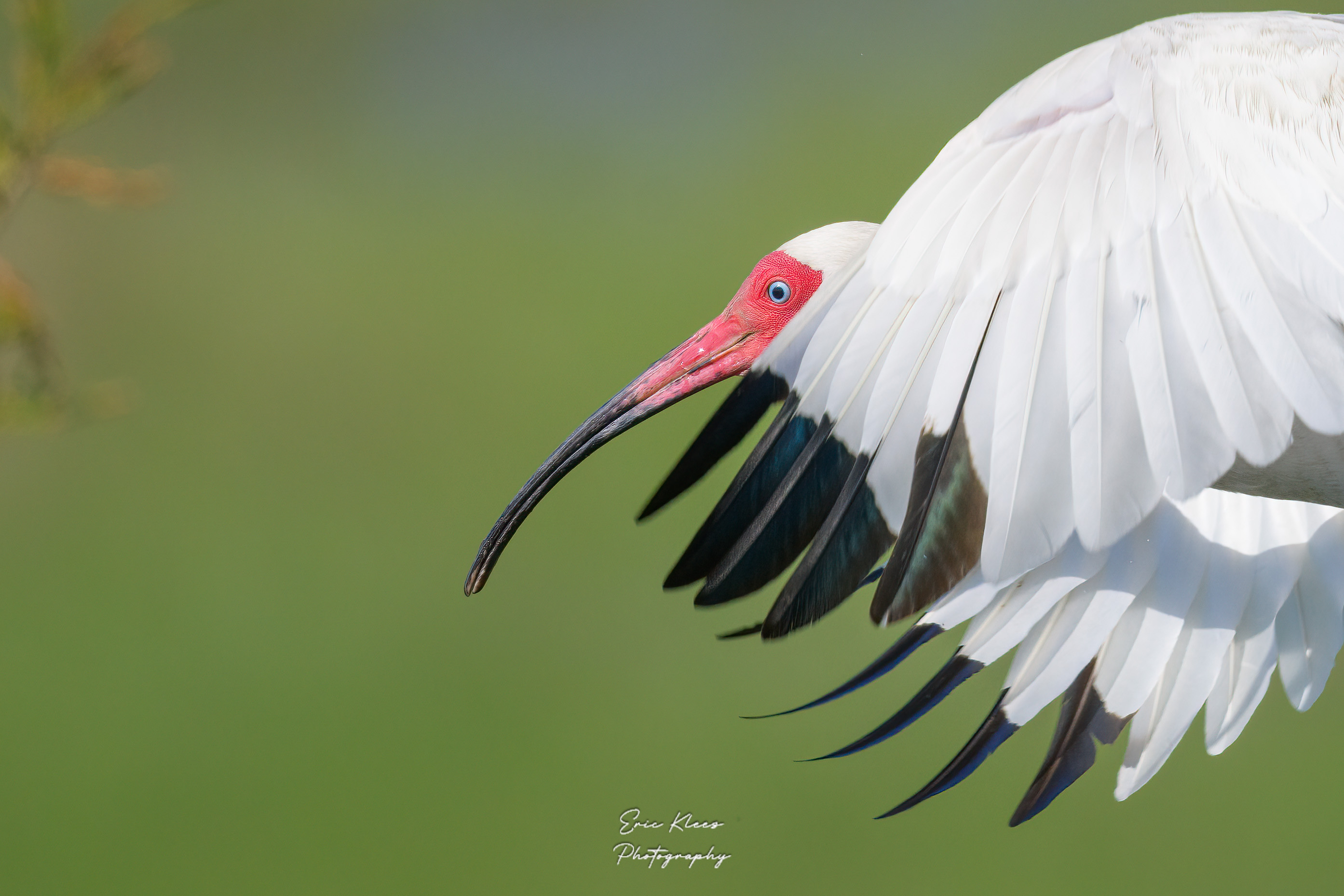
The White Ibis in the breeding plumage... the Gular Sac is only evident for about 10 days so that was cool to spot one and apparently lucky to pick the right weekend.
White Ibis in breeding plumage (deep red face with Gular Sac)
... appreciate that whimsical attitude/comment Philip.
Being in the right place and time (quality of light, etc)), with the camera preset.... and then *anticipating* what is about to happen, is *most* important (imo).
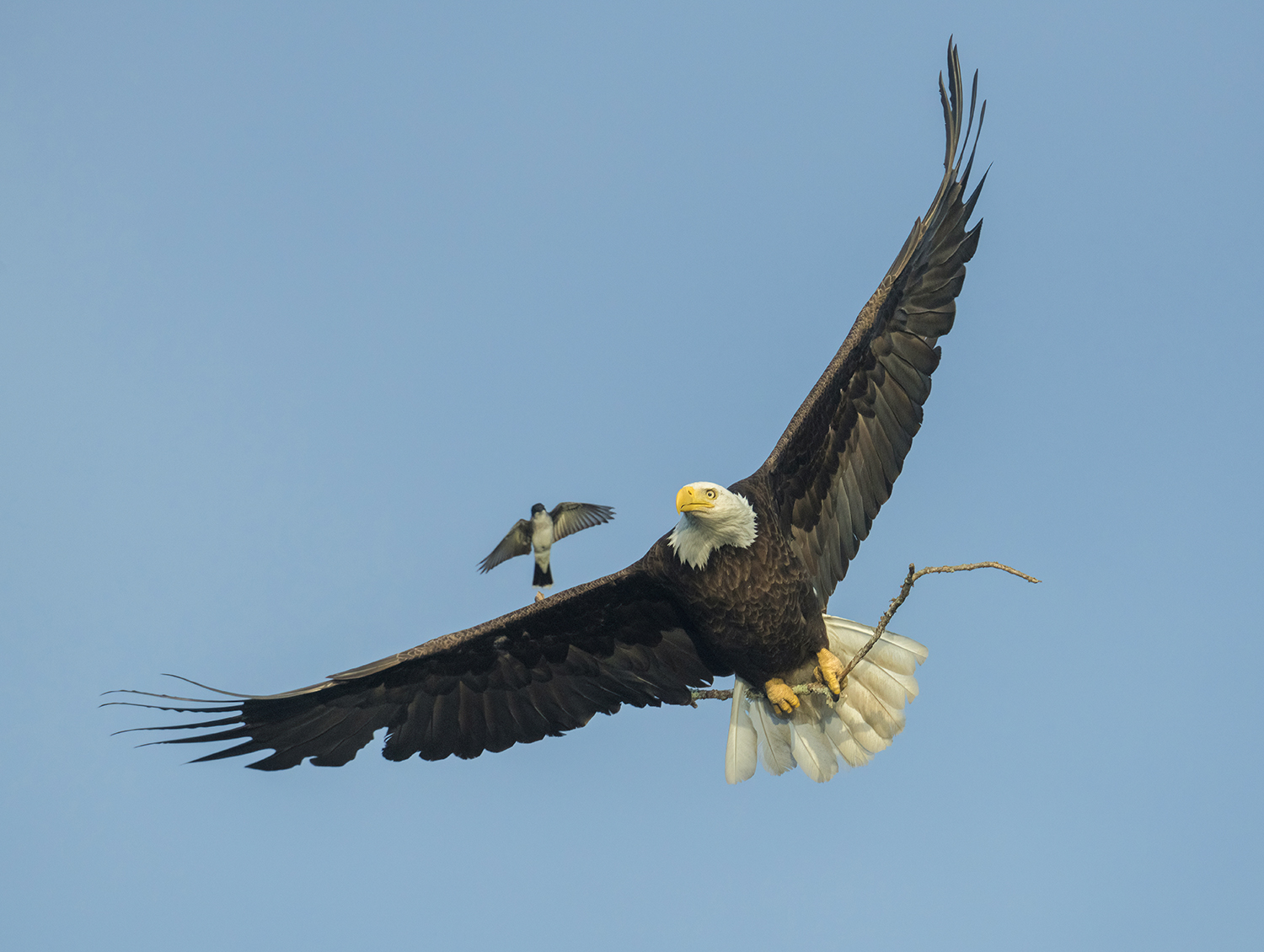
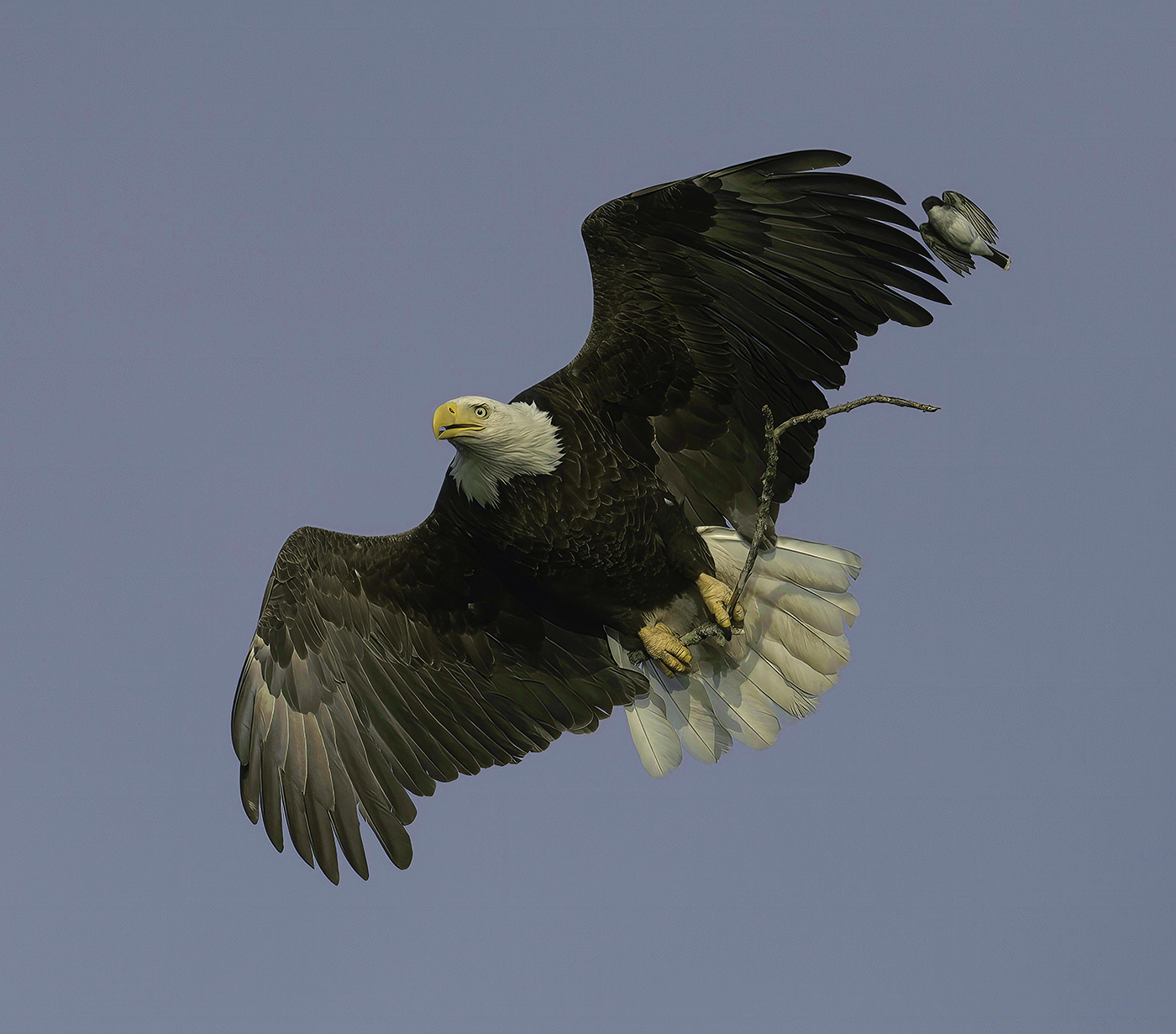
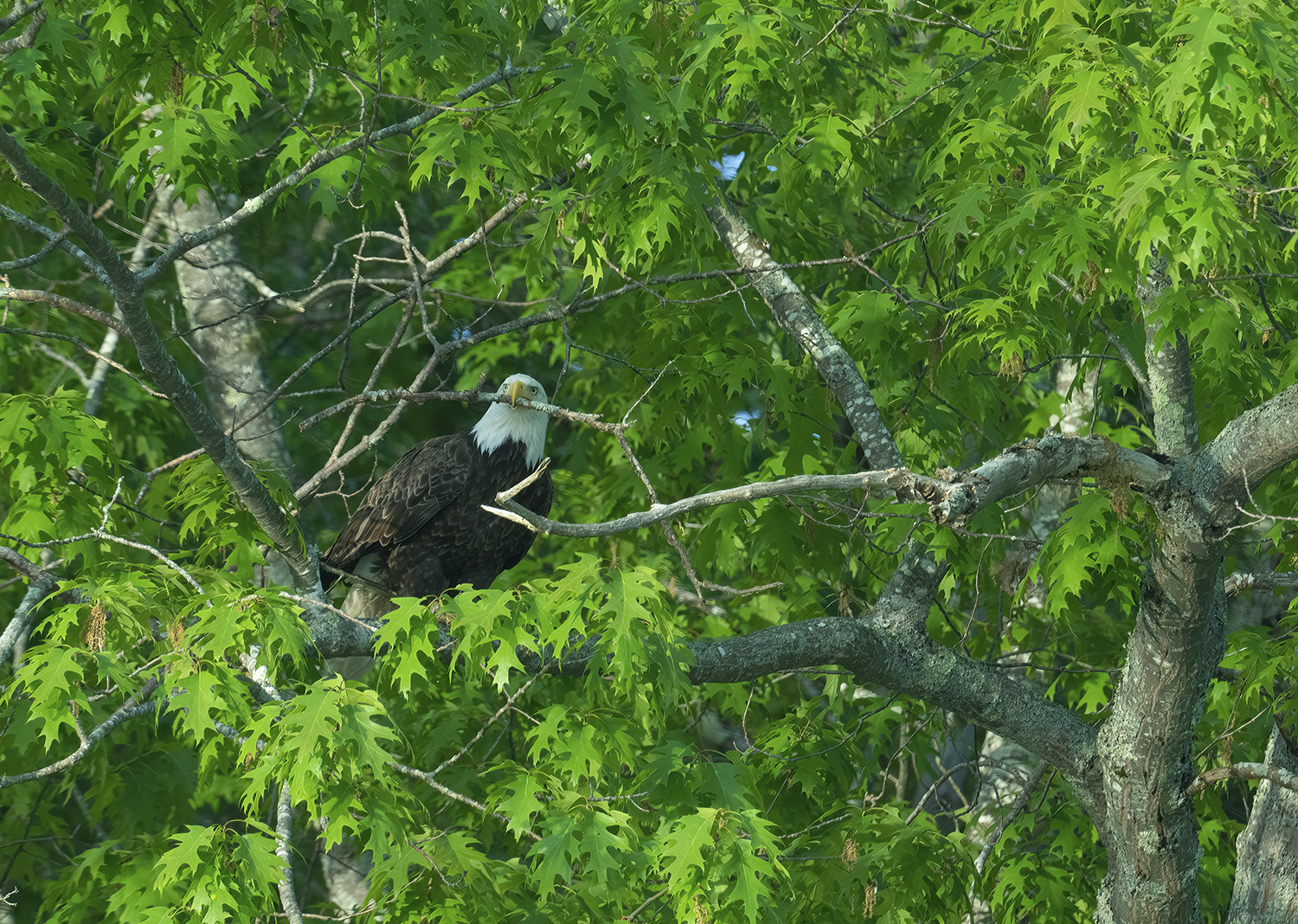
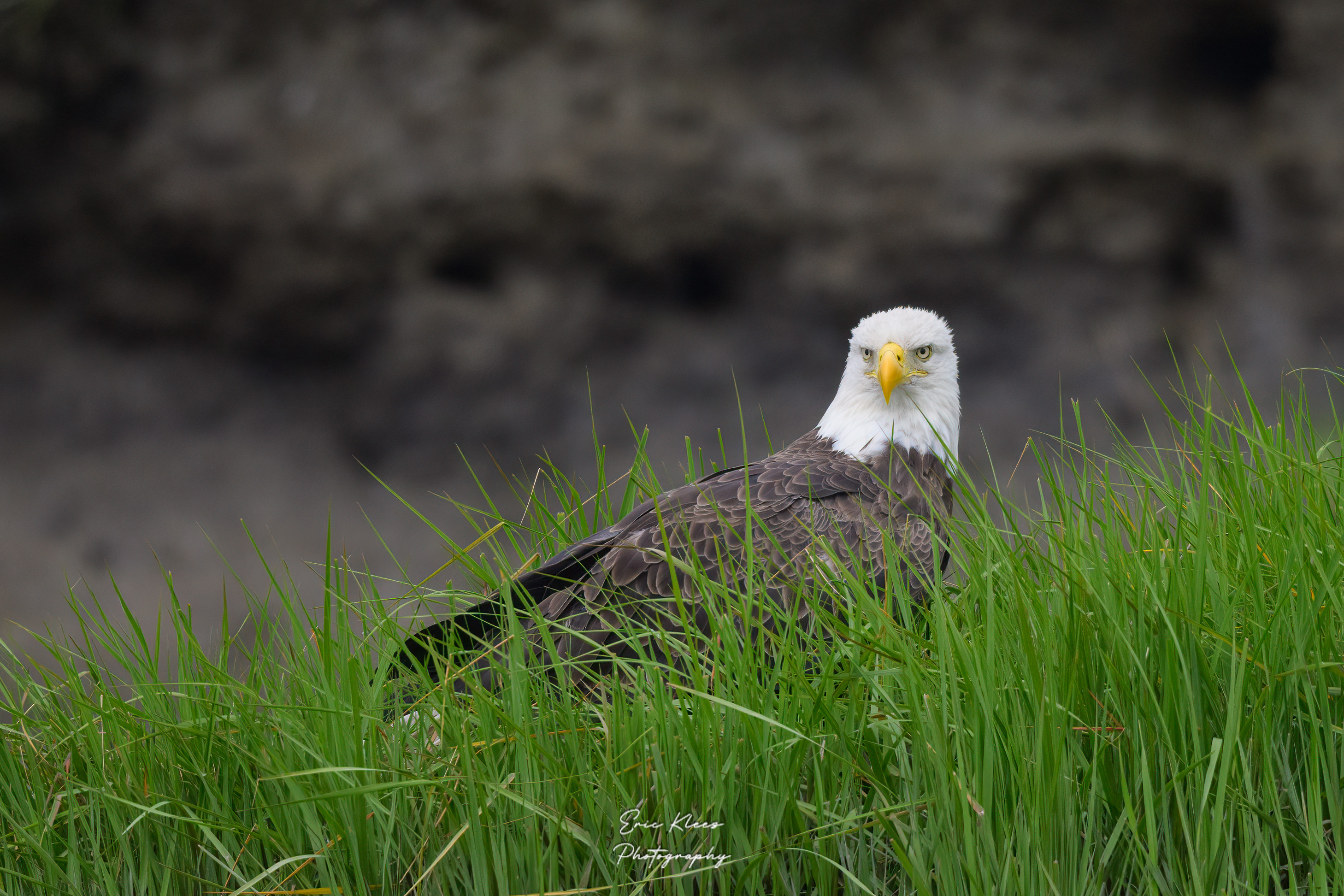
From maybe 1/4 mile distance, I happen to see the eagle's white head as it flew into the hardwood stand. I electric-motored to the area and very slowly positioned the canoe and waited. Once in position, kept the eagle in the viewfinder, hoping to begin the 9 fps burst (slow vs Z9), at the moment it took to flight. Could not have held up my heavier 200-500 that long. No way. Big advantage of the little 500PF.
Wouldn't you know it! The moment after I lowered the camera to briefly rest muscles, after a long period of holding it up, I looked up and the eagle had taken to flight. Doesn't this happen every time?
But everything was preset and the D850 had no trouble re-acquiring (Auto AF) the large bird with no-clutter open sky.
Whenever I go out on the water, I preset things, especially shutter speed *before* getting even near the water and when on the water the first thing I do is put an arm and my head through the sling and then make several test exposures for current lighting conditions.
From this weekend...
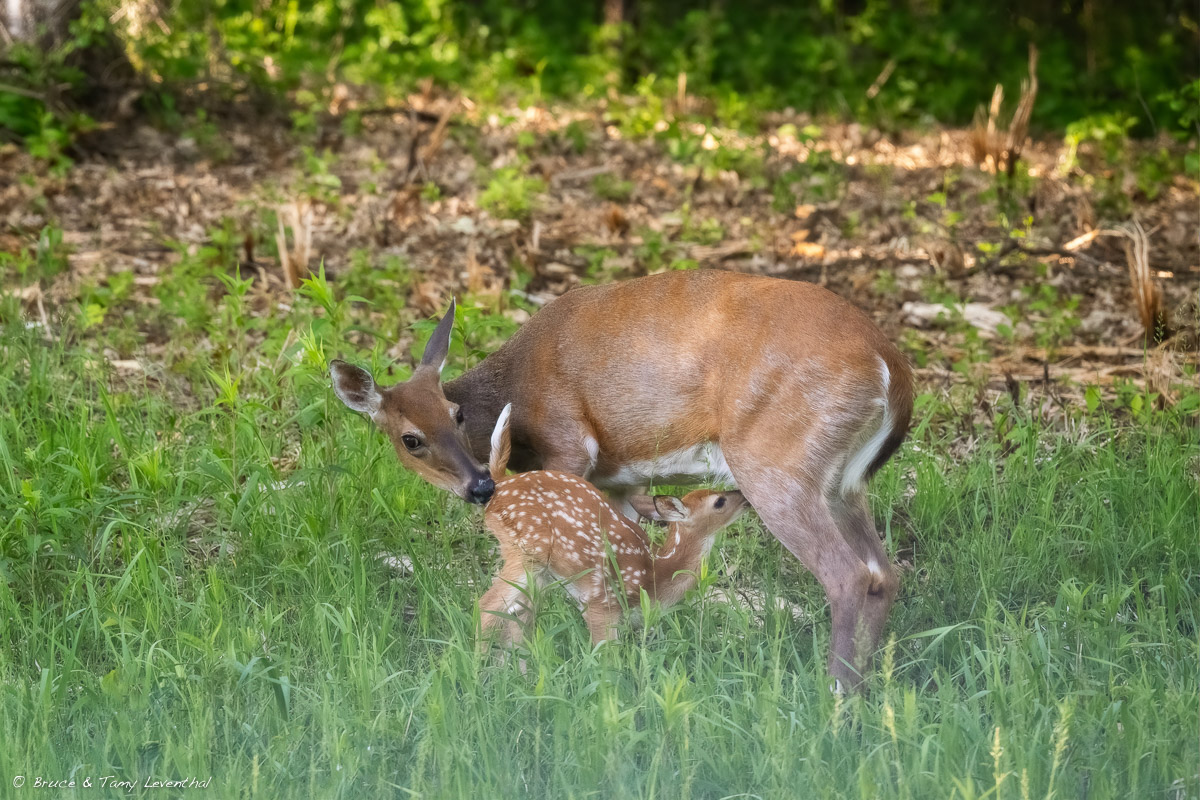
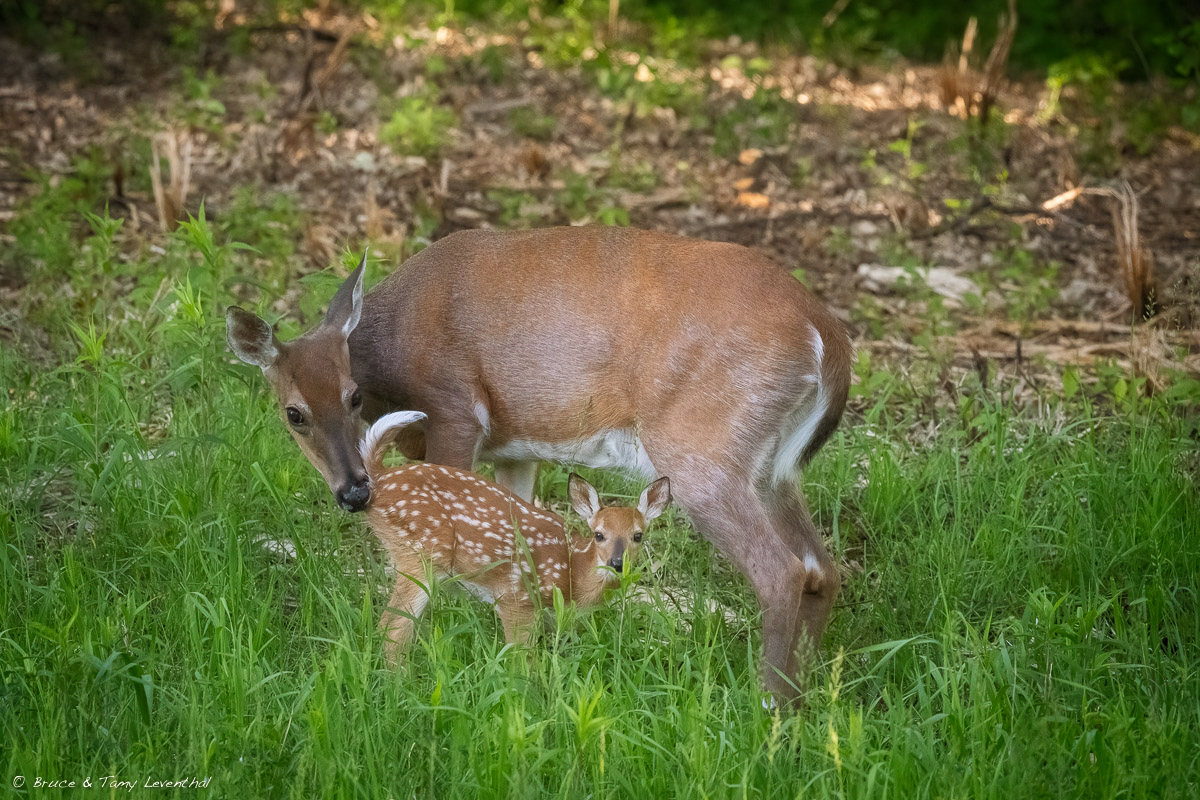
After not seeing a newborn fawn in 30 years of wildlife photography, I managed to experience this sensitive and peaceful moment for the second time in consecutive years.
I do not take events like this lightly, as while they are beautiful. evoke interest and emotion, but they are also precarious for both doe and fawn. A spooked doe will abandon a fawn to save herself. While she will always return, it leaves the baby vulnerable to both terrestrial and aerial predators. As such, the moment the doe can smell or see me, I carefully back out and leave her be.
In a world where photographers crowd bears in national parks, mob owls in trees, and continually revisit fox dens, it is important to remember that no picture is worth harming the subject!
First image shows why I like zooms. I was in the watercraft and unable to change positions. If I was shooting a zoom I would have pulled back to get the entire bird. But, I also agree with Gary (sum1sgranpa): You take what can get at the time. I think that's what you said Gary.
If I go out tomorrow, I'm not leaving my 200-500 at home, though it is much heavier
Robert
late edit: 1st image Topaz deniose in post. 2nd image DXO deep prime
"If all of mankind were to disappear, the world would regenerate back to the rich state of equilibrium that existed ten thousand years ago. If insects were to vanish, the environment would collapse into chaos" - an E.O Wilson quote









 ... appreciate that whimsical attitude/comment Philip.