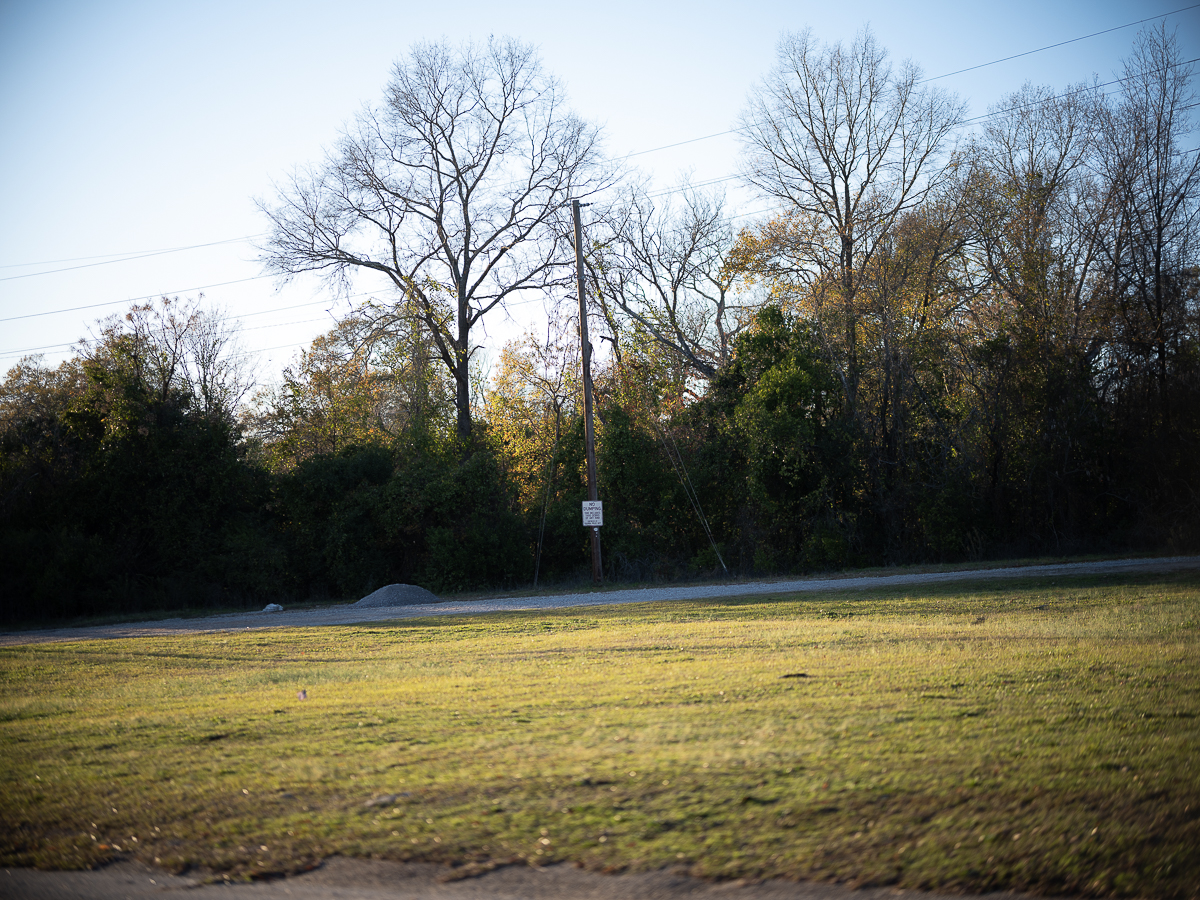
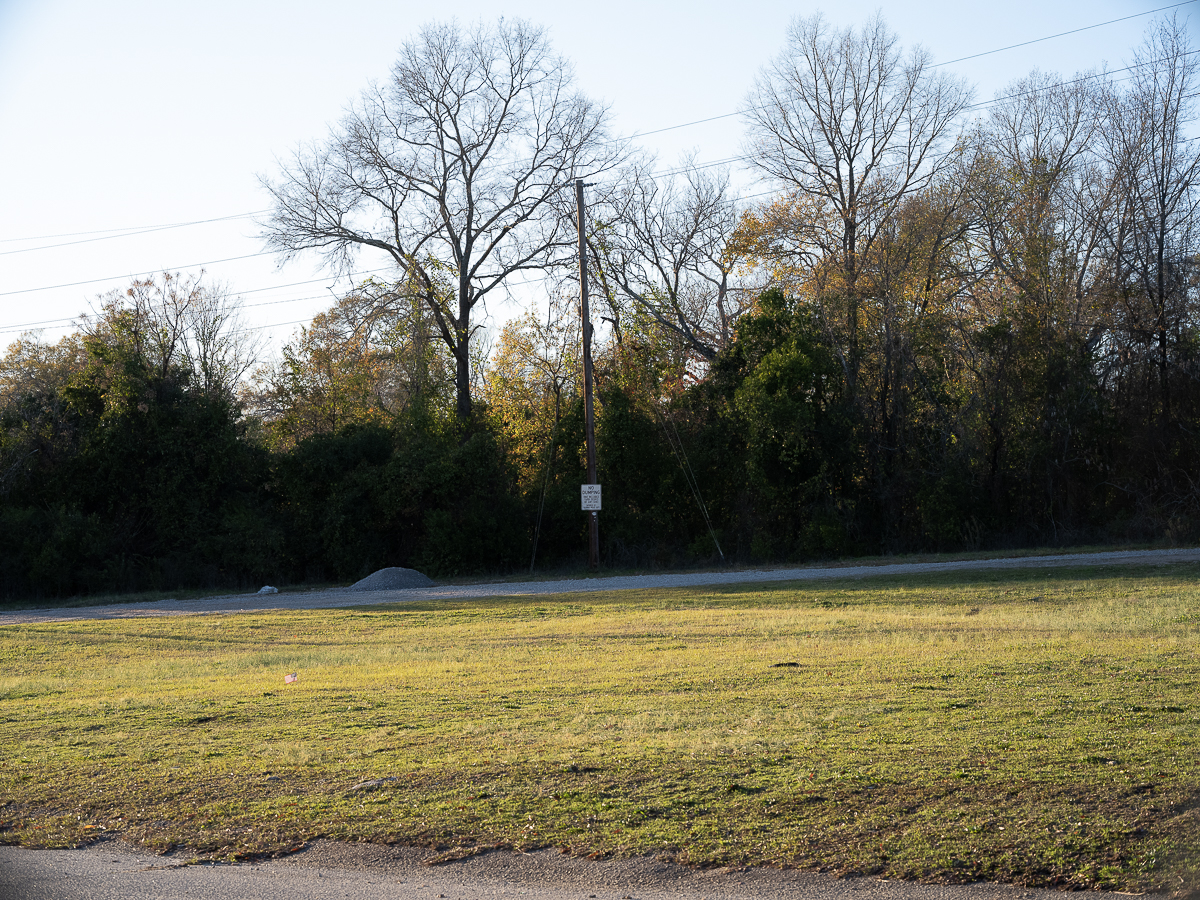
buggz wrote:
Yes, everyone no doubt has different tastes/definitions/standards.
I haven't tested heavily, I guess the best would be a bright day.
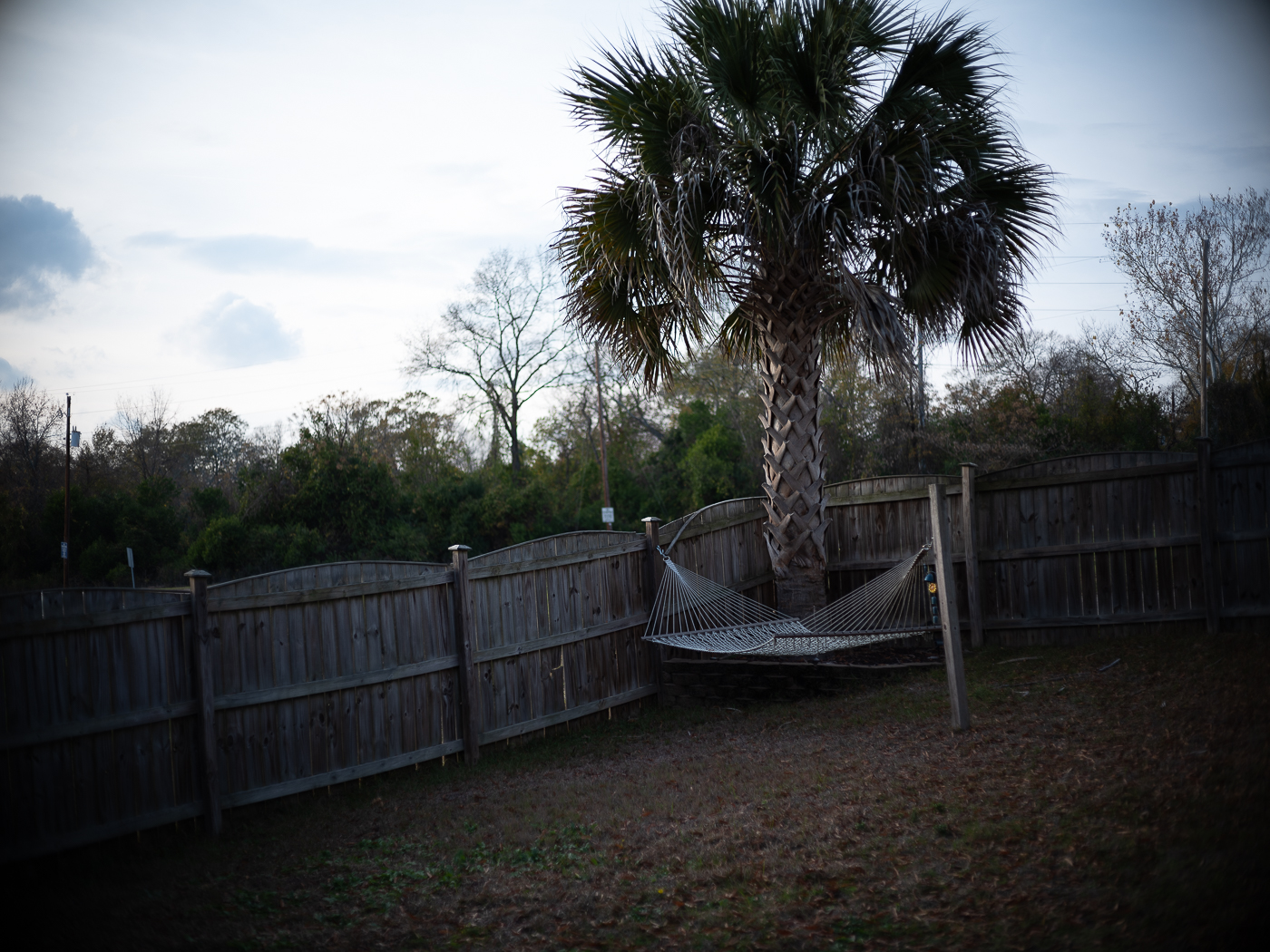
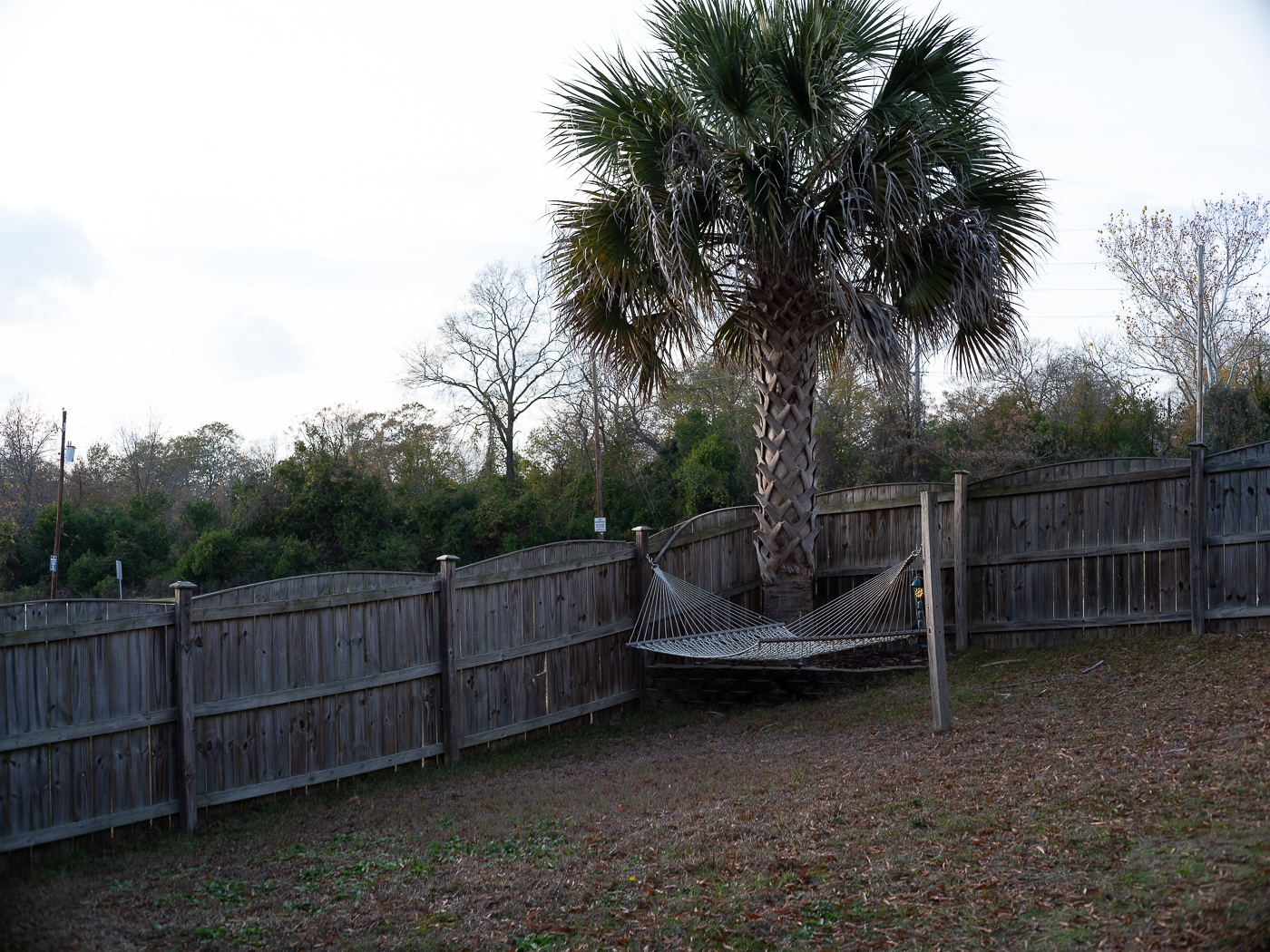
But, a quick play last night, they definitely do not show the vignettes of my other lenses, Minolta SR mounts, CYZ mounts, Canon EOS mounts, Canon FD mounts, etc...
Just now briefly "tested" my old Spiratone 135/1.8 YS mount (T2), no discernible vignette, not noted like the other mounts listed above.
More serious testing is needed for ALL of them, just drilling through them as fast as I can for rough categorization.
Going through all these old lenses is like rediscovering treasure.
I have many left to try, but limited time, today was playing Santa's helper...
One thing that can help for testing for vignetting at medium (i.e., portrait type distances) is just taking a shot of a white wall. You can see the vignetting pattern pretty easily this way.
My go-to vignette test is the bright blue sky when the sun is high. Aim high and use small apertures. If I'm feeling really picky, I'll shoot JPEGs and compare the luminance in the corners. (Mind you if I can't see it by eye and have to measure luminance, that generally means it's fine...)
One caveat: as someone else mentioned already in this thread, every lens has light falloff from the centre to the corner. It's physics. Therefore, it's important not to confuse light falloff (which can be several stops with some lenses) with mechanical vignetting caused by the image circle being too small for the sensor, or something being physically in the light path.
rdeloe wrote:
My go-to vignette test is the bright blue sky when the sun is high. Aim high and use small apertures. If I'm feeling really picky, I'll shoot JPEGs and compare the luminance in the corners. (Mind you if I can't see it by eye and have to measure luminance, that generally means it's fine...)
One caveat: as someone else mentioned already in this thread, every lens has light falloff from the centre to the corner. It's physics. Therefore, it's important not to confuse light falloff (which can be several stops with some lenses) with mechanical vignetting caused by the image circle being too small for the sensor, or something being physically in the light path....Show more →
Vignetting is obviously affected by the focus distance, so whatever check you do should be at the distance you want to use the lens. Anything that is light colored and relatively evenly illuminated across the frame can work well. I think the white wall (if it is evenly illuminated) works well for portrait type distances and a patch of even blue sky (if you have it; sadly I'd don't very often this time of year) can work very well for infinity tests.
Steve Spencer wrote:
Vignetting is obviously affected by the focus distance, so whatever check you do should be at the distance you want to use the lens. Anything that is light colored and relatively evenly illuminated across the frame can work well. I think the white wall (if it is evenly illuminated) works well for portrait type distances and a patch of even blue sky (if you have it; sadly I'd don't very often this time of year) can work very well for infinity tests.
Quite true. But in the same way that you're finding blue skies to be scarce, evenly-lit white walls are a rarity for me. I have some walls with enough empty space to serve the purpose, but I find room light is never even; one side always seems to end up darker than the other.
As an aside, because every adapted lens I'm using sits on some kind of mechanism that allows for shift, I find that testing for vignetting is straightforward. I simply shift until I see mechanical vignetting and then come back until I'm happy with the amount of light falloff. I use this same approach to match screw-on lens shades to different focal lengths and shift distances.
rdeloe wrote:
Quite true. But in the same way that you're finding blue skies to be scarce, evenly-lit white walls are a rarity for me. I have some walls with enough empty space to serve the purpose, but I find room light is never even; one side always seems to end up darker than the other.
As an aside, because every adapted lens I'm using sits on some kind of mechanism that allows for shift, I find that testing for vignetting is straightforward. I simply shift until I see mechanical vignetting and then come back until I'm happy with the amount of light falloff. I use this same approach to match screw-on lens shades to different focal lengths and shift distances. ...Show more →
Very cool you have adapted lenses on adapters that allow for shift. That does help define the vignetting pattern. By the way, I see you are in Guelph. I lived in that area for almost ten years (almost 5 in the city itself and almost 5 in Elora), you do get better winter light out there than we tend to get in Toronto. If you were ever interested, we could think about meeting up sometime to shoot. Cheers.
Canon EF 50/1.8: wide open, really just good for portraits and close up stuff. Good food/beer picture lens. Even at f/8, wouldn't be using this for landscapes.
I haven't posted any images in a long time, so I'll start out with one from last summer. For those who followed my previous "health saga", after innumerable tests there's still no definite answer, but the neurologist says that the "stroke" that I had in late September isn't showing up in tests for strokes, and they're still thinking it's a type of encephalitis, perhaps one of many rare tick-borne varieties that didn't show up as part of the usual tests. Anyway, the good news is that I'm feeling much better and trying to get back to a normal routine.
Pink coneflowers at Beutter Park, Mishawaka, Indiana. GFX 50S with Trioplan 100/2.8, which covers nearly the entire sensor very well. Its rendering is lovely with coneflowers petals, IMO.
DannyBurkPhoto wrote:
I haven't posted any images in a long time, so I'll start out with one from last summer. For those who followed my previous "health saga", after innumerable tests there's still no definite answer, but the neurologist says that the "stroke" that I had in late September isn't showing up in tests for strokes, and they're still thinking it's a type of encephalitis, perhaps one of many rare tick-borne varieties that didn't show up as part of the usual tests. Anyway, the good news is that I'm feeling much better and trying to get back to a normal routine.
Pink coneflowers at Beutter Park, Mishawaka, Indiana. GFX 50S with Trioplan 100/2.8, which covers nearly the entire sensor very well. Its rendering is lovely with coneflowers petals, IMO. ...Show more →
Wonderful rendering and shot. Really glad to see you're back
PS. Don't forget about that Contax 50 1.4 C/Y that's just waiting for you to use it for some test shots
highdesertmesa wrote:
Wonderful rendering and shot. Really glad to see you're back
PS. Don't forget about that Contax 50 1.4 C/Y that's just waiting for you to use it for some test shots
Thanks and thanks!
Yeah, I know - it's still sitting here waiting. Hopefully I can try it at the greenhouse before long. I can't drive till the end of March because I had a seizure in the ER, so it puts a damper on most of the stuff I'd like to do...hence puttering around the house and working on the butterfly wing abstract project in the meantime.
Minolta SR lenses with Fotodiox adapter on the GFX100, not 35mm mode:
Vivitar 17mm f/3.5 -- hard vignette
Minolta MD 24-35 f/4 -- hard (but varied) vignette at all focal lengths
Minolta MD 50-135 f/3.5 -- hard vignette at all focal lengths
Minolta MD 100-300 f/5.6 -- as above
Minolta MD 50mm 1.2 -- slight, but hard vignette
Minolta MC 100mm 2.5 -- no vignette
Minolta MC 250mm mirror 5.6 -- no vignette
Betacamman wrote:
If you've got some old Minolta/Sony A-mount lenses, I can make these reports with Fotodiox adapter on the 50r, not in 35mm mode:
Minolta 85mm 1.4 (original) -- very slight vignetting wide open
Minolta 500mm 8.0 mirror -- some vignetting
Konica/Minolta 17-35mm f/2.8-4 -- vignetting from 17 to 28, none from 28 to 35
Sigma 50mm 1.4 non-Art -- some vignetting
Minolta 100-300 4.5-5.6 APO -- vignettes at ends, but no vignette between about 135 and 225mm
Minolta 28-135 4-4.5 -- vignettes in various ways at all focal lengths
Minolta 50mm 1.7 -- some vignetting
A few EF-mount lenses with the Kipon EF-GFX AF adapter:
Canon 50mm 1.2L -- some vignetting, AF fine if somewhat slow
Sigma 150mm 2.8 OS macro -- no vignetting, but unless the subject is high contrast, AF is chittery and often not accurate (in three shots of same subject, it will get the focus right once). OS does work.
Sigma 120-300 2.8 (first version) -- no vignetting, AF often OK at 120, but gets less accurate as you zoom to 300
Canon 135mm 2.8 Soft Focus -- no vignetting, but absolutely refuses to AF accurately
Still waiting on my Minolta MD -GFX adapter to play with my manual focus lenses....Show more →
sirimiri wrote:
The Summicron-R 50 has corners that aren't acceptably sharp at f/8, and a notable vignette. It's a completely usable lens on the GFX but not outstanding, unlike most GFX lenses.
Do you have any sample photos shot at infinity? Thanks!
Scho wrote:
I have a Summicron-R 50 in a leitax mount for Canon EF that I've used on the GFX 50R via a Kipon AF adapter. No problems with vignetting or sharpness and makes a nice MF lens for walkabout shooting.
Do you have any sample photos shot at infinity? Thanks!
I just got my Fuji GFX 100 yesterday and today an adapter arrived that I ordered to try out a Leica R 180/2.8 apo lens on the Fuji. I compared it at infinity against the Fuji 100-200. I tested the Fuji for centering and it seems well centered and I thought it was a pretty sharp lens--not quite up to the 110, but pretty darn close so I figure I got a good copy of the lens. Is it much better at 100 than 200? I ask because the Leica was much better at all apertures--even from wide open at F2.8. There was no significant vignetting (no more than on full frame from what I can tell). I have the Leica up for sale and I am beginning to wonder if I should not withdraw it. I only ran one test, but am happy to post crops if folks are interested.
Edit: Ran a second test and the Leica still was better, but the difference was smaller. Perhaps there was a focus issue the first time. It was still a very fine showing and nice to have a longish F2.8 lens option.
I've been playing around with the Olympus OM 28/2 lately. It doesn't cover the full sensor, but it's pretty alright at 16:9 and 7:6 with very gradual and nice vignetting that I don't even always correct. Surprisingly it's much better than the OM 28/3.5 that has a more abrupt vignetting at all apertures. The 28/2 is usable from f/4 if you want decent sharpness over the aformentioned aspect ratios.
Here's one at 16:9, which means a sensor area of 25x44 mm. Shot at f/11 and only very minor vignetting correction. Not bad! I've always loved the colors I got from this lens on the Sony cameras, and it's even better on the GFX.
Makten wrote:
However, my wide angle needs are not such that I must have the best possible image quality. Then I would just buy the GF 23/4 and crop. It's more just having a decent wide that doesn't vignette or smear the corners as bad as every 24x36 non-shift lens do. Now I'm using an Olympus OM 28/2 that works pretty damn well up to 16:9 format on the GFX, which means 25x44 mm sensor size! That's amazing for such a small lens and the Schneider PC must be a lot better.
Here's the OM28/2 @ f/11 and 25x44 mm...
I do love those OM lenses! I built a whole tilt-shift system using Olympus OM lenses on a Fuji X-T2. I've since moved on to a tilt-shift setup I built for the GFX 50R, but I still have most of the OM lenses I used.
In building out my system, I tried one copy of OM 28/2, but found it to be totally unacceptable as a shift lens. So I'm surprised (and pleased for you) that your copy works well. I actually thought there might be something wrong with the OM 28/2 I tried; it has a very good reputation and should have done better. Your test supports the conclusion that I had a dud.
Your post inspired me to quickly try some of my OM lenses on my GFX 50R, using my Toyo VX23D outfit, to see where they vignette. I tested at f/11 at just over 1 metre to the subject.
* OM 24/2.8 vignettes hard, but using a 4:3 crop leaves you with a usable image of roughly 5,200 x 6,931 pixels.
* OM 35/2.8 is interesting. It doesn't vignette hard over the sensor area (just a bit of darkening in the corners). However, the usable area isn't bigger than OM 24/2.8. Outside of the roughly 5,200 x 6,931 pixel area the image is a blurry mess.
* OM 50/2 is a really nice and well regarded lens in the Olympus lineup. It vignettes hard, but not as far in the frame as OM 24/2.8. A 4:3 crop of 7,400 x 5,550 pixels looked to have even illumination. From my testing of OM 50/1.4, I know that the faster 50 has a slightly larger image circle and will give a larger usable area.
* OM 90/2 is another star in the Olympus OM lineup. It covers the whole GFX 50R sensor with no vignetting at all that I could see.
I have to be careful about offering conclusions about image quality because my test setup wasn't ideal. However, just judging by the centre of each image, where I'm more confident that the lenses were at their best, I wouldn't run out and buy an OM to GFX adapter to use these lenses (with the possible exception of OM 90/2, but I have good choices at that focal length already). I have better alternatives for everything up to 35mm. After that I don't have any lenses that work (but I find 35mm on the GFX sensor is almost wide enough for me, so I can live with this gap).


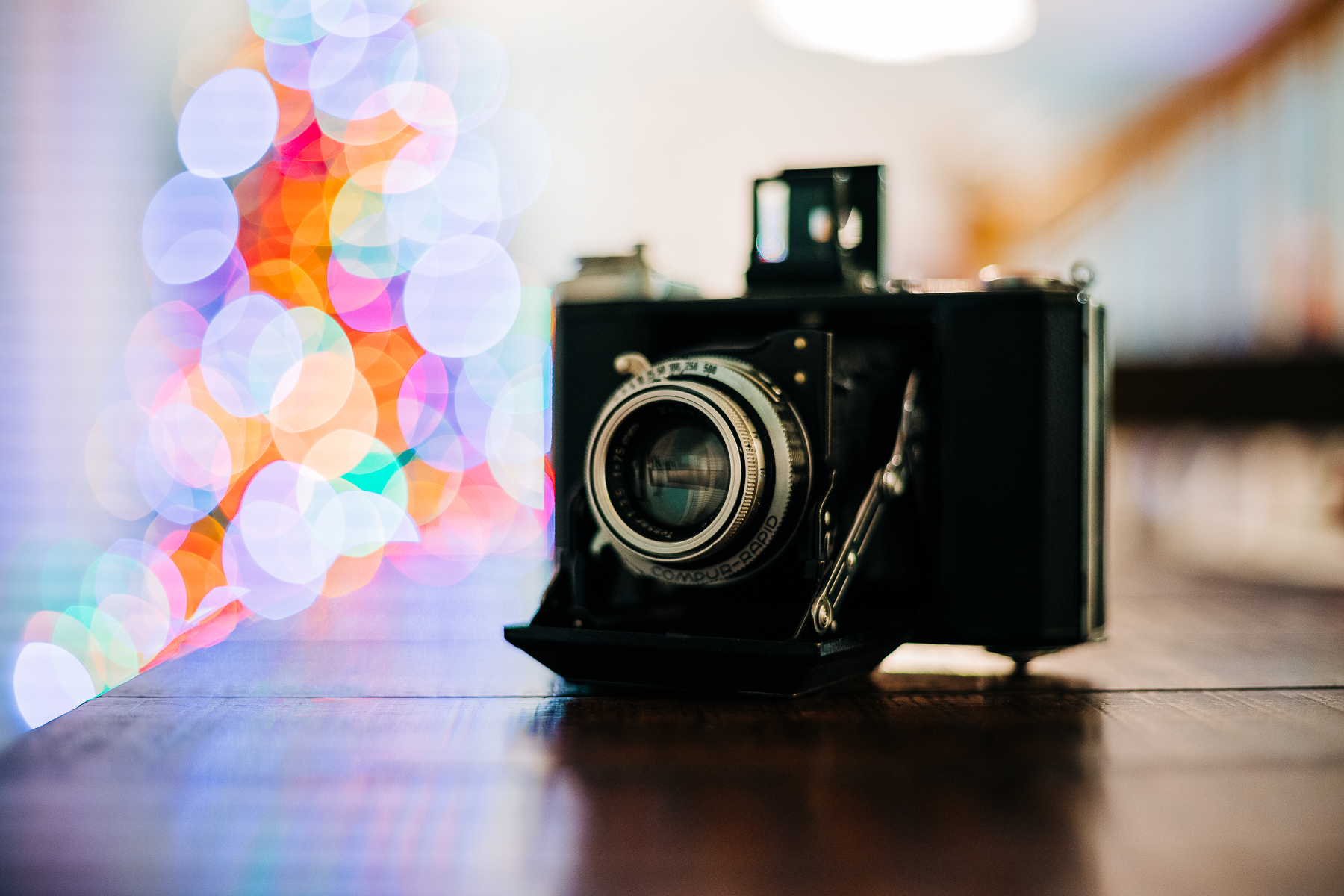
 Even at f/8, wouldn't be using this for landscapes.