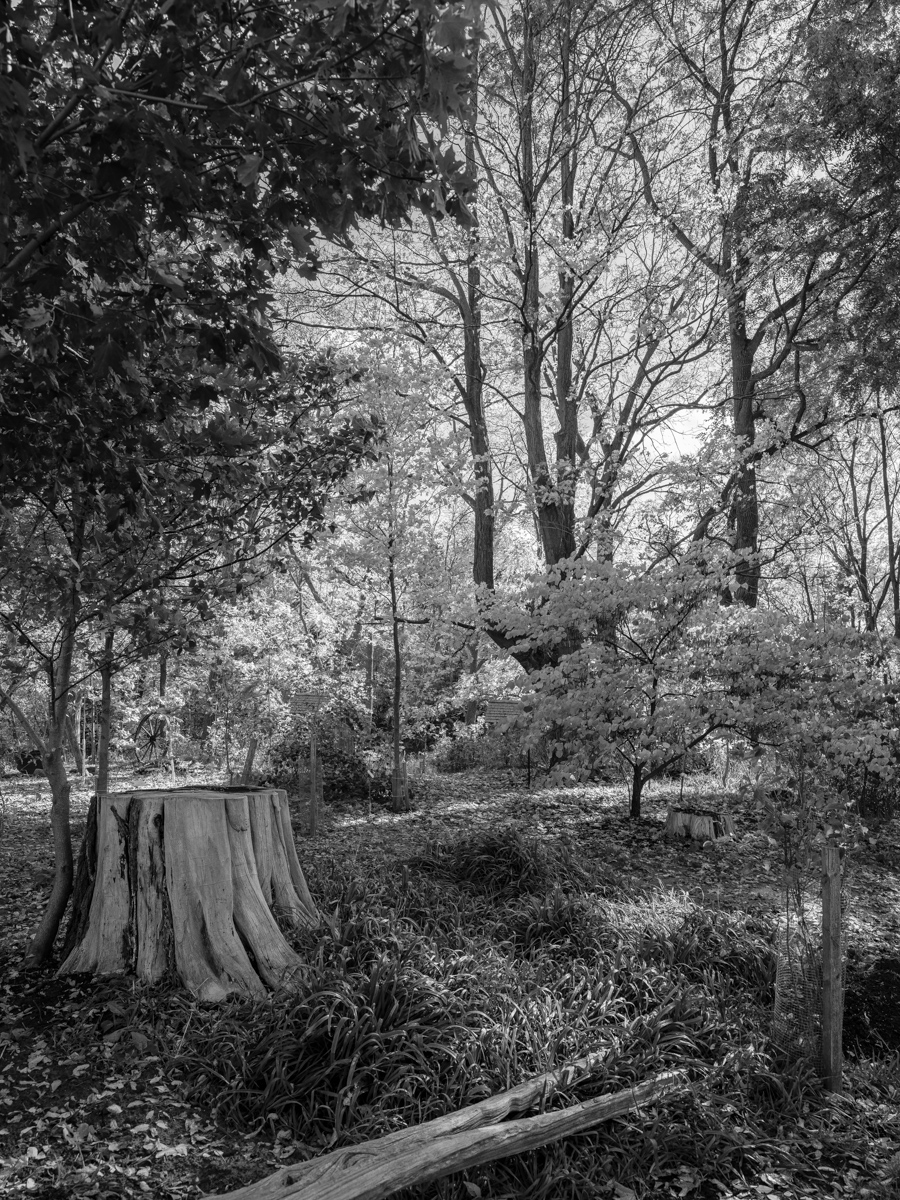
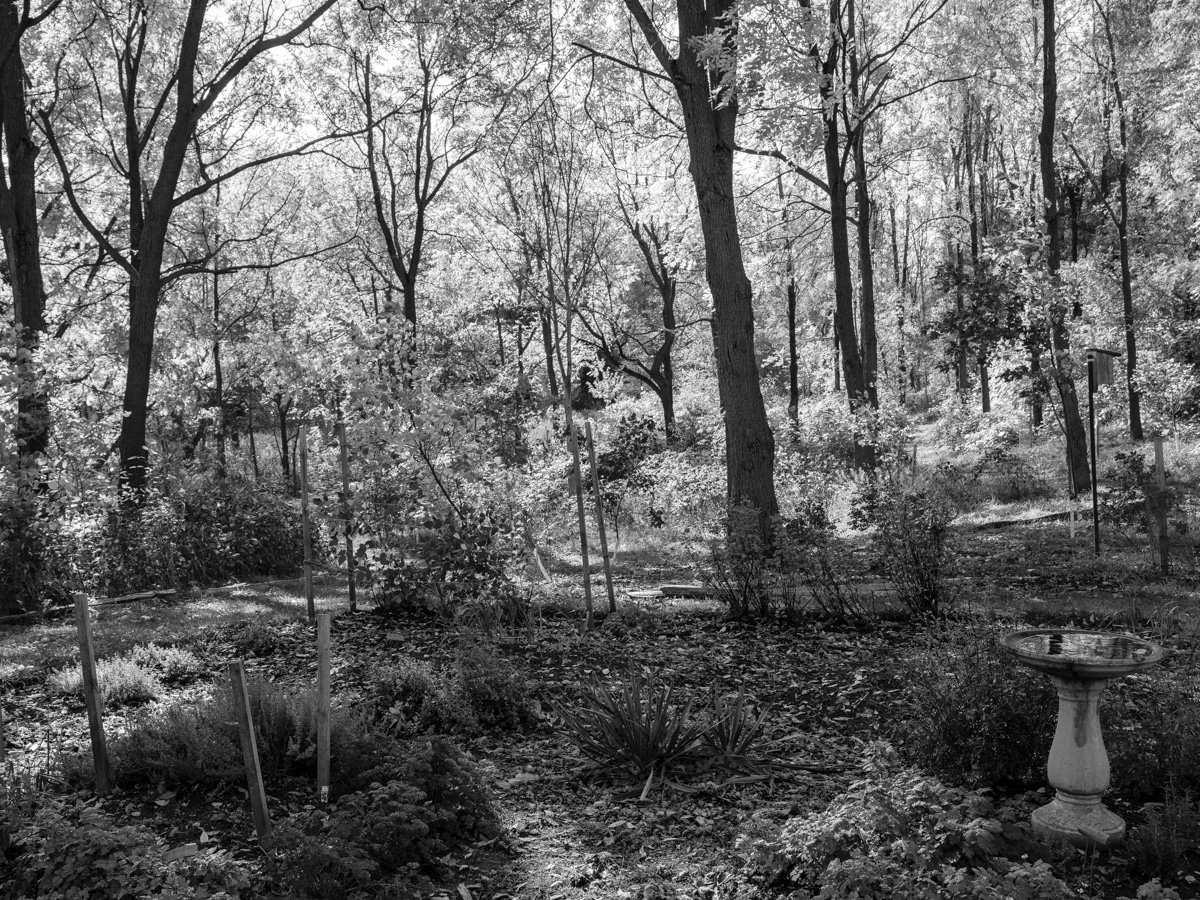
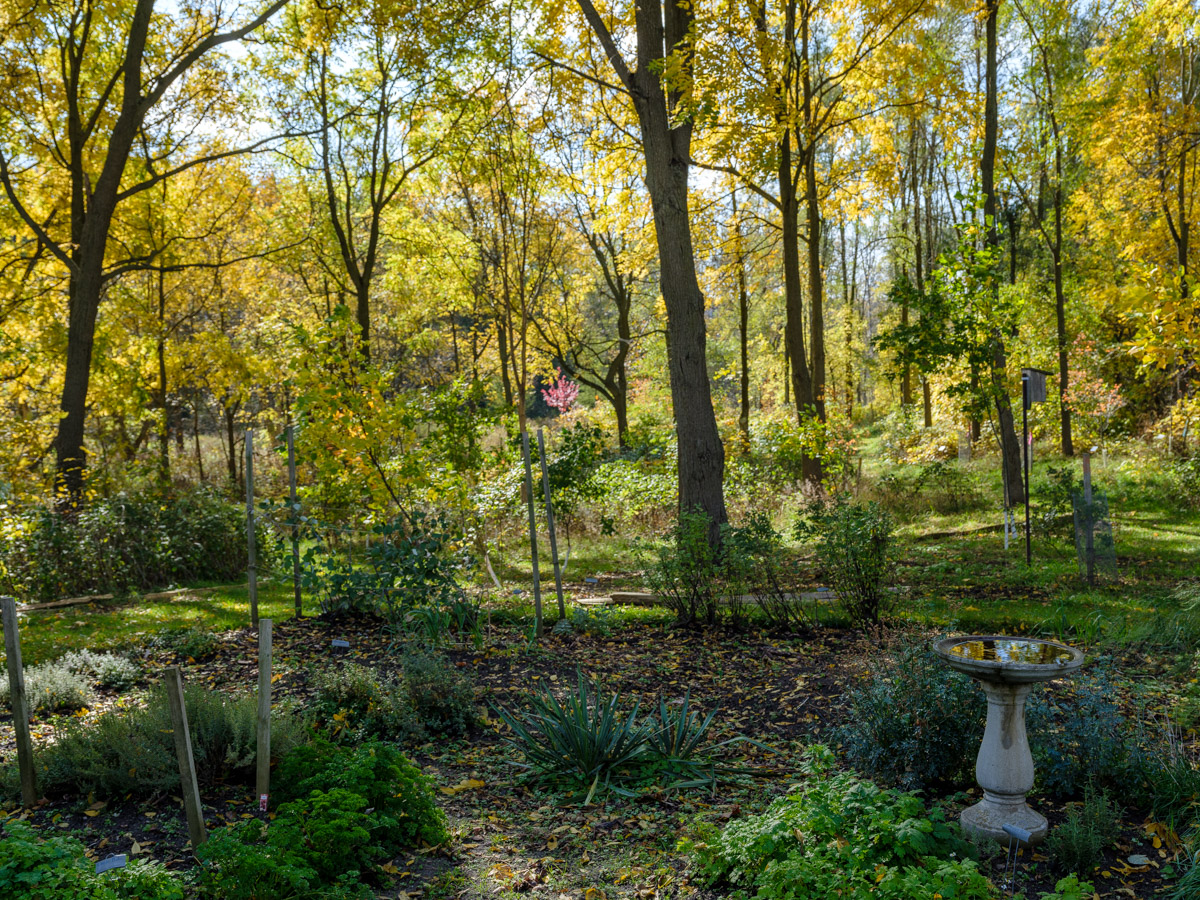
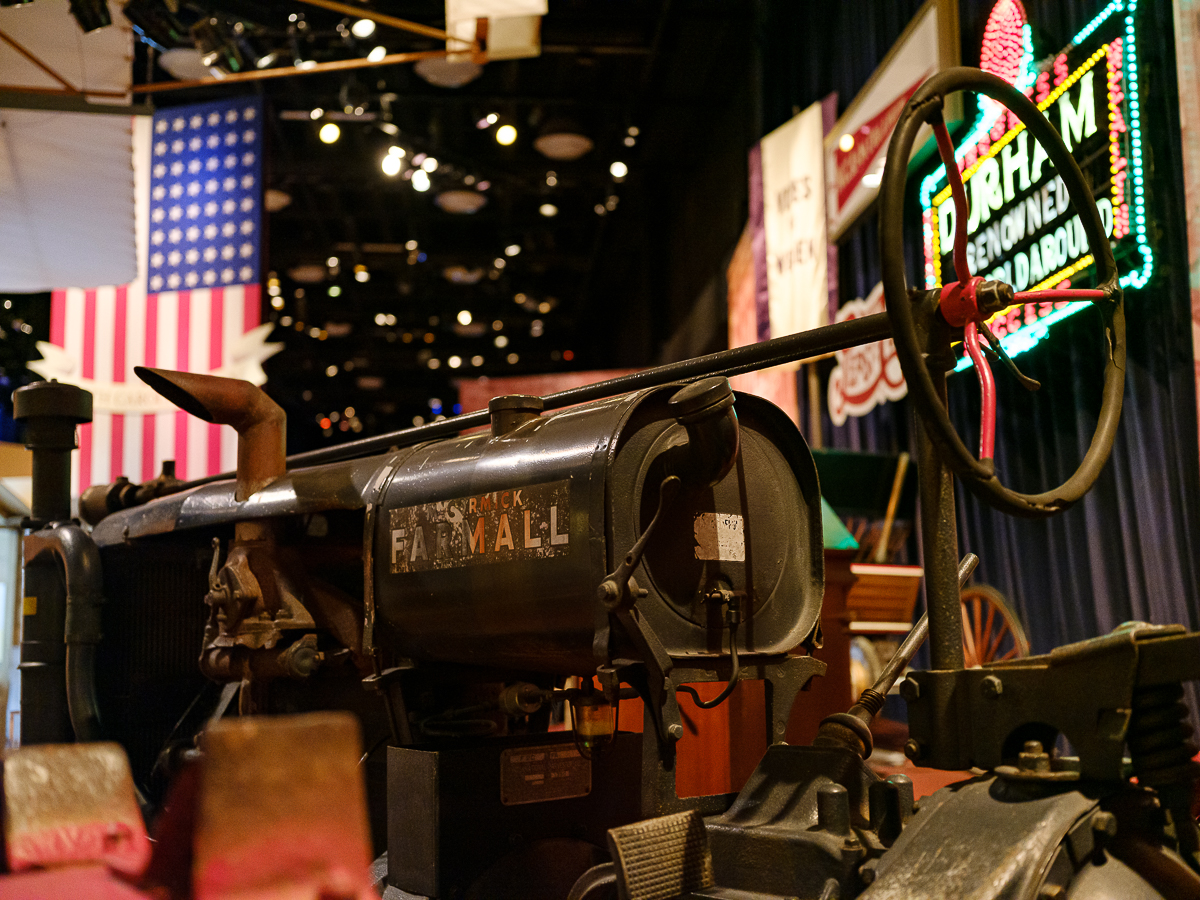
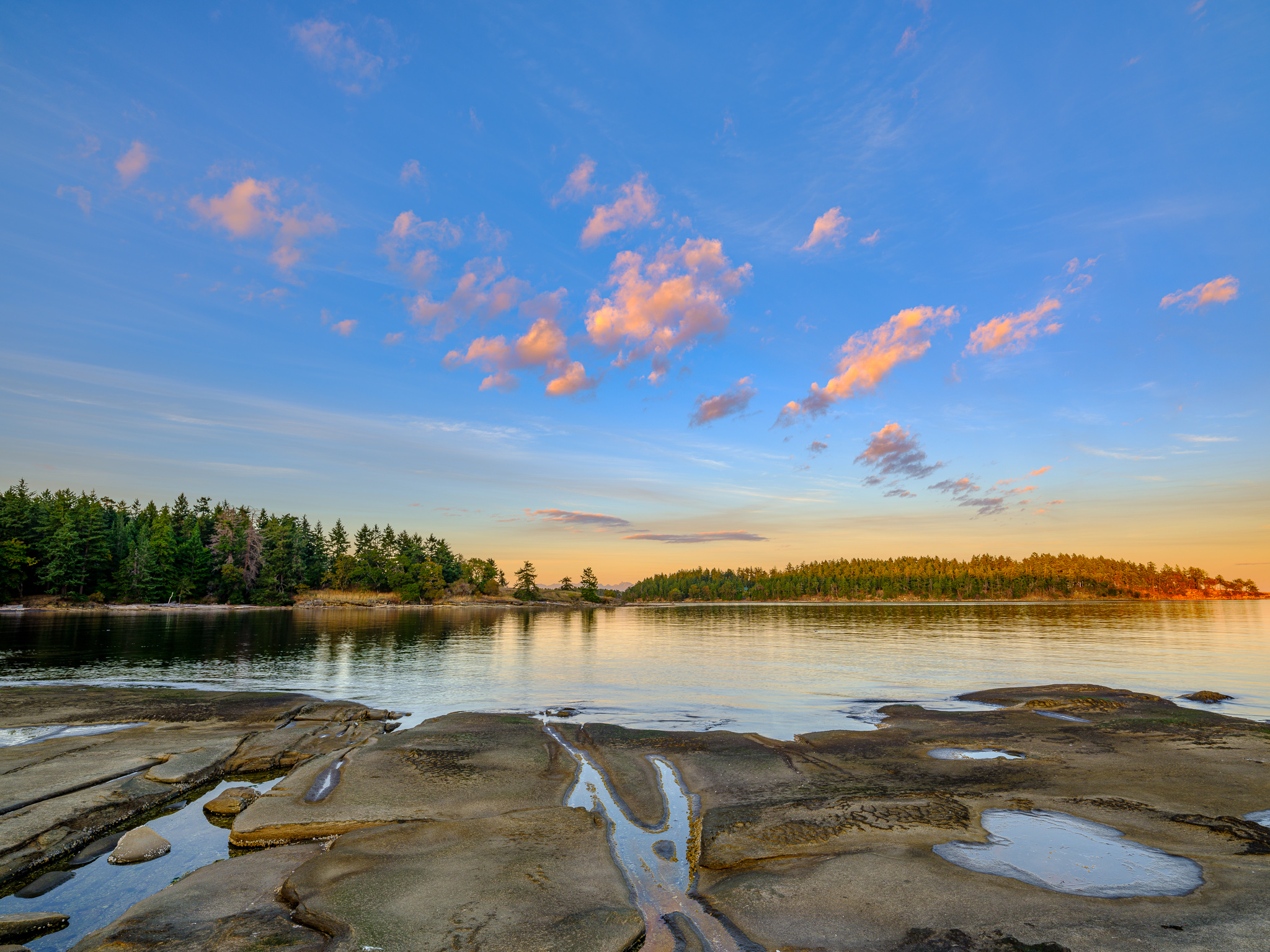
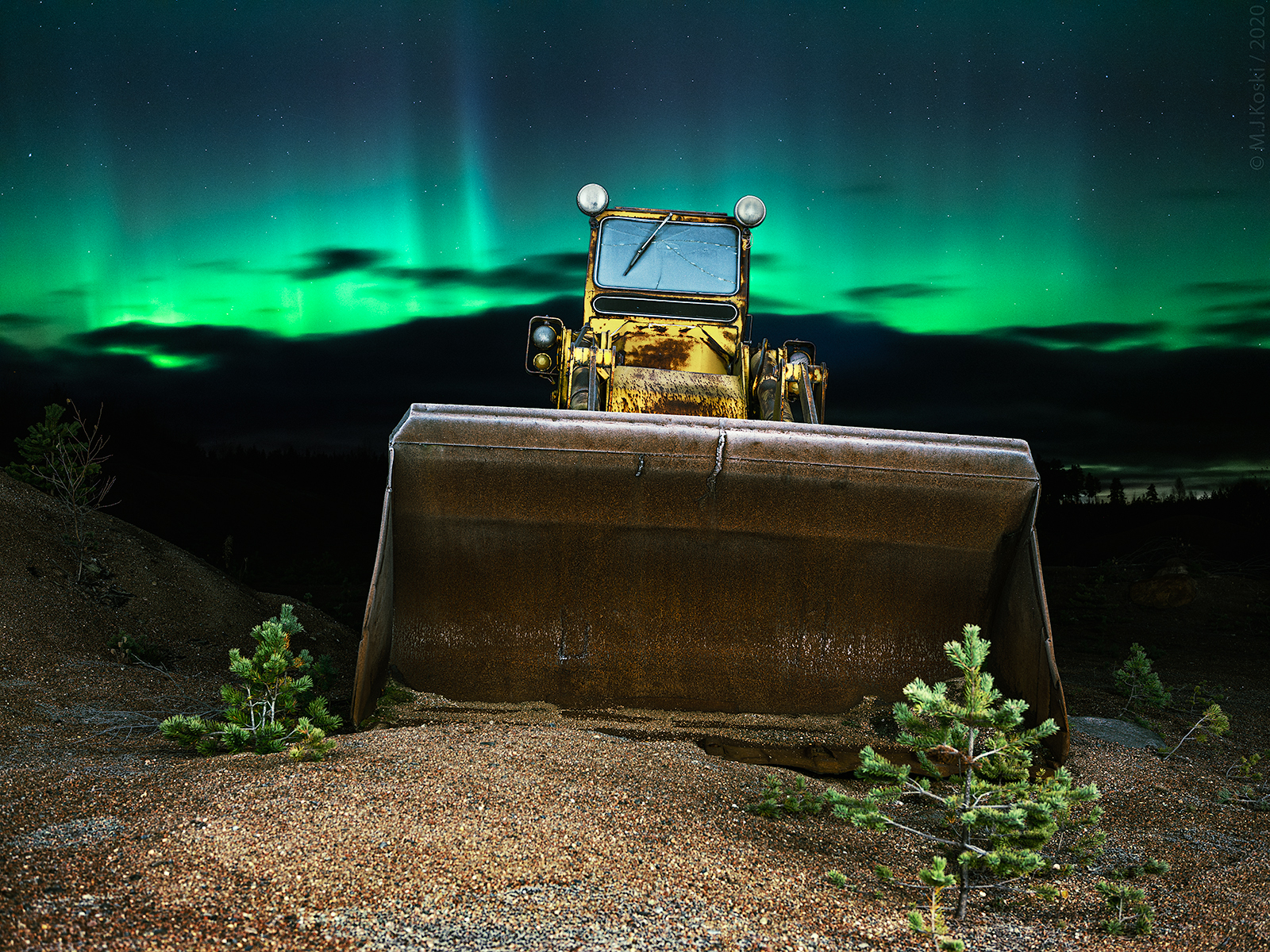
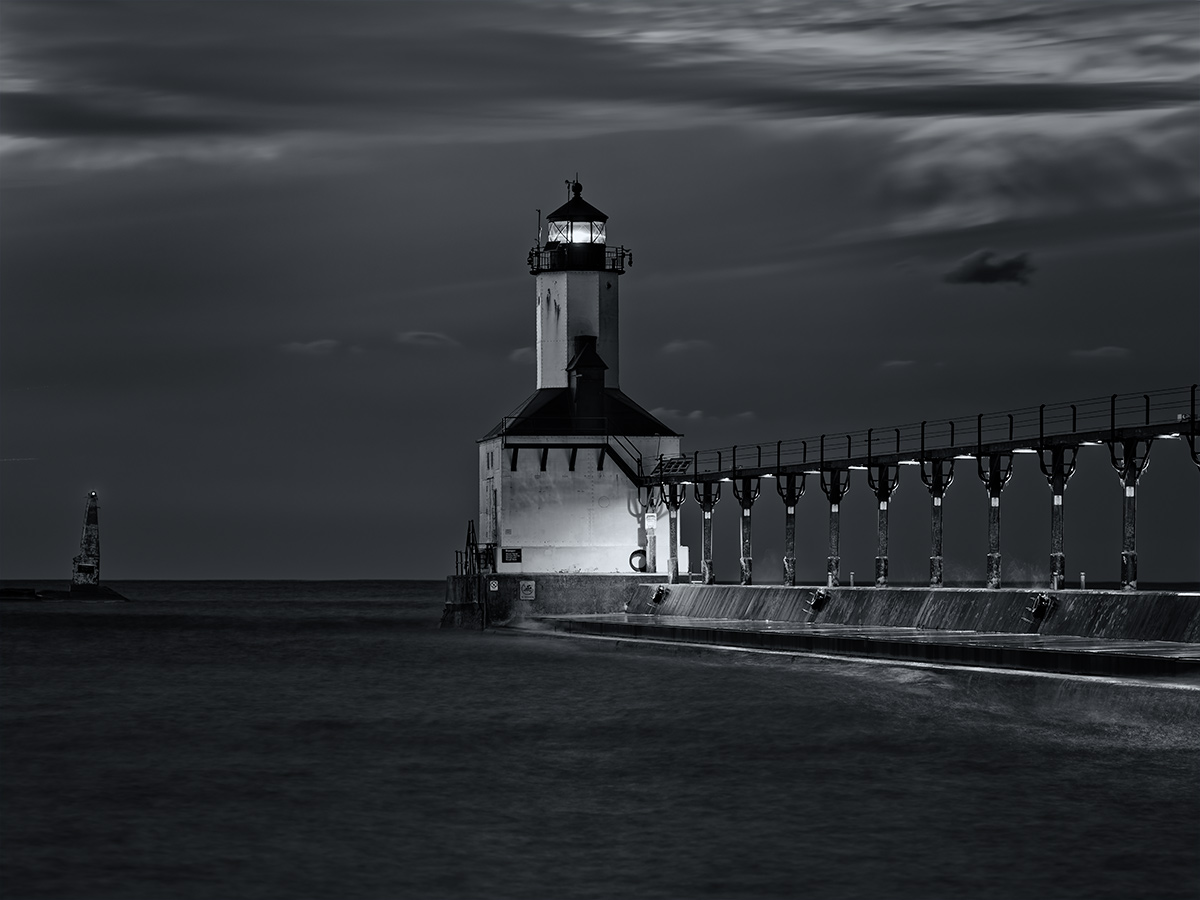
For some reason, can't quote your response. Anyways, I like the first one. How does Helicon Focus handle movements, like leaves etc.
For me tilt/shift is useful when shooting food etc. At least Canon 90mm f2.8 TSE works good. I have the older one which doens't allow tilt/shift in the same axis. Maybe I upgrade to the newer 90mm some day.
Hi folks. My first post in this thread. I am currently putting a used GFX 50R through its paces.
Currently have one native GF, the 50mm f/3.5 R and am really impressed. I have a Nikon F to GFX adapter and am pleased using the Nikkor Noct 58mm f/1.2 Ais and longer Nikkor fast primes. They seem to cover the medium format sensor quite well. I am also really pleased with the PC Nikkor 28mm f/3.5 for wide shots and actually able to apply shift/rise more than expected before corner vignette becomes an issue.
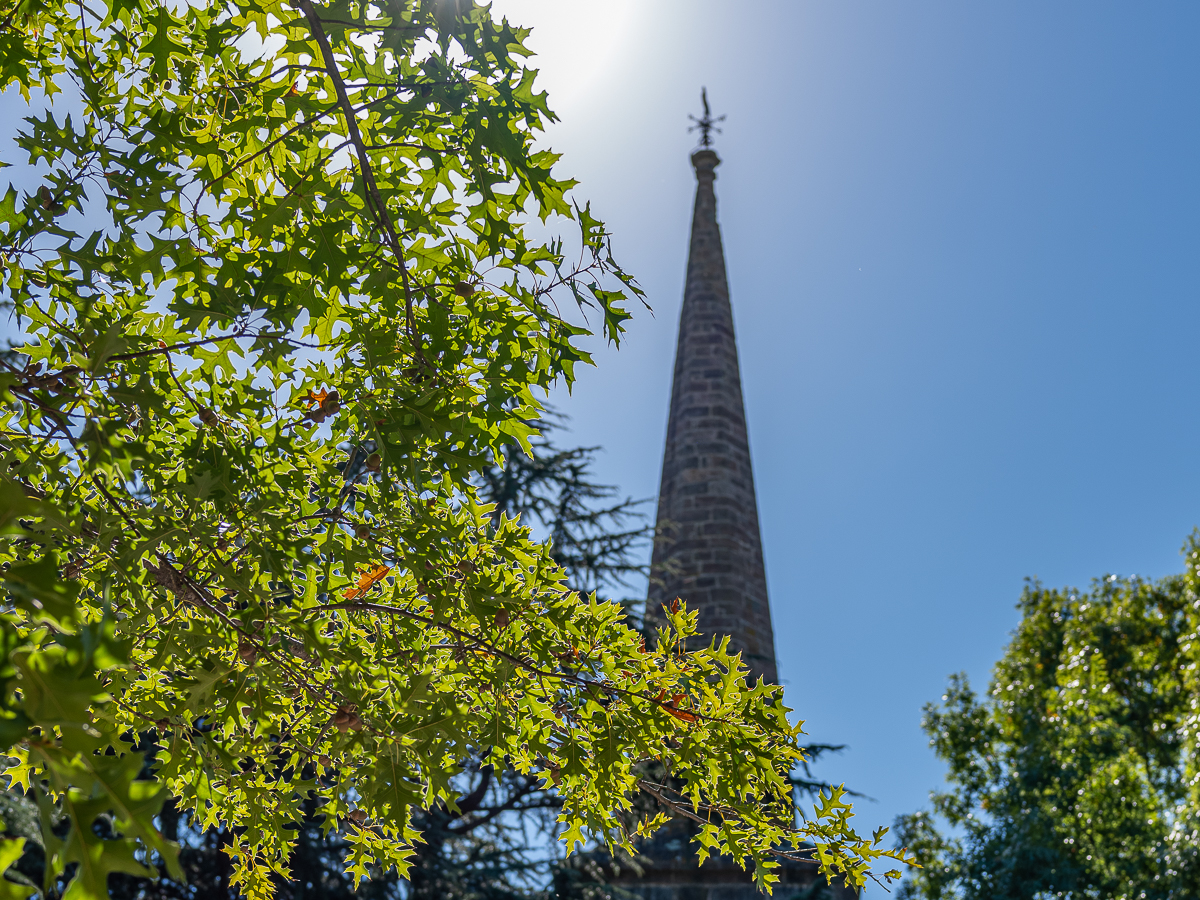
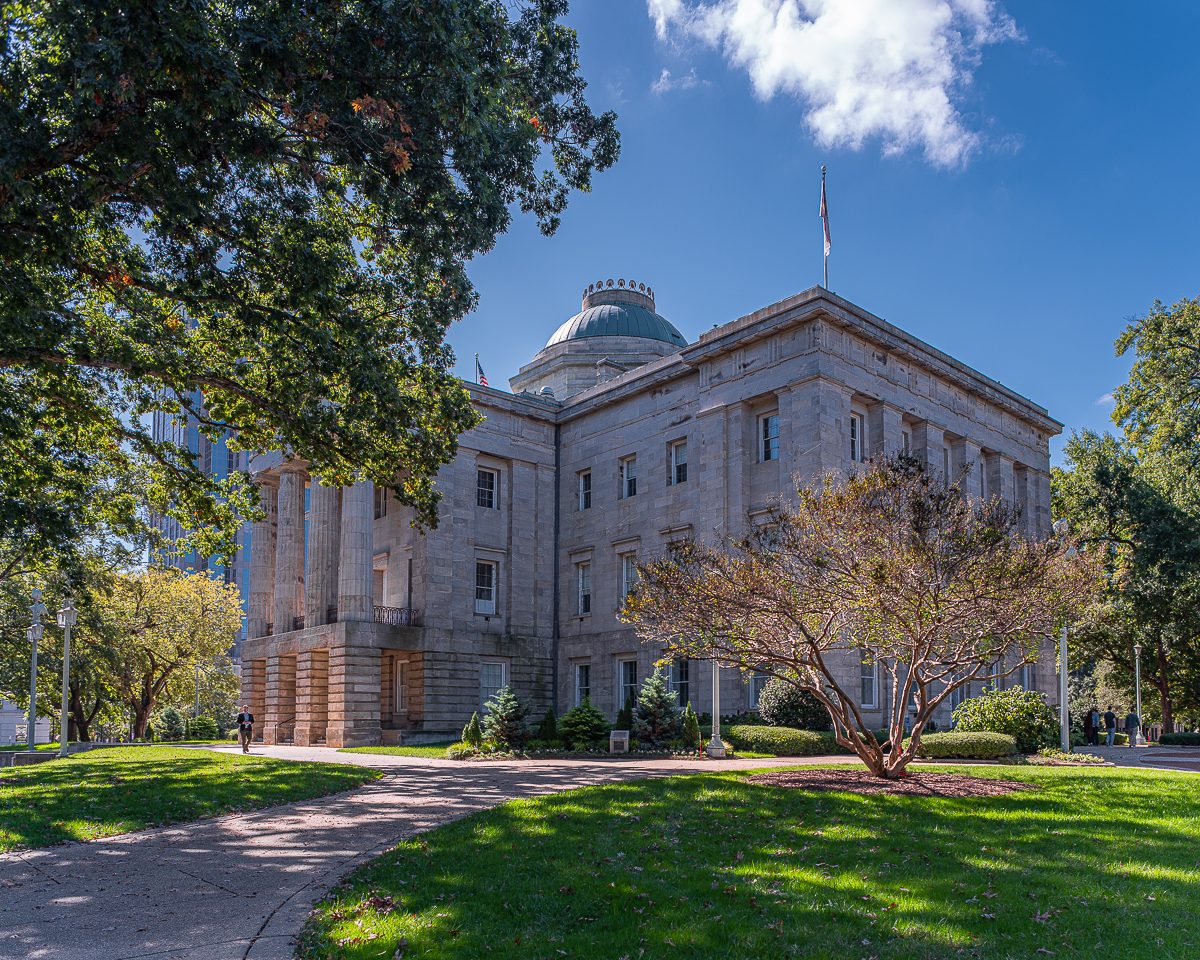
I really like the low light capability, ability to lift shadows and the great Fuji colors with this sensor. The first two shots posted below are with the GF 50mm showing ISO8000 performance in the first and shadow recovery from shooting in harsh lighting in the second.
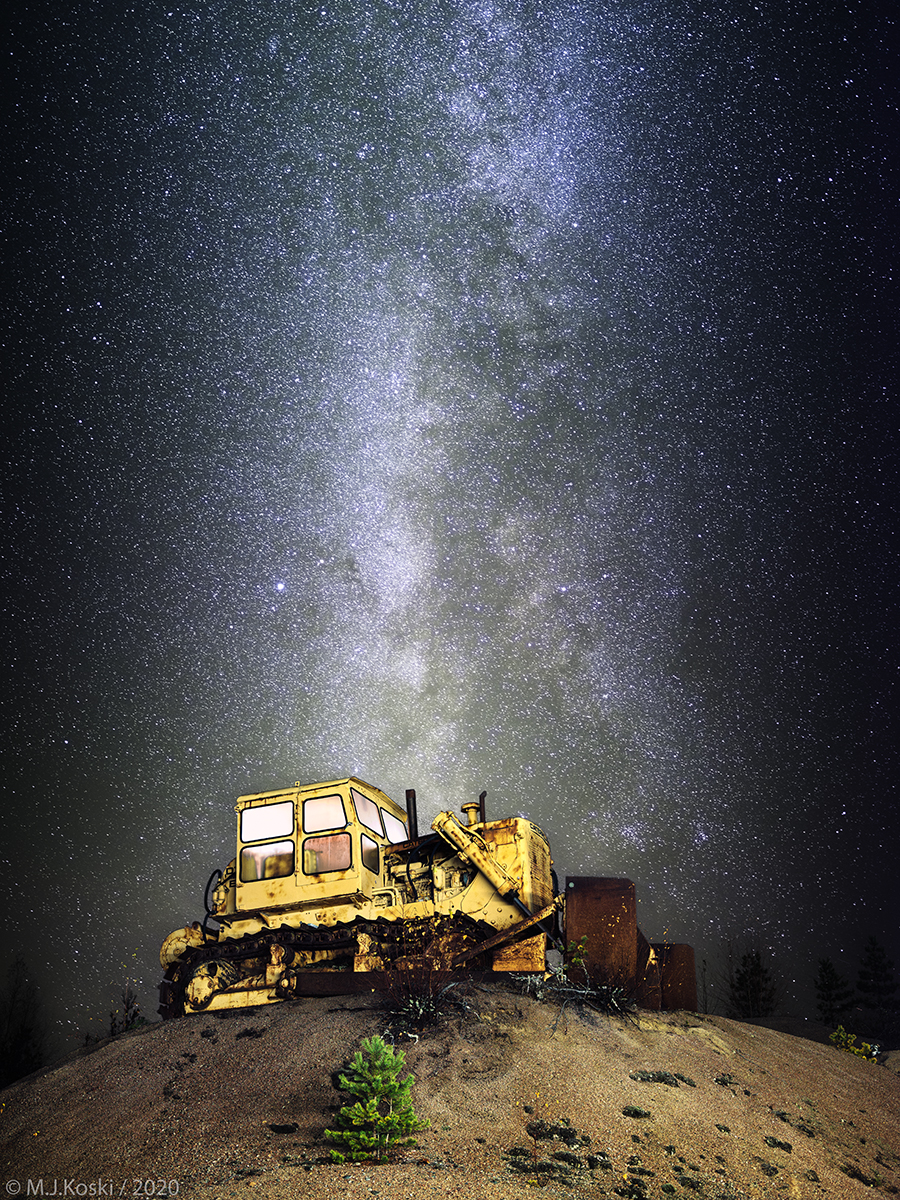
The 3rd shot is with the PC Nikkor 28mm f/3.5 with quite a bit of rise applied to the lens. I think this will be a keeper for me for wide angle shots. At least until I get the GF line of lenses figured out.
A question I have for the group... Is anyone shooting Tilt/Shift lenses? If so, what is your adapted solution? EDIT: Just saw a thread about TSE on Fuji
Being a long time Nikon shooter, I have the PC-E 24mm and PC-E 45mm tilt/shift lenses, but because they have an electronically controlled aperture they can only be shot wide-open. I understand that Steelring has a Nikon F - GFX autofocus adapter that claims to be able to control the electronic aperture from the GFX bodies, but I have yet to see any reviews or much news about this. Anyone here using one?
Indeed. How is the glacier meltdown-situation up there in Iceland? It is important that you and others visiting the region regularly take some documentary photos every now and then.
You can see the effects of the Icelandic glaciers shrinking everywhere. Movements are slow or in a way you can't see or feel it. It's easiest to see retracting tongues like seen in the image I posted. In other places it harder to see but the icecap is getting thinner. The effects can best be seen if pictures are taken with long intervals, tens of years. In general whats happening makes it harder for us mountaineers to travel across the glaciers, making the terrain unpredictable and cracked. One small glacier has already disappeared and some of the more famous ones (like Snæfellsjökull) will melt away in 30 to 50 years if we don't reverse the global warming. But global warming has darker side to it than melting glaciers. Wildfires, hurricanes, failing crops etc. The melting is one easy to understand meter of whats happening.
Here's a clip from Chasing Ice documentary on Netflix showing a timelapse of an Icelandic glacier melting.