I'm planning on going out to Reddish Knob, VA tonight to try my hand at a Milky Way timelapse. There is very little light pollution there for the east coast. However I've only got a 16-35mm f4 or a 50mm 1.8. Obviously if I get more into this type of thing, I'll purchase a Rokinon 14mm 2.8 and/or 24mm 1.4.
Has anyone tried to use this lens at 16mm f4 for star timelapses? I've got a 6D so I'm thinking noise performance should be acceptable at 6400 (maybe a little higher) for timelapse where the frames are constantly changing. Small star trails will also probably be more acceptable in a timelapse than in a photo. Possibly even a good thing in some timelapses.
Am I about to waste my time or do you all think I could possibly get decent results with this particular application? This is an hour from where I live so not a once in a lifetime opportunity.
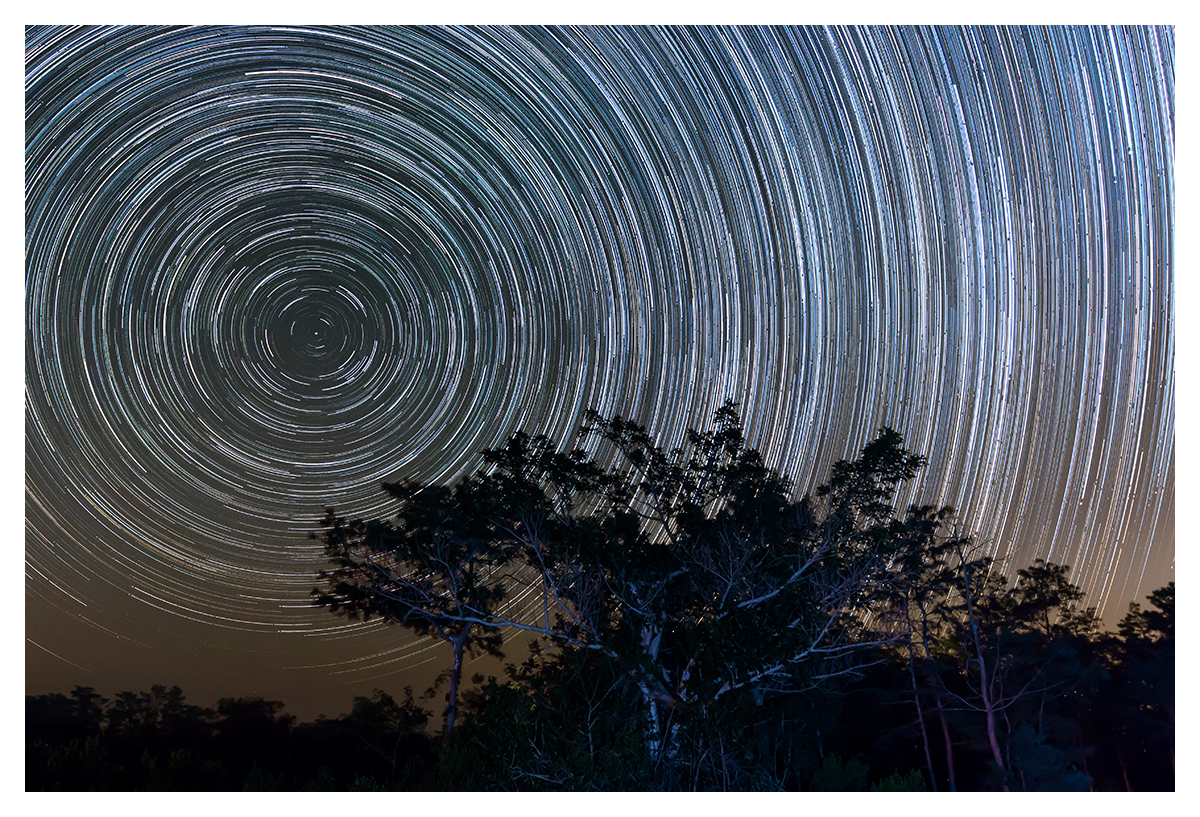
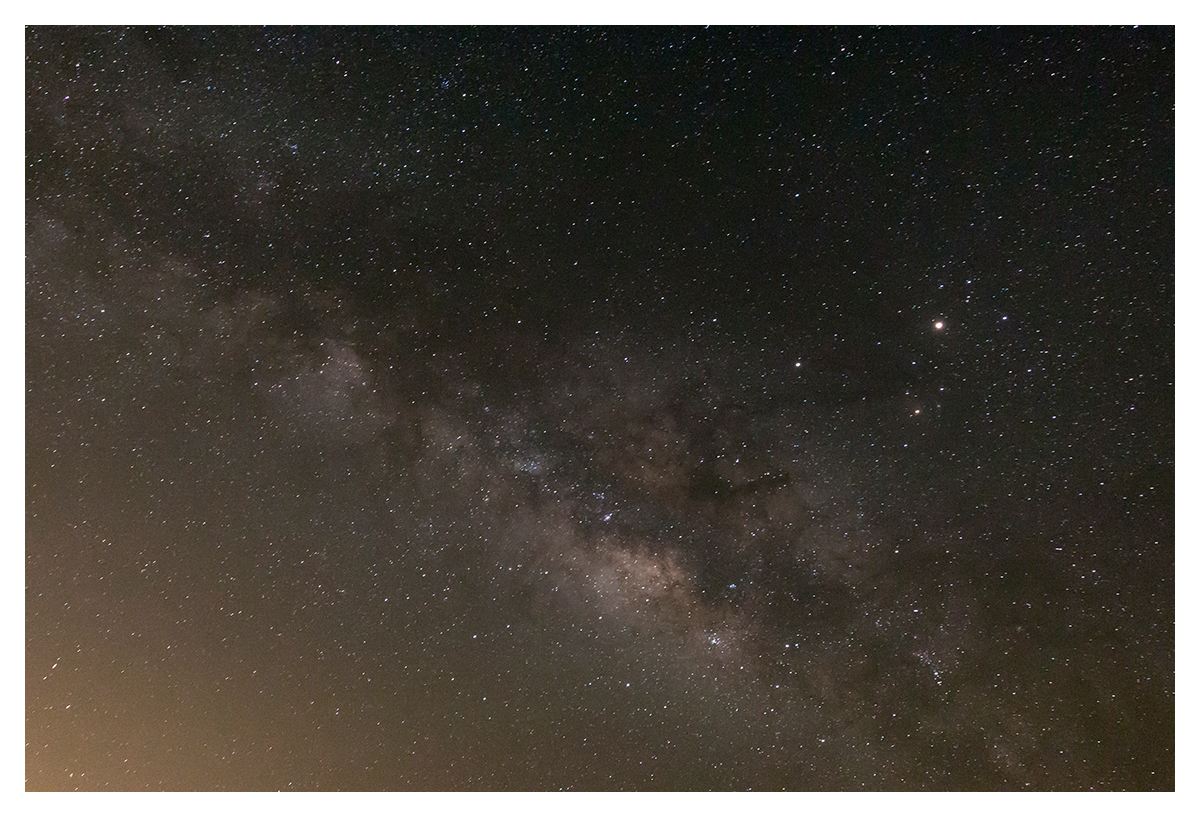
You most definitely can. I prefer to use a Rokinon 14mm f/2.8 for my astro photos with a 6D. But when I'm out there, I like to have a second camera doing star trails. For a while, that was a 70D + 16-35mm f/4L IS (now a Fuji X-E2S + 18-55mm f/2.8-4 OIS). In any case, you can do a fairly good job with a 6D at 6400. Here are a couple of star trails and one milky way core for ya, all taken with 70D + 16-35mm f/4L IS. I'm a novice at this stuff, but I think that combo worked out alright.
Canon 70D + Canon 16-35mm f/4L IS - ISO 3200 30 sec f/4 - 120 frames
Canon 70D + Canon 16-35mm f/4L IS - ISO 4000 30 sec f/4 - 230 frames
Canon 70D + Canon 16-35mm f/4L IS - ISO 6400 30 sec f/4 - 1 frame
Thanks for the responses guys. I went out last night and the f4 was indeed enough to capture the stars without significant movement. I was mostly shooting 16mm, f4, ISO 6400 and 25s. I probably could have even kicked the ISO down a 1/3 stop since small star motion is ok in a timelapse and been fine but I didn't.
Ultimately though, it was cloudy and also hazy due to the humidity. Don't have much to show from the night but had fun none the less.
If anyone else happens upon this and is wondering whether they will have any luck...I went out again and had a much better time as the weather was cooperating a little bit more.
Max_Pain wrote:
Nice! How did you accomplish the horizontal pan during the timelapse?
In this case it is from the Syrp Mini Genie. I used an app to find where the milky was going to be in 2.5 hours (the length the timelapse) and then just set the degrees to approximately that amount so that it would somewhat follow the milky way.
But since I am actually only posting this in 1080p (do not own the paid version of LRTimelapse yet for 4k), I could have done some panning in post while maintaining 1080p resolution. It wouldn't have been 16mm view anymore though.
I recently shot the Milky Way in North Dakota with my 6D and a 16-35 F4 L IS. Used 3200 ISO and a 25 second shutter speed. Did well enough that I saved the settings on a Custom function. Made some nice shots before the smoke from the Canadian fires obscured the Milky Way.