With the FT5 rumor of the three new Olympus lenses being announced on the 19:th, it got me thinking of all three of course but the new 30mm macro has a text on it that is not on the older 60mm.
Look at this picture, it's probably just some new way of them to write out the magnification of the lens but it's not on the 60mm
It looks like it says 1.25x
What exactly would that mean in this case? It's also rumored before on 43rumors under the specs 1:1,25 magnification compared to the 60mm that gives 1:1?
I am so lost at macro work that I could use a nice explanation
Why not? 30mm is a proper a macro lens, indeed it is more macro lens than 60mm is!
A so-called macro lens is a lens whose max. reproduction ratio is at least equal to life size, meaning it should allow camera to create a properly focused image equal to the size of the object. As an example, at its closest focus distance, if you focus to a rectangular object of 17.3mm x 13mm with a 60mm macro, you will get a photo exactly encompassing and also limited to this object. New 30mm can go further than that, and is able to form a photo where a smaller smaller part of that object correctly fills the frame. Magnitude of the magnification may top 1.25.
It's definitely a true macro lens...it's better than 1:1. However, this will be a very difficult lens to use due to the extremely short working distance. at 1.25x, this will be focused so close that the subject will be less than 1.5cm from the end of the lens...not really practical for live subjects, and very difficult to light for inanimate subjects.
I posted before the actual release but the new and real info actually says a 1.25x magnification which translated in to 2.5 if you look at a 36x24mm subject so indeed it gives a bigger magnification compared to the 60mm macro. Picture quality remains to be seen of course.
Wilbus wrote:
I posted before the actual release but the new and real info actually says a 1.25x magnification which translated in to 2.5 if you look at a 36x24mm subject so indeed it gives a bigger magnification compared to the 60mm macro. Picture quality remains to be seen of course.
Huh? Magnification is the same regardless of the format onto which you're projecting. It makes a practical difference (1:1 will fill more of the frame than 1:1 on FF), but that's another story.
I wonder what practical use Olympus had in mind while developing this lens.
Jman13 wrote:
It's definitely a true macro lens...it's better than 1:1. However, this will be a very difficult lens to use due to the extremely short working distance. at 1.25x, this will be focused so close that the subject will be less than 1.5cm from the end of the lens...not really practical for live subjects, and very difficult to light for inanimate subjects.
Diego your photos really are eye opener for all those who say Olympus and 4/3 in particular are limiting. But then I know it's you who is the differentiator. Would you mind giving some insights on how you achieve such fascinating results with so called tiny sensor.
Sagar wrote:
Diego your photos really are eye opener for all those who say Olympus and 4/3 in particular are limiting. But then I know it's you who is the differentiator. Would you mind giving some insights on how you achieve such fascinating results with so called tiny sensor.
The sensor is no real limitation in 99% of cases, only moonless night photography I feel like I'm at a disadvantage with my colleagues who use APSC or FF.
The combination of MicroFourThirds system, the software that Olympus offers us in their cameras and the quality of the lenses from the center to the corners makes them the perfect camera for landscape photography.
Playing more with focus stacking.
I should probably spend more time in post process and try and remove some stacking artifacts that are visible at full size but don't have the time right now.
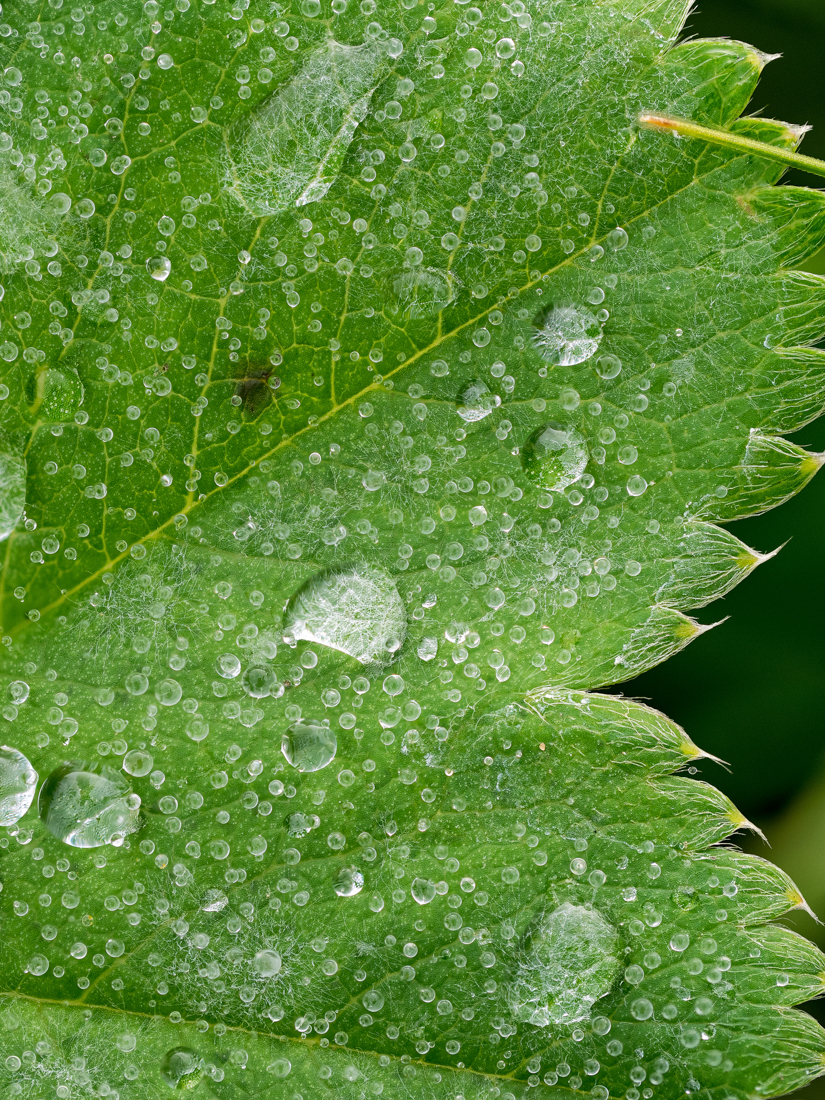
130 images shot using Olympus focus stacking method. Stitched together in Helicon Focus 6 on trail. Further edited in Lightroom and Nik Sharpener.
Olympus 60mm Macro at F2.8.
These 130 frames were captured in a matter of seconds. As far as I know Olympus and Panasonic (Gx8 added via firmware) are the only ones who offer focus changes like this. It can be done via third party computer software with other camera makes but it is slow. It can of course be done by manual focus as well but manually focusing 130 shots would take some time
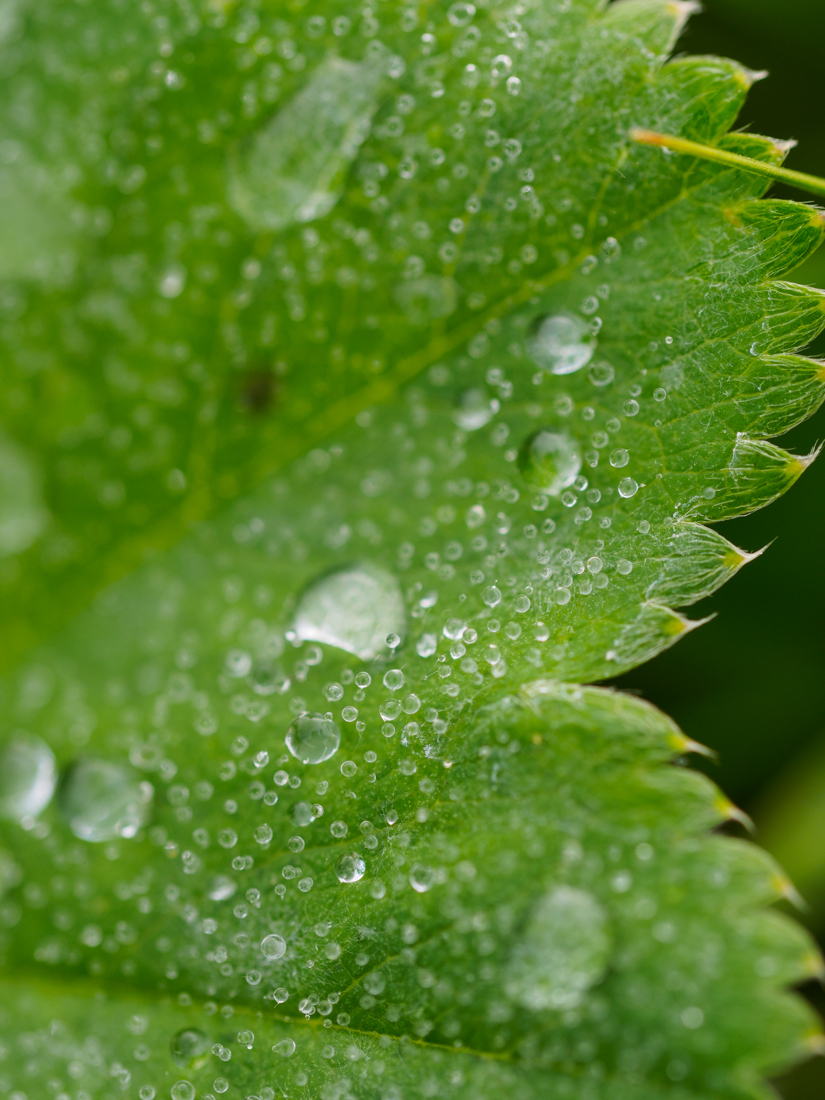
For comparison to see what difference you get in terms of depth of field. A mostly unedited shot without stacking, just F2.8 single frame, quick change to saturation.
At the distance this is shot stopping down to F8 wouldn't have made much difference in terms of depth of field. There would have been some more of course but nowhere near enough.