Summing up, the Thypoch Eureka 28mm f/2.8 ASPH is a lens that leans heavily into modern high performance while staying as compact as physically possible. It is extremely small, beautifully machined in brass, and has a density in the hand that makes it feel more like a precision instrument. On a Leica M body, it feels right at home, both visually and operationally, even if the handling takes some adjustment at first.
Optically, it delivers very solid but not class-leading performance. Center sharpness and contrast are strong, while mid-field and corner performance trail behind more corrected designs like the Voigtlander 28mm f/2.8 Color-Skopar. In real-world shooting, the lens behaves better than the charts suggest.
It is also clearly optimized for the Leica M sensor stack. Performance remains consistent on the M10-R, but when adapted to Sony bodies with their thicker sensor stacks, corner and mid-field performance deteriorates noticeably. This degradation is caused by increased field curvature, astigmatism and is not fully corrected by stopping the lens down.
Chromatic aberration control is a clear strength. Longitudinal CA is very well suppressed, with only minimal purple fringing in extreme conditions, and what stood out most in my use is the lack of much green fringing even in high contrast backlit scenes. Lateral CA is also minor and easy to correct in post without any significant trade-off in image quality. For a lens this small, that level of color correction is impressive.
Field curvature is also better controlled than expected for such a compact 28mm design, remaining relatively neutral in real-world use.
Close focus capability at 0.4m is another strong point. It adds real versatility for a 28mm, allowing for close up shots and that most competing M-mount 28mm f/2.8 lenses simply cannot reach. At close distances, performance holds up well wide open, which makes it practical to shoot at f/2.8 without hesitation using Live View.
Handling is where opinions will split. The focus stick system is not ideal, the aperture ring without clicks is not especially tactile or intuitive, and the 27mm filter size is not practical. But, everything about the design feels intentional. It is clearly built around minimizing size and prioritizing a classic aesthetic over convenience.
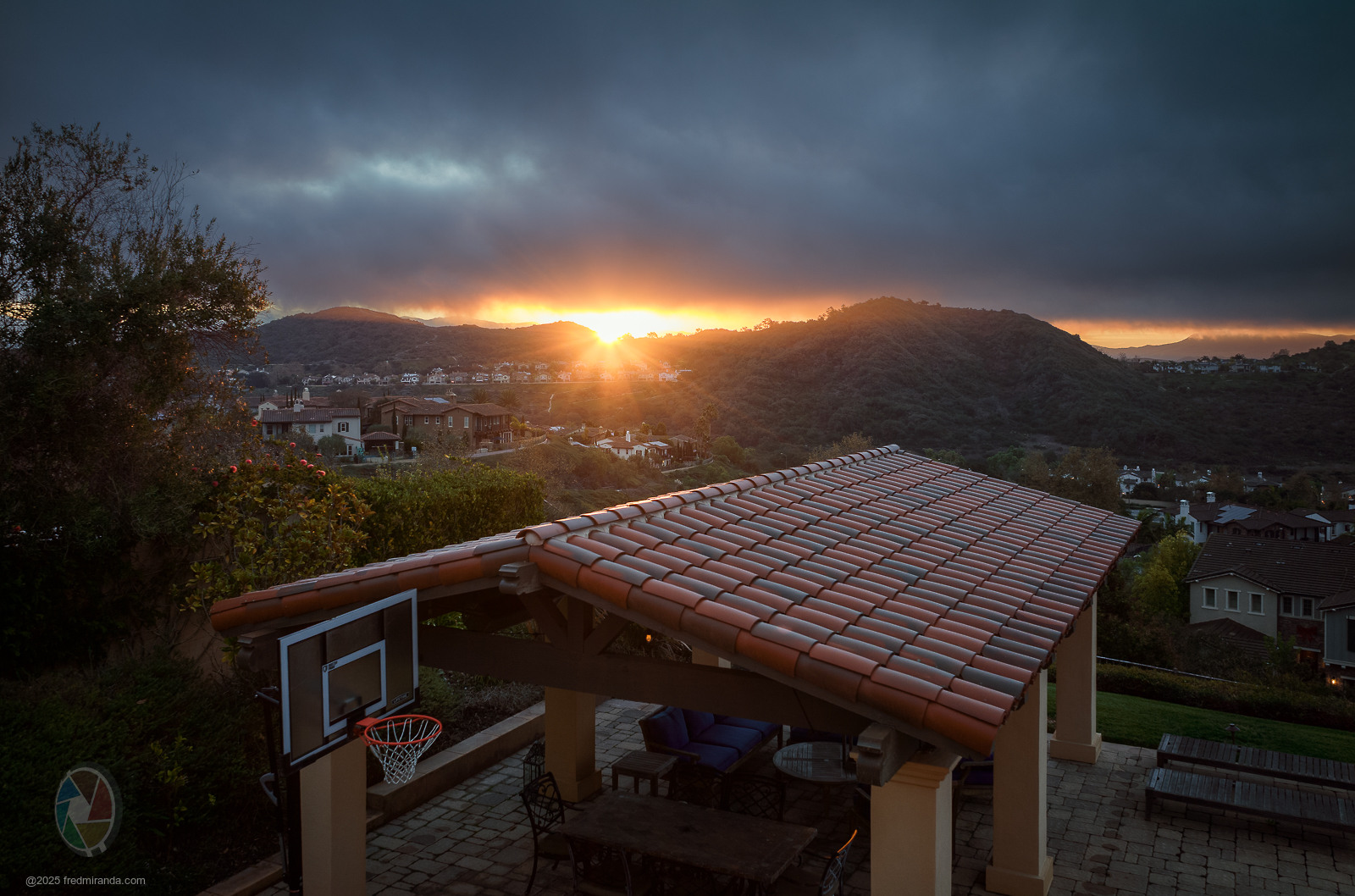
Sunstar rendering is soft and diffuse at wider apertures, becoming increasingly well defined from f/8 onward and reaching its peak at f/11. The rounded aperture blades favor smoother bokeh and a more natural sunstar appearance rather than well defined rays throughout the aperture range. The resulting 8 pointed stars are clean, evenly spaced, and well formed.
Pros:
Extremely compact and dense brass construction with excellent build feel
Strong center sharpness and contrast for its size class
Very good longitudinal chromatic aberration control with minimal green fringing
Low lateral chromatic aberration, easy to correct in post
Excellent 0.4m minimum focus distance for a 28mm M-mount lens
Distinct vintage inspired design that pairs beautifully with Leica M bodies
Well controlled field curvature for such a compact 28mm design
Good usable performance wide open in real world shooting
Cons:
Mid-field and corner sharpness noticeably behind top performing competitors
Unconventional handling with focus stick system takes adjustment
Click-less Aperture ring lacks tactile feedback and quick readability
27mm filter thread is not practical and hard to find
Heavy vignetting and optical compromise wide open, as expected for the size class
-------
Order the Thypoch Eureka 28mm f/2.8 ASPH. Lens:
Thypoch Store (Use promo code: FREDMIRANDA for a 5% discount at checkout)