runamuck wrote:
Just because you *can* do something does not mean you should.
My thoughts exactly.
And personally, I couldn't care less about high ISO. No matter how "clean" high ISO has become, it will never be better than shooting ISO 100 - 800 on a tripod with cable release. If you want maximum IQ, highest dynamic range, and truly rich files for post-processing, ISO 100 is the way to go.
I rarely go above ISO 800, not even with new cameras like the 5D3 / 1DX / D800.
Oh, did I mention the tripod? Get married to your tripod and never leave home without it! On occasions when shooting handheld and light is not good enough, use your speedlite. If speedlite is not enough, use strobes.
Rickuz wrote:
Oh, did I mention the tripod? Get married to your tripod and never leave home without it! On occasions when shooting handheld and light is not good enough, use your speedlite. If speedlite is not enough, use strobes.
Another poor lost soul thinks that his way of doing things is the only way and is not conversant with large swathes of photographic history or practice.
And personally, I couldn't care less about high ISO. No matter how "clean" high ISO has become, it will never be better than shooting ISO 100 - 800 on a tripod with cable release. If you want maximum IQ, highest dynamic range, and truly rich files for post-processing, ISO 100 is the way to go.
I rarely go above ISO 800, not even with new cameras like the 5D3 / 1DX / D800.
Oh, did I mention the tripod? Get married to your tripod and never leave home without it! On occasions when shooting handheld and light is not good enough, use your speedlite. If speedlite is not enough, use strobes....Show more →
It also doesn't mean you shouldn't. One of those phrases that are thrown around which are essentially meaningless...
I would be your worst nightmare. I own a tripod but seldom use it. My weddings work requires me to work faster than a tripod would allow.
I'm pleased to say we all see something different in photos and there's room for all approaches
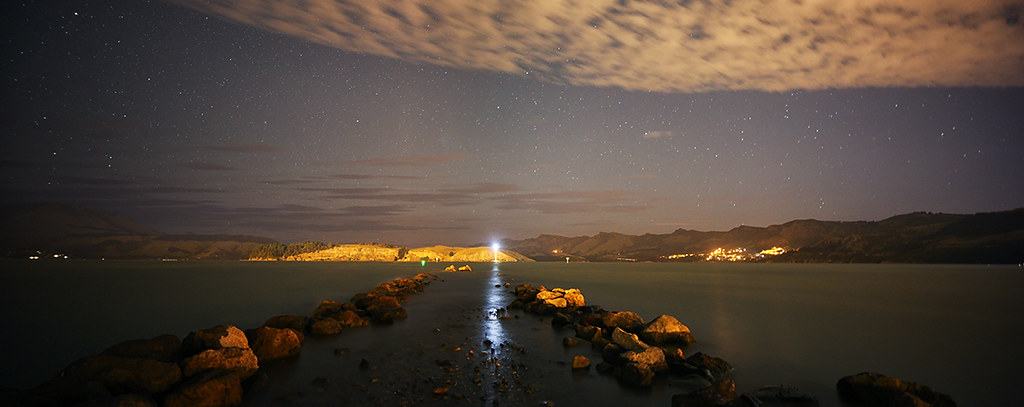
High ISO performance is important for all types of photography including night landscape photography using a tripod as Rob pointed out.
Here is an example of a picture that made "Thread of the week". Steve exposed the sky for 4 minutes at ISO 1600... https://www.fredmiranda.com/forum/topic/1187903
My take on the OP's statement is that when light is so low that there's an absence of anything worth imaging - no contrast, colour, or form. And with that I agree, in theory.
However, most of us are, at times, presented with less than ideal light. And at those times, we'll gladly take all the advantages our cameras can give us.
I've been enjoying 25,600 iso and the 'texture' of the gain; it's a small price to pay for the ability to record a precious moment.
Rickuz wrote:
Oh, did I mention the tripod? Get married to your tripod and never leave home without it! On occasions when shooting handheld and light is not good enough, use your speedlite. If speedlite is not enough, use strobes.
And on occasions where that is not possible or practicable, use high ISO.
Dont forget that for night shooting, super high iso can be really handy for doing a quick check shot rather than waiting for a protracted bulb shot to see if it is right.
“Photography has generally been defended on the ground that it is useful ... It should be added however that some of the very best photography is useful only as juggling, theology, or pure mathematics is useful - that is to say, useless, except as nourishment for the human spirit.”
I don't really consider ISO 1600 super high these days but here is one that I captured at 1600 and heavily cropped. The quality of light was there, just not the quantity.
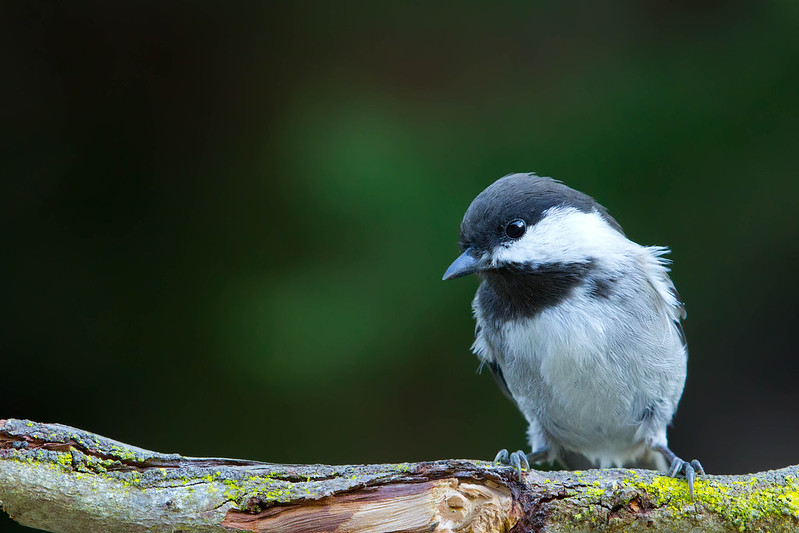
high ISO for wildlife is WAY overrated in my (albeit very amateur) eyes. i shoot 99% birds and when there isn't clear sunshine, i usually shut down the camera and break out the scope/binoculars for birding. gas is expensive these days and so really i only venture out (since i have to drive out of the city) for photography when the light is good. i mean, once you see a photo of a beautiful bird in perfect light, ain't no amount of ISO gonna make a that same bird in crappy light look as good as one in great light. i understand the whole high ISO thing if you shoot inside, but as a bird photographer, i'd love to shoot at 400 < ISO < 1600 for eternity. i would much rather spend my money on longer glass.
photo 1 here was taken on jan 1 in crappy light. photo 2 was taken on jan 2 once the storm clouds cleared out. no comparison.
dorian
redhead
redhead
Feb 10, 2013 at 10:45 PM
Lars Johnsson Offline • • • • • • • Upload & Sell: Off
To be fair here, neither of your two shots are in crappy light. Or low light. I would even say that at least one of those was shot in very good light. And it's ISO 320 & 400 also. Just look at the exif beneth your pics:
Canon EOS 7D 700 mm f/9.0 1/100 sec 400 ISO
Canon EOS 7D 400 mm f/5.6 1/2000 sec 320 ISO
For me, this argument just comes down to realism or reality.
Personally I will not be happy with usable ISO sensitivity until it is at least as sensitive as the human eye. The same goes for dynamic range and the other things. There have been plenty of times I wished to capture the scene (as it was, right there in front of me) but the camera has not been able to. Too much noise at that ISO, too wide of a range of brightness, etc.
A lot of times as a photographer that is what I am trying to do. Right now, I can take a photo at ISO 102400 or some high number like that, but the noise there means that I have to do one of two things -- hide it in the shadows (very limited dynamic range) or use a heavy noise reducer which tends to add a 'painterly' effect.. think like impressionist paintings of old.
There are many times when as a photographer I don't want to have to be artistic or to try to deal with any kind of limitation of the device. I often just want to show a scene exactly like I see or perceive it.


 On occasions when shooting handheld and light is not good enough, use your speedlite. If speedlite is not enough, use strobes.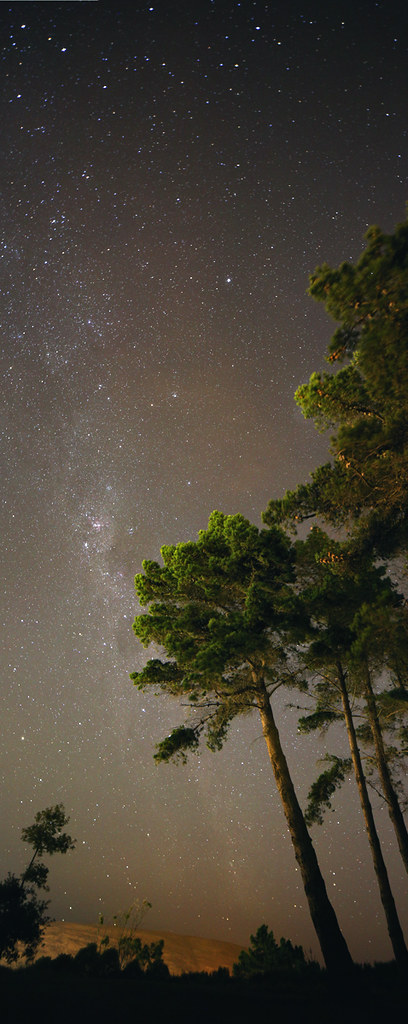
 And on occasions where that is not possible or practicable, use high ISO.