I received an RRS nodal slide for Christmas so that I can shoot panoramas with objects in the foreground while avoiding parallax. I'm familiar with the PCL-1 leveling base that works with the nodal slide, but wondering if this is a necessary purchase. I understand that it will make the whole process easier, but it's also not exactly free.
So, particularly for those who have the PCL-1 or some other type of leveling base, is it worth the price and will I be able to shoot panoramas with relative ease without it?
How much time do you have? You ever try leveling your tripod on uneven ground? If you want to shoot panos and enjoy it, get a leveler. If you want to fart around with your tripod for 10 minutes each time you set up a shot, and then have to do it all again because you don't like the composition and you need to move 6 inches left...
Not saying it can't be done, but they make those levelers for a very good reason.
like what Paul said, its not necessary but it will make the ease of use go up. you want your tripod to be level so that once you start panning your perspective doesnt shoot up of down in the air. so, as with anything, its a $$$ vs. time issue. you can spend more time at the location leveling your base, or spend more $$$ and spend less time leveling your base.
Thanks all - that's what I figured, but was hoping for a different answer
I've never done a pano before, but have been in many situations where I wished I had the right gear. I shoot landscapes exclusively and spend lots of time in the Sierra Nevada mountains and surrounding area.
I would try it without first. I put a double bubble level on top of my tripod, and it only takes me a few minutes to level it. I don't shoot a whole lot of panos though.
Bearmann wrote:
I would try it without first. I put a double bubble level on top of my tripod, and it only takes me a few minutes to level it. I don't shoot a whole lot of panos though.
Good idea. I'm wondering if the bubble level that's included on the nodal slide itself will suffice. Maybe I'm just not understanding why one would need a panning base with a bubble level and a nodal slide with a bubble level. For reference, I have this nodal slide.
I don't necessarily trust bubble levels, and for some reason do trust the the grids in my ground glass viewfinders and EVFs. I use a 617 panoramic camera for panoramas, but I do use a leveling base as a foil against uneven ground. I've found it particularly useful on rocks where I previously used to spend ages adjusting the legs, it's like night and day in the difference. I use a regular RRS TA-3-LB leveling base on a Gitzo systematic.
I use two bubble levels on top of the quick release to level the moving part of the ball head, tighten. Once done, put on the nodal rail and shoot away.
A question: Is your clamp going to be level after you put the ball head onto the leveling base? If not why get the leveling base to start with.
In a perfect world I'd have one of the Arca Swiss clamps that look if they are built upside down. P1S or P0 I think.
I use that same slide. The bubble level in it is not very accurate- when I put mine on a flat surface and rotate the slide, the bubble changes position. I sent it back to RRS and they told me all of them were about the same, so they mailed my original one back to me. I get better results with the double bubble laid on top. I do have a Feisol leveling base that I use when I don't mind the extra 2 pound weight. When I use the leveling base, it's level is different than the MPR CLII level which is also different from the hot shoe bubble level. You can certainly try the MPR CLII level and see how well your pano fits together. Try a 180 degree pano or more to test it. It may be fine.
I use that same slide. The bubble level in it is not very accurate- when I put mine on a flat surface and rotate the slide, the bubble changes position. I sent it back to RRS and they told me all of them were about the same, so they mailed my original one back to me. I get better results with the double bubble laid on top. I do have a Feisol leveling base that I use when I don't mind the extra 2 pound weight. When I use the leveling base, it's level is different than the MPR CLII level which is also different from the hot shoe bubble level. You can certainly try the MPR CLII level and see how well your pano fits together. Try a 180 degree pano or more to test it. It may be fine....Show more →
I use that same slide. The bubble level in it is not very accurate- when I put mine on a flat surface and rotate the slide, the bubble changes position. I sent it back to RRS and they told me all of them were about the same, so they mailed my original one back to me. I get better results with the double bubble laid on top. I do have a Feisol leveling base that I use when I don't mind the extra 2 pound weight. When I use the leveling base, it's level is different than the MPR CLII level which is also different from the hot shoe bubble level. You can certainly try the MPR CLII level and see how well your pano fits together. Try a 180 degree pano or more to test it. It may be fine....Show more →
Thanks, Bearmann - good to know. It would be great if I could get by with a $30 bubble level, so maybe I'll try that approach first. Apart from the price, another thing that turns me off about the RRS panning clamp is the weight of the thing, as I tend to take most of my photos while backpacking and like to keep my gear to a minimum.
CorwinGraves wrote:
Thanks all - that's what I figured, but was hoping for a different answer
I've never done a pano before, but have been in many situations where I wished I had the right gear. I shoot landscapes exclusively and spend lots of time in the Sierra Nevada mountains and surrounding area.
IMO leveling isn't all that important. I guess I've done about 100 panoramas that I actually liked so far and prolly another hundred or two that didn't expose and process the way I had hoped. So far they have been of all types: 40 or 50 shot single row, 50 to 300 shot multi-row, and smaller ones consisting of 10 or less shots. Some 5 or 6 years ago when pano software was young getting things level was much more important. Today, nope, almost not at all - even just eyeing it is totally good enough. Software now lets you rotate, stretch, and bend to your heart's content so even the tiny bubble-levels on cheaper pods and heads are overkill.
Additionally node-centering rails and sliders aren't all that useful either - depending. If the subject is close (like indoors or something) or there's foreground elements which are close then yeah, node positioning is (or can be) fairly critical. OTOH if you're doing a mountain range or something you could put the camera on a dang 2 meter swing-arm and it wouldn't matter a bit. Where all elements are at least ~20 meters away those centering rails become completely ineffectual over mounting the camera on just any old head.
In the Sierra Nevada's where I might also like to shoot some wildlife and at the same time not have to bring a ton of gadgets I think a gimbal head would be more practical. They allow node centering as well and also at the same time make panorama shooting fun and super easy. And of course every wildlife shooter can attest to the positive experiences they had with gimbals.
I dunno, I think even if I were going to do nothing else but panoramas all the time and make that my full-time career I wouldn't opt for either the centering rails nor the leveler - especially no need for the leveler. I feel kinda bad saying that as you've mentioned that the rails were a Christmas present and I think it's really bad form to put down someone's gift. But you asked and others are involved now too so I guess why not tell it how it really is?
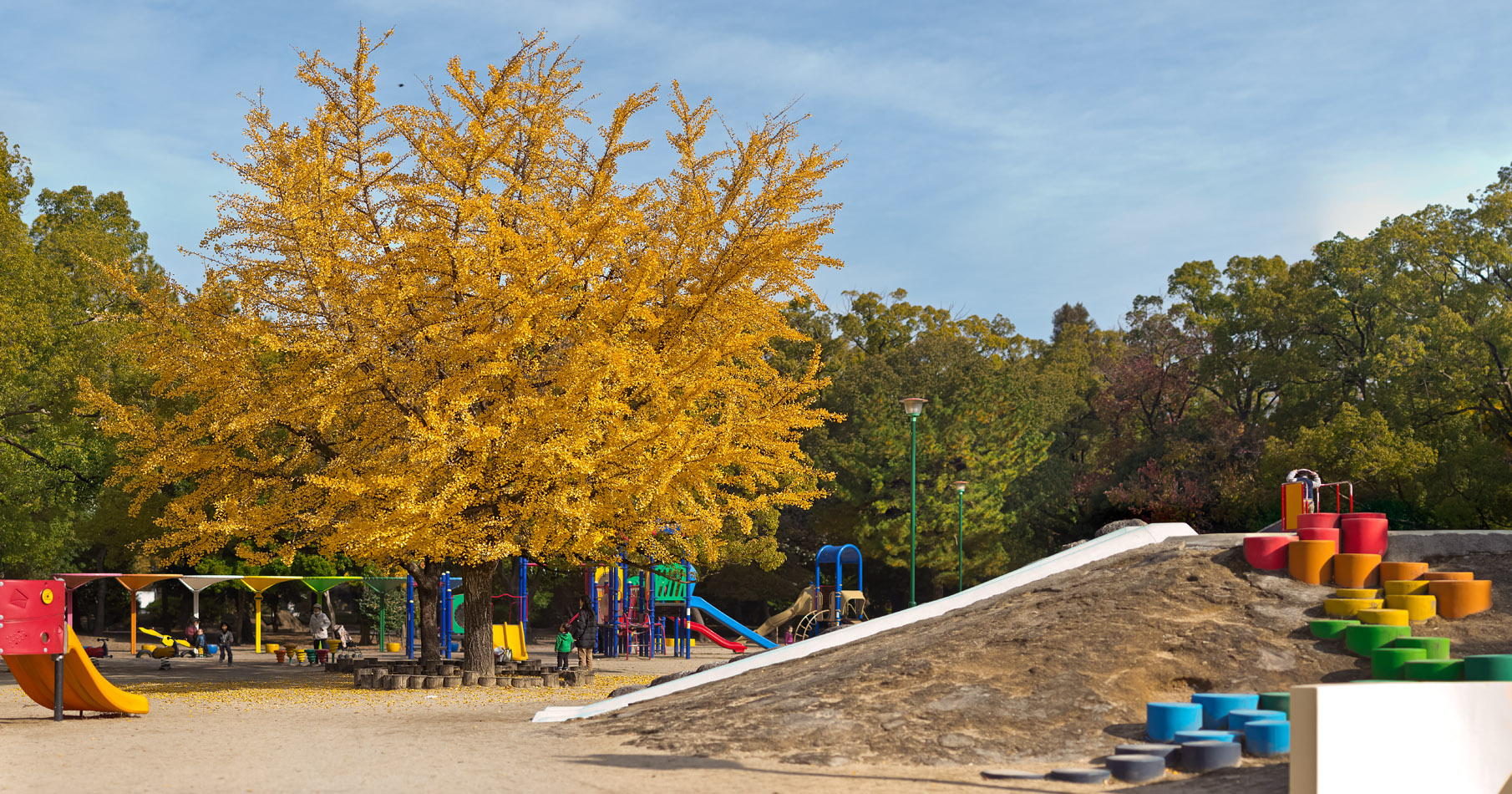
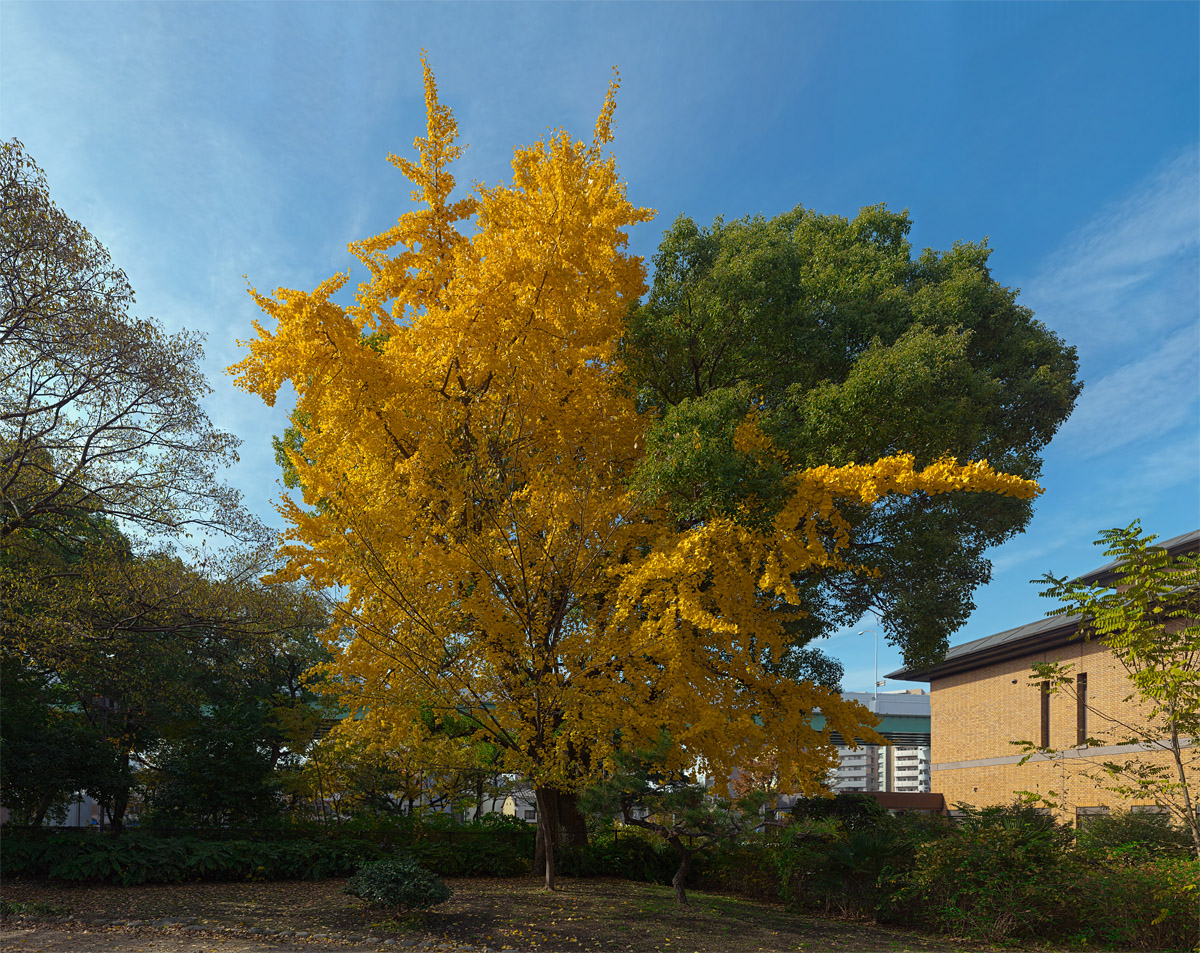
Here's two of my most recent examples:
GH2_Canon_FD_85mm_f1.2L @ f/1.2
About 40 shots after cropping - standing about 15m to 20m away from the yellow tree.
GH2_Canon_FD_85mm_f1.2L @ f/1.2
240 shots after cropping - standing about 8m away from the little button shrub in the FG there.
And about 10 or 12m from the yellow tree which was looming almost directly over
my head - for the top row the camera was pointed up about 80˚ to 85˚.
I can't imagine not using a leveling base.
Once the financial pain is gone, and you learn how easy it makes shooting panos.
Clamp it, level it, shoot. Rotate 20-30 degrees, shoot again. Repeat. Your done...
But, I use with my tilt-shift lenses and get the whole thing straight to start...
Bifurcator - I appreciate the honest response, even if it's not necessarily what I want to hear. I asked for the nodal rail for Christmas based on what I've seen others using here on the forum and out in the field. From what others have suggested, the nodal rail seems to be an essential piece of equipment in terms of reducing or eliminating parallax, and apparently makes the PP work easier and quicker. I suppose I shall find out if it's truly necessary or not once I'm able to give it a test run.
The rails will reduce/eliminate parallax error - indeed. The thing is that there is no parallax error with elements farther away from the camera than about 20m when just mounted on any old head - as I mentioned. Handheld that increases out to about 50m to 80m because people tend to swivel at the hips - producing about a 50cm swing-arm. So to put your rails to good use shoot panos of stuff up close (like 3 to 5 meters) - or at least with close-ish FG elements included.
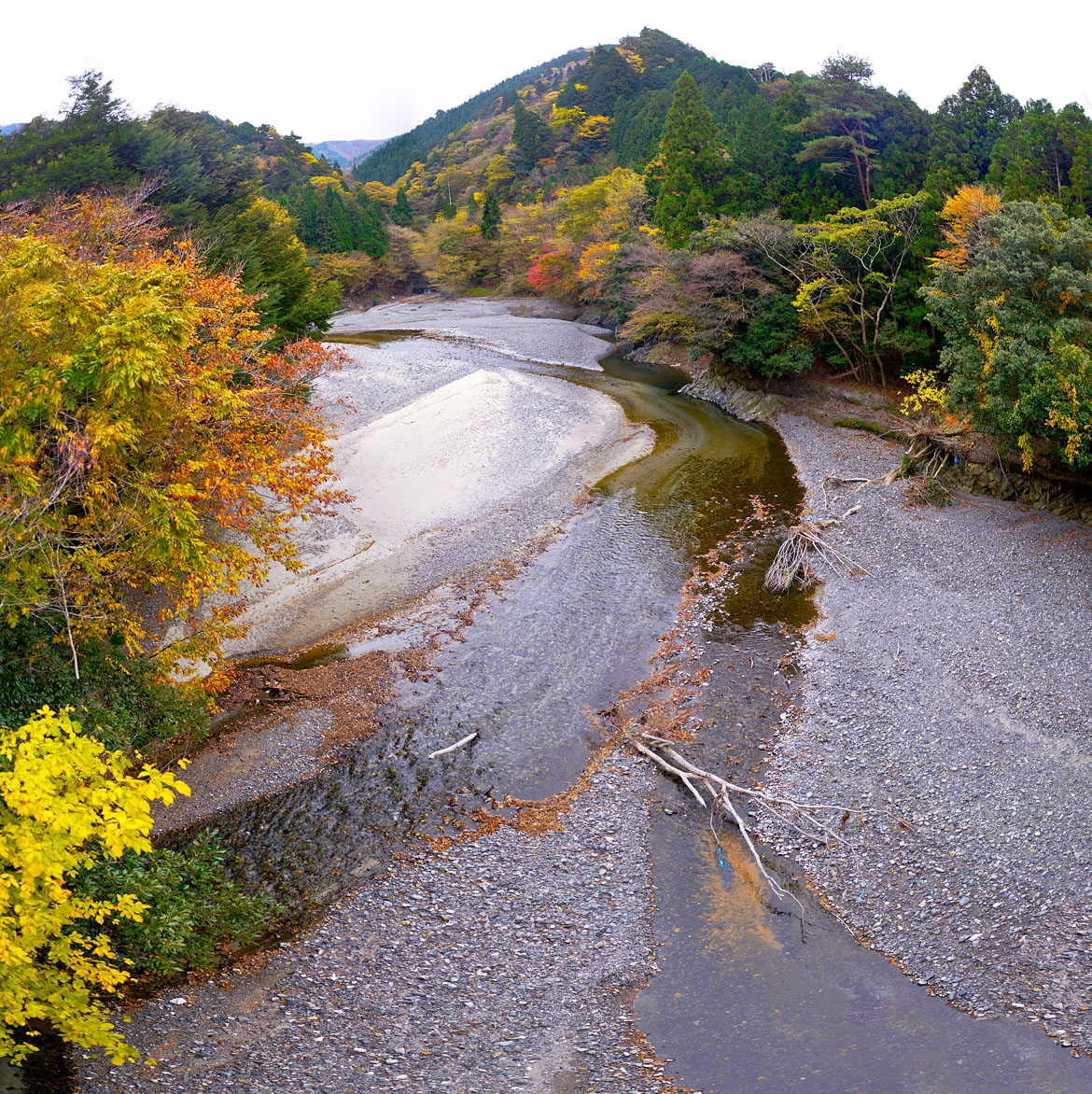
Here's a few more samples:
71 images (probably about 65 after cropping)
Hand held leaning out over the edge of a bridge.
6 images at 35mm using a thick rubber lens hood pressed against the window for stability and reflection elimination at all 6 angles - taken from inside a restaurant.